
JLPT N2 Vocabulary Meanings - Unsolved

Learn the English meanings of 1790 JLPT N2 words through questions with four answer choices.
-
waterfall
-
warehouse
-
halfway point
-
relatively
-
gently / quietly
-
for some reason
-
rags / hidden faults
-
resentment
-
replacement / taking turns
-
survival
-
business card
-
foundation
-
go out
-
whisper
-
pull down / change money
-
irregular
-
vague
-
fixed / constant
-
have a good day
-
good morning
-
bye-bye
-
weak point / disadvantage
-
residence
-
widespread use
-
rough / careless
-
stylish
-
quadrilateral
-
be involved / affect
-
fit in / put on
-
collapse
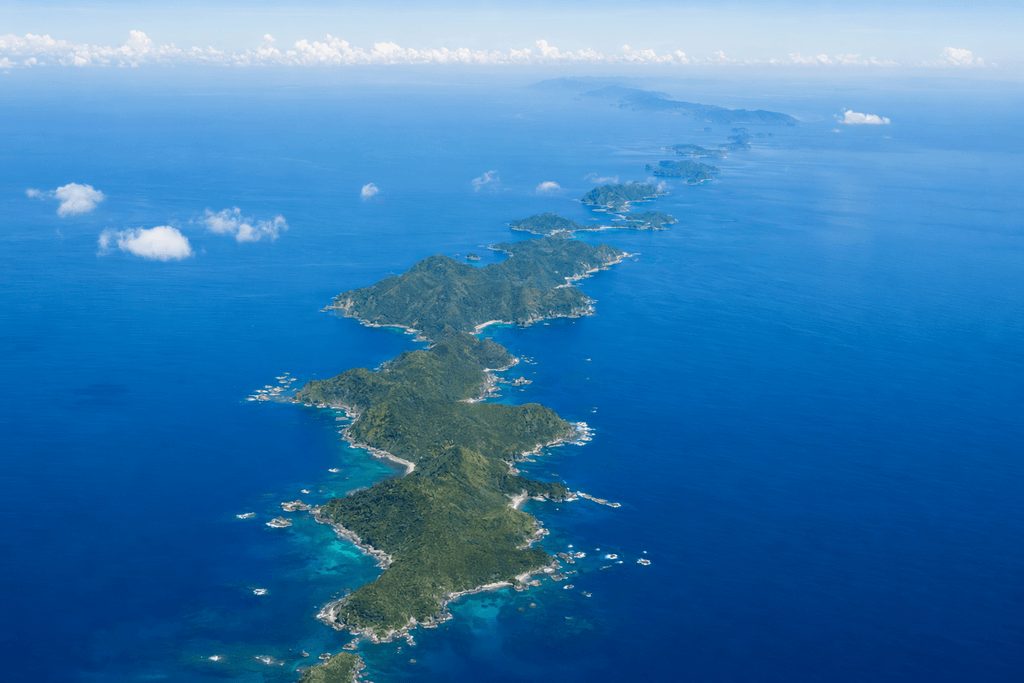
列島
island chain
列島
island chain
Explanation
列島
island chain
列島
(geography) archipelago, chain of islands / (especially) Japanese archipelago
( Base form )
( romanization )
( hiragana )
にこにこ
smiling cheerfully
にこにこ
smiling cheerfully
Explanation
smiling cheerfully
にこにこ
with a smile; smilingly

( Base form )
( Base form )
( romanization )
( stem )
( Past )
( table-tags )
( inflection-template )
( imperfective stem )
( imperfective stem )
( continuative stem )
( continuative stem )
( stem terminative )
( stem terminative )
( attributive stem )
( attributive stem )
( hypothetical stem )
( hypothetical stem )
( Imperative literary stem )
( colloquial Imperative stem )
( Imperative literary stem )
( colloquial Imperative stem )
( Passive voice )
( Passive voice )
( causative )
( causative )
( causative )
( causative )
( potential )
( potential )
( volitional )
( volitional )
( negative )
( negative )
( continuative negative )
( continuative negative )
( formal )
( formal )
( perfective )
( perfective )
( conjunctive )
( conjunctive )
( Conditional hypothetical )
( Conditional hypothetical )
長方形
rectangle
長方形
rectangle
Explanation
長方形
rectangle
長方形
(geometry) rectangle

( Base form )
( romanization )
( hiragana )
爽やか
refreshing
爽やか
refreshing
Explanation
爽やか
refreshing
爽やか
refreshing; invigorating; clear; brisk

( romanization )
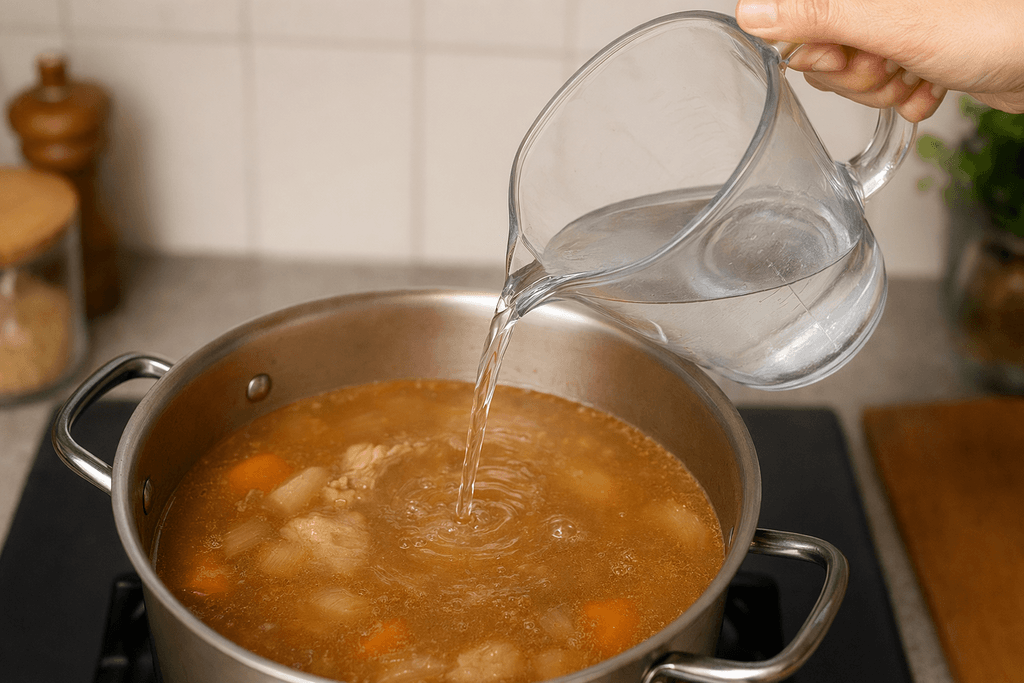
薄める
dilute
薄める
dilute
Explanation
薄める
dilute
薄める
Word Forms
The basic and commonly used forms of this verb.
Basic forms
| Form | Word form | Usage |
|---|---|---|
| Imperfective form (mizenkei) | Connects to endings such as nai, reru, and seru. | |
| Continuative form (renyokei) | Connects to endings such as masu, tai, and ta. | |
| Conclusive form (shushikei) | Ends a sentence and serves as the dictionary form. | |
| Attributive form (rentaikei) | Modifies a noun. | |
| Conditional form (kateikei) | Combines with ba to express a condition. | |
| Imperative form (meireikei) |
Alternative:
薄めよ
|
Expresses a command or instruction. |
Common forms
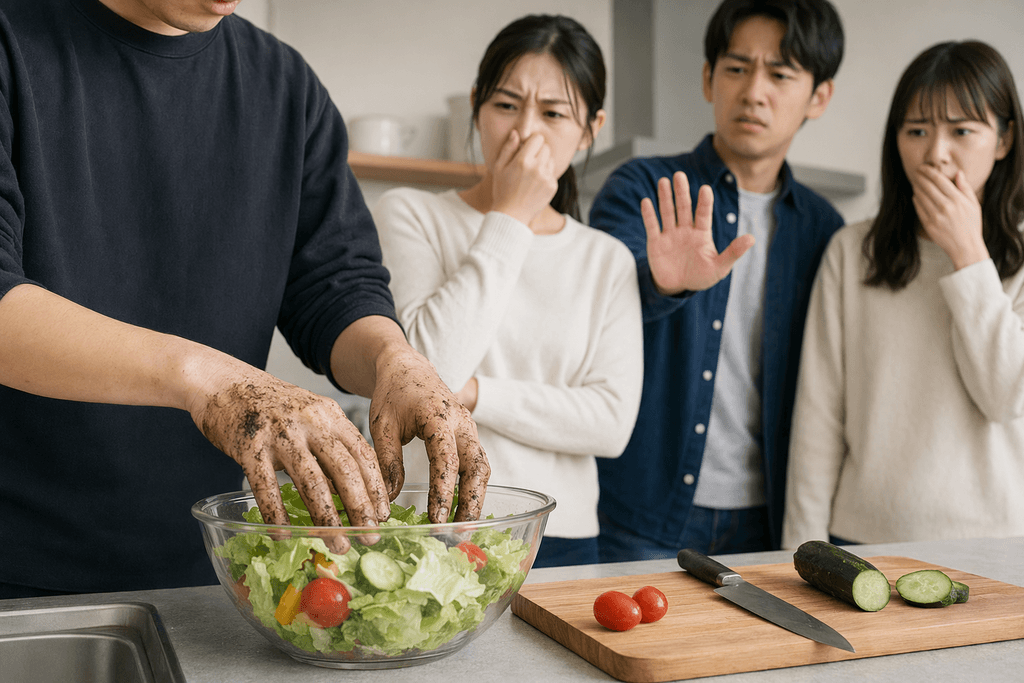
不潔
filthy
不潔
filthy
Explanation
不潔
filthy
不潔
unclean; dirty
Word Forms
The basic and commonly used forms of this adjectival noun.
Basic forms
| Form | Word form | Usage |
|---|---|---|
| Imperfective form (mizenkei) |
Alternative:
不潔でしょ
|
Used in forms such as darou. |
| Continuative form (renyokei) |
Alternative:
不潔に
|
Used with de or ni. |
| Conclusive form (shushikei) |
Alternative:
不潔です
|
Ends a sentence with da. |
| Attributive form (rentaikei) |
Alternative:
不潔なる
|
Modifies a noun with na. |
| Conditional form (kateikei) |
Alternative:
不潔であれば
|
Expresses a condition with nara. |
| Imperative form (meireikei) | Used in formal expressions such as de are. |
Common forms
お帰り
welcome home
お帰り
welcome home
Explanation
お帰り
welcome home
お帰り
Ellipsis of お帰りなさい (“welcome home”).

( Base form )
( romanization )
( romanization )
( hiragana historical )
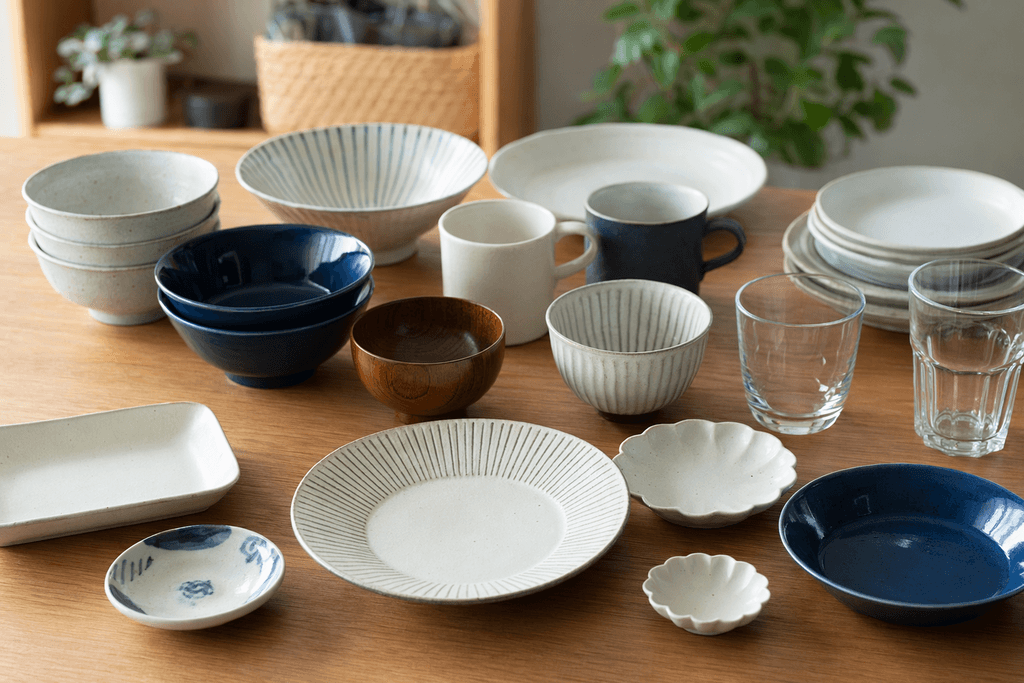
食器
tableware
食器
tableware
Explanation
食器
tableware
食器
tableware / dishes / crockery
( Base form )
( romanization )
( hiragana )
地味
plain / unshowy
地味
plain / unshowy
Explanation
地味
plain / unshowy
地味
plain, simple / quiet, subdued

Word Forms
The basic and commonly used forms of this adjectival noun.
Basic forms
| Form | Word form | Usage |
|---|---|---|
| Imperfective form (mizenkei) | Used in forms such as darou. | |
| Continuative form (renyokei) |
Alternative:
地味に
|
Used with de or ni. |
| Conclusive form (shushikei) | Ends a sentence with da. | |
| Attributive form (rentaikei) |
Alternative:
地味の
|
Modifies a noun with na. |
| Conditional form (kateikei) | Expresses a condition with nara. | |
| Imperative form (meireikei) | Used in formal expressions such as de are. |
Common forms
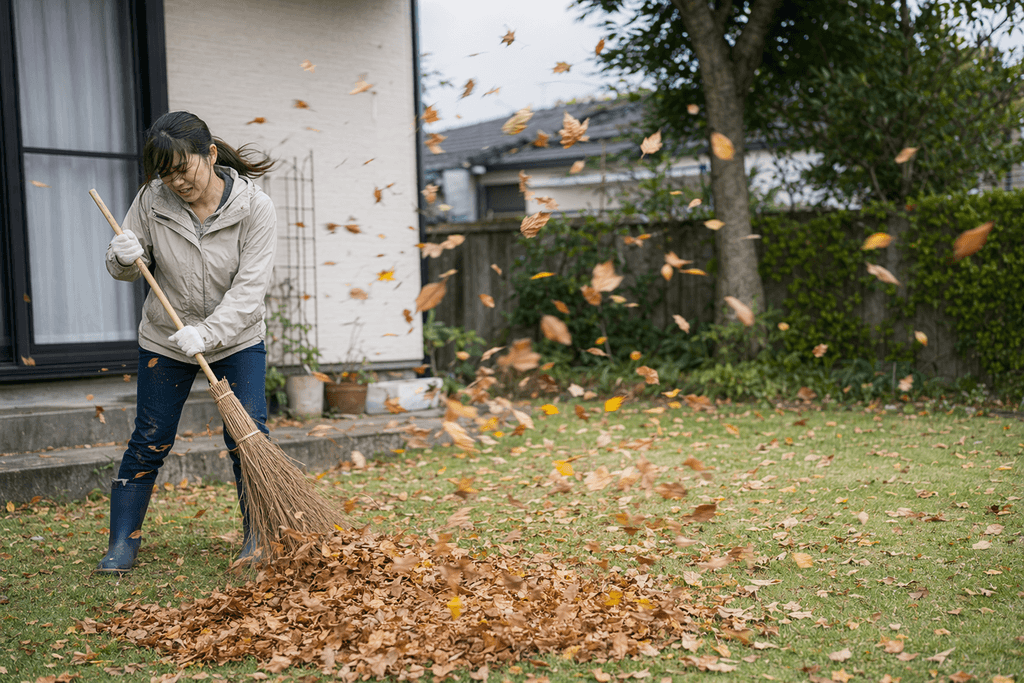
散らす
scatter
散らす
scatter
Explanation
散らす
scatter
散らす
to scatter / to disperse / to distract / to sprinkle
Word Forms
The basic and commonly used forms of this verb.
Basic forms
| Form | Word form | Usage |
|---|---|---|
| Imperfective form (mizenkei) |
Alternative:
散らそ
|
Connects to endings such as nai, reru, and seru. |
| Continuative form (renyokei) | Connects to endings such as masu, tai, and ta. | |
| Conclusive form (shushikei) | Ends a sentence and serves as the dictionary form. | |
| Attributive form (rentaikei) | Modifies a noun. | |
| Conditional form (kateikei) | Combines with ba to express a condition. | |
| Imperative form (meireikei) | Expresses a command or instruction. |
Common forms
Loading...

JLPT N2 多言語単語帳・1790語 / JLPT N2 Multilingual Vocabulary: 1790 Words

Jonathan Waller 氏の JLPT Resources の語彙リスト・レベル分類を出典とし、CC BY の条件に従って DiQt が学習者向けに意味を作り直した1790語の単語帳です。JLPT公式の語彙リストではありません。
This collection of 1790 words is based on the vocabulary list and level classifications in Jonathan Waller’s JLPT Resources under CC BY, with meanings rewritten by DiQt for learners. It is not an official JLPT vocabulary list.
Key Operations
Select the first quiz:
Ctrl + Enter
View Explanation:Ctrl + G
Close a feedback:Esc
When selecting a quiz
Answer:Enter
Select a choice:↓ or ↑
Reading out the question:Ctrl + K
View Hint: Ctrl + M
I don't know: Ctrl + Y



