
JLPT N2 Vocabulary Meanings - Unsolved

Learn the English meanings of 1790 JLPT N2 words through questions with four answer choices.
-
every time
-
somewhat
-
diligently
-
move aside
-
turn over
-
panic / hurry
- 複合表現「気を付ける」は、末尾の一段動詞「付ける」に従って活用します。
-
deduction / balance
-
length / merits and faults
-
tatami room
-
cheerful
-
modern
-
frank
-
volcano
-
burn injury
-
carpet
-
attack / avenge
-
surprise / frighten
-
raise / deep-fry
-
spread widely
-
sweep
-
take care of
-
fiscal year / school year
-
sliding partition
-
volcanic eruption
-
inadvertently
-
so-so
-
anyway
-
letter to the editor
-
writing style
-
crime prevention
ぎっしり
tightly packed
ぎっしり
tightly packed
Explanation
tightly packed
ぎっしり

( romanization )
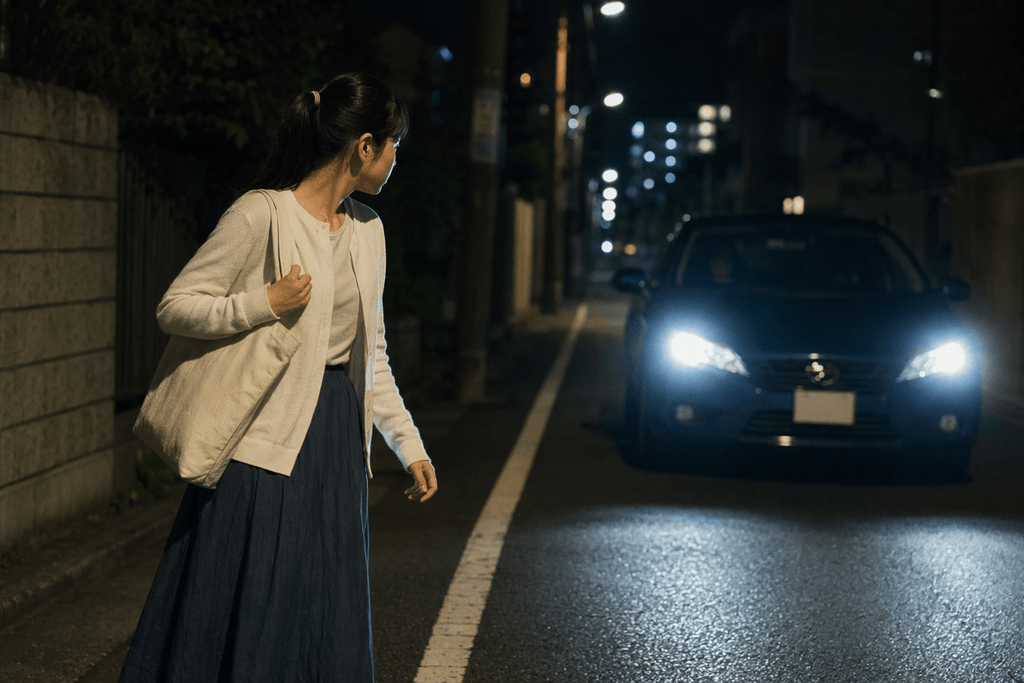
気を付ける
be careful
気を付ける
be careful
Explanation
気を付ける
be careful
気を付ける
be careful, watch out / take care
Word Forms
The basic and commonly used forms of this verb.
Basic forms
| Form | Word form | Usage |
|---|---|---|
| Imperfective form (mizenkei) |
Alternative:
気をつけ
きをつけ
|
Connects to endings such as nai, reru, and seru. |
| Continuative form (renyokei) |
Alternative:
気をつけ
きをつけ
|
Connects to endings such as masu, tai, and ta. |
| Conclusive form (shushikei) |
Alternative:
気をつける
きをつける
|
Ends a sentence and serves as the dictionary form. |
| Attributive form (rentaikei) |
Alternative:
気をつける
きをつける
|
Modifies a noun. |
| Conditional form (kateikei) |
Alternative:
気をつけれ
きをつけれ
|
Combines with ba to express a condition. |
| Imperative form (meireikei) |
Alternative:
気を付けよ
気をつけろ
気をつけよ
きをつけろ
きをつけよ
|
Expresses a command or instruction. |
Common forms
| Form | Word form | Usage |
|---|---|---|
| Te-form |
Alternative:
気をつけて
きをつけて
|
Connects clauses with te. |
| Ta-form |
Alternative:
気をつけた
きをつけた
|
Expresses the past with ta. |
| Nai-form |
Alternative:
気をつけない
きをつけない
|
Expresses negation with nai. |
| Masu-form |
Alternative:
気をつけます
きをつけます
|
Used for polite speech. |
| Ba-form |
Alternative:
気をつければ
きをつければ
|
Expresses a condition with ba. |
| Volitional form |
Alternative:
気をつけよう
きをつけよう
|
Expresses intention or invitation. |
Notes
日差し
sunlight
日差し
sunlight
Explanation
日差し
sunlight
日差し
sunlight / sunshine / sunbeam

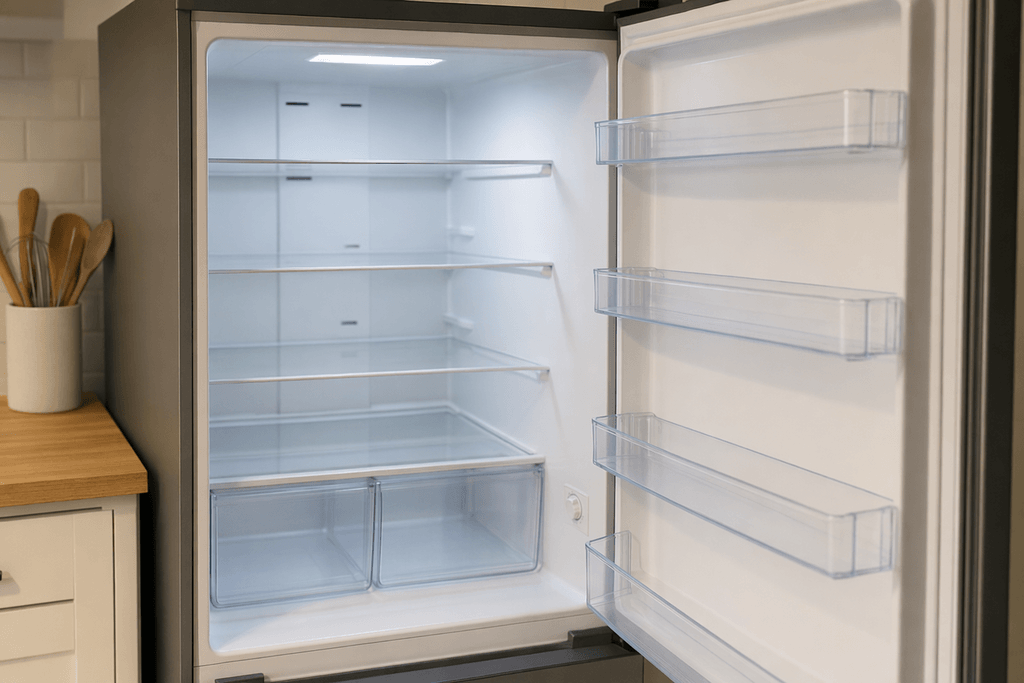
空っぽ
empty
空っぽ
empty
Explanation
空っぽ
empty
空っぽ
empty, vacant
Word Forms
The basic and commonly used forms of this adjectival noun.
Basic forms
| Form | Word form | Usage |
|---|---|---|
| Imperfective form (mizenkei) | Used in forms such as darou. | |
| Continuative form (renyokei) |
Alternative:
空っぽに
|
Used with de or ni. |
| Conclusive form (shushikei) | Ends a sentence with da. | |
| Attributive form (rentaikei) |
Alternative:
空っぽの
|
Modifies a noun with na. |
| Conditional form (kateikei) | Expresses a condition with nara. | |
| Imperative form (meireikei) | Used in formal expressions such as de are. |
Common forms
破片
fragment
破片
fragment
Explanation
破片
fragment
破片
a fragment / a chip / a splinter

( Base form )
( romanization )
( hiragana )
蒔く
sow seeds
蒔く
sow seeds
Explanation
蒔く
sow seeds
蒔く
to sow (seeds); to plant (seeds)

Word Forms
The basic and commonly used forms of this verb.
Basic forms
| Form | Word form | Usage |
|---|---|---|
| Imperfective form (mizenkei) |
Alternative:
蒔こ
|
Connects to endings such as nai, reru, and seru. |
| Continuative form (renyokei) | Connects to endings such as masu, tai, and ta. | |
| Conclusive form (shushikei) | Ends a sentence and serves as the dictionary form. | |
| Attributive form (rentaikei) | Modifies a noun. | |
| Conditional form (kateikei) | Combines with ba to express a condition. | |
| Imperative form (meireikei) | Expresses a command or instruction. |
Common forms
ずらす
shift / postpone
ずらす
shift / postpone
Explanation
shift / postpone
ずらす
to shift, to move

Word Forms
The basic and commonly used forms of this verb.
Basic forms
| Form | Word form | Usage |
|---|---|---|
| Imperfective form (mizenkei) |
Alternative:
ずらそ
|
Connects to endings such as nai, reru, and seru. |
| Continuative form (renyokei) | Connects to endings such as masu, tai, and ta. | |
| Conclusive form (shushikei) | Ends a sentence and serves as the dictionary form. | |
| Attributive form (rentaikei) | Modifies a noun. | |
| Conditional form (kateikei) | Combines with ba to express a condition. | |
| Imperative form (meireikei) | Expresses a command or instruction. |
Common forms
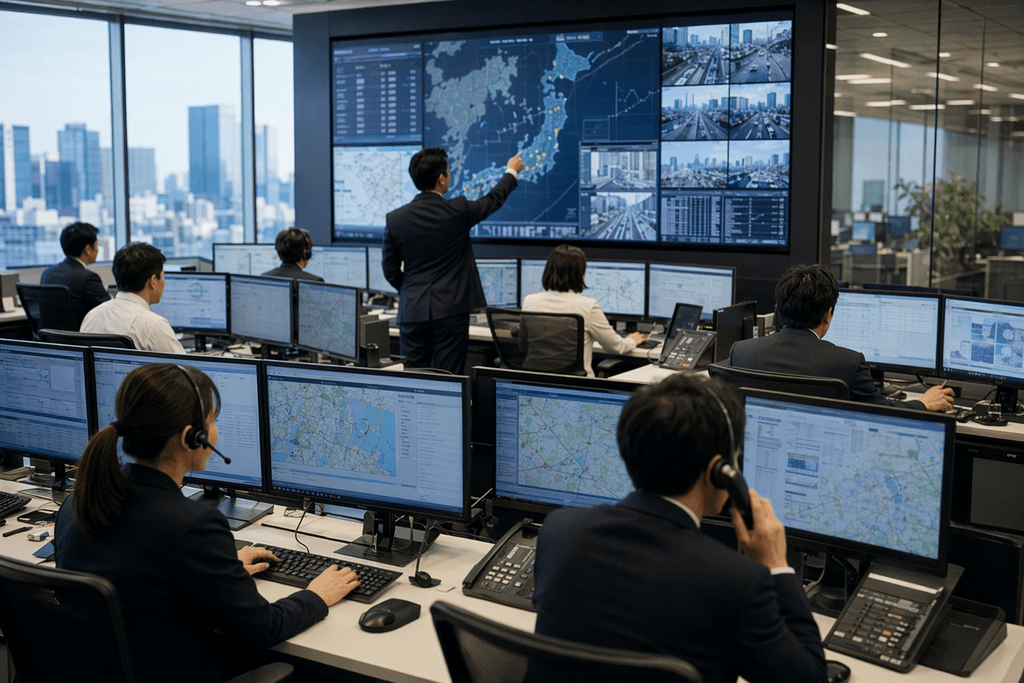
本部
headquarters
本部
headquarters
Explanation
本部
headquarters
本部
( Base form )
( romanization )
( hiragana )
広々
spacious
広々
spacious
Explanation
広々
spacious
広々
spaciously / over a wide/open area / extensively (spatially) / in a spacious/open manner

内科
internal medicine
内科
internal medicine
Explanation
内科
internal medicine
内科
internal medicine / department (of a hospital, etc.) of internal medicine

( Base form )
( romanization )
( hiragana )
Loading...

JLPT N2 多言語単語帳・1790語 / JLPT N2 Multilingual Vocabulary: 1790 Words

Jonathan Waller 氏の JLPT Resources の語彙リスト・レベル分類を出典とし、CC BY の条件に従って DiQt が学習者向けに意味を作り直した1790語の単語帳です。JLPT公式の語彙リストではありません。
This collection of 1790 words is based on the vocabulary list and level classifications in Jonathan Waller’s JLPT Resources under CC BY, with meanings rewritten by DiQt for learners. It is not an official JLPT vocabulary list.
Key Operations
Select the first quiz:
Ctrl + Enter
View Explanation:Ctrl + G
Close a feedback:Esc
When selecting a quiz
Answer:Enter
Select a choice:↓ or ↑
Reading out the question:Ctrl + K
View Hint: Ctrl + M
I don't know: Ctrl + Y



