
JLPT N2 Vocabulary Meanings - Unsolved

Learn the English meanings of 1790 JLPT N2 words through questions with four answer choices.
-
animal fat
-
addition
-
round trip
-
paints
-
outcome of a contest
-
passage of a bill
-
rectangle
-
general introduction
-
Japanese-English
-
vinyl
-
na-adjective
-
planning meeting
-
curl
-
include
-
purify
- 五段活用(ラ行)。未然形は「配ら」(ない接続)と「配ろ」(う接続)があります。
-
organ
-
acquaintance
-
full capacity
-
customs office
-
wooden soup bowl
-
natural / ordinary
-
humility
-
automation
-
hand towel
-
pure heart / innocence
-
brackets
-
firing / launch
-
take out
-
happen to pass by
-
squeeze / wring out
- 「馴れる」は人や動物が人・環境などになじむ、飼いならされる意で用いられやすい表記です。「慣れる」は一般に、経験を重ねて違和感がなくなる意で広く用いられる表記です。
全般
whole / general
全般
whole / general
Explanation
全般
whole / general
全般
the whole; entirety / overall / in general / across the board

( Base form )
( romanization )
( hiragana )
実感
real feeling / realization
実感
real feeling / realization
Explanation
実感
real feeling / realization
実感
actual feeling / the feeling when it hits one, the feeling of something when it sinks in or registers

( Base form )
( romanization )
( kyūjitai )
( hiragana )
死体
corpse
死体
corpse
Explanation
死体
corpse
死体
a dead body; a cadaver

( Base form )
( romanization )
( kyūjitai )
( hiragana )
知人
acquaintance
知人
acquaintance
Explanation
知人
acquaintance
知人

( Base form )
( romanization )
( hiragana )
配る
distribute
配る
distribute
Explanation
配る
distribute
配る
to distribute, to deliver

Word Forms
The basic and commonly used forms of this verb.
Basic forms
| Form | Word form | Usage |
|---|---|---|
| Imperfective form (mizenkei) |
Alternative:
配ろ
|
Connects to endings such as nai, reru, and seru. |
| Continuative form (renyokei) | Connects to endings such as masu, tai, and ta. | |
| Conclusive form (shushikei) | Ends a sentence and serves as the dictionary form. | |
| Attributive form (rentaikei) | Modifies a noun. | |
| Conditional form (kateikei) | Combines with ba to express a condition. | |
| Imperative form (meireikei) | Expresses a command or instruction. |
Common forms
| Form | Word form | Usage |
|---|---|---|
| Te-form | Connects clauses with te. | |
| Ta-form | Expresses the past with ta. | |
| Nai-form | Expresses negation with nai. | |
| Masu-form | Used for polite speech. | |
| Ba-form | Expresses a condition with ba. | |
| Volitional form | Expresses intention or invitation. |
Notes
琴
koto
琴
koto
Explanation
琴
koto
琴
koto; Japanese zither
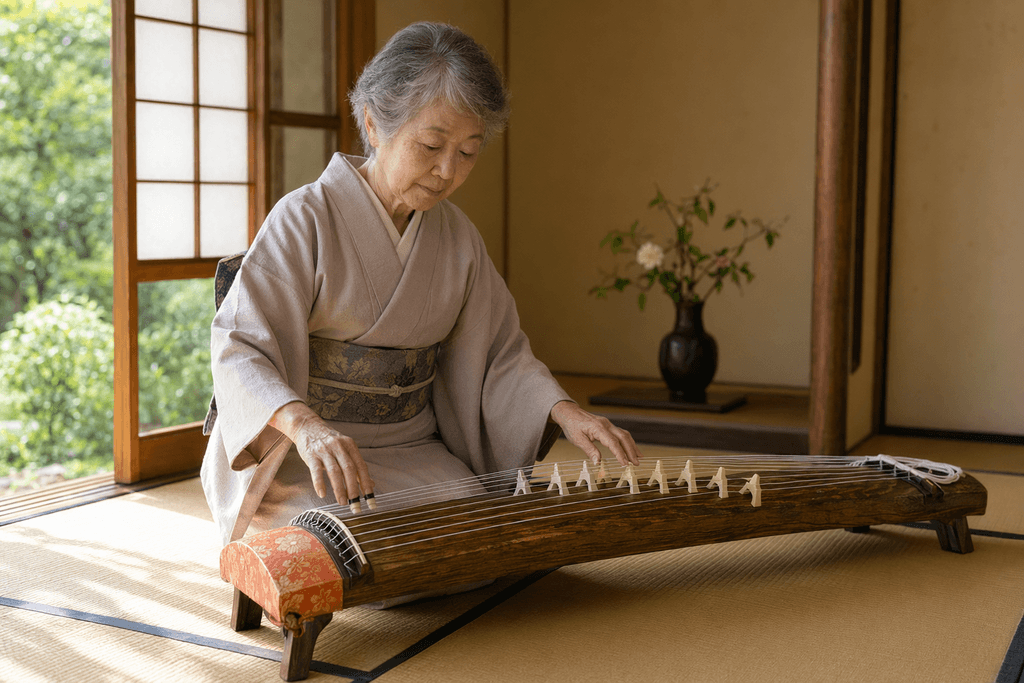
( romanization )
( hiragana )
小指
little finger
小指
little finger
Explanation
小指
little finger
小指
a little finger

( Base form )
( romanization )
( hiragana )
和服
traditional Japanese clothes
和服
traditional Japanese clothes
Explanation
和服
traditional Japanese clothes
和服
Japanese clothes; a kimono

( Base form )
( romanization )
( hiragana )
激増
sharp increase
激増
sharp increase
Explanation
激増
sharp increase
激増
sudden increase

( Base form )
( romanization )
( hiragana )
馴れる
become tame
馴れる
become tame
Explanation
馴れる
become tame
馴れる
to get familiar / to get accustomed / to be tamed; to be domesticated

Word Forms
The basic and commonly used forms of this verb.
Basic forms
| Form | Word form | Usage |
|---|---|---|
| Imperfective form (mizenkei) |
Alternative:
慣れ
なれ
|
Connects to endings such as nai, reru, and seru. |
| Continuative form (renyokei) |
Alternative:
慣れ
なれ
|
Connects to endings such as masu, tai, and ta. |
| Conclusive form (shushikei) |
Alternative:
慣れる
なれる
|
Ends a sentence and serves as the dictionary form. |
| Attributive form (rentaikei) |
Alternative:
慣れる
なれる
|
Modifies a noun. |
| Conditional form (kateikei) |
Alternative:
慣れれ
なれれ
|
Combines with ba to express a condition. |
| Imperative form (meireikei) |
Alternative:
馴れよ
慣れろ
慣れよ
なれろ
なれよ
|
Expresses a command or instruction. |
Common forms
| Form | Word form | Usage |
|---|---|---|
| Te-form |
Alternative:
慣れて
なれて
|
Connects clauses with te. |
| Ta-form |
Alternative:
慣れた
なれた
|
Expresses the past with ta. |
| Nai-form |
Alternative:
慣れない
なれない
|
Expresses negation with nai. |
| Masu-form |
Alternative:
慣れます
なれます
|
Used for polite speech. |
| Ba-form |
Alternative:
慣れれば
なれれば
|
Expresses a condition with ba. |
| Volitional form |
Alternative:
慣れよう
なれよう
|
Expresses intention or invitation. |
Notes
Loading...

JLPT N2 多言語単語帳・1790語 / JLPT N2 Multilingual Vocabulary: 1790 Words

Jonathan Waller 氏の JLPT Resources の語彙リスト・レベル分類を出典とし、CC BY の条件に従って DiQt が学習者向けに意味を作り直した1790語の単語帳です。JLPT公式の語彙リストではありません。
This collection of 1790 words is based on the vocabulary list and level classifications in Jonathan Waller’s JLPT Resources under CC BY, with meanings rewritten by DiQt for learners. It is not an official JLPT vocabulary list.
Key Operations
Select the first quiz:
Ctrl + Enter
View Explanation:Ctrl + G
Close a feedback:Esc
When selecting a quiz
Answer:Enter
Select a choice:↓ or ↑
Reading out the question:Ctrl + K
View Hint: Ctrl + M
I don't know: Ctrl + Y



