
JLPT N2 Vocabulary Meanings - Unsolved

Learn the English meanings of 1790 JLPT N2 words through questions with four answer choices.
-
deceive
-
stick into
-
be reflected / be projected
-
whisper
-
jump into
-
be taught
-
extend / postpone
-
carry on one's shoulder
-
become clear
-
eyelid
-
rust
-
whole / general
-
take care
-
cheers
-
that reminds me
-
hit against
-
fit in / put on
-
hold back
-
mix
-
get tired / wear out
-
be dented / feel down
-
island chain
-
cook / valve
-
regular closing day
-
stage / performance
-
school enrollment
-
completion / finished result
-
a matter of taste
-
gently sloping
-
miserable
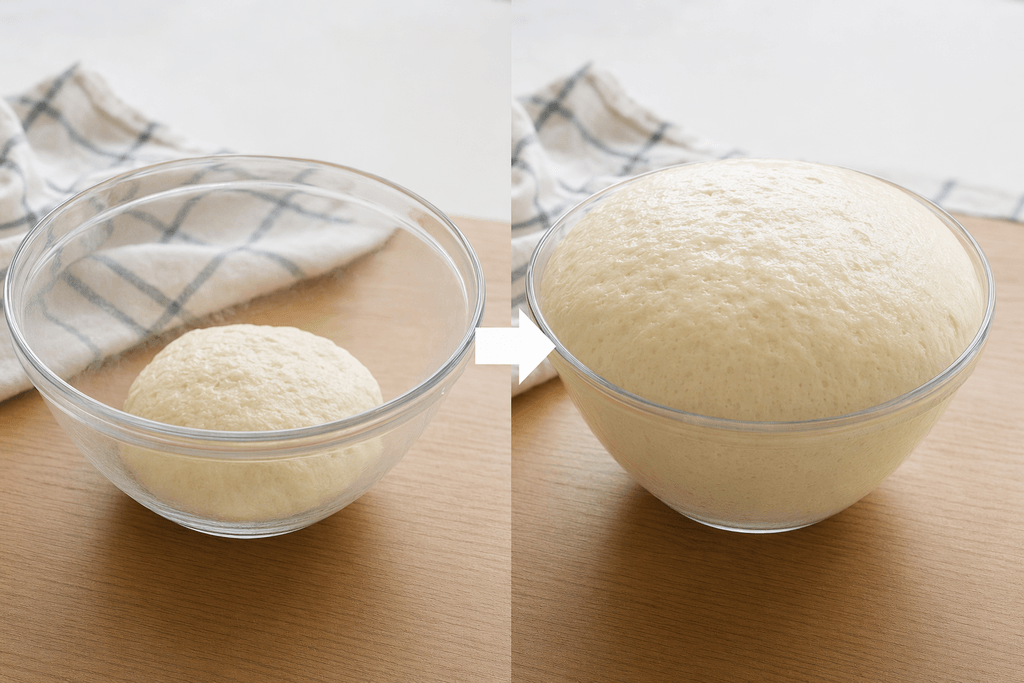
膨らむ
swell up
膨らむ
swell up
Explanation
膨らむ
swell up
膨らむ
to swell, to expand, to get bigger
Word Forms
The basic and commonly used forms of this verb.
Basic forms
| Form | Word form | Usage |
|---|---|---|
| Imperfective form (mizenkei) | Connects to endings such as nai, reru, and seru. | |
| Continuative form (renyokei) | Connects to endings such as masu, tai, and ta. | |
| Conclusive form (shushikei) | Ends a sentence and serves as the dictionary form. | |
| Attributive form (rentaikei) | Modifies a noun. | |
| Conditional form (kateikei) | Combines with ba to express a condition. | |
| Imperative form (meireikei) | Expresses a command or instruction. |
Common forms
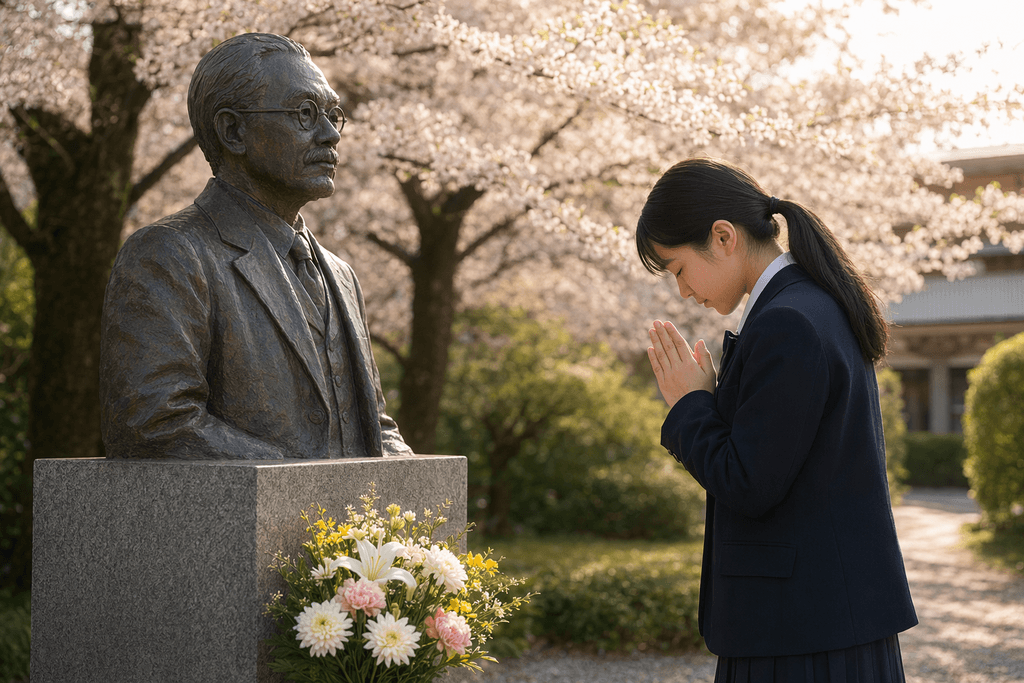
敬う
respect
敬う
respect
Explanation
敬う
respect
敬う
respect, honor, revere, venerate
Word Forms
The basic and commonly used forms of this verb.
Basic forms
| Form | Word form | Usage |
|---|---|---|
| Imperfective form (mizenkei) | Connects to endings such as nai, reru, and seru. | |
| Continuative form (renyokei) | Connects to endings such as masu, tai, and ta. | |
| Conclusive form (shushikei) | Ends a sentence and serves as the dictionary form. | |
| Attributive form (rentaikei) | Modifies a noun. | |
| Conditional form (kateikei) | Combines with ba to express a condition. | |
| Imperative form (meireikei) | Expresses a command or instruction. |
Common forms
見慣れる
get used to seeing
見慣れる
get used to seeing
Explanation
見慣れる
get used to seeing
見慣れる
to grow accustomed to a sight; to become used to seeing something

Word Forms
The basic and commonly used forms of this verb.
Basic forms
| Form | Word form | Usage |
|---|---|---|
| Imperfective form (mizenkei) | Connects to endings such as nai, reru, and seru. | |
| Continuative form (renyokei) | Connects to endings such as masu, tai, and ta. | |
| Conclusive form (shushikei) | Ends a sentence and serves as the dictionary form. | |
| Attributive form (rentaikei) | Modifies a noun. | |
| Conditional form (kateikei) | Combines with ba to express a condition. | |
| Imperative form (meireikei) |
Alternative:
見慣れよ
|
Expresses a command or instruction. |
Common forms
西暦
Common Era
西暦
Common Era
Explanation
西暦
Common Era
西暦
the western calendar / anno Domini, AD; Common Era, CE

( Base form )
( romanization )
( kyūjitai )
( hiragana )
お待ちどうさま
thanks for waiting
お待ちどうさま
thanks for waiting
Explanation
お待ちどうさま
thanks for waiting
お待ちどうさま
Thank you for waiting / Thanks for waiting / Thank you for your patience
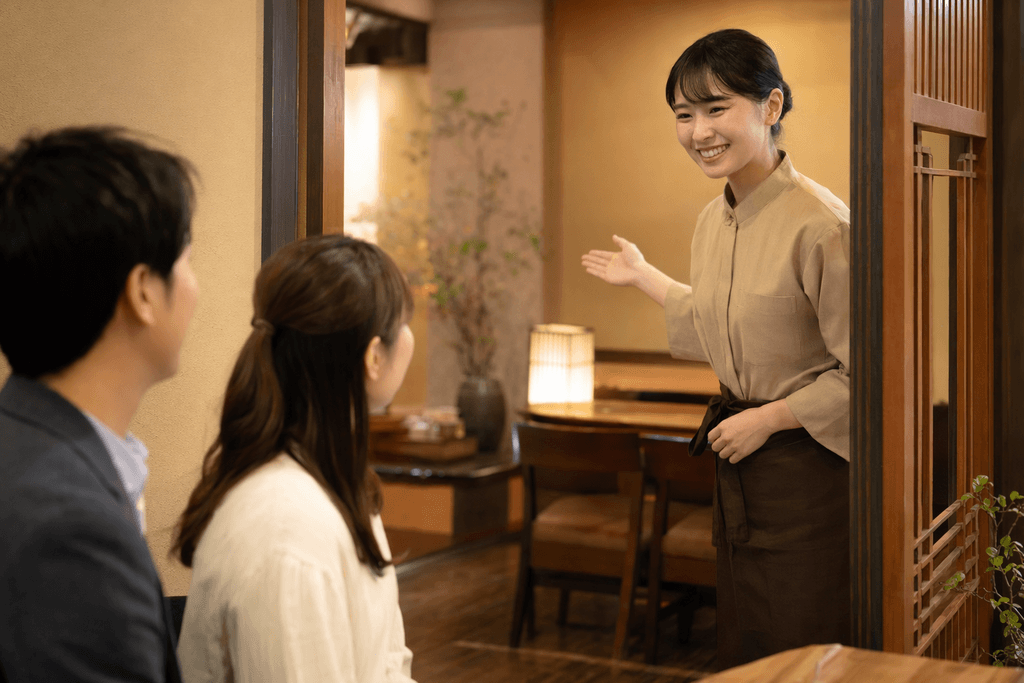
しゃぶる
suck on
しゃぶる
suck on
Explanation
suck on
しゃぶる

Word Forms
The basic and commonly used forms of this verb.
Basic forms
| Form | Word form | Usage |
|---|---|---|
| Imperfective form (mizenkei) |
Alternative:
しゃぶろ
|
Connects to endings such as nai, reru, and seru. |
| Continuative form (renyokei) |
Alternative:
しゃぶっ
|
Connects to endings such as masu, tai, and ta. |
| Conclusive form (shushikei) | Ends a sentence and serves as the dictionary form. | |
| Attributive form (rentaikei) | Modifies a noun. | |
| Conditional form (kateikei) | Combines with ba to express a condition. | |
| Imperative form (meireikei) | Expresses a command or instruction. |
Common forms
逸れる
deviate / stray
逸れる
deviate / stray
Explanation
逸れる
deviate / stray
逸れる
to deviate; to stray; to wander off

Word Forms
The basic and commonly used forms of this verb.
Basic forms
| Form | Word form | Usage |
|---|---|---|
| Imperfective form (mizenkei) | Connects to endings such as nai, reru, and seru. | |
| Continuative form (renyokei) | Connects to endings such as masu, tai, and ta. | |
| Conclusive form (shushikei) | Ends a sentence and serves as the dictionary form. | |
| Attributive form (rentaikei) | Modifies a noun. | |
| Conditional form (kateikei) | Combines with ba to express a condition. | |
| Imperative form (meireikei) |
Alternative:
逸れよ
|
Expresses a command or instruction. |
Common forms
上下
rise and fall / top and bottom
上下
rise and fall / top and bottom
Explanation
上下
rise and fall / top and bottom
上下
top and bottom; above and below; up and down / higher and lower; superior and subordinate; rank / going up and down; rise and fall / (clothing) a matching top and bottom; a set

( Base form )
( romanization )
( romanization )
( hiragana historical )
( hiragana )
正方形
square
正方形
square
Explanation
正方形
square
正方形
square (geometry) / regular quadrilateral / regular tetragon

( Base form )
( romanization )
( hiragana )
フリー
free of charge / unrestricted
フリー
free of charge / unrestricted
Explanation
free of charge / unrestricted
フリー
costing no money / unbound by promises or contracts / independent of any system / without something

Word Forms
The basic and commonly used forms of this adjectival noun.
Basic forms
| Form | Word form | Usage |
|---|---|---|
| Imperfective form (mizenkei) | Used in forms such as darou. | |
| Continuative form (renyokei) |
Alternative:
フリーに
フリーだっ
|
Used with de or ni. |
| Conclusive form (shushikei) |
Alternative:
フリーである
|
Ends a sentence with da. |
| Attributive form (rentaikei) |
Alternative:
フリーである
|
Modifies a noun with na. |
| Conditional form (kateikei) |
Alternative:
フリーであれば
|
Expresses a condition with nara. |
| Imperative form (meireikei) | Used in formal expressions such as de are. |
Common forms
Loading...

JLPT N2 多言語単語帳・1790語 / JLPT N2 Multilingual Vocabulary: 1790 Words

Jonathan Waller 氏の JLPT Resources の語彙リスト・レベル分類を出典とし、CC BY の条件に従って DiQt が学習者向けに意味を作り直した1790語の単語帳です。JLPT公式の語彙リストではありません。
This collection of 1790 words is based on the vocabulary list and level classifications in Jonathan Waller’s JLPT Resources under CC BY, with meanings rewritten by DiQt for learners. It is not an official JLPT vocabulary list.
Key Operations
Select the first quiz:
Ctrl + Enter
View Explanation:Ctrl + G
Close a feedback:Esc
When selecting a quiz
Answer:Enter
Select a choice:↓ or ↑
Reading out the question:Ctrl + K
View Hint: Ctrl + M
I don't know: Ctrl + Y



