
JLPT N4 शब्दार्थ अभ्यास - Unsolved

चार विकल्प भएका प्रश्नबाट JLPT N4 का 631 शब्दका अर्थ नेपालीमा सिक्नुहोस्।
-
प्रकार / शैली
-
नागरिक
-
कोमल
-
रोक्नु
-
माफी माग्नु
-
छक्क पर्नु
-
बाफबाट चल्ने रेल
-
टाउकोको कपाल
-
छोरी / युवती
-
हवाई मैदान
-
पञ्जा
-
क्यास रजिस्टर
-
निर्णय गर्नु
-
वास्ता गर्नु / चासो राख्नु
-
टिप्नु
-
बिल्कुलै होइन
-
धेरै हदसम्म
-
बलियोसँग / स्थिर रूपमा
-
सम्झनु
-
लिन जानु / स्वागत गर्नु
-
जाँच गर्नु
-
छोरी
-
पार्किङ स्थल
-
पौडिने तरिका
-
भीड हुनु
-
बिगार्नु
-
उम्लनु / उत्तेजित हुनु
-
उम्लनु / उत्तेजित हुनु
-
फ्याँक्नु
-
सोच्नु / महसुस गर्नु
すみ
कुना
すみ
कुना
Explanation
कुना
すみ
कुना / एकान्त कुना

( romanization )
( hiragana historical )
聞こえる
सुनिनु
聞こえる
सुनिनु
Explanation
聞こえる
सुनिनु
聞こえる
सुन्निनु / जस्तो सुनिनु / चर्चित हुनु

Word Forms
The basic and commonly used forms of this verb.
Basic forms
| Form | Word form | Usage |
|---|---|---|
| Imperfective form (mizenkei) | Connects to endings such as nai, reru, and seru. | |
| Continuative form (renyokei) | Connects to endings such as masu, tai, and ta. | |
| Conclusive form (shushikei) | Ends a sentence and serves as the dictionary form. | |
| Attributive form (rentaikei) | Modifies a noun. | |
| Conditional form (kateikei) | Combines with ba to express a condition. | |
| Imperative form (meireikei) |
Alternative:
聞こえよ
|
Expresses a command or instruction. |
Common forms
ステレオ
स्टेरियो
ステレオ
स्टेरियो
Explanation
स्टेरियो
ステレオ
दुई च्यानलबाट आउने स्थानिक ध्वनि / संगीत सुन्ने अडियो प्रणाली (स्टेरियो सेट)

( romanization )
習慣
बानी / चलन
習慣
बानी / चलन
Explanation
習慣
बानी / चलन
習慣
बानी / चलन / रूढि

( Base form )
( romanization )
( romanization )
( hiragana historical )
( hiragana )
残る
बाँकी रहनु
残る
बाँकी रहनु
Explanation
残る
बाँकी रहनु
残る
बाँकी रहनु / अवशिष्ट रहनु

Word Forms
The basic and commonly used forms of this verb.
Basic forms
| Form | Word form | Usage |
|---|---|---|
| Imperfective form (mizenkei) |
Alternative:
残ろ
|
Connects to endings such as nai, reru, and seru. |
| Continuative form (renyokei) | Connects to endings such as masu, tai, and ta. | |
| Conclusive form (shushikei) | Ends a sentence and serves as the dictionary form. | |
| Attributive form (rentaikei) | Modifies a noun. | |
| Conditional form (kateikei) | Combines with ba to express a condition. | |
| Imperative form (meireikei) | Expresses a command or instruction. |
Common forms
どんどん
झन् झन्
どんどん
झन् झन्
Explanation
झन् झन्
どんどん
लगातार, एकपछि अर्को गर्दै, छिटोछिटो / ढमाढम, धडामधडाम

( Base form )
( Base form )
( romanization )
( hiragana historical )
泣く
रुनु
泣く
रुनु
Explanation
泣く
रुनु
泣く
रुनु / आँसु बगाउनु / विलाप गर्नु

Word Forms
The basic and commonly used forms of this verb.
Basic forms
| Form | Word form | Usage |
|---|---|---|
| Imperfective form (mizenkei) |
Alternative:
泣こ
|
Connects to endings such as nai, reru, and seru. |
| Continuative form (renyokei) | Connects to endings such as masu, tai, and ta. | |
| Conclusive form (shushikei) | Ends a sentence and serves as the dictionary form. | |
| Attributive form (rentaikei) | Modifies a noun. | |
| Conditional form (kateikei) | Combines with ba to express a condition. | |
| Imperative form (meireikei) | Expresses a command or instruction. |
Common forms
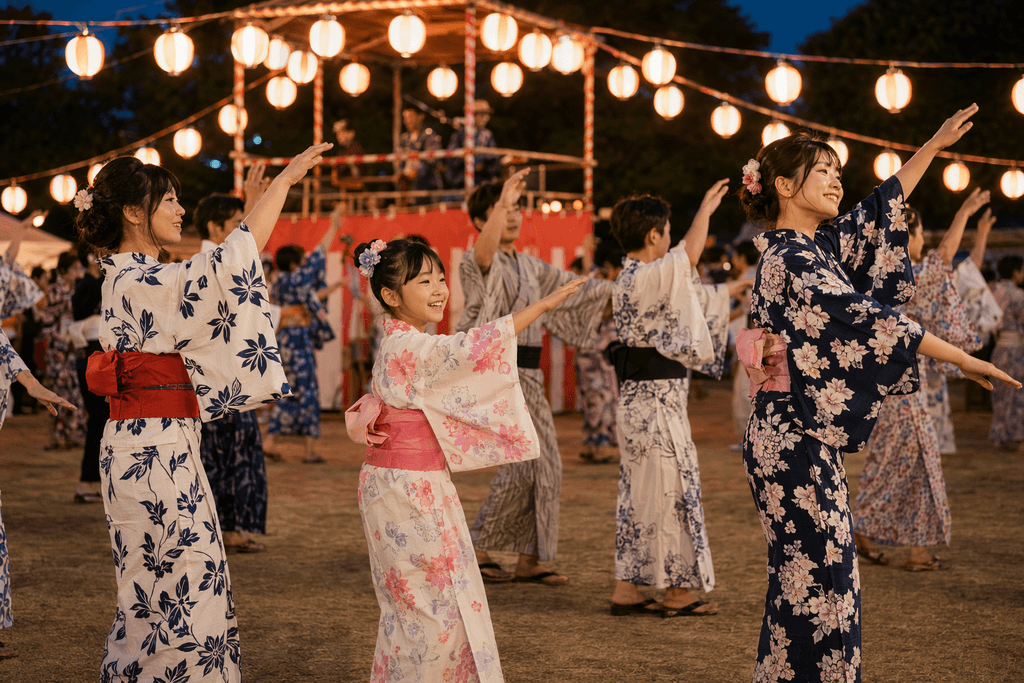
踊り
नृत्य
踊り
नृत्य
Explanation
踊り
नृत्य
踊り
नृत्य / नाच
( Base form )
( romanization )
( romanization )
( hiragana historical )
届ける
पुर्याउनु
届ける
पुर्याउनु
Explanation
届ける
पुर्याउनु
届ける
पुर्याउनु / सुपुर्द गर्नु / बुझाउनु

Word Forms
The basic and commonly used forms of this verb.
Basic forms
| Form | Word form | Usage |
|---|---|---|
| Imperfective form (mizenkei) | Connects to endings such as nai, reru, and seru. | |
| Continuative form (renyokei) | Connects to endings such as masu, tai, and ta. | |
| Conclusive form (shushikei) | Ends a sentence and serves as the dictionary form. | |
| Attributive form (rentaikei) | Modifies a noun. | |
| Conditional form (kateikei) | Combines with ba to express a condition. | |
| Imperative form (meireikei) |
Alternative:
届けよ
|
Expresses a command or instruction. |
Common forms
行う
सञ्चालन गर्नु
行う
सञ्चालन गर्नु
Explanation
行う
सञ्चालन गर्नु
行う
निष्पादन गर्नु / सञ्चालन गर्नु / आयोजना गर्नु

Word Forms
The basic and commonly used forms of this verb.
Basic forms
| Form | Word form | Usage |
|---|---|---|
| Imperfective form (mizenkei) |
Alternative:
行お
|
Connects to endings such as nai, reru, and seru. |
| Continuative form (renyokei) | Connects to endings such as masu, tai, and ta. | |
| Conclusive form (shushikei) | Ends a sentence and serves as the dictionary form. | |
| Attributive form (rentaikei) | Modifies a noun. | |
| Conditional form (kateikei) | Combines with ba to express a condition. | |
| Imperative form (meireikei) | Expresses a command or instruction. |
Common forms
Loading...

JLPT N4 多言語単語帳・631語 / JLPT N4 Multilingual Vocabulary: 631 Words

Jonathan Waller 氏の JLPT Resources の語彙リスト・レベル分類を出典とし、CC BY の条件に従って DiQt が初級向けに意味を作り直した631語の単語帳です。JLPT公式の語彙リストではありません。
This collection of 631 words is based on the vocabulary list and level classifications in Jonathan Waller’s JLPT Resources under CC BY, with meanings rewritten by DiQt for beginners. It is not an official JLPT vocabulary list.
Key Operations
Select the first quiz:
Ctrl + Enter
View Explanation:Ctrl + G
Close a feedback:Esc
When selecting a quiz
Answer:Enter
Select a choice:↓ or ↑
Reading out the question:Ctrl + K
View Hint: Ctrl + M
I don't know: Ctrl + Y



