
JLPT N4 शब्दार्थ अभ्यास - Unsolved

चार विकल्प भएका प्रश्नबाट JLPT N4 का 631 शब्दका अर्थ नेपालीमा सिक्नुहोस्।
-
टेक्नु
-
सूचना दिनु
-
ढल्नु
-
तल झार्नु / झुन्ड्याउनु
-
जित्नु
-
रमाउनु
-
भित्र
-
हाते झोला
-
अस्पतालबाट छुट्टी
-
दोब्बर / गुणा
-
सलाद
-
अन्त्य
-
बताउनु
-
गल्ती गर्नु
-
जारी रहनु
-
मसिनो / विस्तृत
-
दयालु
-
उथलो
- 別表記として「素晴しい」も用いられる。
-
बीच बाटो
-
सहरको बाहिरी भाग
-
बानी / चलन
-
लिन जानु / स्वागत गर्नु
-
खाली हुनु
-
निर्यात गर्नु
- 尊敬語として「行く・来る・いる」の意味で用いられる。
- 連用形は「ます」に続く場合、通常「いらっしゃい」を用いる。
-
खाद्य सामग्री
-
खाली ठाउँ / समयको अन्तराल
-
सिट
-
रोक्नु
-
वास्ता गर्नु / चासो राख्नु
-
माफी माग्नु
- 「する」の尊敬語。
- 連用形は「なさり」のほか、丁寧形「なさいます」や命令表現「なさい」に現れる特殊な形「なさい」を持つ。
- 命令形は現代語では「なさい」が普通で、「なされ」は古風・文語的。
足りる
पुग्नु
足りる
पुग्नु
Explanation
足りる
पुग्नु
足りる
पुग्नु / पर्याप्त हुनु / काम चल्नु

Word Forms
The basic and commonly used forms of this verb.
Basic forms
| Form | Word form | Usage |
|---|---|---|
| Imperfective form (mizenkei) | Connects to endings such as nai, reru, and seru. | |
| Continuative form (renyokei) | Connects to endings such as masu, tai, and ta. | |
| Conclusive form (shushikei) | Ends a sentence and serves as the dictionary form. | |
| Attributive form (rentaikei) | Modifies a noun. | |
| Conditional form (kateikei) | Combines with ba to express a condition. | |
| Imperative form (meireikei) |
Alternative:
足りよ
|
Expresses a command or instruction. |
Common forms
褒める
प्रशंसा गर्नु
褒める
प्रशंसा गर्नु
Explanation
褒める
प्रशंसा गर्नु
褒める
प्रशंसा गर्नु / सराहना गर्नु / स्तुति गर्नु

Word Forms
The basic and commonly used forms of this verb.
Basic forms
| Form | Word form | Usage |
|---|---|---|
| Imperfective form (mizenkei) |
Alternative:
誉め
|
Connects to endings such as nai, reru, and seru. |
| Continuative form (renyokei) |
Alternative:
誉め
|
Connects to endings such as masu, tai, and ta. |
| Conclusive form (shushikei) |
Alternative:
誉める
|
Ends a sentence and serves as the dictionary form. |
| Attributive form (rentaikei) |
Alternative:
誉める
|
Modifies a noun. |
| Conditional form (kateikei) |
Alternative:
誉めれ
|
Combines with ba to express a condition. |
| Imperative form (meireikei) |
Alternative:
褒めよ
誉めろ
誉めよ
|
Expresses a command or instruction. |
Common forms
| Form | Word form | Usage |
|---|---|---|
| Te-form |
Alternative:
誉めて
|
Connects clauses with te. |
| Ta-form |
Alternative:
誉めた
|
Expresses the past with ta. |
| Nai-form |
Alternative:
誉めない
|
Expresses negation with nai. |
| Masu-form |
Alternative:
誉めます
|
Used for polite speech. |
| Ba-form |
Alternative:
誉めれば
|
Expresses a condition with ba. |
| Volitional form |
Alternative:
誉めよう
|
Expresses intention or invitation. |
駐車場
पार्किङ स्थल
駐車場
पार्किङ स्थल
Explanation
駐車場
पार्किङ स्थल
駐車場
पार्किङ स्थल / गाडी पार्क गर्ने ठाउँ / वाहन पार्किङ क्षेत्र

( Base form )
( romanization )
( hiragana )
サンダル
चप्पल
サンダル
चप्पल
Explanation
चप्पल
サンダル
चप्पल / पट्टीदार खुला जुत्ता / स्यान्डल
( romanization )
もらう
पाउनु
もらう
पाउनु
Explanation
पाउनु
もらう
प्राप्त गर्नु / पाउनु / कसैबाट लिनु

Word Forms
The basic and commonly used forms of this verb.
Basic forms
| Form | Word form | Usage |
|---|---|---|
| Imperfective form (mizenkei) |
Alternative:
貰わ
|
Connects to endings such as nai, reru, and seru. |
| Continuative form (renyokei) |
Alternative:
貰い
|
Connects to endings such as masu, tai, and ta. |
| Conclusive form (shushikei) |
Alternative:
貰う
|
Ends a sentence and serves as the dictionary form. |
| Attributive form (rentaikei) |
Alternative:
貰う
|
Modifies a noun. |
| Conditional form (kateikei) |
Alternative:
貰え
|
Combines with ba to express a condition. |
| Imperative form (meireikei) |
Alternative:
貰え
|
Expresses a command or instruction. |
Common forms
| Form | Word form | Usage |
|---|---|---|
| Te-form |
Alternative:
貰って
|
Connects clauses with te. |
| Ta-form |
Alternative:
貰った
|
Expresses the past with ta. |
| Nai-form |
Alternative:
貰わない
|
Expresses negation with nai. |
| Masu-form |
Alternative:
貰います
|
Used for polite speech. |
| Ba-form |
Alternative:
貰えば
|
Expresses a condition with ba. |
| Volitional form |
Alternative:
貰おう
|
Expresses intention or invitation. |
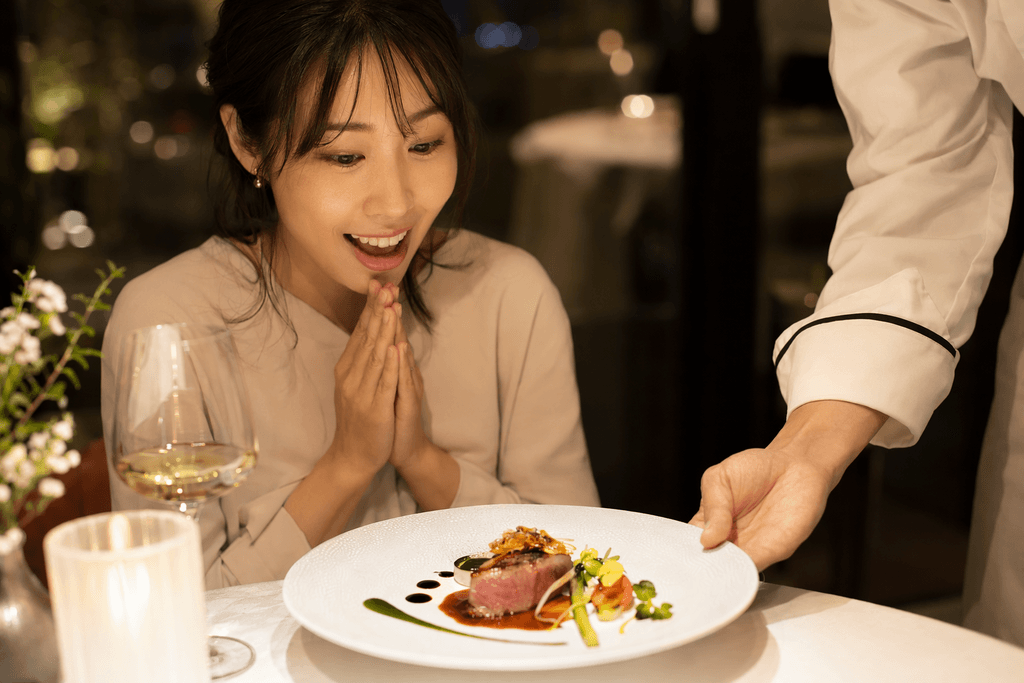
素晴らしい
अद्भुत
素晴らしい
अद्भुत
Explanation
素晴らしい
अद्भुत
素晴らしい
अद्भुत / उत्कृष्ट / भव्य
Word Forms
The basic and commonly used forms of this adjective.
Basic forms
| Form | Word form | Usage |
|---|---|---|
| Imperfective form (mizenkei) |
Alternative:
素晴しかろ
|
Used in forms such as karou; mainly literary. |
| Continuative form (renyokei) |
Alternative:
素晴らしかっ
素晴しく
素晴しかっ
|
Used in forms such as kute and kunai. |
| Conclusive form (shushikei) |
Alternative:
素晴しい
|
Ends a sentence. |
| Attributive form (rentaikei) |
Alternative:
素晴しい
|
Modifies a noun. |
| Conditional form (kateikei) |
Alternative:
素晴しけれ
|
Expresses a condition with kereba. |
| Imperative form (meireikei) |
Alternative:
素晴しかれ
|
Rarely used in modern Japanese. |
Common forms
| Form | Word form | Usage |
|---|---|---|
| Te-form |
Alternative:
素晴しくて
|
Connects clauses with kute. |
| Ta-form |
Alternative:
素晴しかった
|
Expresses the past with katta. |
| Nai-form |
Alternative:
素晴しくない
|
Expresses negation with kunai. |
| Ba-form |
Alternative:
素晴しければ
|
Expresses a condition with kereba. |
Notes
冷房
शीतलन प्रणाली
冷房
शीतलन प्रणाली
Explanation
冷房
शीतलन प्रणाली
冷房
चिसो गर्ने वातानुकूलन / कोठा चिस्याउने व्यवस्था

( Base form )
( romanization )
( stem )
( Past )
( table-tags )
( inflection-template )
( imperfective stem )
( imperfective stem )
( imperfective )
( continuative stem )
( continuative stem )
( continuative )
( stem terminative )
( stem terminative )
( terminative )
( attributive stem )
( attributive stem )
( attributive )
( hypothetical stem )
( hypothetical stem )
( hypothetical )
( Imperative literary stem )
( colloquial Imperative stem )
( Imperative literary stem )
( colloquial Imperative stem )
( Imperative literary )
( colloquial Imperative )
( Passive voice )
( Passive voice )
( Passive voice )
( causative )
( causative )
( causative )
( causative )
( causative )
( causative )
( potential )
( potential )
( potential )
( volitional )
( volitional )
( volitional )
( negative )
( negative )
( negative )
( continuative negative )
( continuative negative )
( continuative negative )
( formal )
( formal )
( formal )
( perfective )
( perfective )
( perfective )
( conjunctive )
( conjunctive )
( conjunctive )
( Conditional hypothetical )
( Conditional hypothetical )
( Conditional hypothetical )
いらっしゃる
उपस्थित हुनु / आउनु
いらっしゃる
उपस्थित हुनु / आउनु
Explanation
उपस्थित हुनु / आउनु
いらっしゃる
(आदरसूचक) जानु / (आदरसूचक) आउनु / (आदरसूचक) हुनु

Word Forms
The basic and commonly used forms of this verb.
Basic forms
| Form | Word form | Usage |
|---|---|---|
| Imperfective form (mizenkei) |
Alternative:
いらっしゃろ
|
Connects to endings such as nai, reru, and seru. |
| Continuative form (renyokei) |
Alternative:
いらっしゃり
|
Connects to endings such as masu, tai, and ta. |
| Conclusive form (shushikei) | Ends a sentence and serves as the dictionary form. | |
| Attributive form (rentaikei) | Modifies a noun. | |
| Conditional form (kateikei) | Combines with ba to express a condition. | |
| Imperative form (meireikei) |
Alternative:
いらっしゃれ
|
Expresses a command or instruction. |
Common forms
| Form | Word form | Usage |
|---|---|---|
| Te-form | Connects clauses with te. | |
| Ta-form | Expresses the past with ta. | |
| Nai-form | Expresses negation with nai. | |
| Masu-form |
Alternative:
いらっしゃります
|
Used for polite speech. |
| Ba-form | Expresses a condition with ba. | |
| Volitional form | Expresses intention or invitation. |
Notes
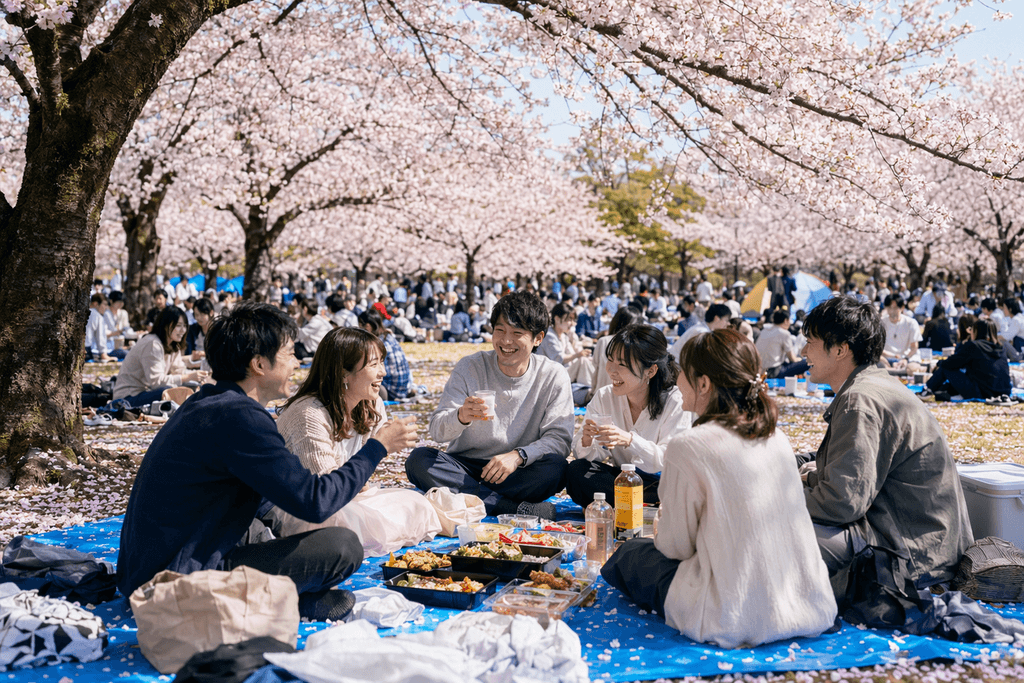
花見
साकुरा फूल अवलोकन
花見
साकुरा फूल अवलोकन
Explanation
花見
साकुरा फूल अवलोकन
花見
फूल अवलोकन / वसन्तमा चेरी (सकुरा) फुल हेर्ने पिकनिक / चेरी फुल हेर्ने सांस्कृतिक परम्परा
( Base form )
( romanization )
( hiragana )
なさる
गर्नु
なさる
गर्नु
Explanation
गर्नु
なさる
गर्नु (आदरार्थी/सम्मानजनक रूप) / आदरपूर्वक कुनै काम गर्नु

Word Forms
The basic and commonly used forms of this verb.
Basic forms
| Form | Word form | Usage |
|---|---|---|
| Imperfective form (mizenkei) |
Alternative:
為さら
なさろ
|
Connects to endings such as nai, reru, and seru. |
| Continuative form (renyokei) |
Alternative:
為さり
なさい
為さい
|
Connects to endings such as masu, tai, and ta. |
| Conclusive form (shushikei) |
Alternative:
為さる
|
Ends a sentence and serves as the dictionary form. |
| Attributive form (rentaikei) |
Alternative:
為さる
|
Modifies a noun. |
| Conditional form (kateikei) |
Alternative:
為され
|
Combines with ba to express a condition. |
| Imperative form (meireikei) |
Alternative:
為さい
なされ
為され
|
Expresses a command or instruction. |
Common forms
| Form | Word form | Usage |
|---|---|---|
| Te-form |
Alternative:
為さって
|
Connects clauses with te. |
| Ta-form |
Alternative:
為さった
|
Expresses the past with ta. |
| Nai-form |
Alternative:
為さらない
|
Expresses negation with nai. |
| Masu-form |
Alternative:
為さいます
|
Used for polite speech. |
| Ba-form |
Alternative:
為されば
|
Expresses a condition with ba. |
| Volitional form |
Alternative:
為さろう
|
Expresses intention or invitation. |
Notes
Loading...

JLPT N4 多言語単語帳・631語 / JLPT N4 Multilingual Vocabulary: 631 Words

Jonathan Waller 氏の JLPT Resources の語彙リスト・レベル分類を出典とし、CC BY の条件に従って DiQt が初級向けに意味を作り直した631語の単語帳です。JLPT公式の語彙リストではありません。
This collection of 631 words is based on the vocabulary list and level classifications in Jonathan Waller’s JLPT Resources under CC BY, with meanings rewritten by DiQt for beginners. It is not an official JLPT vocabulary list.
Key Operations
Select the first quiz:
Ctrl + Enter
View Explanation:Ctrl + G
Close a feedback:Esc
When selecting a quiz
Answer:Enter
Select a choice:↓ or ↑
Reading out the question:Ctrl + K
View Hint: Ctrl + M
I don't know: Ctrl + Y



