
JLPT N4 शब्दार्थ अभ्यास - Unsolved

चार विकल्प भएका प्रश्नबाट JLPT N4 का 631 शब्दका अर्थ नेपालीमा सिक्नुहोस्।
-
चाँडै
-
कहिल्यै पनि होइन
-
बिल्कुलै होइन
-
तरिका
-
साकुरा फूल अवलोकन
-
परामर्श
-
रेखा
-
मेरी श्रीमती
-
साहित्य
-
बच्चा
-
पेट्रोल
-
विद्यालय भर्ना
-
छोरी
-
विश्वविद्यालयका विद्यार्थी
-
हाँगा
-
सुनिनु
-
हल्लिनु / झुल्नु
-
निर्णय गर्नु
-
तल झार्नु / झुन्ड्याउनु
-
ठड्याउनु
-
जित्नु
-
झुन्ड्याउनु / फोन गर्नु
-
जानु / आउनु
-
मिलाएर राख्नु
-
डेरामा बस्नु
-
चम्कनु
-
झुन्ड्याउनु / फोन गर्नु
- 五段活用(カ行)の動詞。
-
जारी रहनु
-
जित्नु
-
हल्लिनु / झुल्नु
非常に
अत्यन्त
非常に
अत्यन्त
Explanation
非常に
अत्यन्त
非常に
अत्यन्त / अत्यधिक / निकै

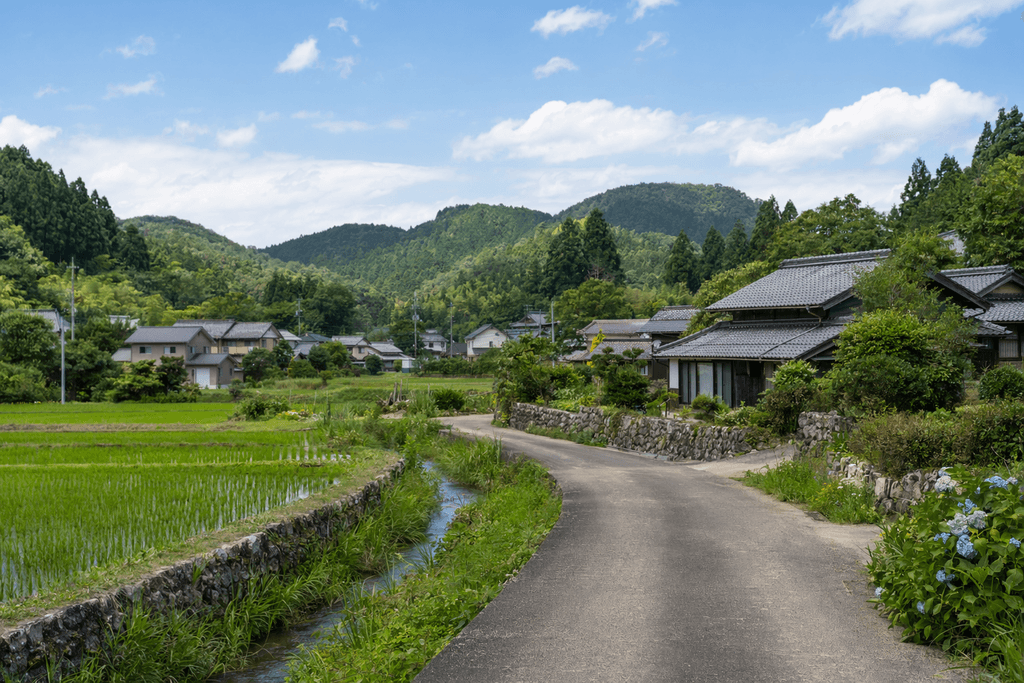
田舎
गाउँघर
田舎
गाउँघर
Explanation
田舎
गाउँघर
田舎
ग्रामीण क्षेत्र; गाउँघर / जन्मथलो वा मूलगाउँ / पछौटे प्रान्तीय ठाउँ (अपमानजनक)
( romanization )
( romanization )
( kyūjitai )
( hiragana historical )
( hiragana )
毛
शरीरको रौँ / जनावरको रौँ
毛
शरीरको रौँ / जनावरको रौँ
Explanation
毛
शरीरको रौँ / जनावरको रौँ
毛
रौँ / फर

( romanization )
( hiragana )
客
पाहुना / ग्राहक
客
पाहुना / ग्राहक
Explanation
客
पाहुना / ग्राहक
客
पाहुना; आगन्तुक / ग्राहक; क्लाइन्ट / नियमित ग्राहक

( romanization )
( hiragana )
手袋
पञ्जा
手袋
पञ्जा
Explanation
手袋
पञ्जा
手袋
दस्ताना / हाते पन्जा

( Base form )
( romanization )
( hiragana )
怒る
रिसाउनु
怒る
रिसाउनु
Explanation
怒る
रिसाउनु
怒る
रिस उठ्नु/रिसाउनु / डाँट्नु

Word Forms
The basic and commonly used forms of this verb.
Basic forms
| Form | Word form | Usage |
|---|---|---|
| Imperfective form (mizenkei) |
Alternative:
怒ろ
|
Connects to endings such as nai, reru, and seru. |
| Continuative form (renyokei) | Connects to endings such as masu, tai, and ta. | |
| Conclusive form (shushikei) | Ends a sentence and serves as the dictionary form. | |
| Attributive form (rentaikei) | Modifies a noun. | |
| Conditional form (kateikei) | Combines with ba to express a condition. | |
| Imperative form (meireikei) | Expresses a command or instruction. |
Common forms
伝える
बताउनु
伝える
बताउनु
Explanation
伝える
बताउनु
伝える
बताउनु / सूचना दिनु / सन्देश पुर्याउनु

Word Forms
The basic and commonly used forms of this verb.
Basic forms
| Form | Word form | Usage |
|---|---|---|
| Imperfective form (mizenkei) | Connects to endings such as nai, reru, and seru. | |
| Continuative form (renyokei) | Connects to endings such as masu, tai, and ta. | |
| Conclusive form (shushikei) | Ends a sentence and serves as the dictionary form. | |
| Attributive form (rentaikei) | Modifies a noun. | |
| Conditional form (kateikei) | Combines with ba to express a condition. | |
| Imperative form (meireikei) |
Alternative:
伝えよ
|
Expresses a command or instruction. |
Common forms
輸入する
आयात गर्नु
輸入する
आयात गर्नु
Explanation
輸入する
आयात गर्नु
輸入する
आयात गर्नु / विदेशबाट सामान/सेवा ल्याउनु

Word Forms
The basic and commonly used forms of this verb.
Basic forms
| Form | Word form | Usage |
|---|---|---|
| Imperfective form (mizenkei) |
Alternative:
輸入せ
輸入さ
|
Connects to endings such as nai, reru, and seru. |
| Continuative form (renyokei) | Connects to endings such as masu, tai, and ta. | |
| Conclusive form (shushikei) | Ends a sentence and serves as the dictionary form. | |
| Attributive form (rentaikei) | Modifies a noun. | |
| Conditional form (kateikei) | Combines with ba to express a condition. | |
| Imperative form (meireikei) |
Alternative:
輸入せよ
|
Expresses a command or instruction. |
Common forms
付く
जोडिनु
付く
जोडिनु
Explanation
付く
जोडिनु
付く
चिप्किनु/टाँसिनु; सम्पर्कमा पर्नु / थपिनु/सामेल हुनु; साथमा आउनु / अन्तर्गत/सम्बद्ध हुनु; अधीनमा लाग्नु; पक्ष लिनु

Word Forms
The basic and commonly used forms of this verb.
Basic forms
| Form | Word form | Usage |
|---|---|---|
| Imperfective form (mizenkei) |
Alternative:
付こ
|
Connects to endings such as nai, reru, and seru. |
| Continuative form (renyokei) | Connects to endings such as masu, tai, and ta. | |
| Conclusive form (shushikei) | Ends a sentence and serves as the dictionary form. | |
| Attributive form (rentaikei) | Modifies a noun. | |
| Conditional form (kateikei) | Combines with ba to express a condition. | |
| Imperative form (meireikei) | Expresses a command or instruction. |
Common forms
| Form | Word form | Usage |
|---|---|---|
| Te-form | Connects clauses with te. | |
| Ta-form | Expresses the past with ta. | |
| Nai-form | Expresses negation with nai. | |
| Masu-form | Used for polite speech. | |
| Ba-form | Expresses a condition with ba. | |
| Volitional form | Expresses intention or invitation. |
Notes
止む
रोकिनु
止む
रोकिनु
Explanation
止む
रोकिनु
止む
रोकिनु / बन्द हुनु / अन्त्य हुनु

Word Forms
The basic and commonly used forms of this verb.
Basic forms
| Form | Word form | Usage |
|---|---|---|
| Imperfective form (mizenkei) |
Alternative:
止も
|
Connects to endings such as nai, reru, and seru. |
| Continuative form (renyokei) | Connects to endings such as masu, tai, and ta. | |
| Conclusive form (shushikei) | Ends a sentence and serves as the dictionary form. | |
| Attributive form (rentaikei) | Modifies a noun. | |
| Conditional form (kateikei) | Combines with ba to express a condition. | |
| Imperative form (meireikei) | Expresses a command or instruction. |
Common forms
Loading...

JLPT N4 多言語単語帳・631語 / JLPT N4 Multilingual Vocabulary: 631 Words

Jonathan Waller 氏の JLPT Resources の語彙リスト・レベル分類を出典とし、CC BY の条件に従って DiQt が初級向けに意味を作り直した631語の単語帳です。JLPT公式の語彙リストではありません。
This collection of 631 words is based on the vocabulary list and level classifications in Jonathan Waller’s JLPT Resources under CC BY, with meanings rewritten by DiQt for beginners. It is not an official JLPT vocabulary list.
Key Operations
Select the first quiz:
Ctrl + Enter
View Explanation:Ctrl + G
Close a feedback:Esc
When selecting a quiz
Answer:Enter
Select a choice:↓ or ↑
Reading out the question:Ctrl + K
View Hint: Ctrl + M
I don't know: Ctrl + Y



