
JLPT N1: Trắc nghiệm nghĩa từ - Unsolved

Học nghĩa tiếng Việt của 3032 từ JLPT N1 qua các câu hỏi có bốn lựa chọn.
-
sự đầu tư
-
dãy nhà / đồng loạt
-
cáng
-
hạ xuống / rút lại
-
tàn phá / lục lọi
-
tuyển mộ / ngày càng mạnh
-
bẩm sinh
-
khó khăn lắm mới
-
toàn tâm toàn ý
-
bốc thăm
-
sự quyên tặng
-
sự nhầm lẫn
-
ném ra / bỏ dở
-
héo quắt
-
nhập hàng
-
hoa sen
-
sự tiến triển
-
việc thực hành
-
tế bào
-
phương sách
-
tháp
-
chê bai
-
làm cứng / củng cố
-
quyết định / ấn định
- 「図る」はラ行五段活用の動詞。
-
giãn nở
-
vẻ đẹp
-
hướng dẫn viên
-
tất
-
cung điện
-
nền tảng sâu xa
襟
cổ áo
襟
cổ áo
Explanation
襟
cổ áo
襟
cổ áo; ve áo / gáy (phần sau của cổ)

( romanization )
( hiragana )
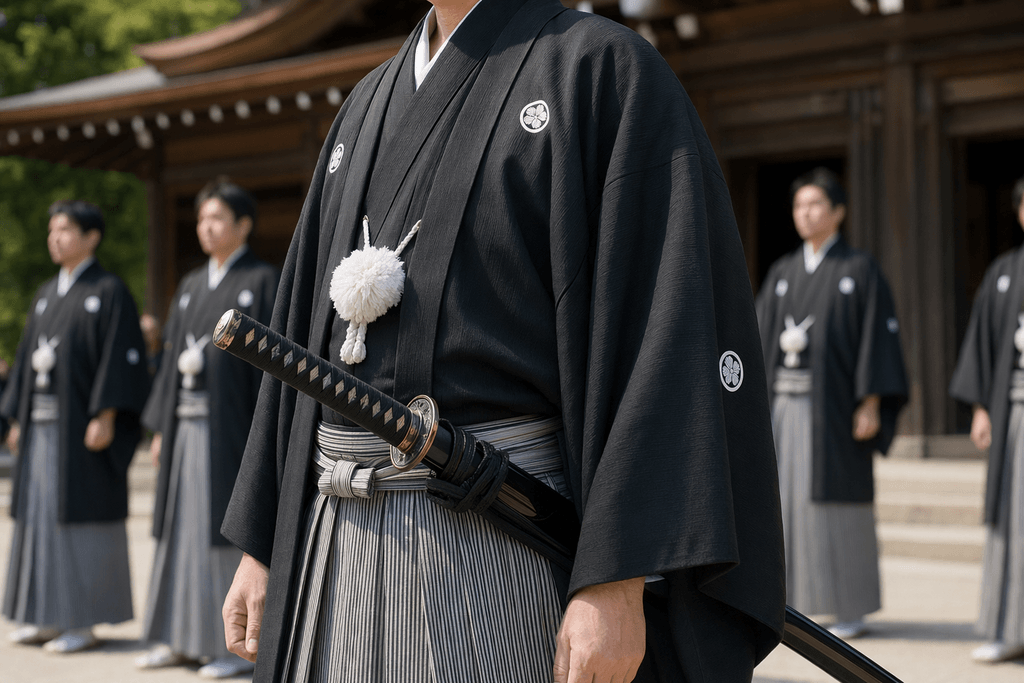
帯びる
mang theo / phảng phất
帯びる
mang theo / phảng phất
Explanation
帯びる
mang theo / phảng phất
帯びる
đeo, mang (kiếm, đồ trang sức, v.v.) / mang theo; được giao phó/đảm nhiệm (nhiệm vụ) / mang/nhuốm chút (màu sắc, tính chất, cảm xúc); phảng phất
Word Forms
The basic and commonly used forms of this verb.
Basic forms
| Form | Word form | Usage |
|---|---|---|
| Imperfective form (mizenkei) | Connects to endings such as nai, reru, and seru. | |
| Continuative form (renyokei) | Connects to endings such as masu, tai, and ta. | |
| Conclusive form (shushikei) | Ends a sentence and serves as the dictionary form. | |
| Attributive form (rentaikei) | Modifies a noun. | |
| Conditional form (kateikei) | Combines with ba to express a condition. | |
| Imperative form (meireikei) |
Alternative:
帯びよ
|
Expresses a command or instruction. |
Common forms
通常
thông thường
通常
thông thường
Explanation
通常
thông thường
通常
thông thường / thường / nói chung

( Base form )
( romanization )
( romanization )
( hiragana historical )
( hiragana )
廃棄
sự vứt bỏ
廃棄
sự vứt bỏ
Explanation
廃棄
sự vứt bỏ
廃棄
sự vứt bỏ / sự tiêu hủy / sự hủy bỏ
Khi vứt bỏ thiết bị y tế lỗi thời, người ta phải tuân thủ nghiêm ngặt các quy định của pháp luật liên quan đến xử lý chất thải lây nhiễm.

( Base form )
( romanization )
( kyūjitai )
( hiragana )
整える
chỉnh đốn
整える
chỉnh đốn
Explanation
整える
chỉnh đốn
整える
sắp xếp, tổ chức / chuẩn bị, thiết lập / chỉnh đốn, điều chỉnh

Word Forms
The basic and commonly used forms of this verb.
Basic forms
| Form | Word form | Usage |
|---|---|---|
| Imperfective form (mizenkei) | Connects to endings such as nai, reru, and seru. | |
| Continuative form (renyokei) | Connects to endings such as masu, tai, and ta. | |
| Conclusive form (shushikei) | Ends a sentence and serves as the dictionary form. | |
| Attributive form (rentaikei) | Modifies a noun. | |
| Conditional form (kateikei) | Combines with ba to express a condition. | |
| Imperative form (meireikei) |
Alternative:
整えよ
|
Expresses a command or instruction. |
Common forms
反射
sự phản xạ / phản xạ tự nhiên
反射
sự phản xạ / phản xạ tự nhiên
Explanation
反射
sự phản xạ / phản xạ tự nhiên
反射
sự phản chiếu / dội âm / phản xạ (sinh lý)

( Base form )
( romanization )
( hiragana )
暗殺
ám sát
暗殺
ám sát
Explanation
暗殺
ám sát
暗殺
sự ám sát / hành vi giết người bí mật nhằm vào nhân vật quan trọng / giết hại bí mật vì mục đích chính trị

( Base form )
( romanization )
( hiragana )
図る
mưu tính / tìm cách
図る
mưu tính / tìm cách
Explanation
図る
mưu tính / tìm cách
図る
lên kế hoạch / nhằm (làm điều gì) / dự tính

Word Forms
The basic and commonly used forms of this verb.
Basic forms
| Form | Word form | Usage |
|---|---|---|
| Imperfective form (mizenkei) |
Alternative:
図ろ
|
Connects to endings such as nai, reru, and seru. |
| Continuative form (renyokei) | Connects to endings such as masu, tai, and ta. | |
| Conclusive form (shushikei) | Ends a sentence and serves as the dictionary form. | |
| Attributive form (rentaikei) | Modifies a noun. | |
| Conditional form (kateikei) | Combines with ba to express a condition. | |
| Imperative form (meireikei) | Expresses a command or instruction. |
Common forms
| Form | Word form | Usage |
|---|---|---|
| Te-form | Connects clauses with te. | |
| Ta-form | Expresses the past with ta. | |
| Nai-form | Expresses negation with nai. | |
| Masu-form | Used for polite speech. | |
| Ba-form | Expresses a condition with ba. | |
| Volitional form | Expresses intention or invitation. |
Notes
人情
tình người
人情
tình người
Explanation
人情
tình người
人情
tình người / lòng trắc ẩn / sự cảm thông
Ngay cả trong những tình huống có liên quan đến lợi ích, đôi khi chỉ một câu nói chạm đến tình người cũng có thể làm cho cuộc đàm phán đang bế tắc chuyển động.

( Base form )
( romanization )
( hiragana )
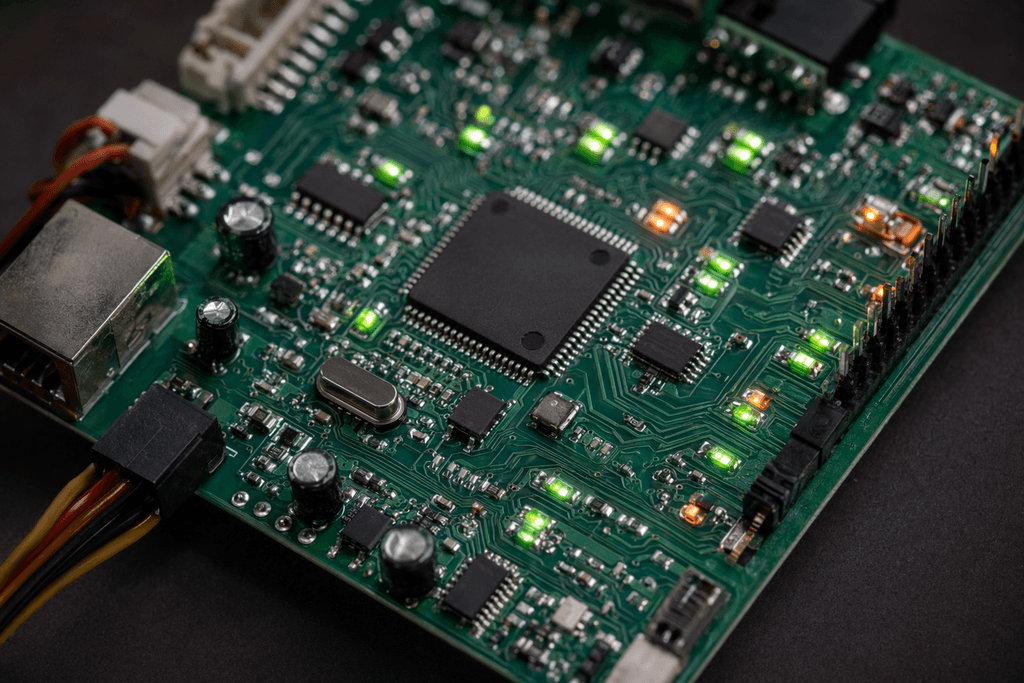
回路
mạch điện
回路
mạch điện
Explanation
回路
mạch điện
回路
mạch điện / mạch kín cho năng lượng hoặc vật chất lưu chuyển tuần hoàn
Việc liệu có thể đơn giản hóa mạch thừa mà vẫn duy trì hiệu năng hay không phụ thuộc vào triết lý thiết kế và mức độ tỉ mỉ của quy trình kiểm chứng.
( Base form )
( romanization )
( hiragana )
Loading...

JLPT N1 多言語単語帳・3032語 / JLPT N1 Multilingual Vocabulary: 3032 Words

Jonathan Waller 氏の JLPT Resources の語彙リスト・レベル分類を出典とし、CC BY の条件に従って DiQt が学習者向けに意味を作り直した3032語の単語帳です。JLPT公式の語彙リストではありません。
This collection of 3032 words is based on the vocabulary list and level classifications in Jonathan Waller’s JLPT Resources under CC BY, with meanings rewritten by DiQt for learners. It is not an official JLPT vocabulary list.
Key Operations
Select the first quiz:
Ctrl + Enter
View Explanation:Ctrl + G
Close a feedback:Esc
When selecting a quiz
Answer:Enter
Select a choice:↓ or ↑
Reading out the question:Ctrl + K
View Hint: Ctrl + M
I don't know: Ctrl + Y



