
JLPT N1: Trắc nghiệm nghĩa từ - Unsolved

Học nghĩa tiếng Việt của 3032 từ JLPT N1 qua các câu hỏi có bốn lựa chọn.
-
năng khiếu thẩm mỹ
-
lời khẳng định
-
sự tự thú
-
xâm lấn / xâm phạm
-
lấy lại
-
hoảng sợ
-
sự làm cầu nối
-
sự chấp thuận
-
sự phủ định
-
thế gian / thời đại
-
không gian
-
công dụng
-
tích hợp
-
đưa mắt nhìn nhau / tạm hoãn
-
nhộn nhịp / phồn thịnh
- 「報ずる」に対応する現代語形。
-
sự dẫn dắt / sự cảm ứng
-
cháu trai
-
mọi người
-
quần áo phơi
-
sự đa dạng
-
đơn xin
-
đạt tới / lan đến
-
nhận ra / giác ngộ
-
chấp nhận
-
thân thiện
-
quỹ đạo / đường ray
-
kẻ nói dối
-
thái độ / ý định
-
tính tự chủ
-
vi trùng
近視
cận thị
近視
cận thị
Explanation
近視
cận thị
近視
cận thị / tật cận thị
Cận thị được cho là có liên quan chặt chẽ không chỉ với yếu tố di truyền mà còn với thói quen sinh hoạt, như làm việc ở cự ly gần từ nhỏ và thiếu hoạt động ngoài trời.

( Base form )
( romanization )
( hiragana )
引っ掻く
cào
引っ掻く
cào
Explanation
引っ掻く
cào
引っ掻く
cào / gãi / làm trầy xước

Word Forms
The basic and commonly used forms of this verb.
Basic forms
| Form | Word form | Usage |
|---|---|---|
| Imperfective form (mizenkei) |
Alternative:
引っ掻こ
|
Connects to endings such as nai, reru, and seru. |
| Continuative form (renyokei) |
Alternative:
引っ掻い
|
Connects to endings such as masu, tai, and ta. |
| Conclusive form (shushikei) | Ends a sentence and serves as the dictionary form. | |
| Attributive form (rentaikei) | Modifies a noun. | |
| Conditional form (kateikei) | Combines with ba to express a condition. | |
| Imperative form (meireikei) | Expresses a command or instruction. |
Common forms
多忙
sự bận rộn
多忙
sự bận rộn
Explanation
多忙
sự bận rộn
多忙
sự bận rộn / tình trạng công việc dồn dập / áp lực công việc
Nếu một người tiếp tục trì hoãn các phê duyệt quan trọng vì khối lượng công việc quá lớn, việc ra quyết định trên toàn bộ tổ chức có thể bị trì hoãn nghiêm trọng.

( Base form )
( romanization )
( hiragana )
憧れ
niềm khao khát
憧れ
niềm khao khát
Explanation
憧れ
niềm khao khát
憧れ
niềm khao khát; ước ao / sự ngưỡng mộ; mến mộ

( Base form )
( romanization )
報じる
đưa tin
報じる
đưa tin
Explanation
報じる
đưa tin
報じる
báo cáo; đưa tin; thông báo / đền đáp; báo đáp
Để đền đáp lòng biết ơn đối với người thầy ân sư mà anh đã mang ơn sâu nặng, anh đã không tiếc mà cung cấp hết thảy kiến thức và các mối quan hệ mà mình dày công gây dựng suốt nhiều năm.

Word Forms
The basic and commonly used forms of this verb.
Basic forms
| Form | Word form | Usage |
|---|---|---|
| Imperfective form (mizenkei) | Connects to endings such as nai, reru, and seru. | |
| Continuative form (renyokei) | Connects to endings such as masu, tai, and ta. | |
| Conclusive form (shushikei) | Ends a sentence and serves as the dictionary form. | |
| Attributive form (rentaikei) | Modifies a noun. | |
| Conditional form (kateikei) | Combines with ba to express a condition. | |
| Imperative form (meireikei) |
Alternative:
報じよ
|
Expresses a command or instruction. |
Common forms
| Form | Word form | Usage |
|---|---|---|
| Te-form | Connects clauses with te. | |
| Ta-form | Expresses the past with ta. | |
| Nai-form | Expresses negation with nai. | |
| Masu-form | Used for polite speech. | |
| Ba-form | Expresses a condition with ba. | |
| Volitional form | Expresses intention or invitation. |
Notes
短縮
sự rút ngắn
短縮
sự rút ngắn
Explanation
短縮
sự rút ngắn
短縮
sự rút ngắn / sự viết tắt / sự thu gọn

( Base form )
( romanization )
( hiragana )
日頃
ngày thường
日頃
ngày thường
Explanation
日頃
ngày thường
日頃
thường ngày / hằng ngày / theo thói quen

( Base form )
( romanization )
( hiragana )
誇る
tự hào về
誇る
tự hào về
Explanation
誇る
tự hào về
誇る
tự hào, hãnh diện (về) / tự hào là có; nổi tiếng là có / khoe khoang (về)

Word Forms
The basic and commonly used forms of this verb.
Basic forms
| Form | Word form | Usage |
|---|---|---|
| Imperfective form (mizenkei) | Connects to endings such as nai, reru, and seru. | |
| Continuative form (renyokei) | Connects to endings such as masu, tai, and ta. | |
| Conclusive form (shushikei) | Ends a sentence and serves as the dictionary form. | |
| Attributive form (rentaikei) | Modifies a noun. | |
| Conditional form (kateikei) | Combines with ba to express a condition. | |
| Imperative form (meireikei) | Expresses a command or instruction. |
Common forms
資金
vốn
資金
vốn
Explanation
資金
vốn
資金
vốn / quỹ / kinh phí

( Base form )
( romanization )
( hiragana )
お襁褓
tã
お襁褓
tã
Explanation
お襁褓
tã
お襁褓
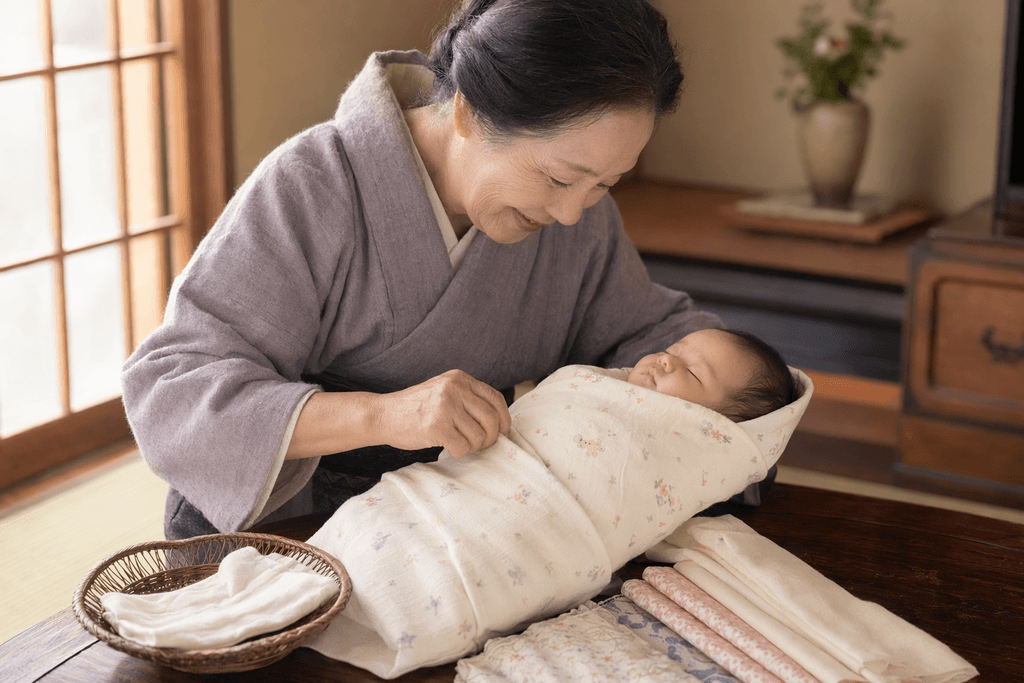
tã, bỉm cho trẻ em / khăn quấn trẻ sơ sinh
( romanization )
( hiragana )
Loading...

JLPT N1 多言語単語帳・3032語 / JLPT N1 Multilingual Vocabulary: 3032 Words

Jonathan Waller 氏の JLPT Resources の語彙リスト・レベル分類を出典とし、CC BY の条件に従って DiQt が学習者向けに意味を作り直した3032語の単語帳です。JLPT公式の語彙リストではありません。
This collection of 3032 words is based on the vocabulary list and level classifications in Jonathan Waller’s JLPT Resources under CC BY, with meanings rewritten by DiQt for learners. It is not an official JLPT vocabulary list.
Key Operations
Select the first quiz:
Ctrl + Enter
View Explanation:Ctrl + G
Close a feedback:Esc
When selecting a quiz
Answer:Enter
Select a choice:↓ or ↑
Reading out the question:Ctrl + K
View Hint: Ctrl + M
I don't know: Ctrl + Y



