
JLPT N1: Trắc nghiệm nghĩa từ - Unsolved

Học nghĩa tiếng Việt của 3032 từ JLPT N1 qua các câu hỏi có bốn lựa chọn.
-
nhóm người
-
sự tham khảo
-
nguyên văn
-
sự sưu tập
-
nhiệm vụ / vấn đề
-
phổi
-
tàu cá
-
xe thuê
-
gai / dằm
-
quyết định / ấn định
-
ban ơn
-
ghé qua
-
cố ép
-
tự nhiên
-
dễ dàng / thanh đạm
-
đồ chơi
-
dung dịch
-
nước tiểu
-
mộc mạc / ngây thơ
-
khô / không nặng tình cảm
-
bất công
- 「疎か」はナ形容詞(形容動詞)として活用する。
- 命令形「疎かであれ」は形式的・稀な形。
-
địa hình
-
thường dân
-
sự phụ thuộc
-
sự thành lập tổ chức
-
tượng / hình ảnh
-
tuổi nghỉ hưu
-
luôn luôn
-
đặc biệt là
-
chuyên
源
nguồn cội
源
nguồn cội
Explanation
源
nguồn cội
源
đầu nguồn (sông) / nguồn gốc / cội nguồn

( romanization )
( hiragana )
対応
việc ứng phó / sự tương ứng
対応
việc ứng phó / sự tương ứng
Explanation
対応
việc ứng phó / sự tương ứng
対応
sự tương ứng; phù hợp / (tin học) khả năng tương thích / sự xử lý; ứng phó

( Base form )
( romanization )
( kyūjitai )
( hiragana )
同居
sự sống chung
同居
sự sống chung
Explanation
同居
sự sống chung
同居
sự sống chung (cùng ở một nhà) / đồng cư / ở chung nhà

( Base form )
( romanization )
( hiragana )
交える
trộn vào / giao đấu
交える
trộn vào / giao đấu
Explanation
交える
trộn vào / giao đấu
交える
Trộn, pha lẫn; xen vào / Đan chéo, giao nhau (như vũ khí) / Trao đổi lời nói; đấu súng
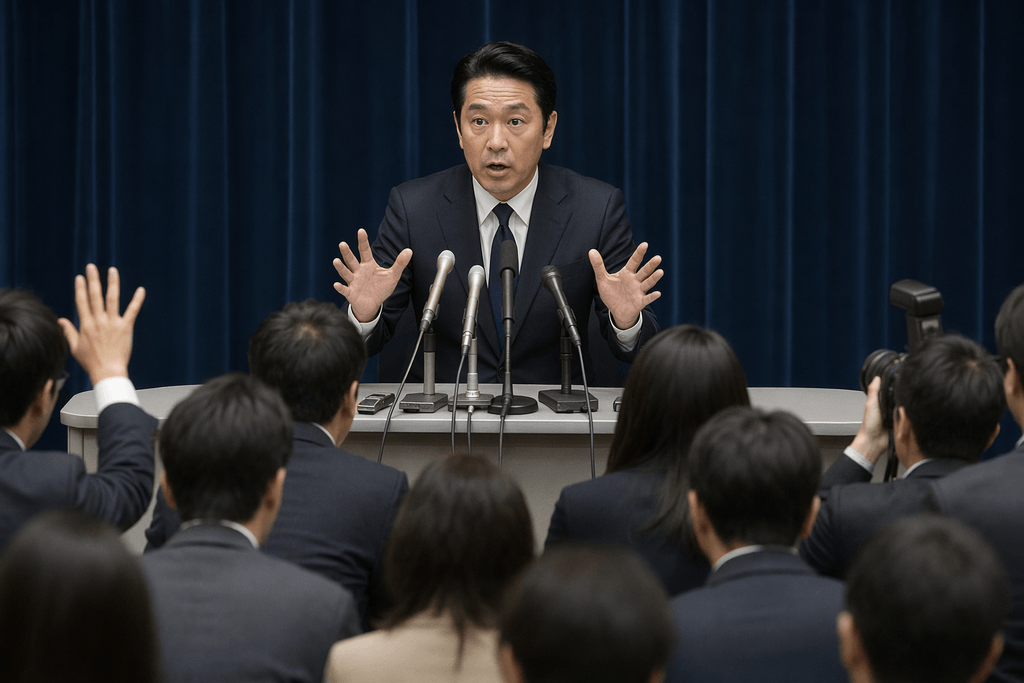
Bằng cách kết hợp không chỉ cái nhìn sâu sắc của chuyên gia mà còn cả tiếng nói thẳng thắn của những người làm việc trên thực địa, báo cáo đã tránh trở thành lý thuyết đơn thuần.

Word Forms
The basic and commonly used forms of this verb.
Basic forms
| Form | Word form | Usage |
|---|---|---|
| Imperfective form (mizenkei) | Connects to endings such as nai, reru, and seru. | |
| Continuative form (renyokei) | Connects to endings such as masu, tai, and ta. | |
| Conclusive form (shushikei) | Ends a sentence and serves as the dictionary form. | |
| Attributive form (rentaikei) | Modifies a noun. | |
| Conditional form (kateikei) | Combines with ba to express a condition. | |
| Imperative form (meireikei) |
Alternative:
交えよ
|
Expresses a command or instruction. |
Common forms
突如
đột nhiên
突如
đột nhiên
Explanation
突如
đột nhiên
突如
đột ngột / bất ngờ / đột nhiên
( Base form )
( romanization )
( adnominal )
( adverbial )
( hiragana )
( table-tags )
( inflection-template )
( imperfective stem )
( imperfective stem )
( imperfective )
( continuative stem )
( continuative stem )
( continuative )
( stem terminative )
( stem terminative )
( terminative )
( attributive stem )
( attributive stem )
( attributive )
( hypothetical stem )
( hypothetical stem )
( hypothetical )
( Imperative stem )
( Imperative stem )
( Imperative )
( informal negative )
( informal negative )
( informal negative )
( informal negative )
( informal negative )
( informal negative )
( informal Past )
( informal Past )
( informal Past )
( informal negative Past )
( informal negative Past )
( informal negative Past )
( informal negative Past )
( informal negative Past )
( informal negative Past )
( formal )
( formal )
( formal )
( formal negative )
( formal negative )
( formal negative )
( formal negative )
( formal negative )
( formal negative )
( formal Past )
( formal Past )
( formal Past )
( formal negative Past )
( formal negative Past )
( formal negative Past )
( formal negative Past )
( formal negative Past )
( formal negative Past )
( conjunctive )
( conjunctive )
( conjunctive )
( Conditional )
( Conditional )
( Conditional )
( Conditional Past )
( Conditional Past )
( Conditional Past )
( volitional )
( volitional )
( volitional )
( adverbial )
( adverbial )
( adverbial )
( noun-from-adj )
( noun-from-adj )
( noun-from-adj )
警部
thanh tra cảnh sát
警部
thanh tra cảnh sát
Explanation
警部
thanh tra cảnh sát
警部
thanh tra cảnh sát / sĩ quan cảnh sát cấp thanh tra

( Base form )
( romanization )
( hiragana )
疎か
chểnh mảng
疎か
chểnh mảng
Explanation
疎か
chểnh mảng
疎か
đừng nói đến…, ngay cả… cũng… / huống hồ; nói chi / chưa kể đến

Word Forms
The basic and commonly used forms of this adjectival noun.
Basic forms
| Form | Word form | Usage |
|---|---|---|
| Imperfective form (mizenkei) | Used in forms such as darou. | |
| Continuative form (renyokei) |
Alternative:
疎かに
疎かだっ
|
Used with de or ni. |
| Conclusive form (shushikei) | Ends a sentence with da. | |
| Attributive form (rentaikei) |
Alternative:
疎かである
|
Modifies a noun with na. |
| Conditional form (kateikei) |
Alternative:
疎かならば
|
Expresses a condition with nara. |
| Imperative form (meireikei) | Used in formal expressions such as de are. |
Common forms
| Form | Word form | Usage |
|---|---|---|
| Te-form equivalent | Connects clauses using de. | |
| Ta-form | Expresses the past with datta. | |
| Nai-form |
Alternative:
疎かじゃない
|
Expresses negation with dewa nai or ja nai. |
| Desu-form | Used for polite speech. |
Notes
メーカー
nhà sản xuất
メーカー
nhà sản xuất
Explanation
nhà sản xuất
メーカー
nhà sản xuất / hãng sản xuất / nhà chế tạo
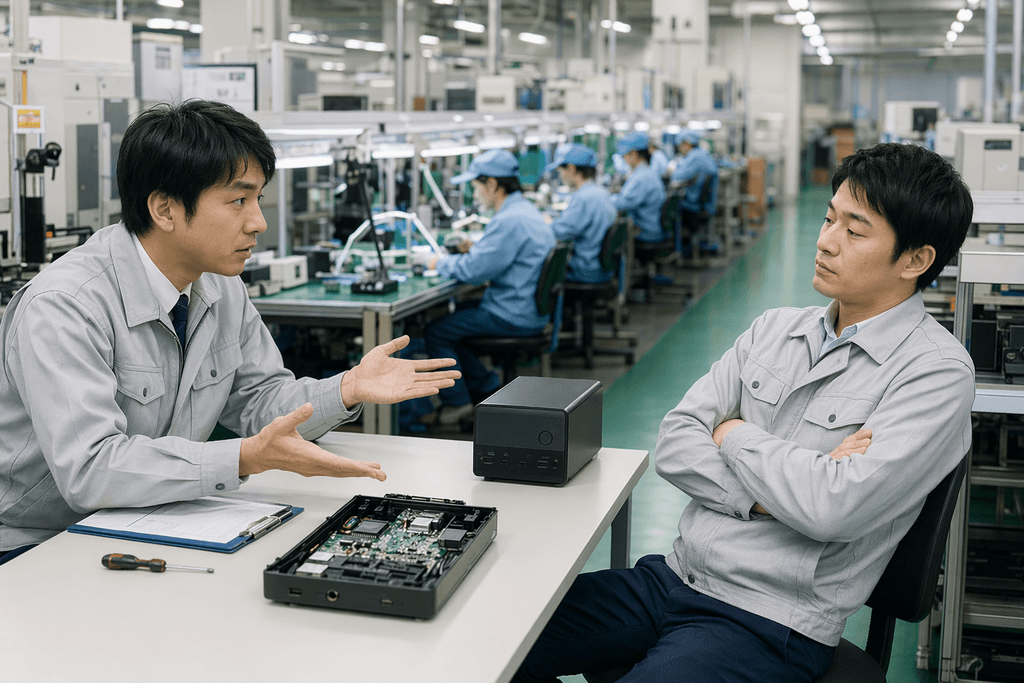
Trong khi vẫn chưa xác định được nguyên nhân của sự cố, nhà sản xuất cho rằng đó là “nằm trong phạm vi thông số kỹ thuật” và đã trì hoãn việc xử lý.
( romanization )
類推
suy luận tương tự
類推
suy luận tương tự
Explanation
類推
suy luận tương tự
類推
phép loại suy / suy luận theo tương tự / suy diễn dựa trên sự giống nhau

( Base form )
( romanization )
( hiragana )
予め
trước
予め
trước
Explanation
予め
trước
予め
trước / trước đó / từ trước

( Base form )
( romanization )
Loading...

JLPT N1 多言語単語帳・3032語 / JLPT N1 Multilingual Vocabulary: 3032 Words

Jonathan Waller 氏の JLPT Resources の語彙リスト・レベル分類を出典とし、CC BY の条件に従って DiQt が学習者向けに意味を作り直した3032語の単語帳です。JLPT公式の語彙リストではありません。
This collection of 3032 words is based on the vocabulary list and level classifications in Jonathan Waller’s JLPT Resources under CC BY, with meanings rewritten by DiQt for learners. It is not an official JLPT vocabulary list.
Key Operations
Select the first quiz:
Ctrl + Enter
View Explanation:Ctrl + G
Close a feedback:Esc
When selecting a quiz
Answer:Enter
Select a choice:↓ or ↑
Reading out the question:Ctrl + K
View Hint: Ctrl + M
I don't know: Ctrl + Y



