
JLPT N1 ဝေါဟာရအဓိပ္ပာယ် လေ့ကျင့်ခန်း - Unsolved

JLPT N1 စကားလုံး 3032 လုံး၏ မြန်မာအဓိပ္ပာယ်ကို အဖြေရွေးချယ်စရာ လေးခုပါသော မေးခွန်းများဖြင့် လေ့လာပါ။
-
ဆန်းကြယ်မှု
-
ခွင့်လွှတ်မှု
-
ဝေလငါးဖမ်းခြင်း
-
ထုတ်ပေးခြင်း
-
ပဋိပက္ခ
-
မမျှော်လင့်ထားမှု
-
ကြွယ်ဝမှု
-
အုပ်ချုပ်ရေး
-
ဓလေ့ထုံးစံ
-
နောက်
-
စုစုပေါင်းအကြိမ်ရေ
-
ဆိုးရွားသော
-
ကြိုးကိုင်သည် / မောင်းနှင်သည်
-
အကြွေးတောင်းသည် / ရာထူးတိုးပေးသည်
-
တွန်းထည့်သည်
- 標準的には下一段活用として扱う。くだけた用法では五段化した「湿気った」「湿気って」なども見られる。
-
ဝန်းရံသည်
-
အတိုင်းအတာဖြင့်ချုပ်သည် / ပြင်ဆင်သည်
-
ဖရိုဖရဲဖြစ်သည်
- 「臨む(のぞむ)」は五段活用のマ行動詞。
-
အလင်းပြန်မှု / အလိုအလျောက်တုံ့ပြန်မှု
-
ယူနီဖောင်း
-
ပြတ်သားသောဆုံးဖြတ်မှု
-
ထွက်ခွာလှုပ်ရှားမှု
-
သုံးကြိုးတပ်တူရိယာ
-
စာဖြင့်မှတ်တမ်းတင်မှု
-
ထို့ပြင်
-
ထို့နောက်
-
ထို့ကြောင့်
-
ရေကြီးမှု
-
ပေါင်းစည်းမှု
-
အရည်အချင်း
文書
စာရွက်စာတမ်း
文書
စာရွက်စာတမ်း
Explanation
文書
စာရွက်စာတမ်း
文書
စာရွက်စာတမ်း / ရေးသားထားသောမှတ်တမ်း / ပို့စာ
စာရင်းစစ်ဆေးမှု၏ ရလဒ်အနေဖြင့် သိမ်းဆည်းထားသော စာရွက်စာတမ်းများကို အတုအယောင်ပြုပြင်ထားသည်ဟု တွေ့ရှိလာပြီး၊ အမှုဆောင်အဖွဲ့အား ရှင်းလင်းပြရန် တာဝန်ယူမှုကို တင်းကျပ်စွာ မေးမြန်းခဲ့သည်။

( Base form )
( romanization )
( hiragana )
主演
အဓိကသရုပ်ဆောင်မှု
主演
အဓိကသရုပ်ဆောင်မှု
Explanation
主演
အဓိကသရုပ်ဆောင်မှု
主演
အဓိက သရုပ်ဆောင်ခြင်း / အဓိက သရုပ်ဆောင် (မင်းသား/မင်းသမီး)
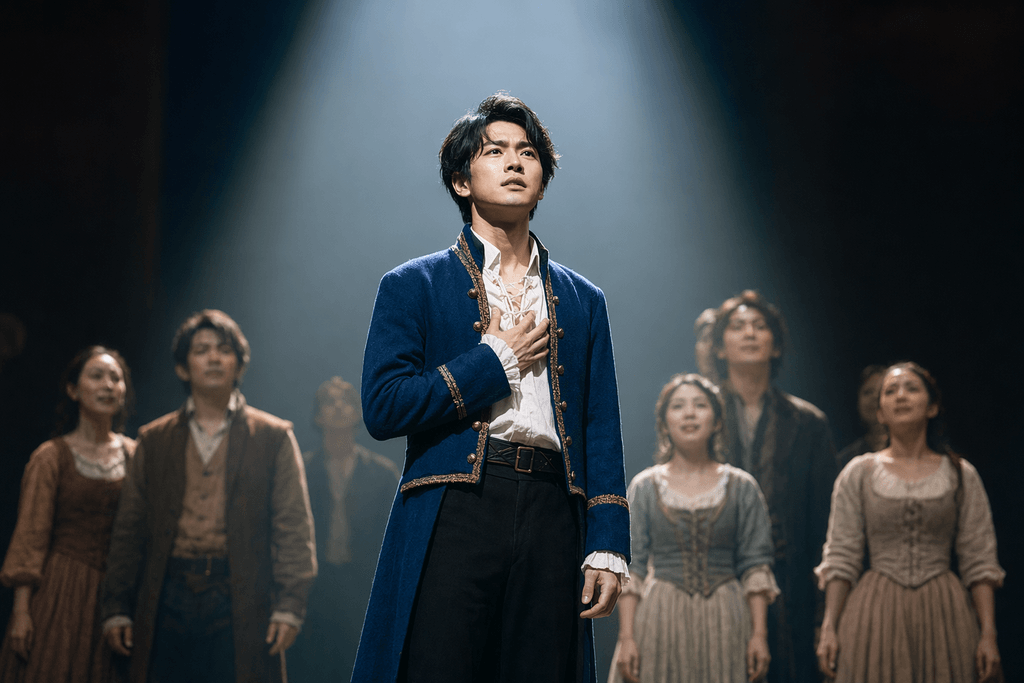
အသက်ငယ်သေးပေမယ့် 主演 အဖြစ် တာဝန်ယူခဲ့တဲ့ သူက အဲ့ဒီဖိအားကို ပြန်လှန်တန်ပြန်ကာလို့ ထင်ရအောင် ပရိသတ်ကို အံ့အားသင့်စေပြီး တစ်ခဏတည်းမှာပဲ ခေတ်ရဲ့ လူသိများသူ ဖြစ်လာခဲ့တယ်။
( Base form )
( romanization )
( hiragana )
嗜好
အကြိုက်
嗜好
အကြိုက်
Explanation
嗜好
အကြိုက်
嗜好
အကြိုက် / နှစ်သက်မှု / စိတ်နှစ်သက်ရာ

( Base form )
( romanization )
( hiragana )
ろくな
တော်သင့်သော
ろくな
တော်သင့်သော
Explanation
တော်သင့်သော
ろくな
ကောင်းကောင်းမွန်မွန် (မရှိ) / တန်တန်တန်တန်/သင့်တင့်တင့်တင့် (မရှိ) / သဘောကျလောက်အောင် (မရှိ)

湿気る
စိုထိုင်းလာသည်
湿気る
စိုထိုင်းလာသည်
Explanation
湿気る
စိုထိုင်းလာသည်
湿気る
စိုစွတ်သွားသည် / အစားအစာ စိုလို့ ခရုခရုမရှိတော့သည် / စိုကြောင့် ဝေ့လာသည်
မိုးရာသီတွင် လေလုံသောအိုးထဲထည့်ထားသည်ဟု သင်ထင်ထားသော ပင်လယ်မှော်ပင်လျှင် အစိုဓာတ်အနည်းငယ်မှတစ်ဆင့် စိမ့်ဝင်လာခြင်းကြောင့် စိုစွတ်သွားနိုင်သည်။

Word Forms
The basic and commonly used forms of this verb.
Basic forms
| Form | Word form | Usage |
|---|---|---|
| Imperfective form (mizenkei) | Connects to endings such as nai, reru, and seru. | |
| Continuative form (renyokei) | Connects to endings such as masu, tai, and ta. | |
| Conclusive form (shushikei) | Ends a sentence and serves as the dictionary form. | |
| Attributive form (rentaikei) | Modifies a noun. | |
| Conditional form (kateikei) | Combines with ba to express a condition. | |
| Imperative form (meireikei) |
Alternative:
湿気よ
|
Expresses a command or instruction. |
Common forms
| Form | Word form | Usage |
|---|---|---|
| Te-form |
Alternative:
湿気って
|
Connects clauses with te. |
| Ta-form |
Alternative:
湿気った
|
Expresses the past with ta. |
| Nai-form |
Alternative:
湿気らない
|
Expresses negation with nai. |
| Masu-form |
Alternative:
湿気ります
|
Used for polite speech. |
| Ba-form | Expresses a condition with ba. | |
| Volitional form | Expresses intention or invitation. |
Notes
臨む
မျက်နှာမူသည် / တက်ရောက်သည်
臨む
မျက်နှာမူသည် / တက်ရောက်သည်
Explanation
臨む
မျက်နှာမူသည် / တက်ရောက်သည်
臨む
(တစ်နေရာကို) မျက်နှာမူ/ရှေ့တည့်တည့်ရောက်ရှိသည် / (မြင်ကွင်းကို) ကြည့်ထွက်သည်၊ ရှုမြင်သည် / (ပင်လယ်/မြစ်/လမ်း စသည်) ကို ရင်ဆိုင်၍ တည်ရှိသည်
မြူနှင်းတွေ ပျောက်သွားတဲ့ မနက်ခင်းမှာ ချောက်ကမ်းပါးပေါ်မှာ ဆောက်လုပ်ထားတဲ့ ခရစ်ယာန်ဘုန်းကြီးကျောင်းက အပြာရောင်ပင်လယ်ကို အပေါ်စီးကနေ မြင်ရတဲ့ ခမ်းနားထည်ဝါတဲ့အသွင်အပြင်ကို တွေ့ရတယ်။

Word Forms
The basic and commonly used forms of this verb.
Basic forms
| Form | Word form | Usage |
|---|---|---|
| Imperfective form (mizenkei) |
Alternative:
臨も
|
Connects to endings such as nai, reru, and seru. |
| Continuative form (renyokei) | Connects to endings such as masu, tai, and ta. | |
| Conclusive form (shushikei) | Ends a sentence and serves as the dictionary form. | |
| Attributive form (rentaikei) | Modifies a noun. | |
| Conditional form (kateikei) | Combines with ba to express a condition. | |
| Imperative form (meireikei) | Expresses a command or instruction. |
Common forms
| Form | Word form | Usage |
|---|---|---|
| Te-form | Connects clauses with te. | |
| Ta-form | Expresses the past with ta. | |
| Nai-form | Expresses negation with nai. | |
| Masu-form | Used for polite speech. | |
| Ba-form | Expresses a condition with ba. | |
| Volitional form | Expresses intention or invitation. |
Notes
票
မဲ
票
မဲ
Explanation
票
မဲ
票
မဲ / မဲစာရွက် / မဲရေ

( romanization )
( romanization )
( hiragana historical )
( hiragana )
拘束
ချုပ်နှောင်မှု
拘束
ချုပ်နှောင်မှု
Explanation
拘束
ချုပ်နှောင်မှု
拘束
ကန့်သတ်ခြင်း / ချုပ်နှောင်ခြင်း / ချုပ်ကိုင်ခြင်း
ပရောဂျက်အသစ်မှာ တင်းကျပ်တဲ့ ဘတ်ဂျက်ကန့်သတ်ချက်တွေကို ခံထားရတဲ့အတွက်၊ သတ်မှတ်ချက်ပြောင်းလဲမှုအတွက် သေချာသတိထားပြီး သဘောတူညီချက်ကို ဖော်ဆောင်ရတာ မဖြစ်မနေလိုအပ်တယ်။

( Base form )
( romanization )
( hiragana )
並びに
နှင့်တကွ
並びに
နှင့်တကွ
Explanation
並びに
နှင့်တကွ
並びに
နှင့် / နှင့်တကွ / ထို့အပြင်

( Base form )
( romanization )
改修
ပြုပြင်မွမ်းမံမှု
改修
ပြုပြင်မွမ်းမံမှု
Explanation
改修
ပြုပြင်မွမ်းမံမှု
改修
ပြုပြင်မွမ်းမံမှု / ပြန်လည်ပြုပြင်မှု / အဆောက်အအုံပြုပြင်တိုးချဲ့မှု
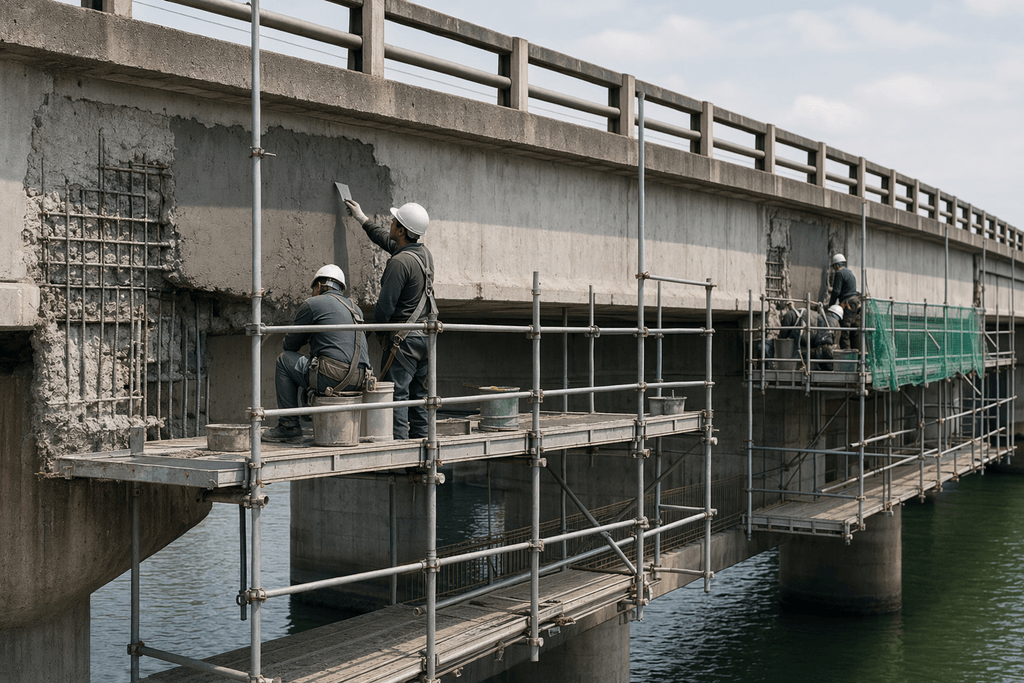
အိုမင်းပျက်စီးနေသော အခြေခံအဆောက်အအုံများကို ပြုပြင်မွမ်းမံရာတွင် ချက်ချင်းကုန်ကျစရိတ်လျှော့ချခြင်းထက် ရေရှည်လုံခြုံရေးနှင့် ယုံကြည်စိတ်ချရမှုကို ဦးစားပေးသင့်သည်။
( Base form )
( romanization )
( hiragana )
Loading...

JLPT N1 多言語単語帳・3032語 / JLPT N1 Multilingual Vocabulary: 3032 Words

Jonathan Waller 氏の JLPT Resources の語彙リスト・レベル分類を出典とし、CC BY の条件に従って DiQt が学習者向けに意味を作り直した3032語の単語帳です。JLPT公式の語彙リストではありません。
This collection of 3032 words is based on the vocabulary list and level classifications in Jonathan Waller’s JLPT Resources under CC BY, with meanings rewritten by DiQt for learners. It is not an official JLPT vocabulary list.
Key Operations
Select the first quiz:
Ctrl + Enter
View Explanation:Ctrl + G
Close a feedback:Esc
When selecting a quiz
Answer:Enter
Select a choice:↓ or ↑
Reading out the question:Ctrl + K
View Hint: Ctrl + M
I don't know: Ctrl + Y



