
JLPT N1 ဝေါဟာရအဓိပ္ပာယ် လေ့ကျင့်ခန်း - Unsolved

JLPT N1 စကားလုံး 3032 လုံး၏ မြန်မာအဓိပ္ပာယ်ကို အဖြေရွေးချယ်စရာ လေးခုပါသော မေးခွန်းများဖြင့် လေ့လာပါ။
-
ခန္ဓာခွဲစိတ်လေ့လာမှု / အလောင်းစစ်ဆေးမှု
-
အထွတ်အထိပ်အချိန်
-
အဓိပ္ပာယ်သတ်မှတ်ချက်
-
နေ့ည
-
ဝိဇ္ဇာနှင့်သိပ္ပံ
-
ရောထွေးမှားယွင်းမှု
-
ကိုယ်ဟန် / ခေတ္တရပ်နားမှု
-
စီးပွားရေးစည်ကားမှု
-
မရေရာမှု
-
စင်တင်ဖျော်ဖြေမှု
-
မောင်းတံ / အသည်း
-
မကောင်းဆိုးဝါးကောင်
-
ကြိုတင်ညှိနှိုင်းမှု
-
ဆော့စ် / ရင်းမြစ်
-
ပေါင်းစည်းမှု
-
အပြန်အလှန်ဆွေးနွေးမှု
-
ကိုယ်ထည်
-
မဲခွဲဆုံးဖြတ်ခြင်း
-
သနားကြင်နာတတ်သော
-
လျင်လျင်မြန်မြန်လုပ်သော
-
တောင့်တင်းသန်မာသော
- 「厭らしい」は「嫌らしい」「いやらしい」とも表記されます。
- 基本活用の命令形「厭らしかれ」は現代語ではまれです。
-
မနာလိုဖြစ်သည်
-
ဖြတ်တောက်သည် / ရှောင်ကြဉ်သည်
-
တိုင်ပင်သည်
-
လူကြီးလူကောင်း
-
အလုပ်ခွဲဝေမှု
-
မမြင်နိုင်ရာကွက်
-
အလွန်စွဲလမ်းသည် / တောင့်တင်းသည်
-
သရုပ်ဆောင်သည်
-
အဆုံးထိလုပ်သည်
憤慨
အလွန်မကျေမနပ်ဖြစ်မှု
憤慨
အလွန်မကျေမနပ်ဖြစ်မှု
Explanation
憤慨
အလွန်မကျေမနပ်ဖြစ်မှု
憤慨
ဒေါသထွက်မှု / စိတ်ကသဲ့ယားမှု / အသည်းအသန်မှု
ဆန္ဒပြ ပွဲ များ နေ့ တိုင်း တိုး ချဲ့ လာ သောကြောင့် အစိုးရ ၏ မ ရှင်းလင်း သော တုံ့ပြန် မှု အပေါ် ပြည်သူ များ ၏ ဒေါသ ကို လျစ်လျူရှု ရန် မ ဖြစ် နိုင် ခဲ့ ပါ ။

( Base form )
( romanization )
( hiragana )
合成
ပေါင်းစပ်ထုတ်လုပ်မှု
合成
ပေါင်းစပ်ထုတ်လုပ်မှု
Explanation
合成
ပေါင်းစပ်ထုတ်လုပ်မှု
合成
ပေါင်းစပ်ခြင်း / ပေါင်းစည်းခြင်း / ဖော်စပ်ခြင်း
ထိုစာတမ်းသည် ဂျင်း(မျိုးဗီဇ) ပေါင်းစပ်နည်းပညာက ဆေးဘက်ဆိုင်ရာတွင် ယူဆောင်လာနိုင်သည့် ဖြစ်နိုင်ချေများနှင့် ကျင့်ဝတ်ဆိုင်ရာ စိန်ခေါ်မှုများကို အထူးသဖြင့် အထူးကျင့်သုံးဥပမာများကို ဖော်ပြကာ အသေးစိတ်တိကျစွာ ဆွေးနွေးထားသည်။

( Base form )
( romanization )
( hiragana )
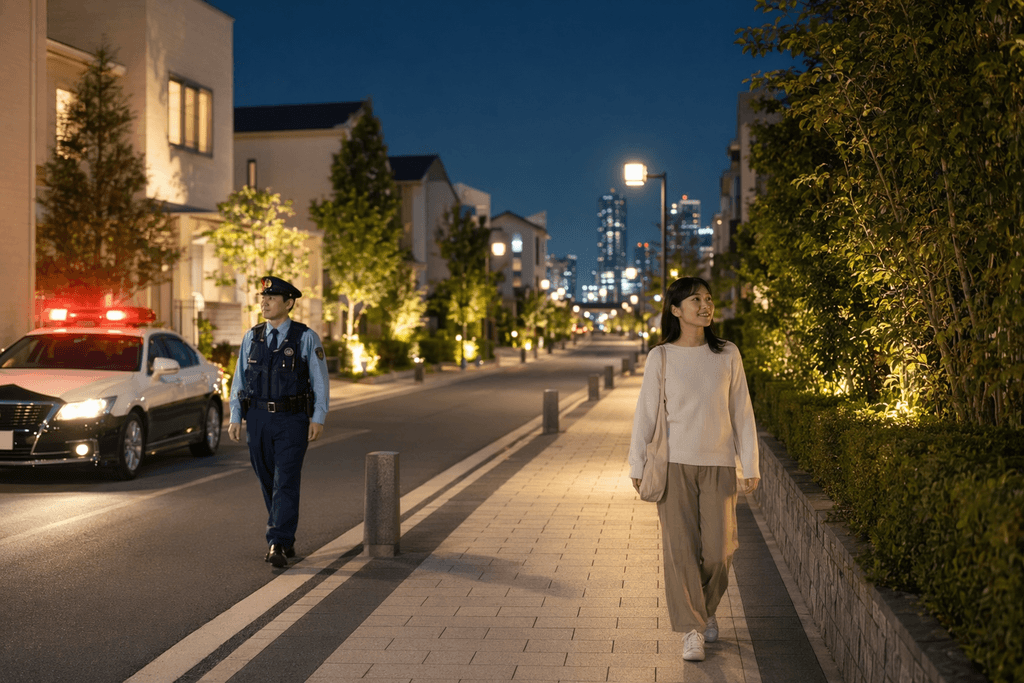
治安
ရပ်ရွာအေးချမ်းမှု
治安
ရပ်ရွာအေးချမ်းမှု
Explanation
治安
ရပ်ရွာအေးချမ်းမှု
治安
လူမှုစည်းကမ်းနှင့် အေးချမ်းသာယာမှု / ရာဇဝတ်မှု နည်း၍ လုံခြုံသော အခြေအနေ / နိုင်ငံ၏ လူထုလုံခြုံရေး အခြေအနေ
ခရီးသွားဧည့်သည်များ အလျင်အမြန်တိုးလာမှုနှင့်အတူ၊ ဒေသန္တရအာဏာပိုင်များသည် လုံခြုံရေးနှင့် စည်းကမ်းတည်ငြိမ်မှုကို ထိန်းသိမ်းခြင်းနှင့် ဒေသစီးပွားရေးကို အသက်ဝင်စေခြင်းတို့ကို မည်သို့ တစ်ပြိုင်နက်တည်း ဖြည့်ဆည်းနိုင်မည်နည်း ဟူသော ခက်ခဲသောပြဿနာကို ရင်ဆိုင်နေရသည်။
( Base form )
( romanization )
( hiragana )
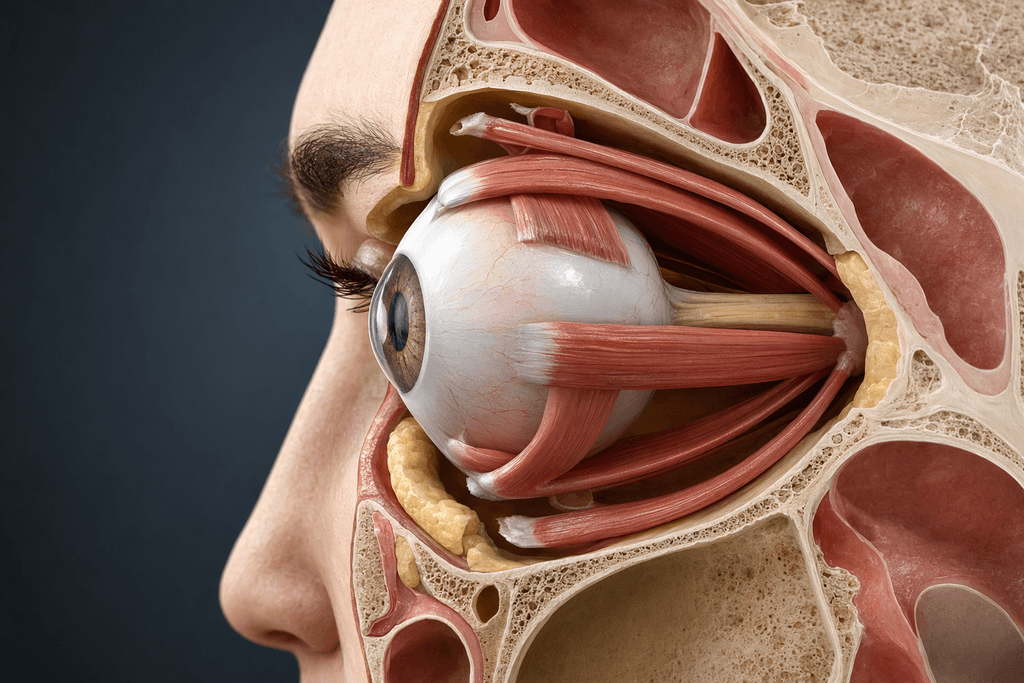
眼球
မျက်လုံး
眼球
မျက်လုံး
Explanation
眼球
မျက်လုံး
眼球
မျက်လုံး
မျက်လုံးခွံလှုပ်ရှားမှုကို မျက်လုံးအပြင်ဘက်ကြွက်သားများနှင့် ဦးနှောက်တံတားပိုင်းရှိ အာရုံကြောဆက်ကွင်းများက တိကျစွာ ထိန်းချုပ်ထားပြီး၊ ထိုလုပ်ဆောင်ချက် ပျက်ယွင်းသွားလျှင် မြင်ကွင်းနှစ်ထပ်မြင်ခြင်း (diplopia) သို့မဟုတ် မျက်လုံးတုန်ခါခြင်း (nystagmus) ပေါ်ပေါက်လာနိုင်သည်။
( Base form )
( romanization )
( hiragana )
中断
ကြားဖြတ်ရပ်နားမှု
中断
ကြားဖြတ်ရပ်နားမှု
Explanation
中断
ကြားဖြတ်ရပ်နားမှု
中断
ခေတ္တရပ်နားခြင်း / ရပ်ဆိုင်းခြင်း / အလယ်မှာရပ်တန့်ခြင်း

( Base form )
( romanization )
( hiragana )
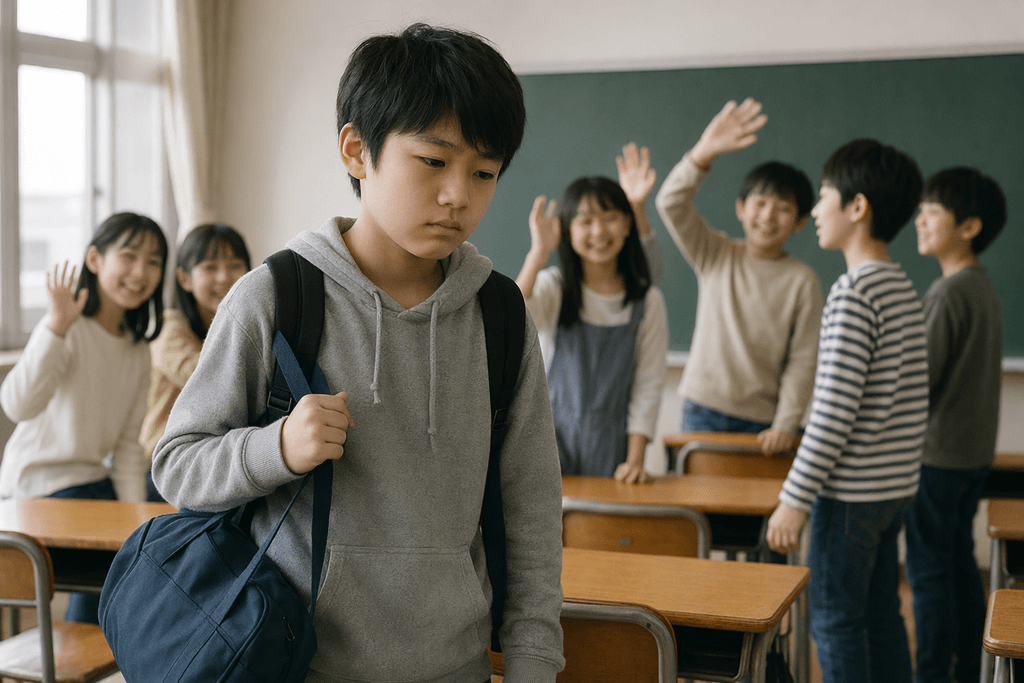
転校
ကျောင်းပြောင်းရွှေ့မှု
転校
ကျောင်းပြောင်းရွှေ့မှု
Explanation
転校
ကျောင်းပြောင်းရွှေ့မှု
転校
ကျောင်းပြောင်းခြင်း / တစ်ကျောင်းမှ အခြားကျောင်းသို့ ပြောင်းတက်ခြင်း / အခြားကျောင်းသို့ လွှဲတက်ခြင်း
( Base form )
( romanization )
( romanization )
( kyūjitai )
( hiragana historical )
( hiragana )
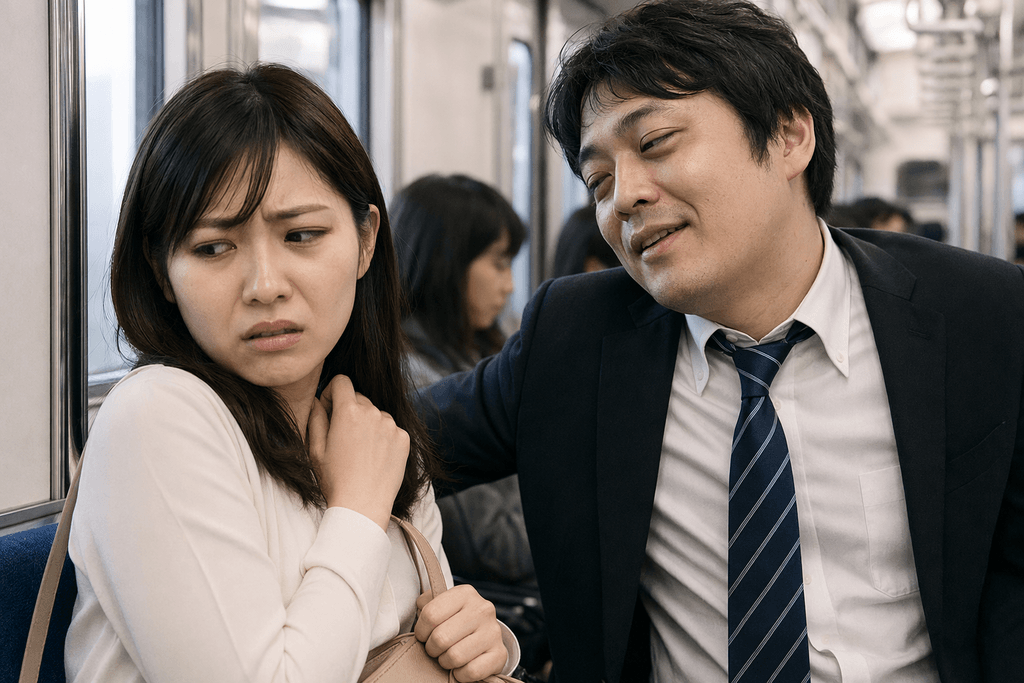
厭らしい
စက်ဆုပ်ဖွယ်ကောင်းသော / ညစ်ညမ်းသော
厭らしい
စက်ဆုပ်ဖွယ်ကောင်းသော / ညစ်ညမ်းသော
Explanation
厭らしい
စက်ဆုပ်ဖွယ်ကောင်းသော / ညစ်ညမ်းသော
厭らしい
စက်ဆုပ်စရာကောင်းသော၊ ရွံရှာဖွယ်သော / စော်ကားဖွယ်/မသင့်တော်သော (အပြောအဆို) / အညစ်အကြေးပါသော၊ လိင်ပိုင်းဆိုင်ရာ မရိုးသားသော
Word Forms
The basic and commonly used forms of this adjective.
Basic forms
| Form | Word form | Usage |
|---|---|---|
| Imperfective form (mizenkei) |
Alternative:
厭やらしかろ
嫌らしかろ
いやらしかろ
|
Used in forms such as karou; mainly literary. |
| Continuative form (renyokei) |
Alternative:
厭らしかっ
厭やらしく
厭やらしかっ
嫌らしく
嫌らしかっ
いやらしく
いやらしかっ
|
Used in forms such as kute and kunai. |
| Conclusive form (shushikei) |
Alternative:
厭やらしい
嫌らしい
いやらしい
|
Ends a sentence. |
| Attributive form (rentaikei) |
Alternative:
厭やらしい
嫌らしい
いやらしい
|
Modifies a noun. |
| Conditional form (kateikei) |
Alternative:
厭やらしけれ
嫌らしけれ
いやらしけれ
|
Expresses a condition with kereba. |
| Imperative form (meireikei) |
Alternative:
厭やらしかれ
嫌らしかれ
いやらしかれ
|
Rarely used in modern Japanese. |
Common forms
| Form | Word form | Usage |
|---|---|---|
| Te-form |
Alternative:
厭やらしくて
嫌らしくて
いやらしくて
|
Connects clauses with kute. |
| Ta-form |
Alternative:
厭やらしかった
嫌らしかった
いやらしかった
|
Expresses the past with katta. |
| Nai-form |
Alternative:
厭やらしくない
嫌らしくない
いやらしくない
|
Expresses negation with kunai. |
| Ba-form |
Alternative:
厭やらしければ
嫌らしければ
いやらしければ
|
Expresses a condition with kereba. |
Notes
苦しめる
ညှဉ်းပန်းနှိပ်စက်သည်
苦しめる
ညှဉ်းပန်းနှိပ်စက်သည်
Explanation
苦しめる
ညှဉ်းပန်းနှိပ်စက်သည်
苦しめる
နာကျင်စေသည် / နှိပ်စက်သည် / စိတ်နှောင့်ယှက်စေသည်

Word Forms
The basic and commonly used forms of this verb.
Basic forms
| Form | Word form | Usage |
|---|---|---|
| Imperfective form (mizenkei) |
Alternative:
苦しめよ
|
Connects to endings such as nai, reru, and seru. |
| Continuative form (renyokei) | Connects to endings such as masu, tai, and ta. | |
| Conclusive form (shushikei) | Ends a sentence and serves as the dictionary form. | |
| Attributive form (rentaikei) | Modifies a noun. | |
| Conditional form (kateikei) | Combines with ba to express a condition. | |
| Imperative form (meireikei) |
Alternative:
苦しめよ
|
Expresses a command or instruction. |
Common forms
歓声
ဝမ်းမြောက်အော်ဟစ်သံ
歓声
ဝမ်းမြောက်အော်ဟစ်သံ
Explanation
歓声
ဝမ်းမြောက်အော်ဟစ်သံ
歓声
အားပေးဟစ်ဟဲသံ / ဝမ်းမြောက်အော်ဟစ်သံ

( Base form )
( romanization )
( kyūjitai )
( hiragana )
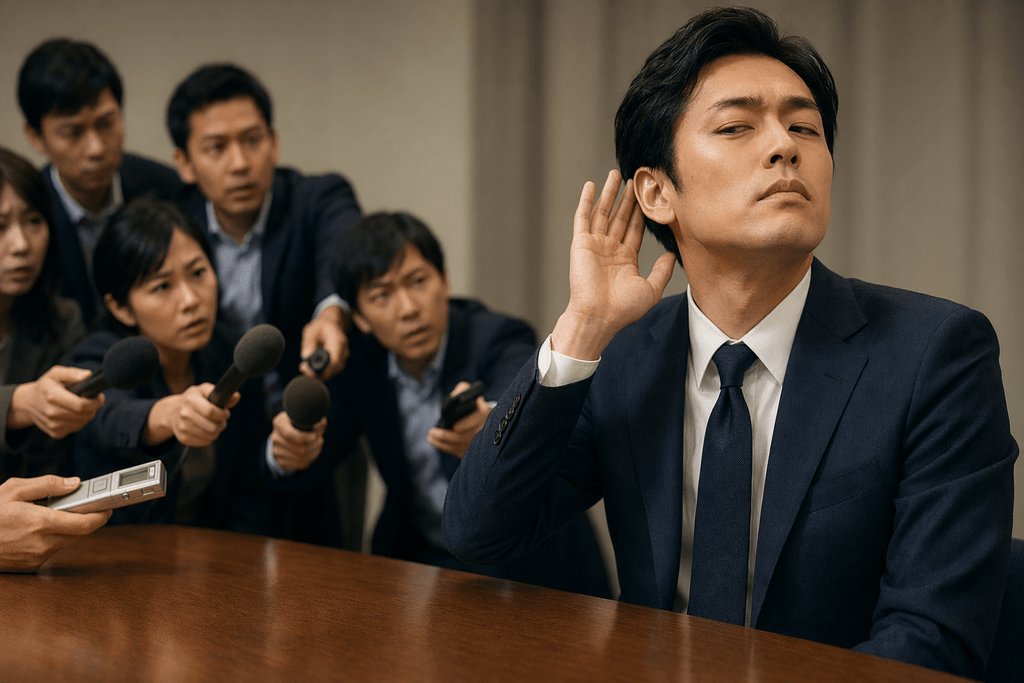
澄ます
ကြည်လင်စေသည် / တည်ငြိမ်ဟန်ဆောင်သည်
澄ます
ကြည်လင်စေသည် / တည်ငြိမ်ဟန်ဆောင်သည်
Explanation
澄ます
ကြည်လင်စေသည် / တည်ငြိမ်ဟန်ဆောင်သည်
澄ます
(ရေ/လေ စသည်) ကြည်လင်စေသည်၊ ရှင်းလင်းစေသည် / စိတ်ကို တည်ငြိမ်အောင်လုပ်သည်၊ ငြိမ်သက်စေသည် / နားစိုက်ထောင်၍ အာရုံစိုက်နားထောင်သည် / မျက်နှာပေါ်က အပြစ်ကင်းသလို ပြောင်ပြောင်တင်းတင်းနေသည်
Word Forms
The basic and commonly used forms of this verb.
Basic forms
| Form | Word form | Usage |
|---|---|---|
| Imperfective form (mizenkei) |
Alternative:
澄まそ
|
Connects to endings such as nai, reru, and seru. |
| Continuative form (renyokei) | Connects to endings such as masu, tai, and ta. | |
| Conclusive form (shushikei) | Ends a sentence and serves as the dictionary form. | |
| Attributive form (rentaikei) | Modifies a noun. | |
| Conditional form (kateikei) | Combines with ba to express a condition. | |
| Imperative form (meireikei) | Expresses a command or instruction. |
Common forms
Loading...

JLPT N1 多言語単語帳・3032語 / JLPT N1 Multilingual Vocabulary: 3032 Words

Jonathan Waller 氏の JLPT Resources の語彙リスト・レベル分類を出典とし、CC BY の条件に従って DiQt が学習者向けに意味を作り直した3032語の単語帳です。JLPT公式の語彙リストではありません。
This collection of 3032 words is based on the vocabulary list and level classifications in Jonathan Waller’s JLPT Resources under CC BY, with meanings rewritten by DiQt for learners. It is not an official JLPT vocabulary list.
Key Operations
Select the first quiz:
Ctrl + Enter
View Explanation:Ctrl + G
Close a feedback:Esc
When selecting a quiz
Answer:Enter
Select a choice:↓ or ↑
Reading out the question:Ctrl + K
View Hint: Ctrl + M
I don't know: Ctrl + Y



