
JLPT N1 ဝေါဟာရအဓိပ္ပာယ် လေ့ကျင့်ခန်း - Unsolved

JLPT N1 စကားလုံး 3032 လုံး၏ မြန်မာအဓိပ္ပာယ်ကို အဖြေရွေးချယ်စရာ လေးခုပါသော မေးခွန်းများဖြင့် လေ့လာပါ။
-
စာဖြင့်မှတ်တမ်းတင်မှု
-
ဓာတုပေါင်းစပ်မှု
-
ငွေအရင်းအနှီး
-
ရုပ်ခန္ဓာ
-
ဝန်ကြီးအဖွဲ့
-
အရသာထည့်ခြင်း / ထည့်သွင်းစဉ်းစားမှု
-
သည်းခံခွင့်လွှတ်သော
-
ပေါများသော
-
လုံ့လဝီရိယရှိသော
- 外来語の形容動詞(ナ形容詞)として扱う。
- 連体修飾では「インターナショナルな」が基本だが、名詞的に「インターナショナルの」も用いられる。
-
ရောဂါပိုးမွှား
-
အရွယ်အစား
-
ရှင်းလင်းမှု
-
လေးနက်ခန့်ညားသော
-
ဖြစ်ကတတ်ဆန်းလုပ်သော
-
စိတ်ပြောင်းလွယ်သော
-
ကိုက်ခဲသည်
-
အိပ်စေသည် / အရသာရင့်အောင်ထားသည်
-
ကြွားဝါပြသည်
- 「漏れる」の同義語として用いられる、やや古風・文語的な語。
- ラ行五段活用として処理。
-
သင့်လျော်သောစွမ်းရည်
-
သီးနှံအထွက်ကောင်းခြင်း
-
အရည်အချင်းမရှိမှု
-
ရုတ်တရက်တွေ့မိသည်
-
မာကျောစေသည် / ခိုင်မာစေသည်
-
လှမ်းခေါ်ရပ်တန့်စေသည်
- 五段活用の動詞。「舞うて」「舞うた」は古風・方言的な異形。
-
ရှေးဟောင်းသုတေသနပညာ
-
အဆိုပြုချက်လက်ခံမှု
-
မိုးကာပစ္စည်း
-
စိတ်ဒုက္ခပေးသည်
-
အဆုံးထိလုပ်သည်
-
တန်ဖိုးထားလေးစားသည်
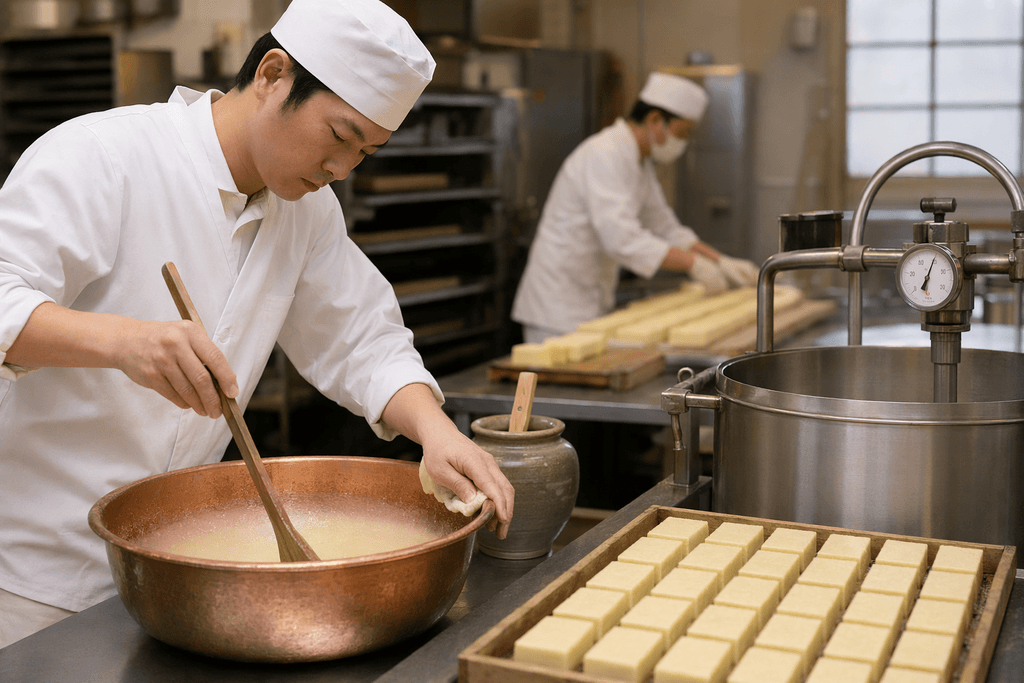
製法
ထုတ်လုပ်နည်း
製法
ထုတ်လုပ်နည်း
Explanation
製法
ထုတ်လုပ်နည်း
製法
ထုတ်လုပ်ပုံနည်း / ထုတ်လုပ်ရေးနည်းလမ်း / ထုတ်လုပ်မှုနည်းစနစ်
ဤထုတ်လုပ်နည်းလမ်းသည် ရိုးရာကို ဆက်လက်လိုက်နာထားသော်လည်း၊ အပူချိန်ကို အလွန်သေးငယ်စွာ တိကျစွာ ထိန်းချုပ်ခြင်းကြောင့် အရည်အသွေးကို ပြန်လည်ထုတ်လုပ်နိုင်မှုကို အလွန်အမင်း မြှင့်တင်ထားသည်။
( Base form )
( romanization )
( hiragana )
倍率
ချဲ့ထွင်အချိုး
倍率
ချဲ့ထွင်အချိုး
Explanation
倍率
ချဲ့ထွင်အချိုး
倍率
ချဲ့ကြည့်မှု အဆ / ချဲ့ထွင်နိုင်စွမ်း (အဆ) / ချဲ့ကြည့်ကိရိယာ၏ အဆ
အဏုကြည့်ကိရိယာ၏ ချဲ့ထွင်မှုကို တိုးမြှင့်လေ မြင်ကွင်းသည် ကျဉ်းလာလေဖြစ်ပြီး နမူနာ၏ အနည်းငယ်တုန်ခါမှုပင်လျှင် လေ့လာတွေ့ရှိချက်များကို အကျိုးသက်ရောက်နိုင်သည်။

( Base form )
( romanization )
( romanization )
( hiragana historical )
( hiragana )
インターナショナル
နိုင်ငံတကာဆိုင်ရာ
インターナショナル
နိုင်ငံတကာဆိုင်ရာ
Explanation
နိုင်ငံတကာဆိုင်ရာ
インターナショナル
အပြည်ပြည်ဆိုင်ရာ / နိုင်ငံတကာ
သူမ၏ သုတေသနသည် ဒေသဆိုင်ရာ လက္ခဏာရပ်များကို မထိခိုက်စေဘဲ နိုင်ငံတကာ အမြင်ရှုထောင့်ကို ထည့်သွင်းထားသည့်အချက်ကြောင့် မြင့်မားစွာ ချီးကျူးခံနေရသည်။

Word Forms
The basic and commonly used forms of this adjectival noun.
Basic forms
| Form | Word form | Usage |
|---|---|---|
| Imperfective form (mizenkei) |
Alternative:
インターナショナルでしょ
|
Used in forms such as darou. |
| Continuative form (renyokei) |
Alternative:
インターナショナルに
インターナショナルだっ
|
Used with de or ni. |
| Conclusive form (shushikei) | Ends a sentence with da. | |
| Attributive form (rentaikei) |
Alternative:
インターナショナルの
|
Modifies a noun with na. |
| Conditional form (kateikei) |
Alternative:
インターナショナルであれば
|
Expresses a condition with nara. |
| Imperative form (meireikei) | Used in formal expressions such as de are. |
Common forms
| Form | Word form | Usage |
|---|---|---|
| Te-form equivalent | Connects clauses using de. | |
| Ta-form |
Alternative:
インターナショナルでした
|
Expresses the past with datta. |
| Nai-form |
Alternative:
インターナショナルじゃない
|
Expresses negation with dewa nai or ja nai. |
| Desu-form | Used for polite speech. |
Notes
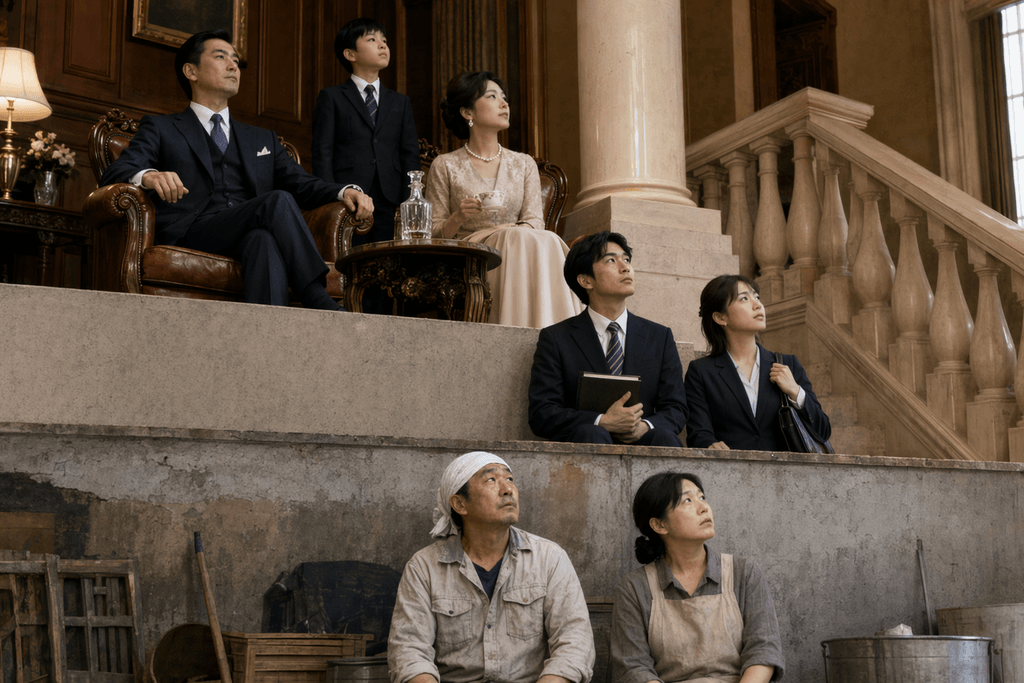
階級
လူတန်းစား / ရာထူးအဆင့်
階級
လူတန်းစား / ရာထူးအဆင့်
Explanation
階級
လူတန်းစား / ရာထူးအဆင့်
階級
အဆင့်တန်း / ရာထူးအဆင့် / လူမှုအတန်းအစား
အပြင်ပန်းအားဖြင့် စွမ်းရည်အခြေပြုစနစ်ကို ထောက်ခံကြောင်း ကြွေးကြော်နေသော်လည်း၊ အမှန်တကယ်မှာ လူတန်းစားကြောင့် အခွင့်အလမ်းများကို သတ်မှတ်ခြားနားစေသည့် အဖွဲ့အစည်းများ မနည်းပါ။
( Base form )
( romanization )
( romanization )
( hiragana historical )
( hiragana )
有望
အလားအလာကောင်းသော
有望
အလားအလာကောင်းသော
Explanation
有望
အလားအလာကောင်းသော
有望
အလားအလာကောင်းသော / အောင်မြင်နိုင်ခြေမြင့်မားသော / အနာဂတ်တောက်ပသော
ဤလုပ်ငန်းသစ်သည် စျေးကွက်မှ အကူအညီပေးသော လေတိုက်နှုန်းကို ရရှိနေပြီး၊ အမြတ်ရယူနိုင်မည့် လမ်းကြောင်းလည်း ရှင်းလင်းနေသဖြင့် အနာဂတ်ရှိသူဟု အကဲဖြတ်ထားသည်။

Word Forms
The basic and commonly used forms of this adjectival noun.
Basic forms
| Form | Word form | Usage |
|---|---|---|
| Imperfective form (mizenkei) | Used in forms such as darou. | |
| Continuative form (renyokei) |
Alternative:
有望に
|
Used with de or ni. |
| Conclusive form (shushikei) | Ends a sentence with da. | |
| Attributive form (rentaikei) | Modifies a noun with na. | |
| Conditional form (kateikei) | Expresses a condition with nara. | |
| Imperative form (meireikei) | Used in formal expressions such as de are. |
Common forms
漏る
ယိုစိမ့်သည်
漏る
ယိုစိမ့်သည်
Explanation
漏る
ယိုစိမ့်သည်
漏る
ယိုယွင်းသည် / ပေါက်ကြားသည် / လွတ်နေသည်
အစည်းအဝေး၏ အကြောင်းအရာများ ပြင်ပသို့ ပေါက်ကြားမည်ကို စိုးရိမ်သဖြင့် ကျွန်ုပ်သည် စာရွက်စာတမ်းများ စီမံခန့်ခွဲသည့် လုပ်ထုံးလုပ်နည်းများကို အလုံးစုံ ပြန်လည်သုံးသပ်ခဲ့သည်။

Word Forms
The basic and commonly used forms of this verb.
Basic forms
| Form | Word form | Usage |
|---|---|---|
| Imperfective form (mizenkei) |
Alternative:
漏ろ
|
Connects to endings such as nai, reru, and seru. |
| Continuative form (renyokei) | Connects to endings such as masu, tai, and ta. | |
| Conclusive form (shushikei) | Ends a sentence and serves as the dictionary form. | |
| Attributive form (rentaikei) | Modifies a noun. | |
| Conditional form (kateikei) | Combines with ba to express a condition. | |
| Imperative form (meireikei) | Expresses a command or instruction. |
Common forms
| Form | Word form | Usage |
|---|---|---|
| Te-form | Connects clauses with te. | |
| Ta-form | Expresses the past with ta. | |
| Nai-form | Expresses negation with nai. | |
| Masu-form | Used for polite speech. | |
| Ba-form | Expresses a condition with ba. | |
| Volitional form | Expresses intention or invitation. |
Notes
封
ပိတ်တံဆိပ်
封
ပိတ်တံဆိပ်
Explanation
封
ပိတ်တံဆိပ်
封
တံဆိပ် / ပိတ်တံဆိပ် (စာအိတ်၊ ဘူးစသည့်အရာကို) / တံဆိပ်ပိတ်ခြင်း

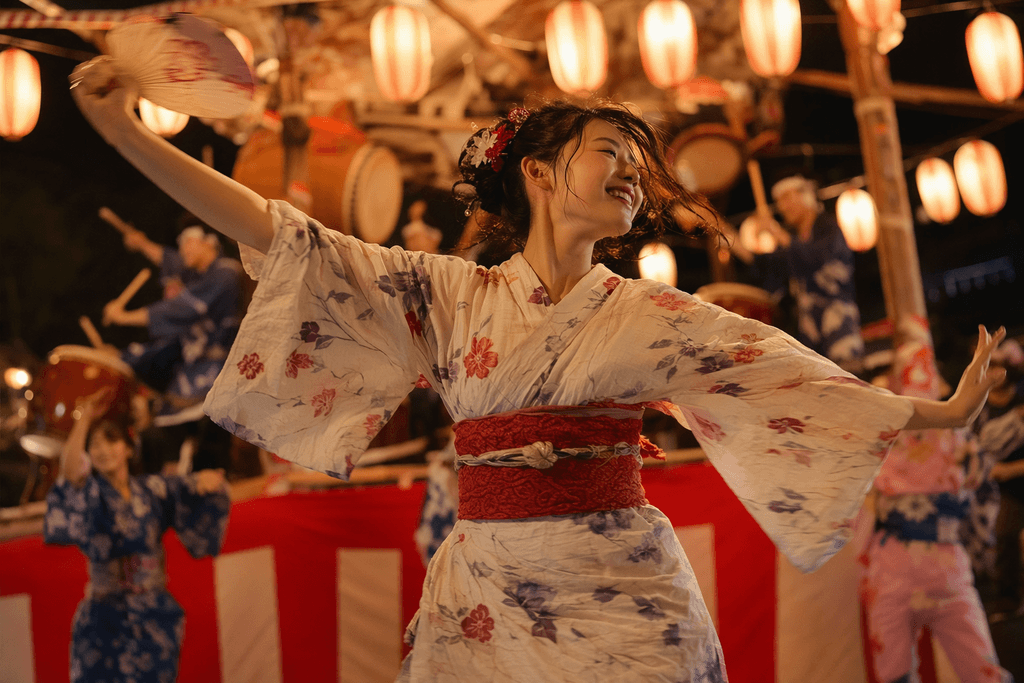
舞う
ကသည် / လွင့်ပျံသည်
舞う
ကသည် / လွင့်ပျံသည်
Explanation
舞う
ကသည် / လွင့်ပျံသည်
舞う
ကသည် / ပတ်လည်လှည့်သည် / (ဟောင်း) မပြတ် ရွေ့လျားနေသည်
နောစင်ပေါ်တွင် ပရိတ်သတ်တစ်ဦးနှင့်အတူ သူမတိတ်ဆိတ်စွာကနေသည့် မြင်ကွင်းသည် ပရိသတ်၏နှလုံးထဲတွင် နက်ရှိုင်းပြီး လျှို့ဝှက်ဆန်းကြယ်သော နောက်ဆက်တွဲအလင်းရောင်ကို ကျန်ရစ်စေခဲ့သည်။
Word Forms
The basic and commonly used forms of this verb.
Basic forms
| Form | Word form | Usage |
|---|---|---|
| Imperfective form (mizenkei) |
Alternative:
舞お
|
Connects to endings such as nai, reru, and seru. |
| Continuative form (renyokei) |
Alternative:
舞っ
|
Connects to endings such as masu, tai, and ta. |
| Conclusive form (shushikei) | Ends a sentence and serves as the dictionary form. | |
| Attributive form (rentaikei) | Modifies a noun. | |
| Conditional form (kateikei) | Combines with ba to express a condition. | |
| Imperative form (meireikei) | Expresses a command or instruction. |
Common forms
| Form | Word form | Usage |
|---|---|---|
| Te-form |
Alternative:
舞うて
|
Connects clauses with te. |
| Ta-form |
Alternative:
舞うた
|
Expresses the past with ta. |
| Nai-form | Expresses negation with nai. | |
| Masu-form | Used for polite speech. | |
| Ba-form | Expresses a condition with ba. | |
| Volitional form | Expresses intention or invitation. |
Notes
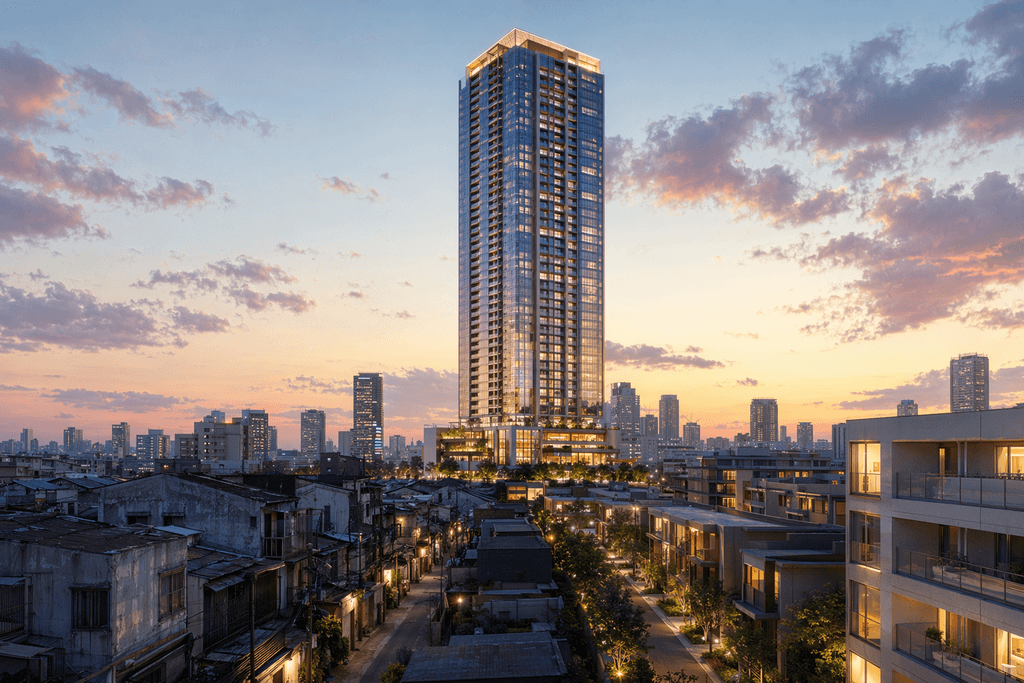
タワー
မျှော်စင်
タワー
မျှော်စင်
Explanation
မျှော်စင်
タワー
အရပ်မြင့်အဆောက်အဦ / အချက်ပေး သို့မဟုတ် ဆက်သွယ်ရေးအတွက် သုံးသော မြင့်တိုင် / မျှော်စင်
ပြန်လည်ဖွံ့ဖြိုးရေး၏ သင်္ကေတအဖြစ် တည်ဆောက်ခဲ့သော တာဝါမှာ အလှပအပြင်အဆင်တောက်ပနေသော်လည်း ဒေသတွင်း ခွဲခြားမှုကို ပိုမို မြန်ဆန်စေခဲ့သည်ဟု ဝေဖန်ချက်များလည်း ခိုင်မာနေဆဲဖြစ်သည်။
( romanization )
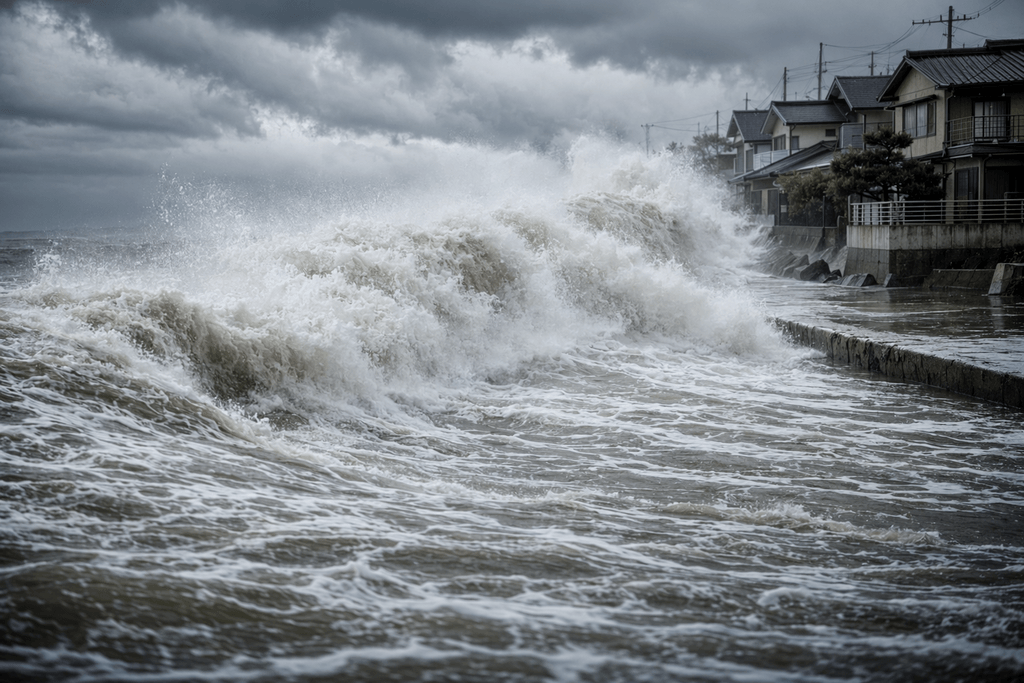
押し寄せる
တိုးဝှေ့ဝင်လာသည်
押し寄せる
တိုးဝှေ့ဝင်လာသည်
Explanation
押し寄せる
တိုးဝှေ့ဝင်လာသည်
押し寄せる
တပြိုင်တည်း စုဝင်လာသည် / အများကြီး ရုတ်တရက် ဝင်ကျိုးလာသည် / နီးကပ်ပိတ်ကပ် လာသည်
မ ကြုံ ဖူး သော စီးပွားရေး ကျဆင်း မှု သည် ဆက်လက် တည်ရှိ နေ သောကြောင့် ၊ ဒေသန္တရ မြို့ကြီး များ သည် အလုပ်လက်မဲ့ ဖြစ် မှု နှင့် သီးခြား နေ ခြင်း ကဲ့သို့ ပြဿနာ များ သည် ဒီရေ ကဲ့သို့ တဖြည်းဖြည်း တိုးပွား လာ သည် ဟူသော အဖြစ်မှန် ကို ရင်ဆိုင် နေ ရ သည် ။
Word Forms
The basic and commonly used forms of this verb.
Basic forms
| Form | Word form | Usage |
|---|---|---|
| Imperfective form (mizenkei) | Connects to endings such as nai, reru, and seru. | |
| Continuative form (renyokei) | Connects to endings such as masu, tai, and ta. | |
| Conclusive form (shushikei) | Ends a sentence and serves as the dictionary form. | |
| Attributive form (rentaikei) | Modifies a noun. | |
| Conditional form (kateikei) | Combines with ba to express a condition. | |
| Imperative form (meireikei) |
Alternative:
押し寄せよ
|
Expresses a command or instruction. |
Common forms
Loading...

JLPT N1 多言語単語帳・3032語 / JLPT N1 Multilingual Vocabulary: 3032 Words

Jonathan Waller 氏の JLPT Resources の語彙リスト・レベル分類を出典とし、CC BY の条件に従って DiQt が学習者向けに意味を作り直した3032語の単語帳です。JLPT公式の語彙リストではありません。
This collection of 3032 words is based on the vocabulary list and level classifications in Jonathan Waller’s JLPT Resources under CC BY, with meanings rewritten by DiQt for learners. It is not an official JLPT vocabulary list.
Key Operations
Select the first quiz:
Ctrl + Enter
View Explanation:Ctrl + G
Close a feedback:Esc
When selecting a quiz
Answer:Enter
Select a choice:↓ or ↑
Reading out the question:Ctrl + K
View Hint: Ctrl + M
I don't know: Ctrl + Y



