
JLPT N1 ဝေါဟာရအဓိပ္ပာယ် လေ့ကျင့်ခန်း - Unsolved

JLPT N1 စကားလုံး 3032 လုံး၏ မြန်မာအဓိပ္ပာယ်ကို အဖြေရွေးချယ်စရာ လေးခုပါသော မေးခွန်းများဖြင့် လေ့လာပါ။
-
တိုက်တွန်းအကြံပြုချက်
-
အလျှော့အတင်းပြုမှု
-
လူထုဆက်သွယ်ရေးမီဒီယာ
-
ပေါင်းစပ်သည် / ကိုက်ညီအောင်လုပ်သည်
-
စိတ်ဒုက္ခပေးသည်
-
ခုန်သည် / တက်ကြွလာသည်
- 「寄越す」の表記異形。
-
ထောက်ပြခြင်း
-
အလုပ်လုပ်ရာဌာန
-
တစ်ခဏ
-
ရှိနေသူအားလုံး
-
တရားဝင်အသိအမှတ်ပြုမှု
-
ပြည်တွင်းစစ်
-
အပေါင်းအဖော်
-
အမျိုးသမီး
-
ကယ်ဆယ်ထောက်ပံ့မှု
-
စစ်သုံ့ပန်း
-
အနှစ်သာရ
-
ခေါင်းဆောင်
-
အသွင်ပြောင်းသည်
-
ထောင်ချောက်ဆင်သည် / စတင်သည်
-
ပျက်သုဉ်းသည်
-
တည်ဆောက်သည် / ထုတ်လုပ်သည်
-
ဖမ်းယူသည် / အလေးအနက်လက်ခံသည်
-
ဆေးရောင်စွဲသည်
-
အလှအပလွန်ကဲမှု
-
ယခင်မျိုးဆက်
-
အတက်အကျပြောင်းလဲမှု
-
ဖြာထွက်ခြင်း
-
အလုပ်ခန့်ထားမှု
-
စတုရန်း
富
ကြွယ်ဝမှု
富
ကြွယ်ဝမှု
Explanation
富
ကြွယ်ဝမှု
富
ချမ်းသာမှု / ငွေကြေးအများကြီးရှိခြင်း / ဥစ္စာကြွယ်ဝမှု
သူသည် ကြီးမားလှသော ချမ်းသာကြွယ်ဝမှုကို တည်ဆောက်နိုင်ခဲ့သော်လည်း၊ ထိုချမ်းသာမှုကို စုဆောင်းရရှိလာသည့် လုပ်ငန်းစဉ်အတွင်း ဆုံးရှုံးခဲ့ရသော လူမှုဆက်ဆံရေးများ၏ တန်ဖိုးကြီးသောပေးဆပ်မှုကို တစ်သက်တာလုံး နာကျင်စွာ ခံစားနားလည်နေခဲ့သည်။

( romanization )
( hiragana )
寄こす
ဤဘက်သို့ပို့သည်
寄こす
ဤဘက်သို့ပို့သည်
Explanation
寄こす
ဤဘက်သို့ပို့သည်
寄こす
ပို့ပေးသည် / လက်လွှဲပေးသည် / ဖုန်းဆက်ပေးသည်

Word Forms
The basic and commonly used forms of this verb.
Basic forms
| Form | Word form | Usage |
|---|---|---|
| Imperfective form (mizenkei) |
Alternative:
寄こそ
|
Connects to endings such as nai, reru, and seru. |
| Continuative form (renyokei) | Connects to endings such as masu, tai, and ta. | |
| Conclusive form (shushikei) | Ends a sentence and serves as the dictionary form. | |
| Attributive form (rentaikei) | Modifies a noun. | |
| Conditional form (kateikei) | Combines with ba to express a condition. | |
| Imperative form (meireikei) | Expresses a command or instruction. |
Common forms
| Form | Word form | Usage |
|---|---|---|
| Te-form | Connects clauses with te. | |
| Ta-form | Expresses the past with ta. | |
| Nai-form | Expresses negation with nai. | |
| Masu-form | Used for polite speech. | |
| Ba-form | Expresses a condition with ba. | |
| Volitional form | Expresses intention or invitation. |
Notes
鉄片
သံအပိုင်းအစ
鉄片
သံအပိုင်းအစ
Explanation
鉄片
သံအပိုင်းအစ
鉄片
သံအပိုင်းအစ / သံတုံးသေး / သံစိတ်ကွဲ/သံချောင်းစွန်း
ပေါက်ကွဲမှုရဲ့ ထိခိုက်အားကြောင့် လေထဲသို့ ပျံ့ကြဲသွားတဲ့ သံအပိုင်းအစတွေက နံရံထဲကို ထိုးစိုက်ဝင်သွားပြီး ဖြစ်ရပ်နေရာက တစ်ခဏတည်းနဲ့ သွေးယိုယွင်းသည့် ခွဲခြားမရတဲ့ အခြေအနေတစ်ခုအဖြစ် ပြောင်းလဲသွားခဲ့သည်။

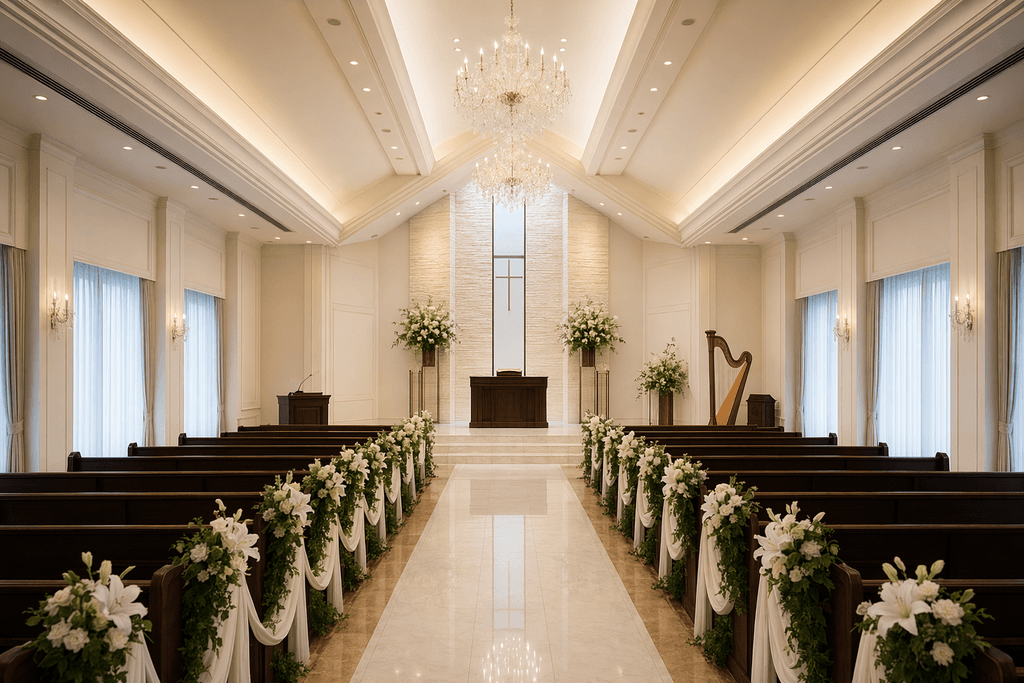
式場
အခမ်းအနားကျင်းပရာနေရာ
式場
အခမ်းအနားကျင်းပရာနေရာ
Explanation
式場
အခမ်းအနားကျင်းပရာနေရာ
式場
အခမ်းအနားခန်းမ / အခမ်းအနားကျင်းပရာနေရာ / မင်္ဂလာပွဲခန်းမ
( Base form )
( romanization )
( hiragana )
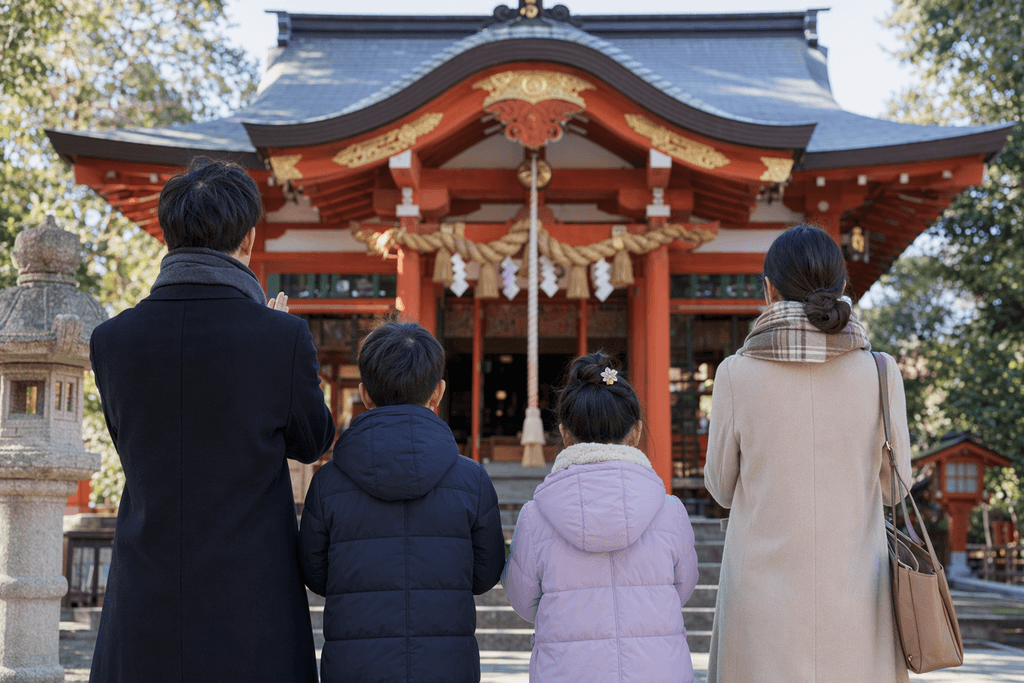
慣例
ထုံးတမ်းအစဉ်အလာ
慣例
ထုံးတမ်းအစဉ်အလာ
Explanation
慣例
ထုံးတမ်းအစဉ်အလာ
慣例
ထုံးစံ / ရိုးရာထုံးတမ်း / အလေ့အကျင့်
ထိုကော်မတီတွင် ဥက္ကဋ္ဌသည် မဲခွဲဆုံးဖြတ်ရာတွင် မပါဝင်ရဟူသော အစဉ်အလာကို နှစ်ပေါင်းများစွာ လိုက်နာကျင့်သုံးလာခဲ့သော်လည်း ယခုအခါ ၎င်း၏ သင့်လျော်မှုကို ထပ်မံမေးခွန်းထုတ်လာကြသည်။
( Base form )
( romanization )
( hiragana )
真ん前
တည့်တည့်ရှေ့
真ん前
တည့်တည့်ရှေ့
Explanation
真ん前
တည့်တည့်ရှေ့
真ん前
မျက်မှောက်မှာ / ရှေ့မှာတင် / တိုက်ရိုက်ရှေ့

( Base form )
( romanization )
( romanization )
( hiragana historical )
( hiragana )
漏れる
ယိုထွက်သည် / ကျန်ခဲ့သည်
漏れる
ယိုထွက်သည် / ကျန်ခဲ့သည်
Explanation
漏れる
ယိုထွက်သည် / ကျန်ခဲ့သည်
漏れる
အရည် စိမ့်ယိုထွက်သည် / အချက်အလက် ပေါက်ကြားသည် / မလက်ခံခံရသည်၊ စာရင်းမှ လစ်လွှတ်ခံရသည်

Word Forms
The basic and commonly used forms of this verb.
Basic forms
| Form | Word form | Usage |
|---|---|---|
| Imperfective form (mizenkei) | Connects to endings such as nai, reru, and seru. | |
| Continuative form (renyokei) | Connects to endings such as masu, tai, and ta. | |
| Conclusive form (shushikei) | Ends a sentence and serves as the dictionary form. | |
| Attributive form (rentaikei) | Modifies a noun. | |
| Conditional form (kateikei) | Combines with ba to express a condition. | |
| Imperative form (meireikei) |
Alternative:
漏れよ
|
Expresses a command or instruction. |
Common forms
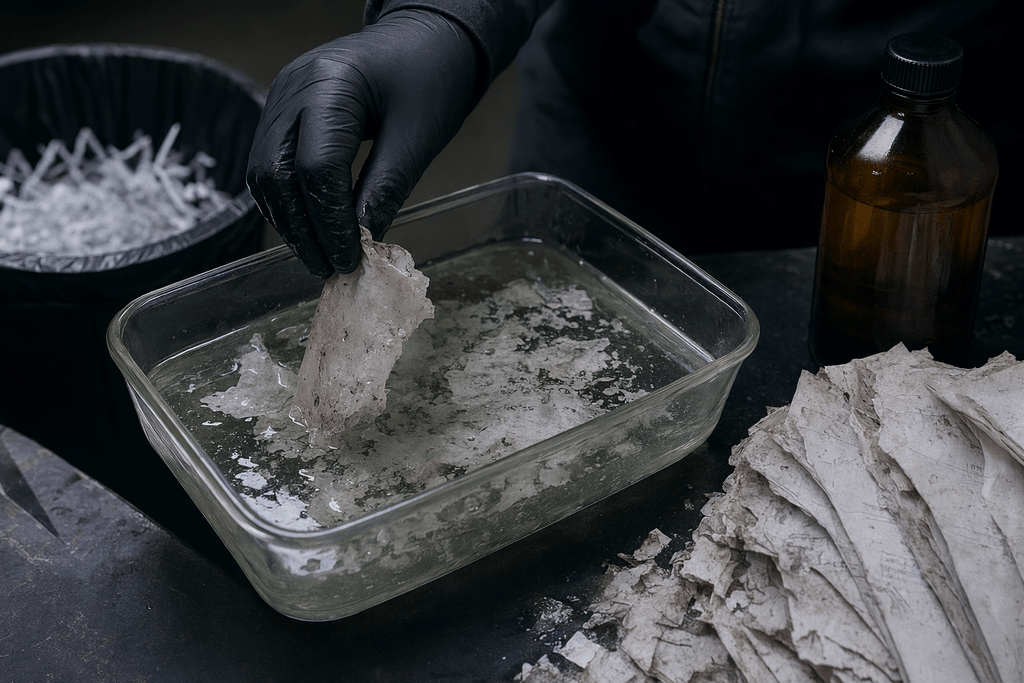
浸す
စိမ်သည်
浸す
စိမ်သည်
Explanation
浸す
စိမ်သည်
浸す
အရည်ထဲထည့်၍ နှံ့စေသည် / အရည်ထဲတွင် မြှုပ်စေသည် / စိုစွတ်စေသည်
အချက်အလက်စာရွက်စာတမ်းများကို မသမာစွာ ပြင်ဆင်ထားသည်ဟူသော သံသယများ ပေါ်ပေါက်လာသောအခါ သူသည် သက်သေအထောက်အထားများကို ဖျောက်ဖျက်ရန် စာရွက်စာတမ်းများကို ဓာတုပစ္စည်းထဲတွင် စိမ်ကာ အစအနမကျန်အောင် ပျော်ဝင်စေခဲ့သည်။
Word Forms
The basic and commonly used forms of this verb.
Basic forms
| Form | Word form | Usage |
|---|---|---|
| Imperfective form (mizenkei) |
Alternative:
浸そ
|
Connects to endings such as nai, reru, and seru. |
| Continuative form (renyokei) | Connects to endings such as masu, tai, and ta. | |
| Conclusive form (shushikei) | Ends a sentence and serves as the dictionary form. | |
| Attributive form (rentaikei) | Modifies a noun. | |
| Conditional form (kateikei) | Combines with ba to express a condition. | |
| Imperative form (meireikei) | Expresses a command or instruction. |
Common forms
要望
တင်ပြထားသောဆန္ဒ
要望
တင်ပြထားသောဆန္ဒ
Explanation
要望
တင်ပြထားသောဆန္ဒ
要望
တောင်းဆိုချက် / လုပ်ပေးရန် ဆန္ဒ / တောင်းလျှောက်မှု

( Base form )
( romanization )
( hiragana )
気兼ね
အားနာစိတ်
気兼ね
အားနာစိတ်
Explanation
気兼ね
အားနာစိတ်
気兼ね
အားနာစိတ်၊ အားနာခြင်း / စိတ်မလွတ်မလပ်ဖြစ်ခြင်း၊ စိတ်ချုပ်ထားရခြင်း / အခြားသူကို အနှောက်အယှက်ဖြစ်မည်ဟုစိုးရိမ်ကာ လုပ်ရန်ဝန်လေးခြင်း
အလုပ်ရှင်ရဲ့အားလပ်ရက်အိမ်ကို ဖိတ်ခေါ်ခံရပေမဲ့ တည်းခိုစရိတ်ကိုတောင် သူတို့ပေးရမှာကို စိတ်မချမ်းမသာဖြစ်တဲ့အတွက် နောက်ဆုံးမှာ တစ်ညအကြာမှာ ခွင့်ယူလိုက်တယ်။

( Base form )
( romanization )
Loading...

JLPT N1 多言語単語帳・3032語 / JLPT N1 Multilingual Vocabulary: 3032 Words

Jonathan Waller 氏の JLPT Resources の語彙リスト・レベル分類を出典とし、CC BY の条件に従って DiQt が学習者向けに意味を作り直した3032語の単語帳です。JLPT公式の語彙リストではありません。
This collection of 3032 words is based on the vocabulary list and level classifications in Jonathan Waller’s JLPT Resources under CC BY, with meanings rewritten by DiQt for learners. It is not an official JLPT vocabulary list.
Key Operations
Select the first quiz:
Ctrl + Enter
View Explanation:Ctrl + G
Close a feedback:Esc
When selecting a quiz
Answer:Enter
Select a choice:↓ or ↑
Reading out the question:Ctrl + K
View Hint: Ctrl + M
I don't know: Ctrl + Y



