
JLPT N1 ဝေါဟာရအဓိပ္ပာယ် လေ့ကျင့်ခန်း - Unsolved

JLPT N1 စကားလုံး 3032 လုံး၏ မြန်မာအဓိပ္ပာယ်ကို အဖြေရွေးချယ်စရာ လေးခုပါသော မေးခွန်းများဖြင့် လေ့လာပါ။
-
သတ်မှတ်မှု / စနစ်ချိန်ညှိမှု
-
ကုမ္ပဏီဝန်ထမ်းအိမ်ရာ
-
ပြန်လည်ဆုံတွေ့မှု
-
အကျပ်အတည်းဖောက်ထွက်မှု
-
နောက်ကျမှု
-
ခြံစည်းရိုး
-
အသစ်အဆန်း
-
ဂီတ
-
အောင်မြင်ရလဒ်
-
ညံ့ဖျင်းသောလက်ရာ
-
သတ္တုတူးဖော်ခြင်း
-
အစိုင်အခဲဒြပ်
-
အလျှော့ပေးမှု
-
လက္ခဏာ / နိမိတ်
-
ကွဲထွက်မှု
-
အသက်တစ်ရှူ / တစ်ခါတည်း
-
တောက်ပမှု
-
ရင်ဆိုင်မှု
-
အဝါရောင်
-
ကျော်ကြားသော
-
လက်တစ်ကမ်းရှိသော
- 「大袈裟」のかな交じり表記。
-
ကိုက်ညီမှု
-
အဓိကအကြောင်းအရာ
-
သဲသောင်ကမ်းခြေ
-
အတွင်းပိုင်း
-
ဆင်းရဲနွမ်းပါးမှု / ချို့တဲ့မှု
-
အကြောင်းအရာ
-
လမ်းညွှန်သည်
-
သွားသည်
-
အနိုင်ကျင့်သည်
最善
အကောင်းဆုံး
最善
အကောင်းဆုံး
Explanation
最善
အကောင်းဆုံး
最善
အကောင်းဆုံး / အကောင်းဆုံးနည်းလမ်း / အကောင်းဆုံးရွေးချယ်မှု
အခြေအနေက အချိန်တိုင်းမှာပဲ ပြောင်းလဲနေတဲ့အတွက်၊ ဒီအခိုက်အတန့်မှာ ချမှတ်နိုင်တဲ့ အကောင်းဆုံး ဆုံးဖြတ်ချက်ကို တစ်ခုပြီးတစ်ခု စုပေါင်းဆောင်ရွက်သွားခြင်းပဲ မဖြစ်မနေ လိုပါတယ်။

( Base form )
( romanization )
( hiragana )
一切
အရာအားလုံး / လုံးဝ
一切
အရာအားလုံး / လုံးဝ
Explanation
一切
အရာအားလုံး / လုံးဝ
一切
အရာအားလုံး / အပြည့်အစုံ / အစအဆုံး

( Base form )
( romanization )
( hiragana )
見地
ရှုထောင့်
見地
ရှုထောင့်
Explanation
見地
ရှုထောင့်
見地
အမြင် / မြင်ကွင်း / ရပ်တည်ချက်

( Base form )
( romanization )
( hiragana )
田園
ကျေးလက်ဒေသ
田園
ကျေးလက်ဒေသ
Explanation
田園
ကျေးလက်ဒေသ
田園
ကျေးလက်ဒေသ / လယ်ယာမြေဒေသ / စိုက်ပျိုးမြေ

( Base form )
( romanization )
( hiragana )
落下
ပြုတ်ကျခြင်း
落下
ပြုတ်ကျခြင်း
Explanation
落下
ပြုတ်ကျခြင်း
落下
ကျခြင်း / ကျဆင်းခြင်း / လွှတ်ကျခြင်း
( Base form )
( romanization )
( hiragana )
自己
မိမိကိုယ်တိုင်
自己
မိမိကိုယ်တိုင်
Explanation
自己
မိမိကိုယ်တိုင်
自己
မိမိကိုယ် / ကိုယ့်ကိုယ် / ကိုယ်တိုင်

( Base form )
( romanization )
( hiragana )
大げさ
ချဲ့ကားထားသော
大げさ
ချဲ့ကားထားသော
Explanation
大げさ
ချဲ့ကားထားသော
大げさ
အလွန်အကျွံ မြှောက်တင်သော / ခမ်းနားလွန်လွန်းသော / အကြီးအကျယ် ပြသော
သူက ကိုယ့်အပြစ်အမှားကို အလွန်အကျွံ ချဲ့ကားပြီး ပြောကာ သနားကြင်နာမှုကို ရယူဖို့ ကြိုးစားပေမယ့် ပတ်ဝန်းကျင်ကတော့ သူ့ရည်ရွယ်ချက်ကို မကြာခင်ကတည်းက သိပြီးသားပါ။

Word Forms
The basic and commonly used forms of this adjectival noun.
Basic forms
| Form | Word form | Usage |
|---|---|---|
| Imperfective form (mizenkei) |
Alternative:
大げさであろ
|
Used in forms such as darou. |
| Continuative form (renyokei) |
Alternative:
大げさに
|
Used with de or ni. |
| Conclusive form (shushikei) | Ends a sentence with da. | |
| Attributive form (rentaikei) |
Alternative:
大げさである
|
Modifies a noun with na. |
| Conditional form (kateikei) |
Alternative:
大げさであれば
|
Expresses a condition with nara. |
| Imperative form (meireikei) | Used in formal expressions such as de are. |
Common forms
| Form | Word form | Usage |
|---|---|---|
| Te-form equivalent | Connects clauses using de. | |
| Ta-form |
Alternative:
大げさでした
|
Expresses the past with datta. |
| Nai-form |
Alternative:
大げさじゃない
|
Expresses negation with dewa nai or ja nai. |
| Desu-form | Used for polite speech. |
Notes
ポンプ
ပန့်စက်
ポンプ
ပန့်စက်
Explanation
ပန့်စက်
ポンプ
အရည် သို့မဟုတ် ဓာတ်ငွေ့ကို စုပ်တင် သို့မဟုတ် တွန်းပို့သည့် စက်

( romanization )
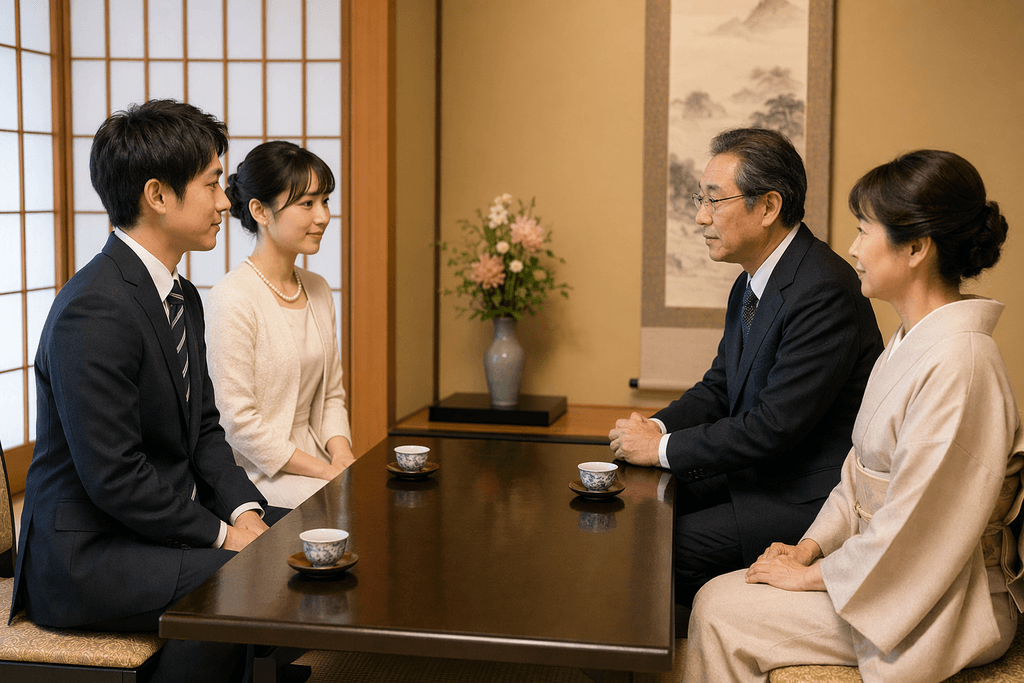
見合い
လက်ထပ်ရန်မိတ်ဆက်တွေ့ဆုံမှု
見合い
လက်ထပ်ရန်မိတ်ဆက်တွေ့ဆုံမှု
Explanation
見合い
လက်ထပ်ရန်မိတ်ဆက်တွေ့ဆုံမှု
見合い
အိမ်ထောင်ပြုရန် စီစဉ်ထားသော တရားဝင်တွေ့ဆုံမှု / မိဘ သို့မဟုတ် မိတ်ဆက်သူများ စီစဉ်သည့် လက်ထပ်အတွက် တွေ့ဆုံခြင်း
မိဘများအကြံပြုသည့် စီစဉ်ပေးထားသော မင်္ဂလာပွဲကို ခေတ်နောက်ကျသည့်ထုံးစံအဖြစ် ငြင်းပယ်မည့်အစား မိမိ၏အနာဂတ်ကို ဆန်းစစ်ရန် အခွင့်အရေးတစ်ခုအဖြစ် အေးအေးဆေးဆေး လက်ခံခဲ့သည်။
( Base form )
( romanization )
懲りる
သင်ခန်းစာရသည်
懲りる
သင်ခန်းစာရသည်
Explanation
懲りる
သင်ခန်းစာရသည်
懲りる
မကောင်းတဲ့အတွေ့အကြုံကြောင့် သင်ခန်းစာယူလာသည် / မကောင်းအတွေ့အကြုံကြောင့် ပြန်မလုပ်ချင်တော့ဘဲ လန့်ကြောက်ကာ ရှောင်သည် / မကောင်းအတွေ့အကြုံနောက် ပြည့်တန်ဆာစွာ မသက်သာတော့ဘဲ မလုံလောက်တော့သည်
ထို ကဲ့သို့ ခါးသီး သော အတွေ့အကြုံ တစ် ခု ပြီးနောက် ပင် ၊ သူ ၏ သင်ခန်းစာ ကို သင်ယူ ခြင်း မှ ဝေးကွာ နေ သော်လည်း ၊ သူ သည် တူညီ သော ရင်းနှီးမြှုပ်နှံ မှု အစီအစဉ် ကို ထပ်မံ ခုန်ချ ခဲ့ သည် ။

Word Forms
The basic and commonly used forms of this verb.
Basic forms
| Form | Word form | Usage |
|---|---|---|
| Imperfective form (mizenkei) | Connects to endings such as nai, reru, and seru. | |
| Continuative form (renyokei) | Connects to endings such as masu, tai, and ta. | |
| Conclusive form (shushikei) | Ends a sentence and serves as the dictionary form. | |
| Attributive form (rentaikei) | Modifies a noun. | |
| Conditional form (kateikei) | Combines with ba to express a condition. | |
| Imperative form (meireikei) |
Alternative:
懲りよ
|
Expresses a command or instruction. |
Common forms
Loading...

JLPT N1 多言語単語帳・3032語 / JLPT N1 Multilingual Vocabulary: 3032 Words

Jonathan Waller 氏の JLPT Resources の語彙リスト・レベル分類を出典とし、CC BY の条件に従って DiQt が学習者向けに意味を作り直した3032語の単語帳です。JLPT公式の語彙リストではありません。
This collection of 3032 words is based on the vocabulary list and level classifications in Jonathan Waller’s JLPT Resources under CC BY, with meanings rewritten by DiQt for learners. It is not an official JLPT vocabulary list.
Key Operations
Select the first quiz:
Ctrl + Enter
View Explanation:Ctrl + G
Close a feedback:Esc
When selecting a quiz
Answer:Enter
Select a choice:↓ or ↑
Reading out the question:Ctrl + K
View Hint: Ctrl + M
I don't know: Ctrl + Y



