
JLPT N1 ဝေါဟာရအဓိပ္ပာယ် လေ့ကျင့်ခန်း - Unsolved

JLPT N1 စကားလုံး 3032 လုံး၏ မြန်မာအဓိပ္ပာယ်ကို အဖြေရွေးချယ်စရာ လေးခုပါသော မေးခွန်းများဖြင့် လေ့လာပါ။
-
ကျူးကျော်သည် / ထိပါးသည်
-
ထိတ်လန့်သည်
-
ပြန်လည်ရယူသည်
-
လောင်းသည် / စွန့်စားရင်းသည်
-
စစ်ဆေးစုံစမ်းသည်
-
မျှော်လင့်စောင့်စားသည်
- 「鈍る(なまる)」はラ行五段活用の動詞。
- 未然形「鈍ろ」は意志・勧誘の助動詞「う」に接続する形。
-
အမျိုးသမီး
-
ဖွဲ့စည်းပုံ / အလုပ်လုပ်ပုံ
-
စစ်နည်းဗျူဟာ
-
ကိုယ်ပိုင်ပစ္စည်းများ
-
ယာဉ်မောင်းနှင်သွားလာမှု
-
မော်နီတာ / ကုန်ပစ္စည်းစမ်းသပ်သူ
-
နှိုင်းယှဉ်ကွာခြားမှု
-
တာယာပေါက်ခြင်း / ပန့်ခ်ရော့ခ်ဂီတ
-
အစပြုရာအမှတ် / ကိုဩဒိနိတ်မူလမှတ်
-
သိမ်းယူခြင်း
-
ဆောင်းခိုအိပ်စက်မှု
-
အိမ်မှထွက်ပြေးခြင်း
-
ငွေကြေးထုတ်ချေးမှု
-
နေထိုင်မှု
-
စောင့်ဆိုင်းခန်း
-
တိုင်းတာမှုအမှား
-
ဆောက်လုပ်ရေးစတင်မှု
-
အကြောင်းပြကာကွယ်မှု
-
နှစ်ချုပ်စာအုပ်
-
ကပ်ထားသောကြေညာစာ
-
အမှတ်လျှော့ခြင်း
-
သရုပ်ဆောင်သည်
-
အတင်းအကျပ်စေခိုင်းသည်
-
တိုက်ခိုက်သည်
引っ掻く
ကုတ်ခြစ်သည်
引っ掻く
ကုတ်ခြစ်သည်
Explanation
引っ掻く
ကုတ်ခြစ်သည်
引っ掻く
ခြစ် / ရစ် / ယားရစ်
သူက စိတ်လောလာမှုကြောင့် စားပွဲအပေါ်ယံပြားကို အကြိမ်ကြိမ် ခြစ်တတ်တဲ့ အကျင့်ရှိပြီး၊ အစည်းအဝေးကျင်းပနေစဉ်မှာတောင် မသိမသာ လက်ချောင်းအစွန်းတွေကို လှုပ်ရှားသွားတတ်တယ်။

Word Forms
The basic and commonly used forms of this verb.
Basic forms
| Form | Word form | Usage |
|---|---|---|
| Imperfective form (mizenkei) |
Alternative:
引っ掻こ
|
Connects to endings such as nai, reru, and seru. |
| Continuative form (renyokei) |
Alternative:
引っ掻い
|
Connects to endings such as masu, tai, and ta. |
| Conclusive form (shushikei) | Ends a sentence and serves as the dictionary form. | |
| Attributive form (rentaikei) | Modifies a noun. | |
| Conditional form (kateikei) | Combines with ba to express a condition. | |
| Imperative form (meireikei) | Expresses a command or instruction. |
Common forms
鈍る
တုံးလာသည်
鈍る
တုံးလာသည်
Explanation
鈍る
တုံးလာသည်
鈍る
(ဓား/ကိရိယာ) တုံးလာသည်၊ မချွန်တော့သည် / စွမ်းရည်/တက်ကြွမှု လျော့ကျသွားသည်၊ အားနည်းလာသည် / လက်ရာကျွမ်းကျင်မှု ကျသွားသည်၊ ရိုးသွားသည်

Word Forms
The basic and commonly used forms of this verb.
Basic forms
| Form | Word form | Usage |
|---|---|---|
| Imperfective form (mizenkei) |
Alternative:
鈍ろ
|
Connects to endings such as nai, reru, and seru. |
| Continuative form (renyokei) | Connects to endings such as masu, tai, and ta. | |
| Conclusive form (shushikei) | Ends a sentence and serves as the dictionary form. | |
| Attributive form (rentaikei) | Modifies a noun. | |
| Conditional form (kateikei) | Combines with ba to express a condition. | |
| Imperative form (meireikei) | Expresses a command or instruction. |
Common forms
| Form | Word form | Usage |
|---|---|---|
| Te-form | Connects clauses with te. | |
| Ta-form | Expresses the past with ta. | |
| Nai-form | Expresses negation with nai. | |
| Masu-form | Used for polite speech. | |
| Ba-form | Expresses a condition with ba. | |
| Volitional form | Expresses intention or invitation. |
Notes
からだつき
ကိုယ်ခန္ဓာပုံသဏ္ဌာန်
からだつき
ကိုယ်ခန္ဓာပုံသဏ္ဌာန်
Explanation
ကိုယ်ခန္ဓာပုံသဏ္ဌာန်
からだつき
ကိုယ်ခန္ဓာအနေအထား (ခန္ဓာကိုယ်ပုံစံ) / ကိုယ်ထည်ဖွဲ့စည်းပုံ / ကိုယ်သွင်ပြင်
သူက အသက်အရွယ်နဲ့ နှိုင်းယှဉ်ရင် နုပျိုလှပေမယ့် ကိုယ်ခန္ဓာဖွဲ့စည်းပုံပေါ်မှာတော့ နှစ်ပေါင်းများစွာ လေ့ကျင့်သင်ကြားထားမှုရဲ့ အရာရာသက်ရောက်ချက်တွေကို ထင်ရှားစွာ ချန်ထွက်နေတယ်။

( romanization )
( romanization )
( hiragana historical )
ノイローゼ
အာရုံကြောဆိုင်ရာစိတ်ရောဂါ
ノイローゼ
အာရုံကြောဆိုင်ရာစိတ်ရောဂါ
Explanation
အာရုံကြောဆိုင်ရာစိတ်ရောဂါ
ノイローゼ
အာရုံကြောဆိုင်ရာ စိတ်ရောဂါ / မပြင်းထန်သော စိတ်ရောဂါ

( romanization )
連盟
အဖွဲ့ချုပ်
連盟
အဖွဲ့ချုပ်
Explanation
連盟
အဖွဲ့ချုပ်
連盟
အဖွဲ့ချုပ် / မဟာမိတ် / အသင်းအဖွဲ့
အပြည်ပြည်ဆိုင်ရာလိဂ်၏ အယူဝါဒမှာ ပြိုလဲသွားခဲ့သော်လည်း၊ ထိုပျက်ကွက်မှုမှ သင်ခန်းစာများက နောက်ပိုင်း အပြည်ပြည်ဆိုင်ရာ ပူးပေါင်းဆောင်ရွက်မှု၏ ဘောင်ခတ်မှုကို ပုံဖော်ပေးခဲ့သည်။

( Base form )
( romanization )
( hiragana )
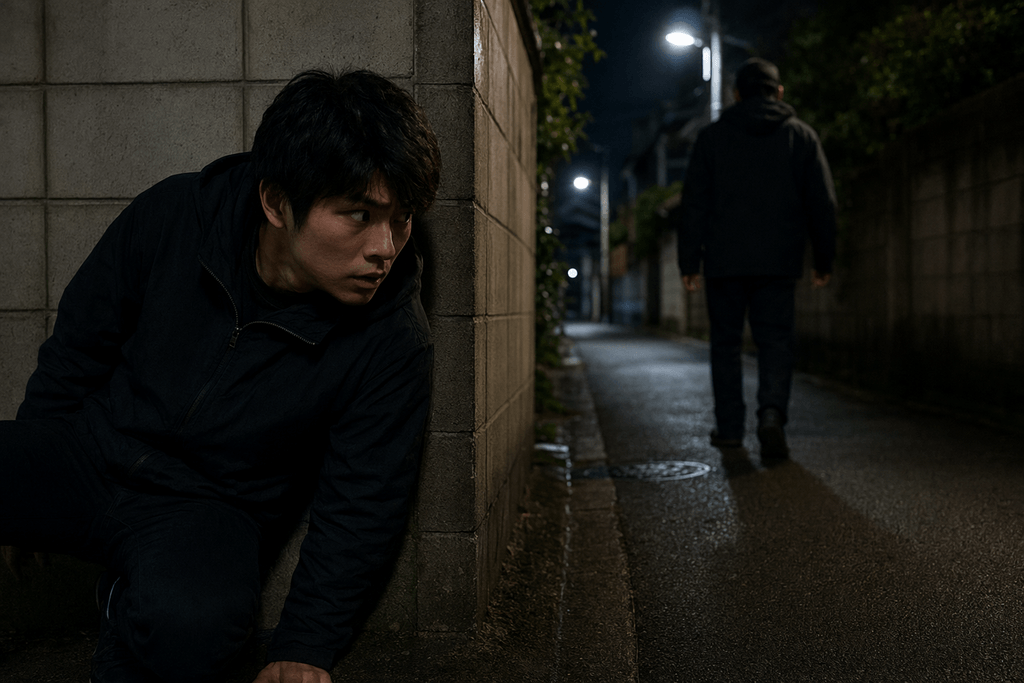
背後
အနောက်ဘက်
背後
အနောက်ဘက်
Explanation
背後
အနောက်ဘက်
背後
နောက်ဘက် / နောက်ကွယ် / နောက်ကွယ်ထောက်ခံမှု
( Base form )
( romanization )
( hiragana )
行員
ဘဏ်ဝန်ထမ်း
行員
ဘဏ်ဝန်ထမ်း
Explanation
行員
ဘဏ်ဝန်ထမ်း
行員
ဘဏ်ဝန်ထမ်း / ဘဏ်အလုပ်သမား
ထိုဘဏ်ဝန်ထမ်းသည် ဖောက်သည်အချက်အလက်များ ယိုစိမ့်ခဲ့ကြောင်း ပေါ်ပေါက်သည်နှင့်တပြိုင်နက် အထက်ပိုင်းအရာရှိများ၏ ဖုံးကွယ်တတ်သော သဘောထားကို ပြစ်တင်ရှုတ်ချသည့် အတွင်းပိုင်း သတင်းပေးဖော်ထုတ်မှုကို ပြုလုပ်ရန် ဆုံးဖြတ်ခဲ့သည်။

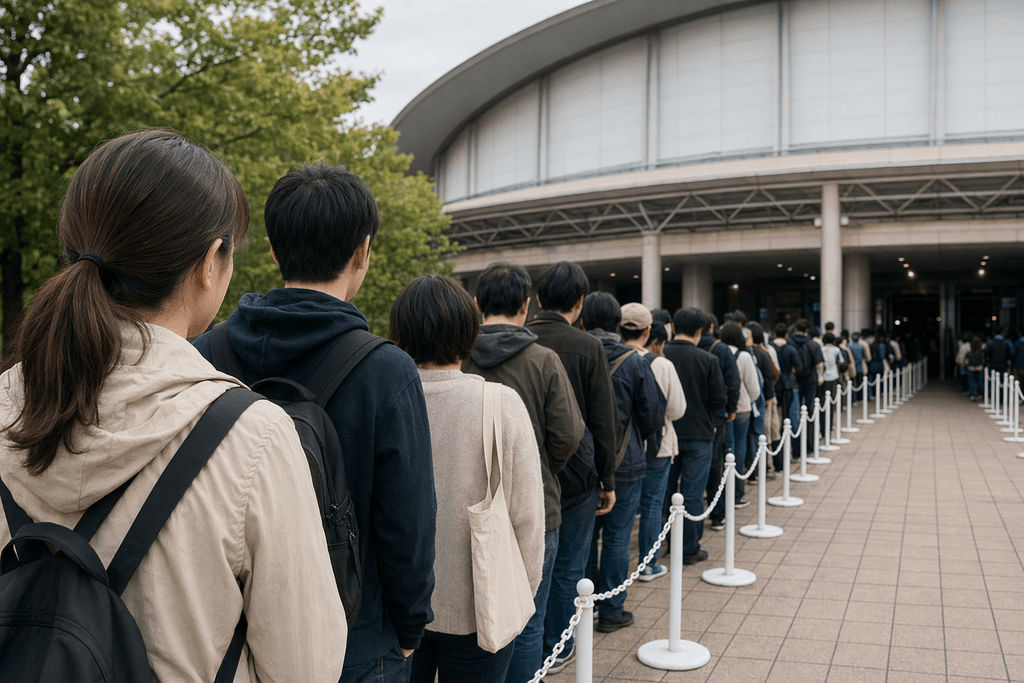
先着
ဦးစွာရောက်ရှိမှု
先着
ဦးစွာရောက်ရှိမှု
Explanation
先着
ဦးစွာရောက်ရှိမှု
先着
ပထမဦးဆုံးရောက်ရှိခြင်း / ပထမဦးဆုံးရောက်ရှိသူ / အရင်ရောက်သူများ
( Base form )
( romanization )
( hiragana )
産物
ထွက်ကုန် / ရလဒ်
産物
ထွက်ကုန် / ရလဒ်
Explanation
産物
ထွက်ကုန် / ရလဒ်
産物
ထုတ်ကုန် / လယ်ယာထွက်ကုန် / ရလဒ်
ဤစနစ်ပြုပြင်ပြောင်းလဲမှုသည် နှစ်ပေါင်းများစွာ ဆွေးနွေးမှုနှင့် အလျှော့ပေးညှိနှိုင်းမှုများအပြီး ပေါ်ပေါက်လာသော အကျိုးထွက်ဖြစ်ပြီး လက်တွေ့လုပ်ငန်းခွင်၏ အခြေအနေမှန်ကို ထင်ဟပ်ထားသည်။

( Base form )
( romanization )
( kyūjitai )
( hiragana )
捻じれる
လိမ်သွားသည်
捻じれる
လိမ်သွားသည်
Explanation
捻じれる
လိမ်သွားသည်
捻じれる
လိမ်ကောက်သွားသည် / ဆွဲလှည့်ပြီး အဆစ်လွဲ/တင်းကျပ်သွားသည် / ပုံသဏ္ဌာန် ပျက်ယွင်း/ကွေးသွားသည်

Word Forms
The basic and commonly used forms of this verb.
Basic forms
| Form | Word form | Usage |
|---|---|---|
| Imperfective form (mizenkei) |
Alternative:
捩じれ
ねじれ
|
Connects to endings such as nai, reru, and seru. |
| Continuative form (renyokei) |
Alternative:
捩じれ
ねじれ
|
Connects to endings such as masu, tai, and ta. |
| Conclusive form (shushikei) |
Alternative:
捩じれる
ねじれる
|
Ends a sentence and serves as the dictionary form. |
| Attributive form (rentaikei) |
Alternative:
捩じれる
ねじれる
|
Modifies a noun. |
| Conditional form (kateikei) |
Alternative:
捩じれれ
ねじれれ
|
Combines with ba to express a condition. |
| Imperative form (meireikei) |
Alternative:
捻じれよ
捩じれろ
捩じれよ
ねじれろ
ねじれよ
|
Expresses a command or instruction. |
Common forms
| Form | Word form | Usage |
|---|---|---|
| Te-form |
Alternative:
捩じれて
ねじれて
|
Connects clauses with te. |
| Ta-form |
Alternative:
捩じれた
ねじれた
|
Expresses the past with ta. |
| Nai-form |
Alternative:
捩じれない
ねじれない
|
Expresses negation with nai. |
| Masu-form |
Alternative:
捩じれます
ねじれます
|
Used for polite speech. |
| Ba-form |
Alternative:
捩じれれば
ねじれれば
|
Expresses a condition with ba. |
| Volitional form |
Alternative:
捩じれよう
ねじれよう
|
Expresses intention or invitation. |
Loading...

JLPT N1 多言語単語帳・3032語 / JLPT N1 Multilingual Vocabulary: 3032 Words

Jonathan Waller 氏の JLPT Resources の語彙リスト・レベル分類を出典とし、CC BY の条件に従って DiQt が学習者向けに意味を作り直した3032語の単語帳です。JLPT公式の語彙リストではありません。
This collection of 3032 words is based on the vocabulary list and level classifications in Jonathan Waller’s JLPT Resources under CC BY, with meanings rewritten by DiQt for learners. It is not an official JLPT vocabulary list.
Key Operations
Select the first quiz:
Ctrl + Enter
View Explanation:Ctrl + G
Close a feedback:Esc
When selecting a quiz
Answer:Enter
Select a choice:↓ or ↑
Reading out the question:Ctrl + K
View Hint: Ctrl + M
I don't know: Ctrl + Y



