
JLPT N1 ဝေါဟာရအဓိပ္ပာယ် လေ့ကျင့်ခန်း - Unsolved

JLPT N1 စကားလုံး 3032 လုံး၏ မြန်မာအဓိပ္ပာယ်ကို အဖြေရွေးချယ်စရာ လေးခုပါသော မေးခွန်းများဖြင့် လေ့လာပါ။
-
ဆန်းသစ်တီထွင်မှု
-
ထုတ်လုပ်သူ
-
အများကြည့်ပွဲ
-
လက်ထပ်ခါစအခြေအနေ
-
အခြေအနေမကောင်းမှု / မအောင်မြင်မှု
-
လှန်းထားသောအဝတ်
-
ပေါ့လျော့သော
-
အပြစ်ကင်းစင်သော
-
မသေချာသော
-
ကိုယ်ဟန် / ခေတ္တရပ်နားမှု
-
သိမ်းဆည်းရှင်းလင်းမှု
-
တုံ့ပြန်မှု
-
တစ်ဦးနှင့်တစ်ဦးဖြတ်သွားမှု / အမြင်မကိုက်ညီမှု
-
ရက်လုပ်မှု
-
ဗုံး
-
ရုန်းကန်သည်
-
လက်ခံစောင့်ရှောက်သည် / ပြန်ထွက်သည်
-
အပြန်အလှန်ပြုသည်
-
ဆောင်ထားသည် / အရိပ်အယောင်ပါသည်
-
ကိုက်စားသည် / အနည်းငယ်သိသည်
-
လမ်းညွှန်သည်
-
တိုးဝှေ့ဝင်လာသည်
-
သတင်းတင်ပြသည်
-
ပေါက်ကြားစေသည် / ချန်လှပ်သည်
- 「躾ける」「仕付ける」ともに下一段活用。
-
ရွေးကောက်ခံရမှု / မဲပေါက်မှု
-
လမ်းပိုင်း
-
ပိုင်ဆိုင်မှု / တာရှည်ခံမှု
-
ချဉ်းကပ်မှု
-
နယ်ပယ်ကန့်သတ်မှု
-
သဟဇာတဖြစ်မှု
徴収
အခွန်ကောက်ခံမှု
徴収
အခွန်ကောက်ခံမှု
Explanation
徴収
အခွန်ကောက်ခံမှု
徴収
ကောက်ခံမှု / အခွန်ကောက်ခံခြင်း / အခကြေးငွေ စုဆောင်းခြင်း
စနစ်အသစ်ကို စတင်မိတ်ဆက်သွင်းလာခြင်းနှင့်အတူ ဒေသန္တရအုပ်ချုပ်ရေးအဖွဲ့များသည် မပေးဆောင်ထားသေးသည့် အကြွေးကျန်များကို ကောက်ခံခြင်းကို ပိုမိုတင်းကျပ်စွာ ဆောင်ရွက်မည်ဆိုသည့် မူဝါဒကို ထုတ်ပြန်ခဲ့သည်။

( Base form )
( romanization )
( hiragana )
言論
အမြင်ထုတ်ဖော်မှု
言論
အမြင်ထုတ်ဖော်မှု
Explanation
言論
အမြင်ထုတ်ဖော်မှု
言論
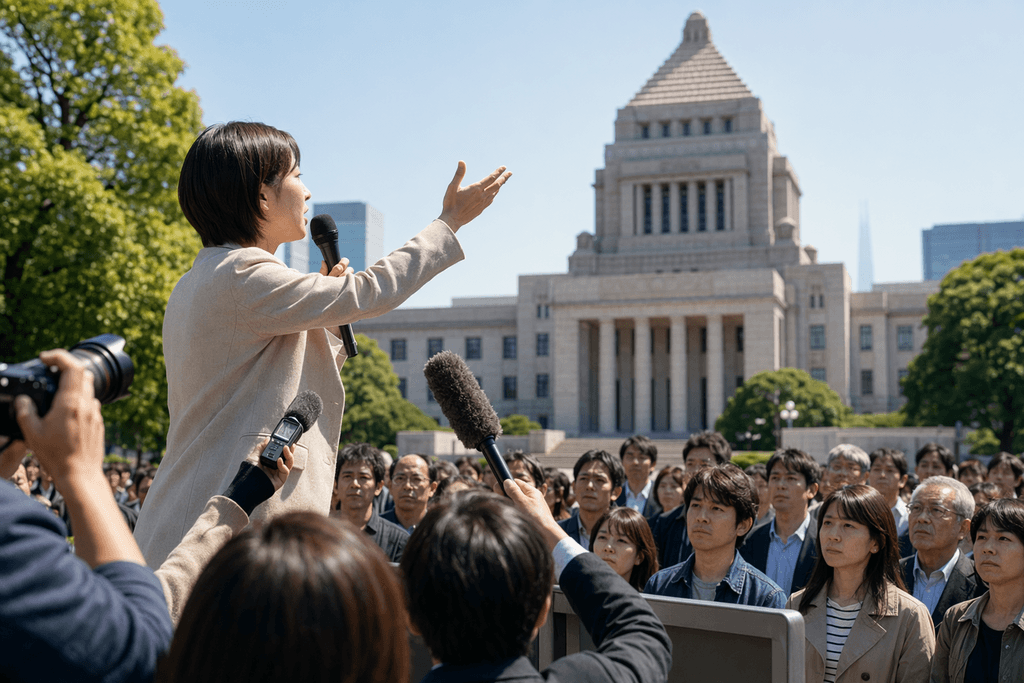
မိန့်ခွန်း၊ ပြောဆိုချက် / ထင်မြင်ချက်များကို ပြောဆိုရေးသားခြင်း (လွတ်လပ်စွာ ပြောဆိုခြင်းအပါအဝင်) / အများပြည်သူဆိုင်ရာ ပြောဆိုရေးသားမှု
( Base form )
( romanization )
( hiragana )
不可欠
မရှိမဖြစ်လိုအပ်သော
不可欠
မရှိမဖြစ်လိုအပ်သော
Explanation
不可欠
မရှိမဖြစ်လိုအပ်သော
不可欠
မရှိမဖြစ်လိုအပ်သော / မဖြစ်မနေလိုအပ်သော / အဓိကလိုအပ်သော
တည်တံ့သော လူ့အဖွဲ့အစည်းတစ်ခုကို အကောင်အထည်ဖော်ရန် ရေတိုအကျိုးစီးပွားများကြောင့် လွှမ်းမိုးခြင်းမရှိဘဲ သိပ္ပံဆိုင်ရာအထောက်အထားအပေါ် အခြေခံထားသော မူဝါဒများကို အဆက်မပြတ် အကဲဖြတ်သည့်သဘောထားကို ထိန်းသိမ်းထားရန် မရှိမဖြစ်လိုအပ်သည်။

Word Forms
The basic and commonly used forms of this adjectival noun.
Basic forms
| Form | Word form | Usage |
|---|---|---|
| Imperfective form (mizenkei) |
Alternative:
不可欠ではあろ
不可欠じゃあろ
|
Used in forms such as darou. |
| Continuative form (renyokei) |
Alternative:
不可欠に
|
Used with de or ni. |
| Conclusive form (shushikei) |
Alternative:
不可欠である
|
Ends a sentence with da. |
| Attributive form (rentaikei) |
Alternative:
不可欠である
|
Modifies a noun with na. |
| Conditional form (kateikei) |
Alternative:
不可欠であれば
|
Expresses a condition with nara. |
| Imperative form (meireikei) | Used in formal expressions such as de are. |
Common forms
適性
သင့်လျော်သောစွမ်းရည်
適性
သင့်လျော်သောစွမ်းရည်
Explanation
適性
သင့်လျော်သောစွမ်းရည်
適性
သင့်တော်မှု / သင့်လျော်မှု / အရည်အချင်းသင့်တော်မှု

( Base form )
( romanization )
( hiragana )
点線
အစက်ချမျဉ်း
点線
အစက်ချမျဉ်း
Explanation
点線
အစက်ချမျဉ်း
点線
အစက်လိုင်း / အမှတ်စက်လိုင်း
စာချုပ်စာတမ်းအတွင်း ပြောင်းလဲထားသော အပိုင်းများကို အစက်အပြောက်လိုင်းဖြင့် ပြထားသော်လည်း၊ မျက်ကွယ်သွားပါက အလွန်အရေးကြီးသော အကျိုးနစ်နာမှုကို ခံရနိုင်သည်။

( Base form )
( romanization )
( hiragana historical )
( hiragana )
剥げる
ကွာကျသည် / အရောင်ကျွတ်သည်
剥げる
ကွာကျသည် / အရောင်ကျွတ်သည်
Explanation
剥げる
ကွာကျသည် / အရောင်ကျွတ်သည်
剥げる
(အလွှာ၊ ကပ်ထားမှု) ခွာကျသည် / (ဆေး၊ အရောင်) အရောင်ဖျော့သွားသည် / အရောင်ပျက်သွားသည်

Word Forms
The basic and commonly used forms of this verb.
Basic forms
| Form | Word form | Usage |
|---|---|---|
| Imperfective form (mizenkei) | Connects to endings such as nai, reru, and seru. | |
| Continuative form (renyokei) | Connects to endings such as masu, tai, and ta. | |
| Conclusive form (shushikei) | Ends a sentence and serves as the dictionary form. | |
| Attributive form (rentaikei) | Modifies a noun. | |
| Conditional form (kateikei) | Combines with ba to express a condition. | |
| Imperative form (meireikei) |
Alternative:
剥げよ
|
Expresses a command or instruction. |
Common forms
鍛える
လေ့ကျင့်ပေးသည် / ပန်းပဲထုသည်
鍛える
လေ့ကျင့်ပေးသည် / ပန်းပဲထုသည်
Explanation
鍛える
လေ့ကျင့်ပေးသည် / ပန်းပဲထုသည်
鍛える
သံ/သတ္တုကို မီးဖိုတွင်ပွတ်တိုက်၍ ဖောင်းဖျော်လုပ်သည် / လေ့ကျင့်၍ ကျွမ်းကျင်/ခိုင်မာအောင် ပြုလုပ်သည် / ခန္ဓာကိုယ် သန်မာအောင် လေ့ကျင့်သည်

Word Forms
The basic and commonly used forms of this verb.
Basic forms
| Form | Word form | Usage |
|---|---|---|
| Imperfective form (mizenkei) | Connects to endings such as nai, reru, and seru. | |
| Continuative form (renyokei) | Connects to endings such as masu, tai, and ta. | |
| Conclusive form (shushikei) | Ends a sentence and serves as the dictionary form. | |
| Attributive form (rentaikei) | Modifies a noun. | |
| Conditional form (kateikei) | Combines with ba to express a condition. | |
| Imperative form (meireikei) |
Alternative:
鍛えよ
|
Expresses a command or instruction. |
Common forms
しつける
ဆုံးမသင်ကြားသည် / ချုပ်ရိုးကျဲချုပ်သည်
しつける
ဆုံးမသင်ကြားသည် / ချုပ်ရိုးကျဲချုပ်သည်
Explanation
ဆုံးမသင်ကြားသည် / ချုပ်ရိုးကျဲချုပ်သည်
しつける
(ကလေး/တိရစ္ဆာန်ကို) စည်းကမ်းတကျ သင်ပြ၊ လေ့ကျင့်ပေးသည် / ယဉ်ကျေးမှု/အကျင့်စာရိတ္တကို သင်ပေး၍ ပြုစုပျိုးထောင်သည် / (အပ်ချုပ်) ယာယီချုပ်၍ ကပ်တင်သည်၊ ဘတ်စတင်းချုပ်သည်

Word Forms
The basic and commonly used forms of this verb.
Basic forms
| Form | Word form | Usage |
|---|---|---|
| Imperfective form (mizenkei) | Connects to endings such as nai, reru, and seru. | |
| Continuative form (renyokei) | Connects to endings such as masu, tai, and ta. | |
| Conclusive form (shushikei) | Ends a sentence and serves as the dictionary form. | |
| Attributive form (rentaikei) | Modifies a noun. | |
| Conditional form (kateikei) | Combines with ba to express a condition. | |
| Imperative form (meireikei) |
Alternative:
しつけよ
|
Expresses a command or instruction. |
Common forms
| Form | Word form | Usage |
|---|---|---|
| Te-form | Connects clauses with te. | |
| Ta-form | Expresses the past with ta. | |
| Nai-form | Expresses negation with nai. | |
| Masu-form | Used for polite speech. | |
| Ba-form | Expresses a condition with ba. | |
| Volitional form | Expresses intention or invitation. |
Notes
沈殿
အနည်ကျမှု
沈殿
အနည်ကျမှု
Explanation
沈殿
အနည်ကျမှု
沈殿
(ဓာတု) အရည်ထဲမှ ဒြပ်ထုသည် ထူအဖြစ် ထွက်ပေါ်ကာ အောက်တွင် စုနေခြင်း / အရည်ထဲရှိ အမှုန်များ အောက်ဘက်သို့ ကျ၍ တည်နေခြင်း

( Base form )
( romanization )
( hiragana )
許容
ခွင့်ပြုလက်ခံမှု
許容
ခွင့်ပြုလက်ခံမှု
Explanation
許容
ခွင့်ပြုလက်ခံမှု
許容
ခွင့်ပြုခြင်း / လက်ခံခြင်း / ခွင့်ပြုနယ်နိမိတ်
အမျိုးမျိုးသောတန်ဖိုးထားမှုများကို လက်ခံနိုင်မှု မရှိသော အဖွဲ့အစည်းများတွင် ဆန်းသစ်တီထွင်သော အတွေးအခေါ်များ ပေါက်ဖွားလာနိုင်မည့် အခွင့်အရေးပင် ပျောက်ဆုံးသွားနိုင်သည်။

( Base form )
( romanization )
( hiragana )
Loading...

JLPT N1 多言語単語帳・3032語 / JLPT N1 Multilingual Vocabulary: 3032 Words

Jonathan Waller 氏の JLPT Resources の語彙リスト・レベル分類を出典とし、CC BY の条件に従って DiQt が学習者向けに意味を作り直した3032語の単語帳です。JLPT公式の語彙リストではありません。
This collection of 3032 words is based on the vocabulary list and level classifications in Jonathan Waller’s JLPT Resources under CC BY, with meanings rewritten by DiQt for learners. It is not an official JLPT vocabulary list.
Key Operations
Select the first quiz:
Ctrl + Enter
View Explanation:Ctrl + G
Close a feedback:Esc
When selecting a quiz
Answer:Enter
Select a choice:↓ or ↑
Reading out the question:Ctrl + K
View Hint: Ctrl + M
I don't know: Ctrl + Y



