
JLPT N1 ဝေါဟာရအဓိပ္ပာယ် လေ့ကျင့်ခန်း - Unsolved

JLPT N1 စကားလုံး 3032 လုံး၏ မြန်မာအဓိပ္ပာယ်ကို အဖြေရွေးချယ်စရာ လေးခုပါသော မေးခွန်းများဖြင့် လေ့လာပါ။
-
ထပ်ဖြည့်သည် / ပူးတွဲသည်
-
မျက်နှာမူသည်
-
အခြေခံသည် / ကိုက်ညီသည်
-
သတ်မှတ်မှု / စနစ်ချိန်ညှိမှု
-
ဖြစ်နိုင်စရာနေရာ
-
အိမ်ထောင်စုငွေကြေး
-
လုပ်ဆောင်မှုအားပေးမြှင့်တင်ရေး
-
အော်ဟစ်သံ / စူးစူးအော်သံ
-
ကျယ်ပြန့်သောကောင်းကင်
-
ပြီးဆုံးသည် / သေဆုံးသည်
-
စောစီးစေသည်
-
နောက်ဆုတ်သည်
-
သိသိသာသာထင်ရှားသော
-
ဇွဲကောင်းသော
-
မျှော်လင့်သလောက်မဖြစ်သော
-
ရေချိုးခြင်း
-
ဆုကြေးကမ်းလှမ်းမှု
-
ပြန်လည်ဆုံတွေ့မှု
-
တကယ်ပင်
-
စနစ်တကျ / တိတိကျကျ
-
အလိုအလျောက်
-
ဘက်လိုက်သည်
-
အားနည်းလာသည် / ကျဆင်းလာသည်
-
လိမ်သွားသည်
-
အသေးအဖွဲကိစ္စ
-
အစ
-
ထောက်ခံမှု
-
ဘဏ္ဍာငွေရင်းမြစ်
-
ပုဂ္ဂလဓိဋ္ဌာန်သဘော
-
ကလေးမွေးဖွားခြင်း
ゆでる
ပြုတ်သည်
ゆでる
ပြုတ်သည်
Explanation
ပြုတ်သည်
ゆでる
ရေနွေး၌ ပြုတ်သည် / ရေနှင့်တင် ပြုတ်သည်
အင်တာဗျူးမစခင် ခဏတစ်ခါမှာ စိတ်လှုပ်ရှားမှုကြောင့် ခေါင်းက ပူပင်လာပြီး ပြုတ်သလိုခံစားရပေမယ့်၊ အသက်ကိုနက်နက်ရှိုက်ပြီး စိတ်ကိုပုံမှန်အခြေအနေသို့ ပြန်လည်ထိန်းနိုင်ခဲ့သည်။

Word Forms
The basic and commonly used forms of this verb.
Basic forms
| Form | Word form | Usage |
|---|---|---|
| Imperfective form (mizenkei) |
Alternative:
茹で
|
Connects to endings such as nai, reru, and seru. |
| Continuative form (renyokei) |
Alternative:
茹で
|
Connects to endings such as masu, tai, and ta. |
| Conclusive form (shushikei) |
Alternative:
茹でる
|
Ends a sentence and serves as the dictionary form. |
| Attributive form (rentaikei) |
Alternative:
茹でる
|
Modifies a noun. |
| Conditional form (kateikei) |
Alternative:
茹でれ
|
Combines with ba to express a condition. |
| Imperative form (meireikei) |
Alternative:
茹でろ
ゆでよ
茹でよ
|
Expresses a command or instruction. |
Common forms
| Form | Word form | Usage |
|---|---|---|
| Te-form |
Alternative:
茹でて
|
Connects clauses with te. |
| Ta-form |
Alternative:
茹でた
|
Expresses the past with ta. |
| Nai-form |
Alternative:
茹でない
|
Expresses negation with nai. |
| Masu-form |
Alternative:
茹でます
|
Used for polite speech. |
| Ba-form |
Alternative:
茹でれば
|
Expresses a condition with ba. |
| Volitional form |
Alternative:
茹でよう
|
Expresses intention or invitation. |
褒美
ဆုလာဘ်
褒美
ဆုလာဘ်
Explanation
褒美
ဆုလာဘ်
褒美
ချီးမွမ်းအဖြစ် ပေးသည့် ဆု / လုပ်ဆောင်ချက်ကောင်းကြောင့် ပေးသည့် လက်ဆောင် / မိဘက ကလေးကို ပေးသည့် ချီးမွမ်းဆု

( Base form )
( romanization )
( hiragana )
とっさ
တစ်ခဏ
とっさ
တစ်ခဏ
Explanation
တစ်ခဏ
とっさ
ချက်ချင်းဖြစ်လာသောအချိန် / ခဏတာ / တစ်ခဏအတွင်း
မတော်တဆ မှု သတင်း ကို လက်ခံ ရရှိ သောအခါ ၊ သူမ သည် အစည်းအဝေး ကို ဆိုင်းငံ့ ရန် ချက်ချင်း ဆုံးဖြတ် ချက် တစ် ခု ပြုလုပ် ခဲ့ ပြီး သူမ ၏ လက်အောက်ခံ များ ကို အခင်း ဖြစ်ပွား ရာ နေရာ သို့ ဦးတည် ရန် ညွှန်ကြား ခဲ့ သည် ။

( Base form )
( romanization )
( hiragana )
冷やかす
လှောင်ပြောင်စနောက်သည်
冷やかす
လှောင်ပြောင်စနောက်သည်
Explanation
冷やかす
လှောင်ပြောင်စနောက်သည်
冷やかす
အေးအောင်ထားသည် / ကျီစားသည်
အစည်းအဝေးက ရှုပ်ထွေးကာ အငြင်းပွားမှုတွေ ပိုမိုကြမ်းတမ်းလာသဖြင့် ဥက္ကဋ္ဌက အခန်းထဲက လေထုကို အေးသွားအောင် လုပ်မယ်ဆိုတဲ့ သဘောနဲ့ ကာဠိကာဠိ ပက်လက်ပြောဆိုမှုတစ်ခုကို အကြံထားပြီး ပြောလိုက်ကာ ဆွေးနွေးမှုကို အတင်းအကျပ် ပြန်လည်စတင်အောင် ရီစက်လုပ်ပေးလိုက်သည်။

Word Forms
The basic and commonly used forms of this verb.
Basic forms
| Form | Word form | Usage |
|---|---|---|
| Imperfective form (mizenkei) |
Alternative:
冷やかそ
|
Connects to endings such as nai, reru, and seru. |
| Continuative form (renyokei) | Connects to endings such as masu, tai, and ta. | |
| Conclusive form (shushikei) | Ends a sentence and serves as the dictionary form. | |
| Attributive form (rentaikei) | Modifies a noun. | |
| Conditional form (kateikei) | Combines with ba to express a condition. | |
| Imperative form (meireikei) | Expresses a command or instruction. |
Common forms
あくどい
မသမာသော / အရောင်စူးရှသော
あくどい
မသမာသော / အရောင်စူးရှသော
Explanation
မသမာသော / အရောင်စူးရှသော
あくどい
ဆိုးယုတ်တရ၊ လိမ်လည်၊ မကျင့်မီ / အရသာ ပြင်းလွန်း သို့မဟုတ် ချိုလွန်း / အရောင်ကြွားလွန်း၊ အလှအပ အလွန်အကျွံ
အများအားဖြင့် မလှုပ်ရှားတတ်သော အမှုဆောင်များပင်လျှင် လက်အောက်ခံများ၏ အားနည်းချက်များကို အမြတ်ထုတ်ပြီး သူတို့ကို အပြစ်တင်သည့် သူ၏ရက်စက်ကြမ်းကြုတ်သောအပြုအမူကို မျက်မှောင်မခံခဲ့ကြချေ။

Word Forms
The basic and commonly used forms of this adjective.
Basic forms
| Form | Word form | Usage |
|---|---|---|
| Imperfective form (mizenkei) | Used in forms such as karou; mainly literary. | |
| Continuative form (renyokei) |
Alternative:
あくどかっ
|
Used in forms such as kute and kunai. |
| Conclusive form (shushikei) | Ends a sentence. | |
| Attributive form (rentaikei) | Modifies a noun. | |
| Conditional form (kateikei) | Expresses a condition with kereba. | |
| Imperative form (meireikei) | Rarely used in modern Japanese. |
Common forms
自転
ကိုယ်ပိုင်ဝင်ရိုးပတ်လည်လှည့်မှု
自転
ကိုယ်ပိုင်ဝင်ရိုးပတ်လည်လှည့်မှု
Explanation
自転
ကိုယ်ပိုင်ဝင်ရိုးပတ်လည်လှည့်မှု
自転
(ကိုယ်တိုင်) ဝင်ရိုးပတ်လှည့်ခြင်း / စပင် (spin) / ကိုယ်ပတ်လှည့်ခြင်း
ကမ္ဘာ၏ ကိုယ်တိုင်လည်ပတ်မှုမှာ အနည်းငယ်သာ တုန်ခါယိမ်းယိုင်မှု ဖြစ်ပေါ်လျှင်ပင်၊ တိကျသော အချိန်စနစ်များ၏ ပြင်ဆင်ညှိနှိုင်းမှုအပေါ် လျစ်လျူရှု၍ မရနိုင်လောက်သော သက်ရောက်မှုများ ဖြစ်ပေါ်စေသည်။

( Base form )
( romanization )
( hiragana )
ぺこぺこ
အလွန်နှိမ့်ချခယ၍ / အလွန်ဆာလောင်လျက်
ぺこぺこ
အလွန်နှိမ့်ချခယ၍ / အလွန်ဆာလောင်လျက်
Explanation
အလွန်နှိမ့်ချခယ၍ / အလွန်ဆာလောင်လျက်
ぺこぺこ
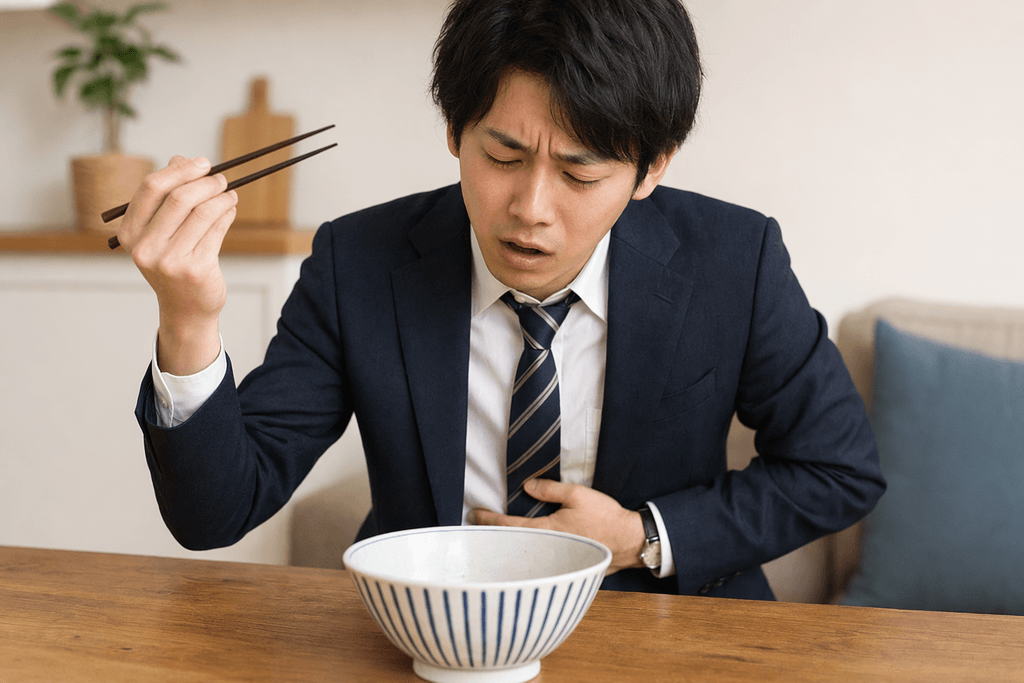
အလွန်ဆာ / ဗိုက်ဆာအရမ်း / ဆာပြင်းထန်
Word Forms
The basic and commonly used forms of this adjectival noun.
Basic forms
| Form | Word form | Usage |
|---|---|---|
| Imperfective form (mizenkei) | Used in forms such as darou. | |
| Continuative form (renyokei) | Used with de or ni. | |
| Conclusive form (shushikei) | Ends a sentence with da. | |
| Attributive form (rentaikei) | Modifies a noun with na. | |
| Conditional form (kateikei) | Expresses a condition with nara. | |
| Imperative form (meireikei) | Used in formal expressions such as de are. |
Common forms
差し引く
နုတ်သည်
差し引く
နုတ်သည်
Explanation
差し引く
နုတ်သည်
差し引く
စုစုပေါင်းမှ (ငွေ၊ ပမာဏ) လျှော့နှုတ်သည် / (ဂဏန်းကို) နှုတ်ခြင်းလုပ်သည် / အခြေအနေကို ထည့်သွင်းစဉ်းစား၍ ချိန်ညှိသည်
ကုန်ကျစရိတ်တွေကို နုတ်ယူမီက ရောင်းချမှုဝင်ငွေကိုသာကြည့်ပြီး လုပ်ငန်းရဲ့ အောင်မြင်မှု၊ မအောင်မြင်မှုကို ပြောဆိုတာက အလွန်တိုတောင်းအမြင်နဲ့ စိတ်ကူးမပါဘဲ ဆုံးဖြတ်လွန်းတယ်။

Word Forms
The basic and commonly used forms of this verb.
Basic forms
| Form | Word form | Usage |
|---|---|---|
| Imperfective form (mizenkei) | Connects to endings such as nai, reru, and seru. | |
| Continuative form (renyokei) | Connects to endings such as masu, tai, and ta. | |
| Conclusive form (shushikei) | Ends a sentence and serves as the dictionary form. | |
| Attributive form (rentaikei) | Modifies a noun. | |
| Conditional form (kateikei) | Combines with ba to express a condition. | |
| Imperative form (meireikei) | Expresses a command or instruction. |
Common forms
失調
လုပ်ငန်းဆောင်တာမညီမျှမှု
失調
လုပ်ငန်းဆောင်တာမညီမျှမှု
Explanation
失調
လုပ်ငန်းဆောင်တာမညီမျှမှု
失調
ချိန်ညှိမှုပျက်ခြင်း / ညီမျှမှုပျက်ခြင်း / ကိုယ်ခန္ဓာလုပ်ငန်းစဉ် မညီမညာဖြစ်ခြင်း
小脳၏ မညီမညာဖြစ်မှု (အထိန်းအကွပ်မရှိမှု) တိုးတက်လာပါက လမ်းလျှောက်ရာတွင် ယိုင်ယိုင်လဲလဲဖြစ်ခြင်းသာမက စကားပြောခြင်းနှင့် မျက်လုံးလှုပ်ရှားမှုများတွင်လည်း ချို့ယွင်းမှုများ ထိခိုက်ရောက်နိုင်သည်။

( Base form )
( romanization )
( romanization )
( hiragana historical )
( hiragana )
襲撃
စီးနင်းတိုက်ခိုက်မှု
襲撃
စီးနင်းတိုက်ခိုက်မှု
Explanation
襲撃
စီးနင်းတိုက်ခိုက်မှု
襲撃
ရုတ်တရက်ဝင်ရောက်တိုက်ခိုက်မှု / ကျူးကျော်တိုက်ခိုက်မှု / အကြမ်းဖက်တိုက်ခိုက်မှု

( Base form )
( romanization )
( kyūjitai )
( hiragana )
Loading...

JLPT N1 多言語単語帳・3032語 / JLPT N1 Multilingual Vocabulary: 3032 Words

Jonathan Waller 氏の JLPT Resources の語彙リスト・レベル分類を出典とし、CC BY の条件に従って DiQt が学習者向けに意味を作り直した3032語の単語帳です。JLPT公式の語彙リストではありません。
This collection of 3032 words is based on the vocabulary list and level classifications in Jonathan Waller’s JLPT Resources under CC BY, with meanings rewritten by DiQt for learners. It is not an official JLPT vocabulary list.
Key Operations
Select the first quiz:
Ctrl + Enter
View Explanation:Ctrl + G
Close a feedback:Esc
When selecting a quiz
Answer:Enter
Select a choice:↓ or ↑
Reading out the question:Ctrl + K
View Hint: Ctrl + M
I don't know: Ctrl + Y



