
JLPT N1 ဝေါဟာရအဓိပ္ပာယ် လေ့ကျင့်ခန်း - Unsolved

JLPT N1 စကားလုံး 3032 လုံး၏ မြန်မာအဓိပ္ပာယ်ကို အဖြေရွေးချယ်စရာ လေးခုပါသော မေးခွန်းများဖြင့် လေ့လာပါ။
-
မျှတမှု
-
မှီခိုမှု
-
ဘဏ်စာရင်းလက်ကျန်ငွေ
-
ချွေတာမှု / ရိုးရှင်းမှု
-
အများပြည်သူထံမှဖိတ်ခေါ်ခြင်း
-
တန်ဖိုး
-
ထုံကျဉ်သည်
-
ပြန့်စွန်းသည် / စိမ့်ထွက်သည်
-
တန်းစီဆက်လျက်ရှိသည်
-
ပြီးစီးမှု / ရောင်းရငွေ
-
ဖွဲ့စည်းပုံ / ငါးအစိမ်းလွှာ
-
ဝပ်
-
ကျောင်းမှခွင့်ယူရပ်နားမှု
-
ထောက်ပံ့ပေးမှု
-
လေး
-
တရားဝင်တောင်းဆိုသည်
-
ပေါက်ကြားစေသည် / ချန်လှပ်သည်
-
အညီလိုက်နာသည်
-
လိုအပ်သည်
-
အမြန်လုပ်ရန်တိုက်တွန်းသည်
-
မီးခိုးထွက်သည်
- 「尽きる・終わる」「死ぬ」の意のほか、動詞の連用形に付いて「すっかり〜する・極限まで〜する」の意を表す。
-
အချောသတ်လုပ်ငန်း
-
သင့်လျော်သောစွမ်းရည်
-
ဆင်ခြေလျှော
-
ဦး / ဒေါ်
-
ဂိုဏ်းအုပ်စု
-
ခံစားဟန်ပြသည်
-
အမည်ရေးသွင်းမှု
-
ပိတ်သိမ်းမှု
-
ဝင်စွက်ဖက်မှု
貴族
မှူးမတ်
貴族
မှူးမတ်
Explanation
貴族
မှူးမတ်
貴族
မင်းတန်းသား / အမြင့်စားလူမျိုး / အမြင့်စားအဖွဲ့ဝင်

( Base form )
( romanization )
( hiragana )
ベスト
အကောင်းဆုံး / လက်ပြတ်အင်္ကျီ
ベスト
အကောင်းဆုံး / လက်ပြတ်အင်္ကျီ
Explanation
အကောင်းဆုံး / လက်ပြတ်အင်္ကျီ
ベスト
လက်မပါ အပေါ်အင်္ကျီ / လက်မပါ အတွင်းအင်္ကျီ
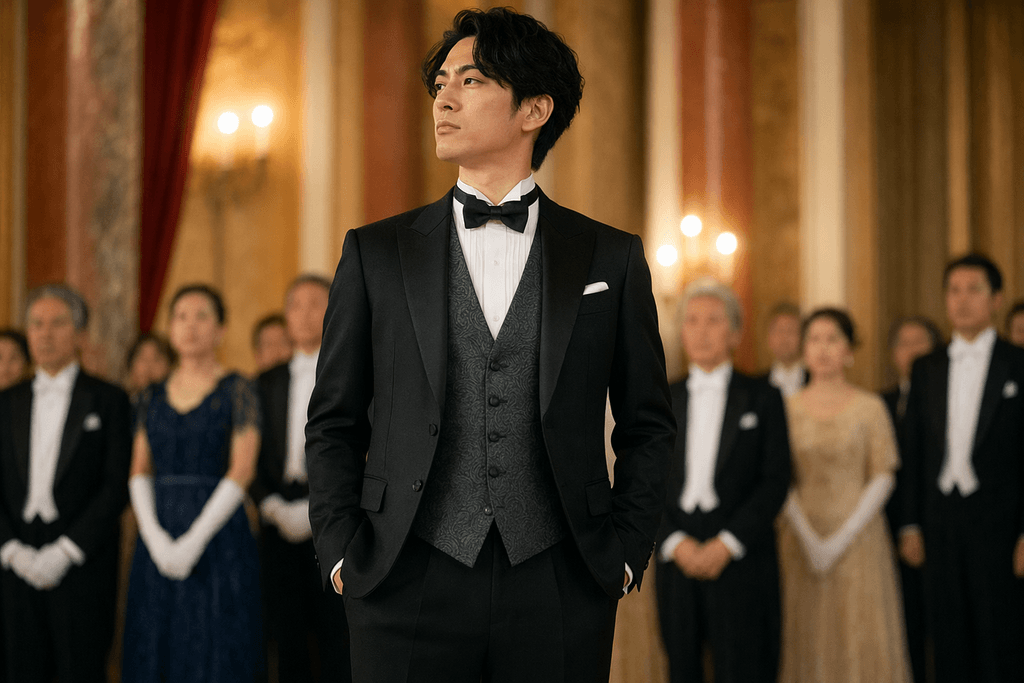
သူသည် တရားဝင်ဝတ်စုံ စည်းကမ်းသတ်မှတ်ချက်များ တင်းကျပ်သော အခမ်းအနားတွင်တောင်မှ ရည်ရွယ်ချက်ရှိရှိ ဗက်စတောင်ကို ဝတ်ဆင်ကာ ကိုယ်ပိုင်အလှအပအယူအဆကို တည်တံ့စွာ ဆက်လက်ထိန်းသိမ်းခဲ့သည်။
( romanization )
辿る
ခြေရာခံသည် / လမ်းအတိုင်းလိုက်သည်
辿る
ခြေရာခံသည် / လမ်းအတိုင်းလိုက်သည်
Explanation
辿る
ခြေရာခံသည် / လမ်းအတိုင်းလိုက်သည်
辿る
လမ်း/လမ်းကြောင်း/မြစ်ကြောင်းတစ်လျှောက် အတောင့်အတင်း လိုက်သွားသည် / ခြေရာ၊ သမိုင်း၊ လုပ်ငန်းစဉ်တို့ကို ခြေရာလိုက်/ခြေရာခံသည် / ဖြစ်ရပ်လမ်းစဉ်ကို လိုက်နာသွားသည်; လင့်ကို လိုက်ဖွင့်သည်

Word Forms
The basic and commonly used forms of this verb.
Basic forms
| Form | Word form | Usage |
|---|---|---|
| Imperfective form (mizenkei) |
Alternative:
辿ろ
|
Connects to endings such as nai, reru, and seru. |
| Continuative form (renyokei) |
Alternative:
辿っ
|
Connects to endings such as masu, tai, and ta. |
| Conclusive form (shushikei) | Ends a sentence and serves as the dictionary form. | |
| Attributive form (rentaikei) | Modifies a noun. | |
| Conditional form (kateikei) | Combines with ba to express a condition. | |
| Imperative form (meireikei) | Expresses a command or instruction. |
Common forms
繊維
အမျှင်
繊維
အမျှင်
Explanation
繊維
အမျှင်
繊維
မျှင် / မျှင်ပစ္စည်း / ချည်မျှင်
ပစ္စည်းသစ်များကို ဖွံ့ဖြိုးတိုးတက်စေမှုကြောင့် ယခင်ထက် ပိုမိုခိုင်မာပြီး ပိုမိုပေါ့ပါးသော ဖိုင်ဘာများကို လက်တွေ့အသုံးချနိုင်လာကာ လေယာဉ်အစိတ်အပိုင်းများ၏ ဒီဇိုင်းအယူအဆတောင် ပြန်လည်သစ်လွင်ပြောင်းလဲလာစေနေသည်။

( Base form )
( romanization )
( kyūjitai )
( hiragana )
探検
စူးစမ်းရှာဖွေမှု
探検
စူးစမ်းရှာဖွေမှု
Explanation
探検
စူးစမ်းရှာဖွေမှု
探検
စူးစမ်းလေ့လာမှု / ရှာဖွေစူးစမ်းခရီး / ရှာဖွေခရီးစဉ်
မသွားဖူးသေးသော နယ်မြေများသို့ စူးစမ်းလေ့လာခြင်းသည် ရိုမန်တစ်ဆန်မှုဖြင့် ပြည့်နှက်နေသလို၊ အသေးစိတ် စီမံကိန်းရေးဆွဲခြင်းနှင့် အန္တရာယ်စီမံခန့်ခွဲမှုတို့လည်း မဖြစ်မနေ လိုအပ်သည်။

( Base form )
( romanization )
( hiragana )
名付ける
အမည်ပေးသည်
名付ける
အမည်ပေးသည်
Explanation
名付ける
အမည်ပေးသည်
名付ける
အမည်ပေးသည် / အမည်တပ်သည်
သဘာဝဘေးဒဏ်ပြီးနောက် မွေးဖွားခဲ့သော သူ၏သမီးကို သူတို့ဆုံးၡုံးခဲ့သော သာမန်အသက်တာကို ပြန်လည်ရရှိရန် မျှော်လင့်ချက်ဖြင့် နိုဇိုမီဟု အမည်ပေးရန် ဆုံးဖြတ်လိုက်သည်။

Word Forms
The basic and commonly used forms of this verb.
Basic forms
| Form | Word form | Usage |
|---|---|---|
| Imperfective form (mizenkei) | Connects to endings such as nai, reru, and seru. | |
| Continuative form (renyokei) | Connects to endings such as masu, tai, and ta. | |
| Conclusive form (shushikei) | Ends a sentence and serves as the dictionary form. | |
| Attributive form (rentaikei) | Modifies a noun. | |
| Conditional form (kateikei) | Combines with ba to express a condition. | |
| Imperative form (meireikei) |
Alternative:
名付けよ
|
Expresses a command or instruction. |
Common forms
果てる
ပြီးဆုံးသည် / သေဆုံးသည်
果てる
ပြီးဆုံးသည် / သေဆုံးသည်
Explanation
果てる
ပြီးဆုံးသည် / သေဆုံးသည်
果てる
အဆုံးသတ်သွားသည် / သေဆုံးသည် / (ကြိယာနောက်တွဲ) အပြည့်အဝ၊ အကန့်အသတ်ထိ ပြီးပြတ်သည်

Word Forms
The basic and commonly used forms of this verb.
Basic forms
| Form | Word form | Usage |
|---|---|---|
| Imperfective form (mizenkei) | Connects to endings such as nai, reru, and seru. | |
| Continuative form (renyokei) | Connects to endings such as masu, tai, and ta. | |
| Conclusive form (shushikei) | Ends a sentence and serves as the dictionary form. | |
| Attributive form (rentaikei) | Modifies a noun. | |
| Conditional form (kateikei) | Combines with ba to express a condition. | |
| Imperative form (meireikei) |
Alternative:
果てよ
|
Expresses a command or instruction. |
Common forms
| Form | Word form | Usage |
|---|---|---|
| Te-form | Connects clauses with te. | |
| Ta-form | Expresses the past with ta. | |
| Nai-form | Expresses negation with nai. | |
| Masu-form | Used for polite speech. | |
| Ba-form | Expresses a condition with ba. | |
| Volitional form | Expresses intention or invitation. |
Notes
念
အတွေး / ဂရုစိုက်မှု
念
အတွေး / ဂရုစိုက်မှု
Explanation
念
အတွေး / ဂရုစိုက်မှု
念
စိတ်ခံစားမှု / အတွေးအခေါ် / အာရုံစိုက်မှု

( romanization )
( hiragana )
番目
အစဉ်အမှတ်
番目
အစဉ်အမှတ်
Explanation
番目
အစဉ်အမှတ်
番目
…မြောက် (အဆင့်/အစဉ်)

( Base form )
( romanization )
( hiragana )
熱湯
ရေနွေးပွက်ပွက်
熱湯
ရေနွေးပွက်ပွက်
Explanation
熱湯
ရေနွေးပွက်ပွက်
熱湯
ဆူနေသောရေ / ပူပြင်းသောရေ

( Base form )
( romanization )
( romanization )
( hiragana historical )
( hiragana )
Loading...

JLPT N1 多言語単語帳・3032語 / JLPT N1 Multilingual Vocabulary: 3032 Words

Jonathan Waller 氏の JLPT Resources の語彙リスト・レベル分類を出典とし、CC BY の条件に従って DiQt が学習者向けに意味を作り直した3032語の単語帳です。JLPT公式の語彙リストではありません。
This collection of 3032 words is based on the vocabulary list and level classifications in Jonathan Waller’s JLPT Resources under CC BY, with meanings rewritten by DiQt for learners. It is not an official JLPT vocabulary list.
Key Operations
Select the first quiz:
Ctrl + Enter
View Explanation:Ctrl + G
Close a feedback:Esc
When selecting a quiz
Answer:Enter
Select a choice:↓ or ↑
Reading out the question:Ctrl + K
View Hint: Ctrl + M
I don't know: Ctrl + Y



