
JLPT N1 ဝေါဟာရအဓိပ္ပာယ် လေ့ကျင့်ခန်း - Unsolved

JLPT N1 စကားလုံး 3032 လုံး၏ မြန်မာအဓိပ္ပာယ်ကို အဖြေရွေးချယ်စရာ လေးခုပါသော မေးခွန်းများဖြင့် လေ့လာပါ။
-
ရေပိုင်နက်
-
လူတန်းစား / ရာထူးအဆင့်
-
မီးဖွားခွင့်
-
စင်မြင့်သရုပ်ဆောင်မှု
-
အမျိုးအစား
-
ပြိုင်ပွဲ
-
မိုးလေဝသဖြစ်စဉ်
-
နယ်ပယ်
-
နည်းစနစ်
-
အလယ်လောက်
-
ချဲ့ကားခြင်း
-
နာရီ
-
ကူးတို့သင်္ဘော
-
ကိုယ်ခန္ဓာပုံသဏ္ဌာန်
-
မီးဖွားပြီးကာလ
-
တန်းတူယှဉ်နိုင်မှု
-
ပြည်တွင်းထုတ်လုပ်မှု
-
ပိုင်းခြားထားသောနေရာ
-
တရားဝင်အရွယ်ရောက်မှု
-
ကုန်ကျစရိတ်
-
ပြင်ပနေရာ
-
မောင်းထုတ်သည်
-
အစားအသောက်စီစဉ်သည် / စရိတ်ကျခံသည်
-
လိမ်ဆွဲသည်
-
ပြန်ရောက်လာသည်
-
အတိုင်းအတာဖြင့်ချုပ်သည် / ပြင်ဆင်သည်
-
အသွင်ပြောင်းသည်
-
မိတ်ဆက်ရှင်းလင်းပွဲ
-
ထွက်ကုန် / ရလဒ်
-
မကိန်း
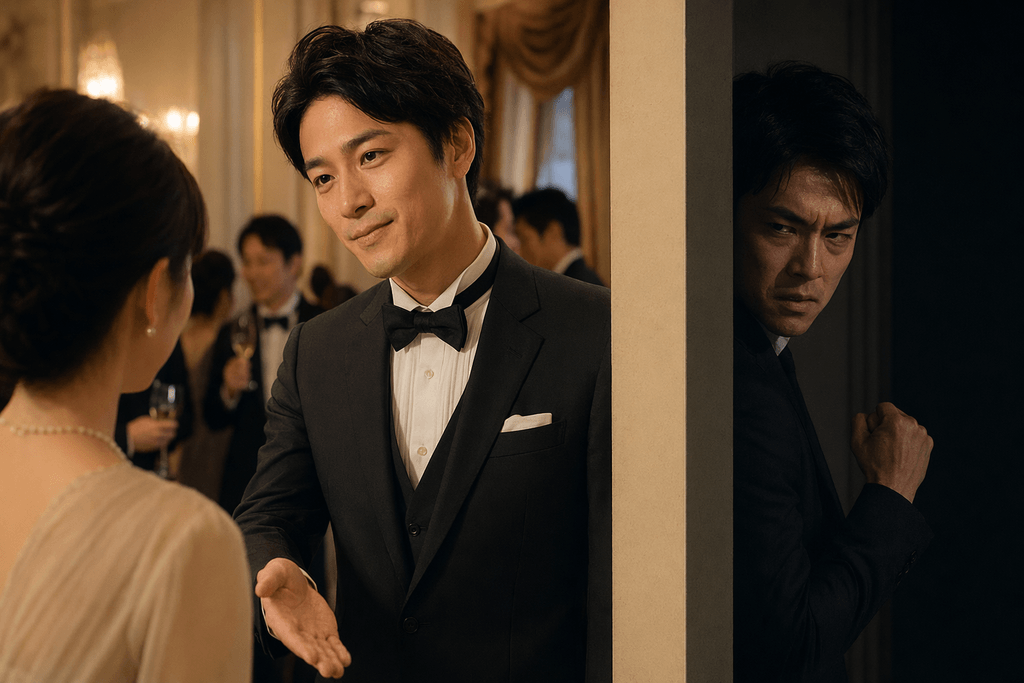
紳士
လူကြီးလူကောင်း
紳士
လူကြီးလူကောင်း
Explanation
紳士
လူကြီးလူကောင်း
紳士
ဂရုတစိုက်သဘောထားကောင်းတဲ့ အမျိုးသား / ယဉ်ကျေးသိမ်မွေ့သော လူကြီးလူကောင်း
対話
အပြန်အလှန်ဆွေးနွေးမှု
対話
အပြန်အလှန်ဆွေးနွေးမှု
Explanation
対話
အပြန်အလှန်ဆွေးနွေးမှု
対話
အပြန်အလှန် ဆွေးနွေးပြောဆိုမှု / ဆွေးနွေးပွဲ / စကားပြောဆိုမှု
အမြင်ကွဲလွဲမှု ဖြစ်ပေါ်လာသောအခါပင် အခံစားချက်အလိုက် မလှုံ့ဆော်ဘဲ ဆွေးနွေးမှုကို ထပ်ခါတလဲလဲ ဆက်လက်ပြုလုပ်ကာ အလျှော့ပေးနိုင်သည့် အမှတ်တစ်ခုကို ရှာဖွေရန်ဆိုသည့် အနေအထားကို လိုအပ်သည်။

( Base form )
( romanization )
( kyūjitai )
( hiragana )
伜
ကျွန်တော့်သား
伜
ကျွန်တော့်သား
Explanation
伜
ကျွန်တော့်သား
伜
ကိုယ့်သား / သားလေး (ကိုယ့်သား)
သားရဲ့ လက်လွတ်မိတဲ့အပြစ်ဟာ မိဘဖြစ်တဲ့ ကျွန်တော့်တာဝန်လည်းဖြစ်တယ်လို့ စိတ်ထဲမှာ ထင်ထင်ရှားရှား မှတ်သားပြီး သက်ဆိုင်ရာဌာနအဖွဲ့အစည်းတွေကို တစ်နေရာချင်း သွားပြီး ဦးညွှတ်တောင်းပန်ခဲ့တယ်။

( romanization )
( hiragana )
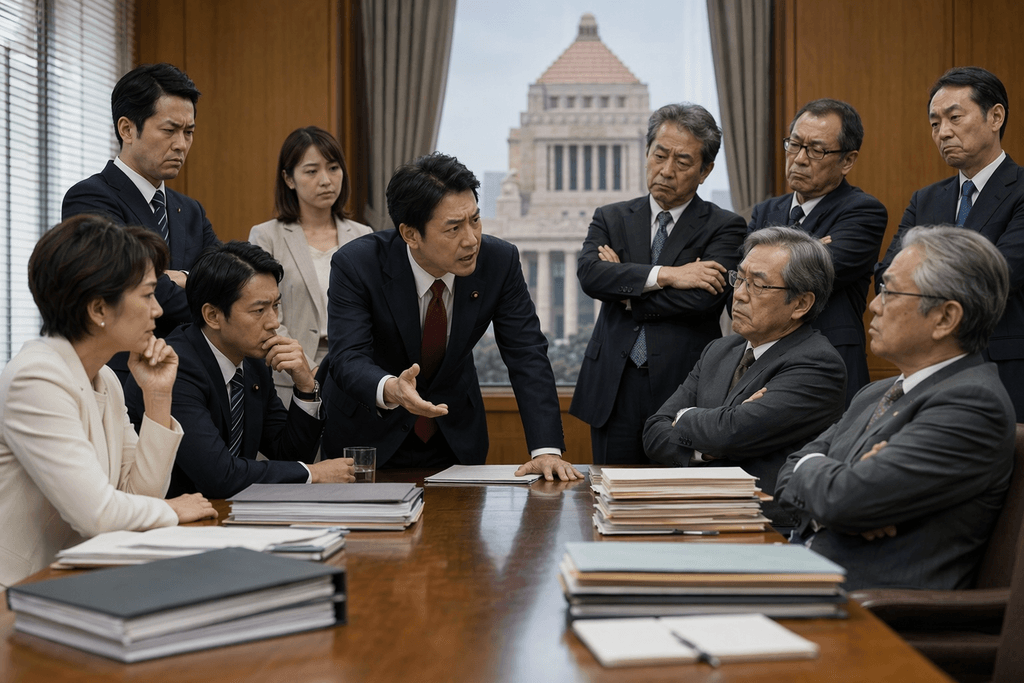
政権
နိုင်ငံရေးအာဏာ / အုပ်ချုပ်ရေးအစိုးရ
政権
နိုင်ငံရေးအာဏာ / အုပ်ချုပ်ရေးအစိုးရ
Explanation
政権
နိုင်ငံရေးအာဏာ / အုပ်ချုပ်ရေးအစိုးရ
政権
အစိုးရအုပ်ချုပ်ရေး / အစိုးရအာဏာ / အာဏာရှိသောအစိုးရ
အစိုးရသစ်သည် ရရှိပြီးသားအကျိုးစီးပွားအခွင့်အရေးများကို တိုက်ခိုက်ဖြိုခွဲမည့် ပြုပြင်ပြောင်းလဲရေးများကို ကြော်ငြာခဲ့သော်လည်း၊ အရာရှိရေးရာစနစ်၏ ခုခံမှုကြောင့် အကောင်အထည်ဖော်မှုအဆင့်တွင်ပင် ရပ်တန့်သွားခဲ့သည်။
( Base form )
( romanization )
( kyūjitai )
( hiragana )
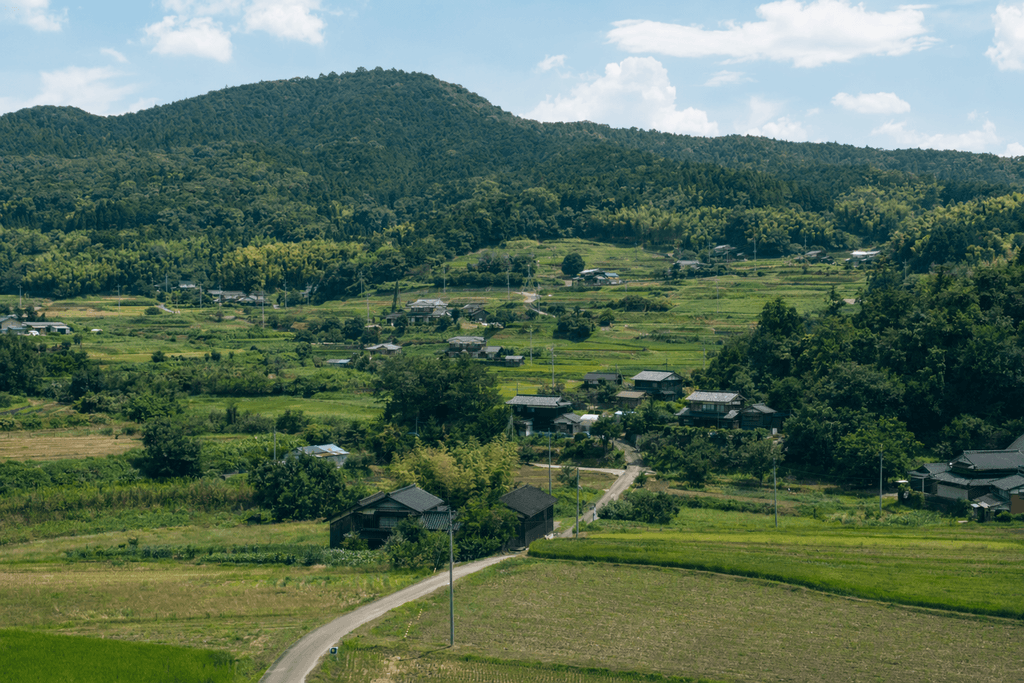
所々
နေရာအချို့
所々
နေရာအချို့
Explanation
所々
နေရာအချို့
所々
တစ်နေရာတစ်နေရာ / ဒီနေရာဟိုနေရာ / နေရာနေရာ
ဤရှေးဟောင်းစာတမ်းတွင် နေရာအချို့၌ အက္ခရာများ ပျောက်နေသော်လည်း အကြောင်းအရာ၏ ဆက်စပ်မှုကို သေချာသေချာ လိုက်လံဖတ်ရှုပါက အလုံးစုံ၏ အဓိကရည်ရွယ်ချက်ကို နားလည်ဖတ်ရှုနိုင်သည်။
異論
သဘောကွဲလွဲသောအမြင်
異論
သဘောကွဲလွဲသောအမြင်
Explanation
異論
သဘောကွဲလွဲသောအမြင်
異論
ကန့်ကွက်ချက် / မတူညီသောအမြင် / ဆန့်ကျင်သဘောထား

( Base form )
( romanization )
( hiragana )
誘惑
သွေးဆောင်မှု
誘惑
သွေးဆောင်မှု
Explanation
誘惑
သွေးဆောင်မှု
誘惑
ဆွဲဆောင်မှု / လိုလားစေသည့် ဆွဲဆောင်ခြင်း / လှောင်ဖမ်းခြင်း

( Base form )
( romanization )
( hiragana )
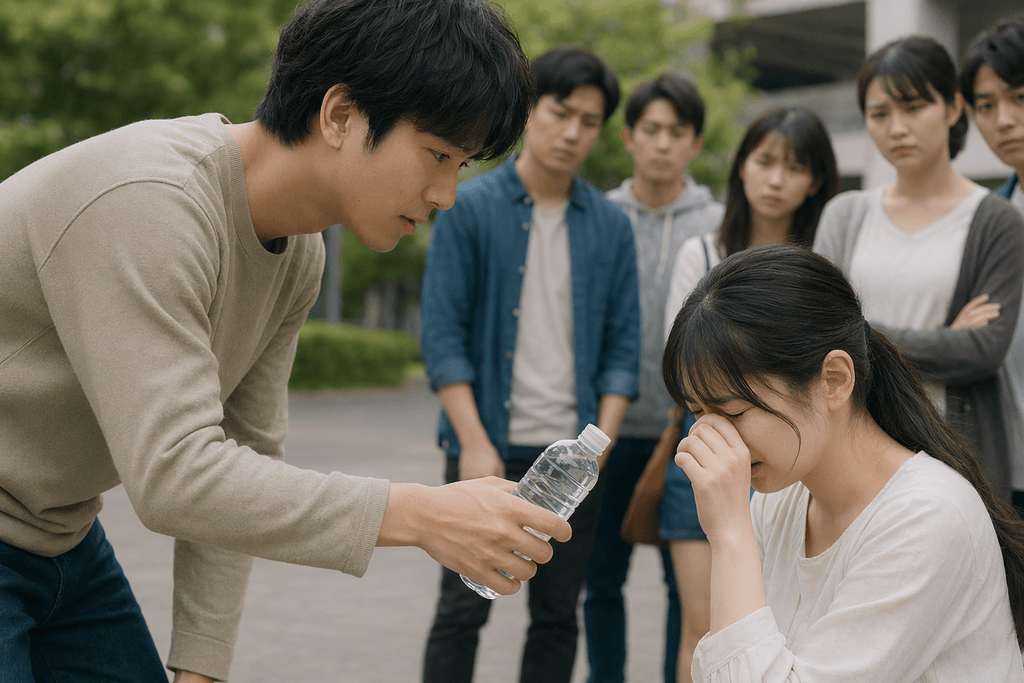
恥じる
အရှက်ရသည်
恥じる
အရှက်ရသည်
Explanation
恥じる
အရှက်ရသည်
恥じる
ရှက်ရသည် / ရှက်ခံစားသည် / မျက်နှာကျရသည်
အတိတ်က အမှားတွေကို ရှက်နေတတ်ရုံနဲ့တော့ ဘာမှ မပြောင်းလဲနိုင်ပါဘူး၊ ဒါကြောင့် အပြစ်ပြန်ဆပ်ဖို့အတွက် အခု လုပ်နိုင်တာတွေကို လုပ်ရပ်နဲ့ ပြသသင့်တယ်။

Word Forms
The basic and commonly used forms of this verb.
Basic forms
| Form | Word form | Usage |
|---|---|---|
| Imperfective form (mizenkei) | Connects to endings such as nai, reru, and seru. | |
| Continuative form (renyokei) | Connects to endings such as masu, tai, and ta. | |
| Conclusive form (shushikei) | Ends a sentence and serves as the dictionary form. | |
| Attributive form (rentaikei) | Modifies a noun. | |
| Conditional form (kateikei) | Combines with ba to express a condition. | |
| Imperative form (meireikei) |
Alternative:
恥じよ
|
Expresses a command or instruction. |
Common forms
見合わせる
အကြည့်ချင်းဆုံသည် / ဆိုင်းငံ့သည်
見合わせる
အကြည့်ချင်းဆုံသည် / ဆိုင်းငံ့သည်
Explanation
見合わせる
အကြည့်ချင်းဆုံသည် / ဆိုင်းငံ့သည်
見合わせる
အခြေအနေကြောင့် မလုပ်တော့ဘဲ ရပ်ဆိုင်း/ဖျက်သိမ်းသည် / အခြေအနေကိုကြည့်ပြီး ခဏဆိုင်းငံ့ထားသည်
တိုင်ဖွန်း ချဉ်းကပ် လာ သည်နှင့်အမျှ ၊ စီစဉ် သူ များ က ၊ အခြား အရာ အားလုံး ထက် ပါဝင် သူ များ ၏ လုံခြုံ မှု ကို ဦးစားပေး ပြီး ၊ သူ တို့ သည် မနက်ဖြန် ၏ အပြင်ဘက် အခမ်းအနား ကို ဖျက်သိမ်း လိမ့်မည် ဟု ကြော်ငြာ ခဲ့ သည် ။

Word Forms
The basic and commonly used forms of this verb.
Basic forms
| Form | Word form | Usage |
|---|---|---|
| Imperfective form (mizenkei) | Connects to endings such as nai, reru, and seru. | |
| Continuative form (renyokei) | Connects to endings such as masu, tai, and ta. | |
| Conclusive form (shushikei) | Ends a sentence and serves as the dictionary form. | |
| Attributive form (rentaikei) | Modifies a noun. | |
| Conditional form (kateikei) | Combines with ba to express a condition. | |
| Imperative form (meireikei) |
Alternative:
見合わせよ
|
Expresses a command or instruction. |
Common forms
行為
အပြုအမူ / အနေအထိုင်
行為
အပြုအမူ / အနေအထိုင်
Explanation
行為
အပြုအမူ / အနေအထိုင်
行為
လုပ်ရပ် / လုပ်ဆောင်မှု / အမူအကျင့်
( Base form )
( romanization )
( romanization )
( hiragana historical )
( hiragana )
Loading...

JLPT N1 多言語単語帳・3032語 / JLPT N1 Multilingual Vocabulary: 3032 Words

Jonathan Waller 氏の JLPT Resources の語彙リスト・レベル分類を出典とし、CC BY の条件に従って DiQt が学習者向けに意味を作り直した3032語の単語帳です。JLPT公式の語彙リストではありません。
This collection of 3032 words is based on the vocabulary list and level classifications in Jonathan Waller’s JLPT Resources under CC BY, with meanings rewritten by DiQt for learners. It is not an official JLPT vocabulary list.
Key Operations
Select the first quiz:
Ctrl + Enter
View Explanation:Ctrl + G
Close a feedback:Esc
When selecting a quiz
Answer:Enter
Select a choice:↓ or ↑
Reading out the question:Ctrl + K
View Hint: Ctrl + M
I don't know: Ctrl + Y



