
JLPT N4 แบบฝึกหัดความหมายคำศัพท์ - Unsolved

เรียนรู้ความหมายภาษาไทยของคำศัพท์ JLPT N4 จำนวน 631 คำด้วยคำถามแบบ 4 ตัวเลือก
-
เส้นผม
-
แบบนั้น
-
อื่น
-
นำเข้า
-
แตก / ร้าว
-
อธิษฐาน
-
คำตอบ
-
การใช้ประโยชน์
-
การอ่านบทเรียนล่วงหน้า
-
ชื่อว่า / กล่าว
-
คิด / รู้สึก
-
ถูกพบ
-
ความตั้งใจ
-
ไวยากรณ์
-
อากาศ / บรรยากาศ
-
ปู่ / ตา
-
แซนด์วิช
-
นกตัวเล็ก
-
แตก / ร้าว
-
ช่วย
-
วางแผน
-
เปลี่ยนแปลง
-
ไป / มา
-
พบ
- サ変動詞「する」に名詞「食事」が結合した複合動詞。
-
ลดให้ต่ำลง / แขวนไว้
-
ดำเนินการ
-
โกรธ
-
ละแวกบ้าน
-
ช่างตัดผม / ร้านตัดผม
-
พลเมือง
あんな
แบบโน้น
あんな
แบบโน้น
Explanation
แบบโน้น
あんな
แบบนั้น / อย่างนั้น / ประเภทนั้น

( romanization )
汚れる
เปื้อน
汚れる
เปื้อน
Explanation
汚れる
เปื้อน
汚れる
เปื้อนสกปรก / มัวหมอง/ด่างพร้อย / เสียพรหมจรรย์

Word Forms
The basic and commonly used forms of this verb.
Basic forms
| Form | Word form | Usage |
|---|---|---|
| Imperfective form (mizenkei) | Connects to endings such as nai, reru, and seru. | |
| Continuative form (renyokei) | Connects to endings such as masu, tai, and ta. | |
| Conclusive form (shushikei) | Ends a sentence and serves as the dictionary form. | |
| Attributive form (rentaikei) | Modifies a noun. | |
| Conditional form (kateikei) | Combines with ba to express a condition. | |
| Imperative form (meireikei) |
Alternative:
汚れよ
|
Expresses a command or instruction. |
Common forms
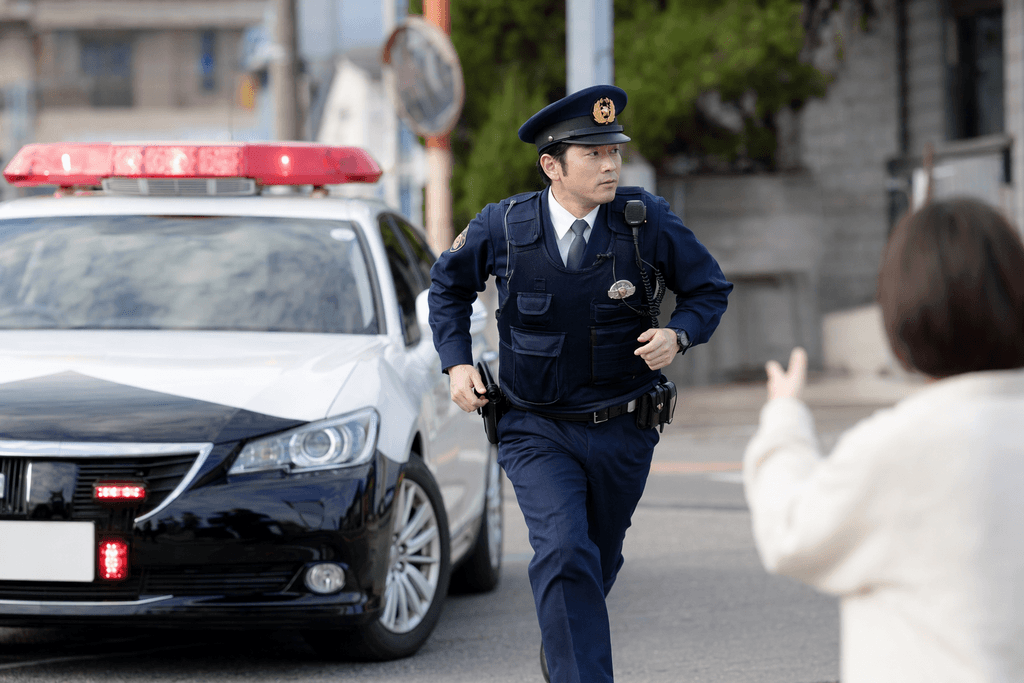
警察
ตำรวจ
警察
ตำรวจ
Explanation
警察
ตำรวจ
警察
ตำรวจ / หน่วยงานตำรวจ / กองกำลังบังคับใช้กฎหมาย
( Base form )
( romanization )
( hiragana )
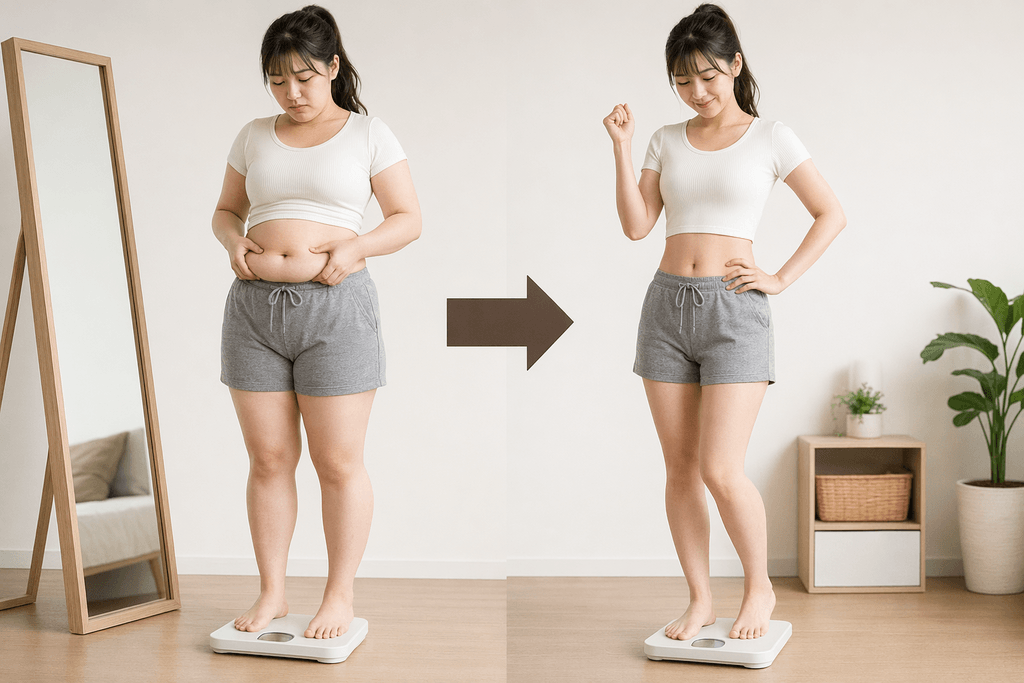
痩せる
ผอมลง
痩せる
ผอมลง
Explanation
痩せる
ผอมลง
痩せる
ผอมลง; น้ำหนักลด / (ดิน) เสื่อมโทรม; กลายเป็นดินเสื่อม
Word Forms
The basic and commonly used forms of this verb.
Basic forms
| Form | Word form | Usage |
|---|---|---|
| Imperfective form (mizenkei) | Connects to endings such as nai, reru, and seru. | |
| Continuative form (renyokei) | Connects to endings such as masu, tai, and ta. | |
| Conclusive form (shushikei) | Ends a sentence and serves as the dictionary form. | |
| Attributive form (rentaikei) | Modifies a noun. | |
| Conditional form (kateikei) | Combines with ba to express a condition. | |
| Imperative form (meireikei) |
Alternative:
痩せよ
|
Expresses a command or instruction. |
Common forms
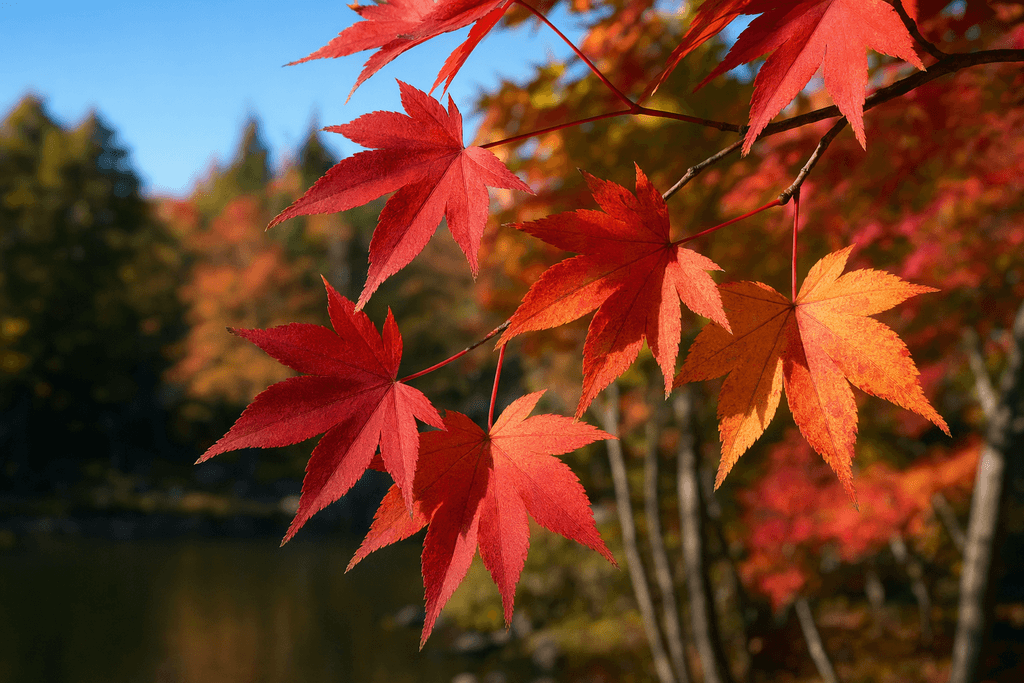
葉
ใบไม้
葉
ใบไม้
Explanation
葉
ใบไม้
葉
ใบไม้ / ใบพืช / ใบ (ของต้นไม้)
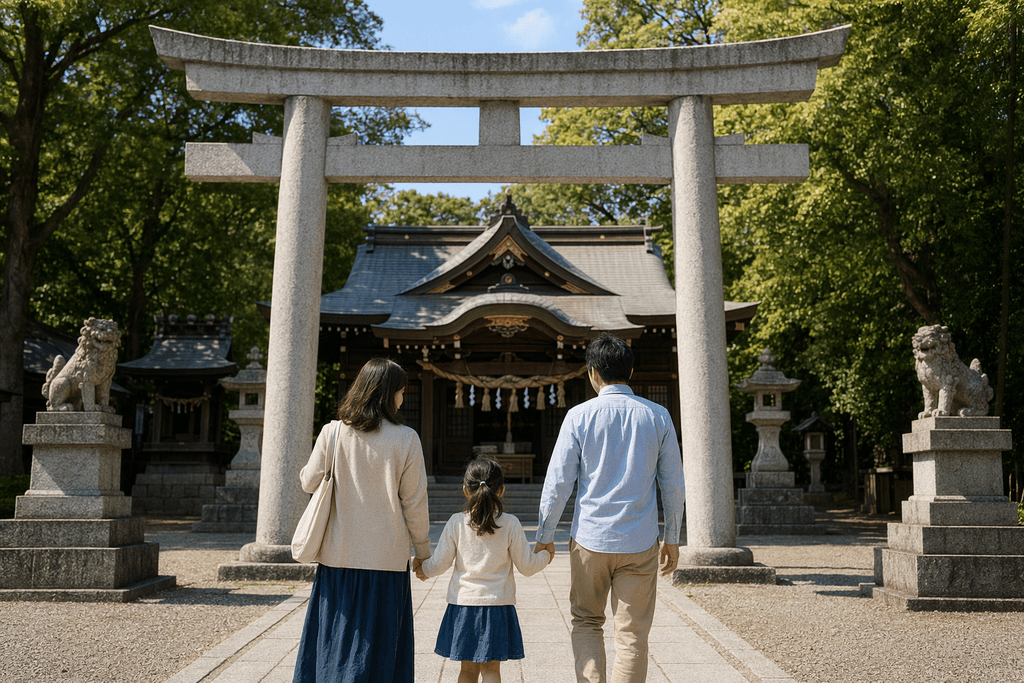
神社
ศาลเจ้าชินโต
神社
ศาลเจ้าชินโต
Explanation
神社
ศาลเจ้าชินโต
神社
ศาลเจ้าชินโต / ศาลเจ้า (ญี่ปุ่น)
( Base form )
( romanization )
( romanization )
( hiragana historical )
( hiragana )
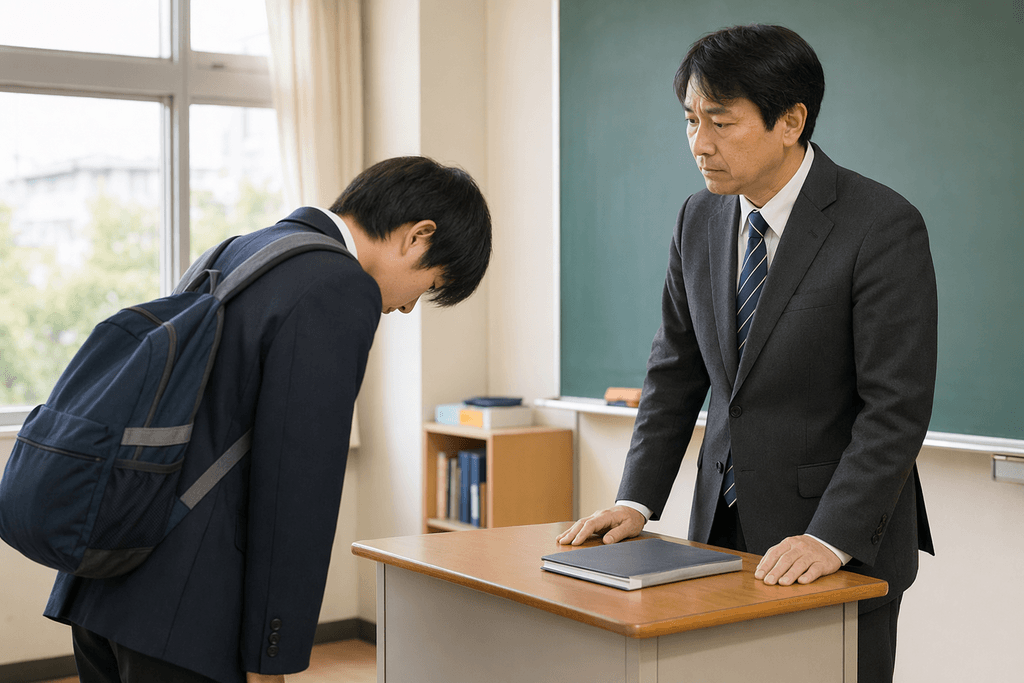
謝る
ขอโทษ
謝る
ขอโทษ
Explanation
謝る
ขอโทษ
謝る
ขอโทษ / ขออภัยเพื่อขอให้ยกโทษให้ / กล่าวคำขอโทษต่อความผิดพลาด
Word Forms
The basic and commonly used forms of this verb.
Basic forms
| Form | Word form | Usage |
|---|---|---|
| Imperfective form (mizenkei) | Connects to endings such as nai, reru, and seru. | |
| Continuative form (renyokei) | Connects to endings such as masu, tai, and ta. | |
| Conclusive form (shushikei) | Ends a sentence and serves as the dictionary form. | |
| Attributive form (rentaikei) | Modifies a noun. | |
| Conditional form (kateikei) | Combines with ba to express a condition. | |
| Imperative form (meireikei) | Expresses a command or instruction. |
Common forms
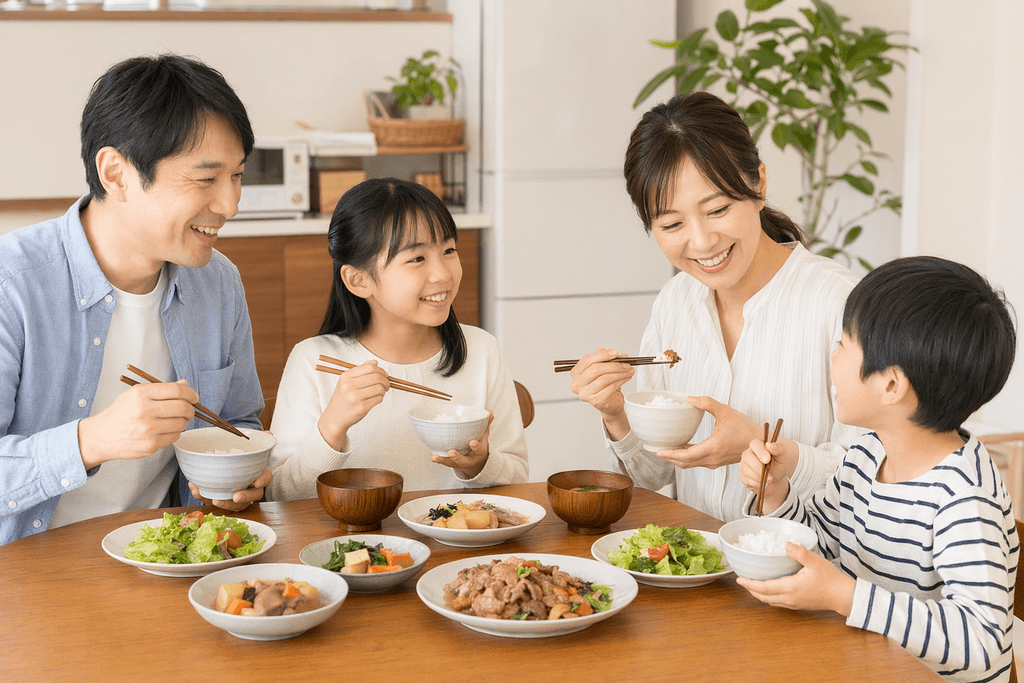
食事する
รับประทานอาหาร
食事する
รับประทานอาหาร
Explanation
食事する
รับประทานอาหาร
食事する
รับประทานอาหาร / กินข้าว / กินอาหารมื้อหนึ่ง
Word Forms
The basic and commonly used forms of this verb.
Basic forms
| Form | Word form | Usage |
|---|---|---|
| Imperfective form (mizenkei) |
Alternative:
食事せ
食事さ
|
Connects to endings such as nai, reru, and seru. |
| Continuative form (renyokei) | Connects to endings such as masu, tai, and ta. | |
| Conclusive form (shushikei) | Ends a sentence and serves as the dictionary form. | |
| Attributive form (rentaikei) | Modifies a noun. | |
| Conditional form (kateikei) | Combines with ba to express a condition. | |
| Imperative form (meireikei) |
Alternative:
食事せよ
|
Expresses a command or instruction. |
Common forms
| Form | Word form | Usage |
|---|---|---|
| Te-form | Connects clauses with te. | |
| Ta-form | Expresses the past with ta. | |
| Nai-form |
Alternative:
食事せぬ
|
Expresses negation with nai. |
| Masu-form | Used for polite speech. | |
| Ba-form | Expresses a condition with ba. | |
| Volitional form | Expresses intention or invitation. |
Notes
笑う
หัวเราะ / ยิ้ม
笑う
หัวเราะ / ยิ้ม
Explanation
笑う
หัวเราะ / ยิ้ม
笑う
หัวเราะ / ยิ้มแย้ม / หัวเราะเยาะ

Word Forms
The basic and commonly used forms of this verb.
Basic forms
| Form | Word form | Usage |
|---|---|---|
| Imperfective form (mizenkei) |
Alternative:
笑お
|
Connects to endings such as nai, reru, and seru. |
| Continuative form (renyokei) | Connects to endings such as masu, tai, and ta. | |
| Conclusive form (shushikei) | Ends a sentence and serves as the dictionary form. | |
| Attributive form (rentaikei) | Modifies a noun. | |
| Conditional form (kateikei) | Combines with ba to express a condition. | |
| Imperative form (meireikei) | Expresses a command or instruction. |
Common forms
社長
ประธานบริษัท
社長
ประธานบริษัท
Explanation
社長
ประธานบริษัท
社長
ประธานบริษัท / กรรมการผู้จัดการ / ผู้บริหารสูงสุดของบริษัท

( Base form )
( romanization )
( romanization )
( hiragana historical )
( hiragana )
Loading...

JLPT N4 多言語単語帳・631語 / JLPT N4 Multilingual Vocabulary: 631 Words

Jonathan Waller 氏の JLPT Resources の語彙リスト・レベル分類を出典とし、CC BY の条件に従って DiQt が初級向けに意味を作り直した631語の単語帳です。JLPT公式の語彙リストではありません。
This collection of 631 words is based on the vocabulary list and level classifications in Jonathan Waller’s JLPT Resources under CC BY, with meanings rewritten by DiQt for beginners. It is not an official JLPT vocabulary list.
Key Operations
Select the first quiz:
Ctrl + Enter
View Explanation:Ctrl + G
Close a feedback:Esc
When selecting a quiz
Answer:Enter
Select a choice:↓ or ↑
Reading out the question:Ctrl + K
View Hint: Ctrl + M
I don't know: Ctrl + Y



