
JLPT N4 詞義四選一 - Unsolved

透過四選一題目,用繁體中文學習JLPT N4的631個單字詞義。
-
最近
-
決不
-
大大地
-
用餐
-
咬 / 咀嚼
-
辦完
-
內人
-
停車場
-
應該
-
引導
-
橡皮擦
-
睡過頭
-
詢問
-
說
-
撿起
-
搬家
-
抄寫 / 拍照
-
變胖
- 「見る」の尊敬語。名詞「ご覧」+五段活用動詞「になる」として活用する。
- 命令形「ご覧になれ」は形としては可能だが、実際の丁寧な依頼では「ご覧になってください」「ご覧ください」などが一般的。
-
出席
-
過夜
-
停止
-
游泳方法
-
女兒
-
停車場
-
意思 / 緣由
-
昆蟲
-
頂樓
-
修理
-
搬遷 / 轉移
-
晃動 / 搖擺
全然
完全不
全然
完全不
Explanation
全然
完全不
全然
毫不;完全不(用於否定) / 完全地;絕對(口語,用於肯定)

( romanization )
沸かす
燒開水
沸かす
燒開水
Explanation
沸かす
燒開水
沸かす
把水煮開 / 將水煮沸 / 把水燒開

Word Forms
The basic and commonly used forms of this verb.
Basic forms
| Form | Word form | Usage |
|---|---|---|
| Imperfective form (mizenkei) |
Alternative:
沸かそ
|
Connects to endings such as nai, reru, and seru. |
| Continuative form (renyokei) | Connects to endings such as masu, tai, and ta. | |
| Conclusive form (shushikei) | Ends a sentence and serves as the dictionary form. | |
| Attributive form (rentaikei) | Modifies a noun. | |
| Conditional form (kateikei) | Combines with ba to express a condition. | |
| Imperative form (meireikei) | Expresses a command or instruction. |
Common forms
最後
結尾 / 最後
最後
結尾 / 最後
Explanation
最後
結尾 / 最後
最後
末尾 / 結尾 / 終局

( Base form )
( romanization )
( hiragana )
お見舞い
探病
お見舞い
探病
Explanation
お見舞い
探病
お見舞い
前往探病、慰問以關心對方健康 / 探病時所送的慰問品或慰問信

( Base form )
( romanization )
( romanization )
( hiragana historical )
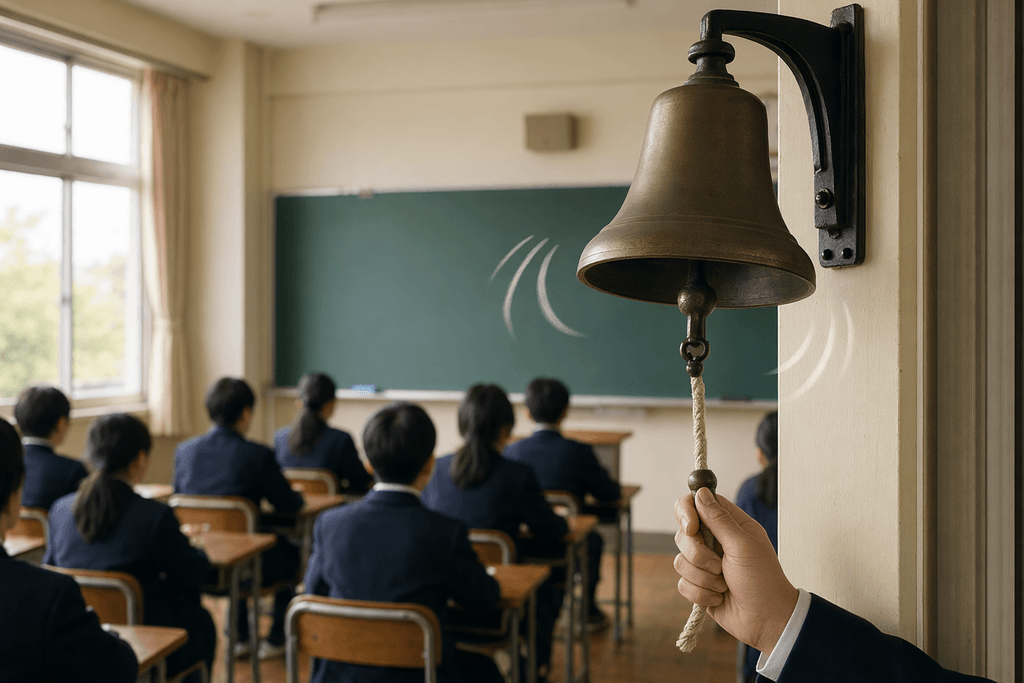
鳴る
響
鳴る
響
Explanation
鳴る
響
鳴る
發出聲響、作響 / (鐘、鈴)響起、鳴響 / 鳴笛、按喇叭、轟鳴
Word Forms
The basic and commonly used forms of this verb.
Basic forms
| Form | Word form | Usage |
|---|---|---|
| Imperfective form (mizenkei) |
Alternative:
鳴ろ
|
Connects to endings such as nai, reru, and seru. |
| Continuative form (renyokei) |
Alternative:
鳴っ
|
Connects to endings such as masu, tai, and ta. |
| Conclusive form (shushikei) | Ends a sentence and serves as the dictionary form. | |
| Attributive form (rentaikei) | Modifies a noun. | |
| Conditional form (kateikei) | Combines with ba to express a condition. | |
| Imperative form (meireikei) | Expresses a command or instruction. |
Common forms
ご覧になる
看見 / 觀看
ご覧になる
看見 / 觀看
Explanation
ご覧になる
看見 / 觀看
ご覧になる
(敬語)看、觀看 / (接在動詞て形後)試著……看看

Word Forms
The basic and commonly used forms of this verb.
Basic forms
| Form | Word form | Usage |
|---|---|---|
| Imperfective form (mizenkei) |
Alternative:
御覧になら
ごらんになら
|
Connects to endings such as nai, reru, and seru. |
| Continuative form (renyokei) |
Alternative:
御覧になり
ごらんになり
|
Connects to endings such as masu, tai, and ta. |
| Conclusive form (shushikei) |
Alternative:
御覧になる
ごらんになる
|
Ends a sentence and serves as the dictionary form. |
| Attributive form (rentaikei) |
Alternative:
御覧になる
ごらんになる
|
Modifies a noun. |
| Conditional form (kateikei) |
Alternative:
御覧になれ
ごらんになれ
|
Combines with ba to express a condition. |
| Imperative form (meireikei) |
Alternative:
御覧になれ
ごらんになれ
|
Expresses a command or instruction. |
Common forms
| Form | Word form | Usage |
|---|---|---|
| Te-form |
Alternative:
御覧になって
ごらんになって
|
Connects clauses with te. |
| Ta-form |
Alternative:
御覧になった
ごらんになった
|
Expresses the past with ta. |
| Nai-form |
Alternative:
御覧にならない
ごらんにならない
|
Expresses negation with nai. |
| Masu-form |
Alternative:
御覧になります
ごらんになります
|
Used for polite speech. |
| Ba-form |
Alternative:
御覧になれば
ごらんになれば
|
Expresses a condition with ba. |
| Volitional form |
Alternative:
御覧になろう
ごらんになろう
|
Expresses intention or invitation. |
Notes
落ちる
掉落
落ちる
掉落
Explanation
落ちる
掉落
落ちる
落下 / 掉落 / 墜落

Word Forms
The basic and commonly used forms of this verb.
Basic forms
| Form | Word form | Usage |
|---|---|---|
| Imperfective form (mizenkei) | Connects to endings such as nai, reru, and seru. | |
| Continuative form (renyokei) | Connects to endings such as masu, tai, and ta. | |
| Conclusive form (shushikei) | Ends a sentence and serves as the dictionary form. | |
| Attributive form (rentaikei) | Modifies a noun. | |
| Conditional form (kateikei) | Combines with ba to express a condition. | |
| Imperative form (meireikei) |
Alternative:
落ちよ
|
Expresses a command or instruction. |
Common forms
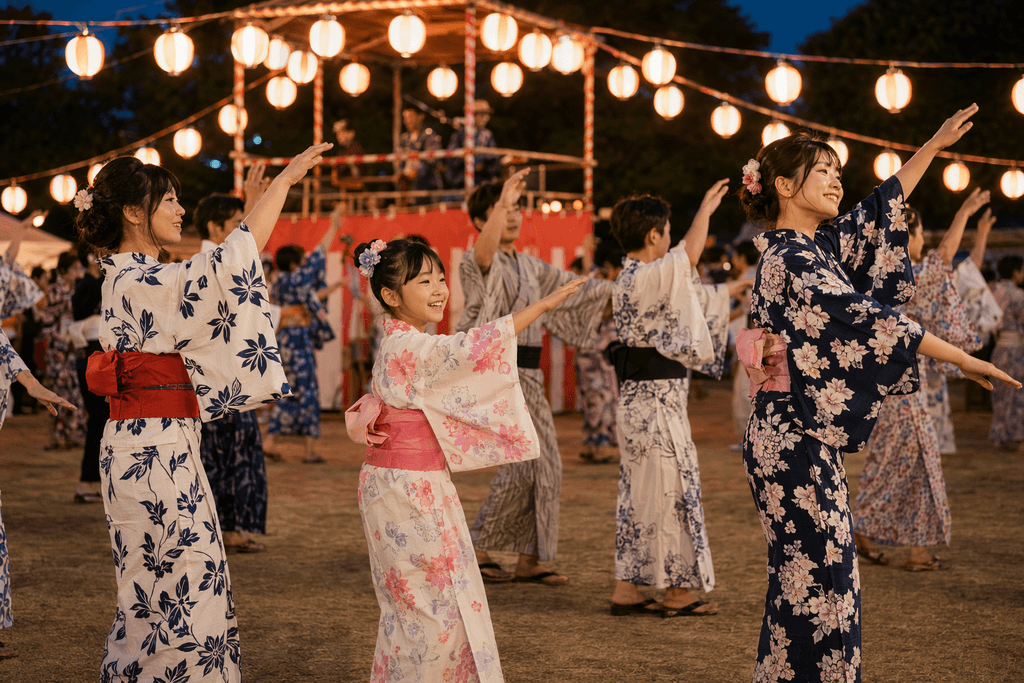
踊り
舞蹈
踊り
舞蹈
Explanation
踊り
舞蹈
踊り
舞蹈 / 跳舞 / 日本傳統舞蹈
( Base form )
( romanization )
( romanization )
( hiragana historical )
木綿
棉布
木綿
棉布
Explanation
木綿
棉布
木綿
棉花;棉布 / 以楮樹(構樹)樹皮纖維製成的繩

( romanization )
( romanization )
( hiragana historical )
( hiragana )
変える
改變
変える
改變
Explanation
変える
改變
変える
改變;變更 / 變更時間或地點

Word Forms
The basic and commonly used forms of this verb.
Basic forms
| Form | Word form | Usage |
|---|---|---|
| Imperfective form (mizenkei) | Connects to endings such as nai, reru, and seru. | |
| Continuative form (renyokei) | Connects to endings such as masu, tai, and ta. | |
| Conclusive form (shushikei) | Ends a sentence and serves as the dictionary form. | |
| Attributive form (rentaikei) | Modifies a noun. | |
| Conditional form (kateikei) | Combines with ba to express a condition. | |
| Imperative form (meireikei) |
Alternative:
変えよ
|
Expresses a command or instruction. |
Common forms
Loading...

JLPT N4 多言語単語帳・631語 / JLPT N4 Multilingual Vocabulary: 631 Words

Jonathan Waller 氏の JLPT Resources の語彙リスト・レベル分類を出典とし、CC BY の条件に従って DiQt が初級向けに意味を作り直した631語の単語帳です。JLPT公式の語彙リストではありません。
This collection of 631 words is based on the vocabulary list and level classifications in Jonathan Waller’s JLPT Resources under CC BY, with meanings rewritten by DiQt for beginners. It is not an official JLPT vocabulary list.
Key Operations
Select the first quiz:
Ctrl + Enter
View Explanation:Ctrl + G
Close a feedback:Esc
When selecting a quiz
Answer:Enter
Select a choice:↓ or ↑
Reading out the question:Ctrl + K
View Hint: Ctrl + M
I don't know: Ctrl + Y



