
JLPT N4 詞義四選一 - Unsolved

透過四選一題目,用繁體中文學習JLPT N4的631個單字詞義。
-
注意 / 小心
-
橡皮擦
-
線條
-
月亮
-
背面
-
做法
-
文字內容 / 教材
-
飛機場
-
石頭
-
比較
-
給我
-
修好
-
螢幕
-
線條
-
引導
-
展覽會
-
內人
-
遺忘的物品
-
世界
-
戒指
-
音樂會
-
喉嚨
-
生活
-
找零
-
說明
-
形狀
-
日式被褥
-
特快車
-
小偷
-
座位
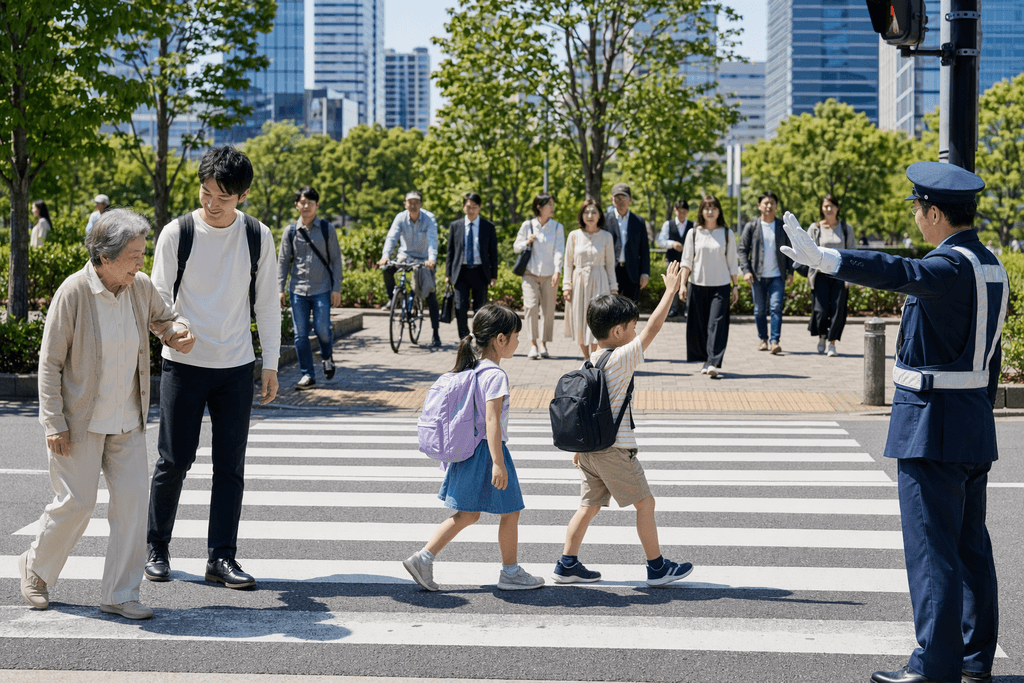
社会
社會
社会
社會
Explanation
社会
社會
社会
人類共同生活的整體 / 社會制度與組織的總和
( Base form )
( romanization )
( romanization )
( kyūjitai )
( hiragana historical )
( hiragana )
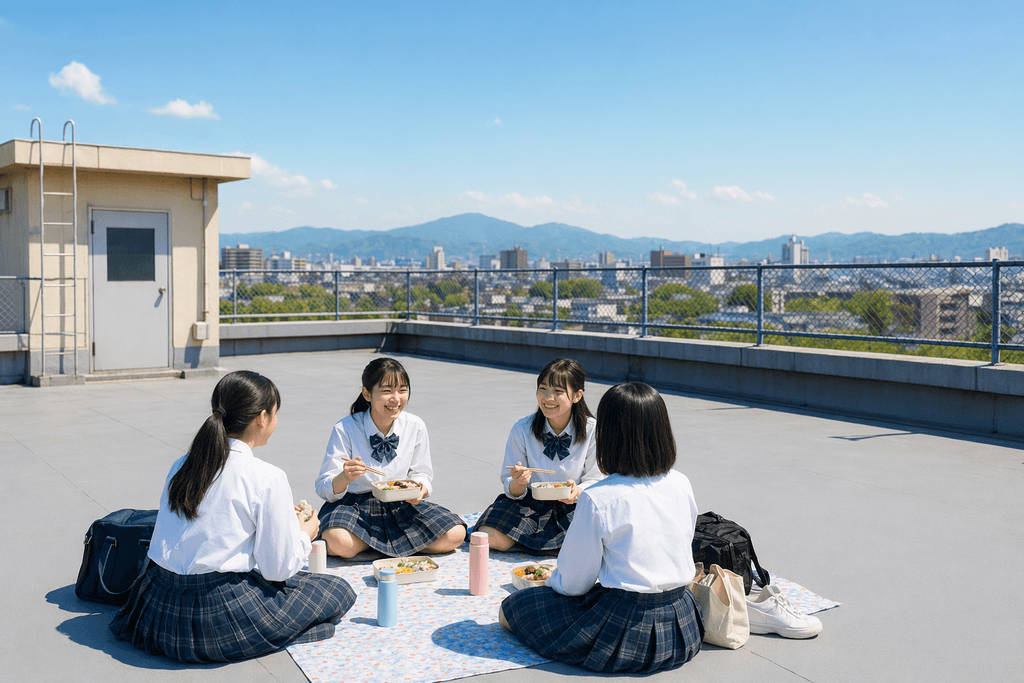
屋上
頂樓
屋上
頂樓
Explanation
屋上
頂樓
屋上
屋頂上 / 樓頂平臺 / 建築物的屋頂
( Base form )
( romanization )
( romanization )
( hiragana historical )
( hiragana )
ガソリンスタンド
加油站
ガソリンスタンド
加油站
Explanation
加油站
ガソリンスタンド
加油站 / 油站

( romanization )
騒ぐ
吵鬧 / 興奮起來
騒ぐ
吵鬧 / 興奮起來
Explanation
騒ぐ
吵鬧 / 興奮起來
騒ぐ
喧鬧;吵鬧 / 鬧著玩;作樂 / 喧嚷;鼓噪
Word Forms
The basic and commonly used forms of this verb.
Basic forms
| Form | Word form | Usage |
|---|---|---|
| Imperfective form (mizenkei) |
Alternative:
騒ご
|
Connects to endings such as nai, reru, and seru. |
| Continuative form (renyokei) |
Alternative:
騒い
|
Connects to endings such as masu, tai, and ta. |
| Conclusive form (shushikei) | Ends a sentence and serves as the dictionary form. | |
| Attributive form (rentaikei) | Modifies a noun. | |
| Conditional form (kateikei) | Combines with ba to express a condition. | |
| Imperative form (meireikei) | Expresses a command or instruction. |
Common forms
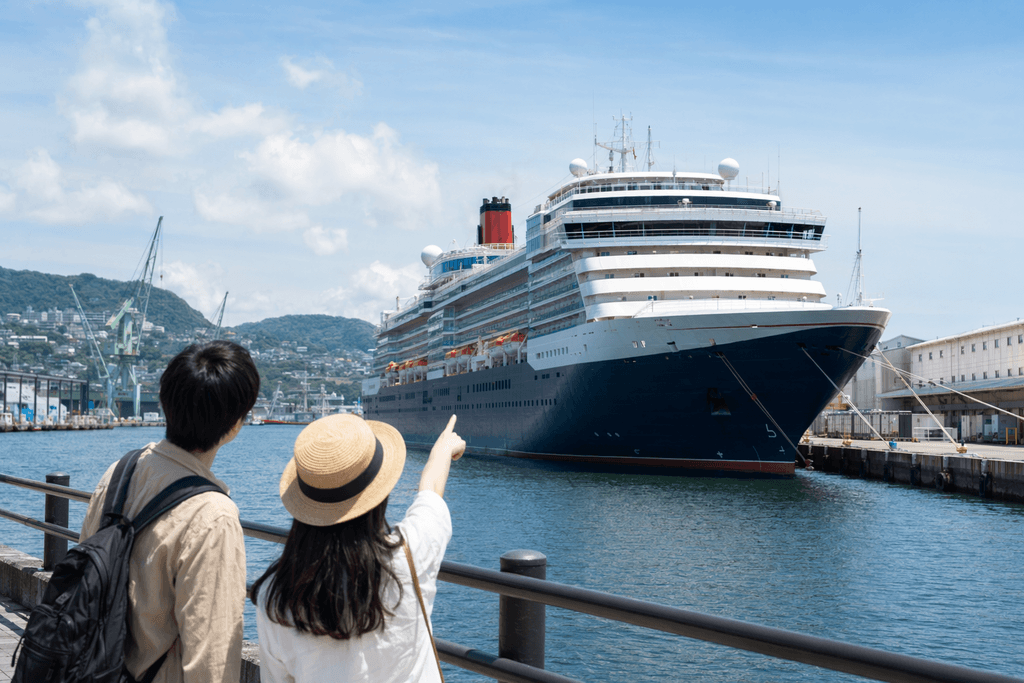
港
港口
港
港口
Explanation
港
港口
港
港口;海港 / 港灣,供船舶停泊處 / 香港的簡稱
( romanization )
( hiragana )
経験
經驗
経験
經驗
Explanation
経験
經驗
経験
親身經歷或一次體驗 / 個人的整體經驗或閱歷

( Base form )
( romanization )
( kyūjitai )
( hiragana )
おもちゃ
玩具
おもちゃ
玩具
Explanation
玩具
おもちゃ
玩具 / 供兒童玩耍的物品 / 小玩意

( romanization )
部長
部門經理
部長
部門經理
Explanation
部長
部門經理
部長
部門主管 / 部門經理 / 部門負責人

( Base form )
( romanization )
( hiragana )
拝見
拜閱
拝見
拜閱
Explanation
拝見
拜閱
拝見
謙語:觀看 / 謙語:看見 / 謙語:觀覽

( Base form )
( romanization )
( stem )
( Past )
( table-tags )
( inflection-template )
( imperfective stem )
( imperfective stem )
( imperfective )
( continuative stem )
( continuative stem )
( continuative )
( stem terminative )
( stem terminative )
( terminative )
( attributive stem )
( attributive stem )
( attributive )
( hypothetical stem )
( hypothetical stem )
( hypothetical )
( Imperative literary stem )
( colloquial Imperative stem )
( Imperative literary stem )
( colloquial Imperative stem )
( Imperative literary )
( colloquial Imperative )
( Passive voice )
( Passive voice )
( Passive voice )
( causative )
( causative )
( causative )
( causative )
( causative )
( causative )
( potential )
( potential )
( potential )
( volitional )
( volitional )
( volitional )
( negative )
( negative )
( negative )
( continuative negative )
( continuative negative )
( continuative negative )
( formal )
( formal )
( formal )
( perfective )
( perfective )
( perfective )
( conjunctive )
( conjunctive )
( conjunctive )
( Conditional hypothetical )
( Conditional hypothetical )
( Conditional hypothetical )
怪我
受傷
怪我
受傷
Explanation
怪我
受傷
怪我
傷 / 傷口 / 傷勢

( Base form )
( romanization )
( hiragana )
Loading...

JLPT N4 多言語単語帳・631語 / JLPT N4 Multilingual Vocabulary: 631 Words

Jonathan Waller 氏の JLPT Resources の語彙リスト・レベル分類を出典とし、CC BY の条件に従って DiQt が初級向けに意味を作り直した631語の単語帳です。JLPT公式の語彙リストではありません。
This collection of 631 words is based on the vocabulary list and level classifications in Jonathan Waller’s JLPT Resources under CC BY, with meanings rewritten by DiQt for beginners. It is not an official JLPT vocabulary list.
Key Operations
Select the first quiz:
Ctrl + Enter
View Explanation:Ctrl + G
Close a feedback:Esc
When selecting a quiz
Answer:Enter
Select a choice:↓ or ↑
Reading out the question:Ctrl + K
View Hint: Ctrl + M
I don't know: Ctrl + Y



