
JLPT N4 詞義四選一 - Unsolved

透過四選一題目,用繁體中文學習JLPT N4的631個單字詞義。
-
燒開水
-
帶著去
-
想 / 覺得
-
火
-
奇怪的
-
收銀機
-
女兒 / 年輕小姐
-
頭髮
-
蒸汽火車
-
筆直地 / 突然
-
通常
-
慢慢地 / 快要
-
類型 / 樣式
-
從前
-
睡過頭
-
祝賀
-
手套
-
收銀機
-
在 / 來
-
養育
-
偷竊
-
兩倍 / 倍
-
結束
-
沙拉
-
啊
-
是嗎
-
原來如此
-
大都會
-
座位
-
個人電腦
輸出する
出口
輸出する
出口
Explanation
輸出する
出口
輸出する
出口;外銷

Word Forms
The basic and commonly used forms of this verb.
Basic forms
| Form | Word form | Usage |
|---|---|---|
| Imperfective form (mizenkei) |
Alternative:
輸出せ
輸出さ
|
Connects to endings such as nai, reru, and seru. |
| Continuative form (renyokei) | Connects to endings such as masu, tai, and ta. | |
| Conclusive form (shushikei) | Ends a sentence and serves as the dictionary form. | |
| Attributive form (rentaikei) | Modifies a noun. | |
| Conditional form (kateikei) | Combines with ba to express a condition. | |
| Imperative form (meireikei) |
Alternative:
輸出せよ
|
Expresses a command or instruction. |
Common forms
| Form | Word form | Usage |
|---|---|---|
| Te-form | Connects clauses with te. | |
| Ta-form | Expresses the past with ta. | |
| Nai-form |
Alternative:
輸出せず
|
Expresses negation with nai. |
| Masu-form | Used for polite speech. | |
| Ba-form | Expresses a condition with ba. | |
| Volitional form | Expresses intention or invitation. |
歴史
歷史
歴史
歷史
Explanation
歴史
歷史
歴史
過去事件及其發展的總稱 / 研究歷史的學科

( Base form )
( romanization )
( hiragana )
ステレオ
立體音響
ステレオ
立體音響
Explanation
立體音響
ステレオ
立體聲 / 立體聲音響

( romanization )
最も
最
最も
最
Explanation
最も
最
最も
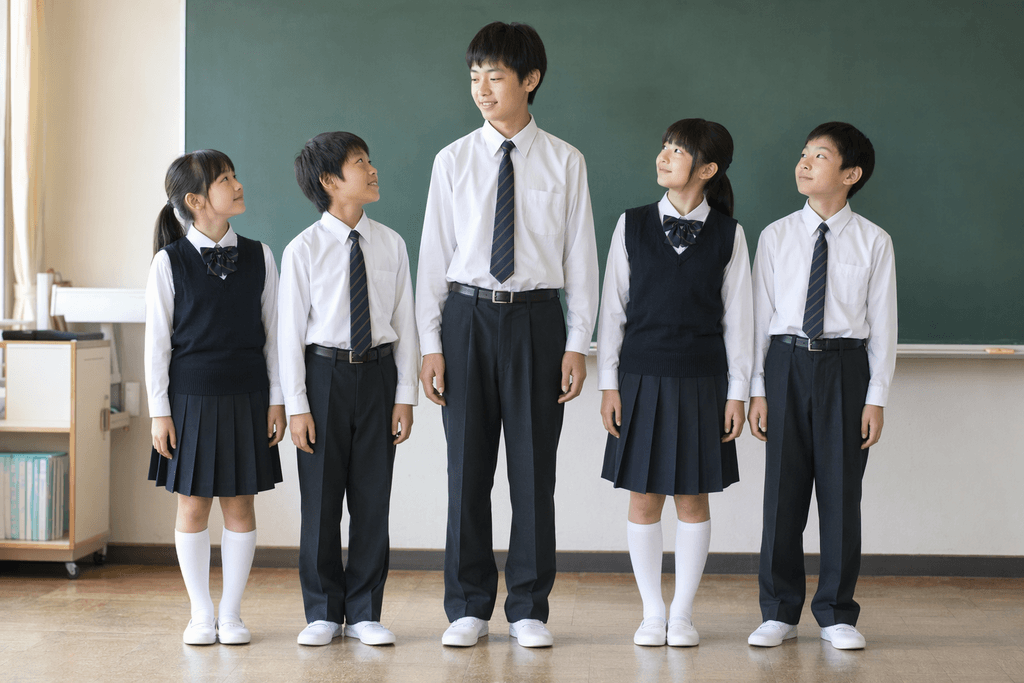
最 / 最為 / 最高程度地
( Base form )
( romanization )
注射
注射
注射
注射
Explanation
注射
注射
注射
以針筒將藥液等注入體內的醫療行為 / 打針

( Base form )
( romanization )
( hiragana )
祖父
祖父
祖父
祖父
Explanation
祖父
祖父
祖父
父母的父親 / 爺爺;外公

( Base form )
( romanization )
( hiragana )
打つ
打
打つ
打
Explanation
打つ
打
打つ
擊打;敲打(含棒球擊球) / 打字;輸入 / 做麵;擀麵

Word Forms
The basic and commonly used forms of this verb.
Basic forms
| Form | Word form | Usage |
|---|---|---|
| Imperfective form (mizenkei) |
Alternative:
打と
|
Connects to endings such as nai, reru, and seru. |
| Continuative form (renyokei) |
Alternative:
打っ
|
Connects to endings such as masu, tai, and ta. |
| Conclusive form (shushikei) | Ends a sentence and serves as the dictionary form. | |
| Attributive form (rentaikei) | Modifies a noun. | |
| Conditional form (kateikei) | Combines with ba to express a condition. | |
| Imperative form (meireikei) | Expresses a command or instruction. |
Common forms
サンダル
涼鞋
サンダル
涼鞋
Explanation
涼鞋
サンダル
涼鞋 / 露趾、以繫帶固定的鞋類
( romanization )
ああ
那樣
ああ
那樣
Explanation
那樣
ああ
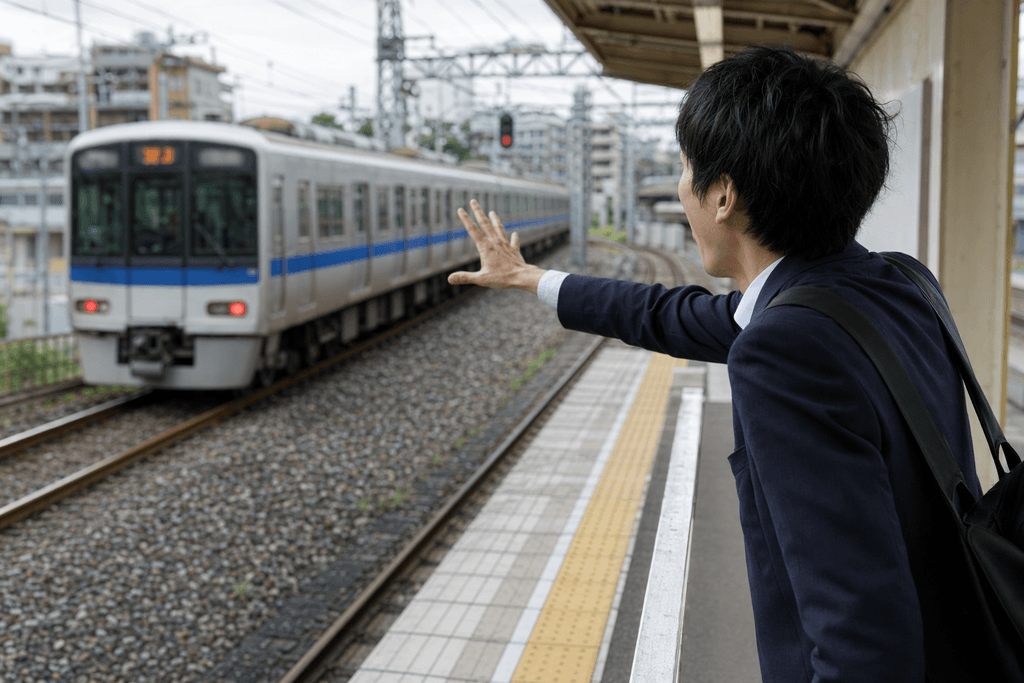
啊;哦 / 嗯;是的
予約
預約
予約
預約
Explanation
予約
預約
予約
預約 / 預訂 / 訂位

( Base form )
( romanization )
( kyūjitai )
( hiragana )
Loading...

JLPT N4 多言語単語帳・631語 / JLPT N4 Multilingual Vocabulary: 631 Words

Jonathan Waller 氏の JLPT Resources の語彙リスト・レベル分類を出典とし、CC BY の条件に従って DiQt が初級向けに意味を作り直した631語の単語帳です。JLPT公式の語彙リストではありません。
This collection of 631 words is based on the vocabulary list and level classifications in Jonathan Waller’s JLPT Resources under CC BY, with meanings rewritten by DiQt for beginners. It is not an official JLPT vocabulary list.
Key Operations
Select the first quiz:
Ctrl + Enter
View Explanation:Ctrl + G
Close a feedback:Esc
When selecting a quiz
Answer:Enter
Select a choice:↓ or ↑
Reading out the question:Ctrl + K
View Hint: Ctrl + M
I don't know: Ctrl + Y



