
JLPT N1 แบบฝึกหัดความหมายคำศัพท์ - Unsolved

เรียนรู้ความหมายภาษาไทยของคำศัพท์ JLPT N1 จำนวน 3032 คำด้วยคำถามแบบ 4 ตัวเลือก
-
เพิ่มเข้าไป / แนบมาด้วย
-
ใส่ให้เข้าพอดี / สวม
-
บังเอิญพบ
-
รู้สึกละอาย
-
ส่งมาให้
-
ได้รับบาดเจ็บ
-
คันดินริมแม่น้ำ
-
สุสาน
-
ไข่มุก
-
รับคำร้อง
-
หวาดกลัว
-
ถวาย
-
ของเก่าโบราณ
-
ข้อถกเถียงในสังคม
-
การตกแต่ง
-
ล้อมรอบ
-
ละลาย / หลงใหล
-
ทำให้บาดเจ็บ / ปวดใจ
-
รอยย่น / รอยยับ
-
ความแตกต่างละเอียดอ่อน
-
สายตาสั้น
-
การกำจัด / การจัดการปัญหา
-
หยดน้ำ
-
คุณผู้หญิง
-
สาธารณชนทั่วไป
-
กระแสน้ำในมหาสมุทร
-
คำขวัญ
-
ความอิจฉาริษยา
-
การจากลา
-
ที่ใช้อยู่ในปัจจุบัน
志す
มุ่งหวัง
志す
มุ่งหวัง
Explanation
志す
มุ่งหวัง
志す
ใฝ่ฝัน / มุ่งหมาย / ตั้งเป้าหมายว่าจะทำ

Word Forms
The basic and commonly used forms of this verb.
Basic forms
| Form | Word form | Usage |
|---|---|---|
| Imperfective form (mizenkei) |
Alternative:
志そ
|
Connects to endings such as nai, reru, and seru. |
| Continuative form (renyokei) | Connects to endings such as masu, tai, and ta. | |
| Conclusive form (shushikei) | Ends a sentence and serves as the dictionary form. | |
| Attributive form (rentaikei) | Modifies a noun. | |
| Conditional form (kateikei) | Combines with ba to express a condition. | |
| Imperative form (meireikei) | Expresses a command or instruction. |
Common forms
固める
ทำให้แข็ง / ทำให้มั่นคง
固める
ทำให้แข็ง / ทำให้มั่นคง
Explanation
固める
ทำให้แข็ง / ทำให้มั่นคง
固める
ทำให้แข็งตัว; ทำให้แน่น / ทำให้มั่นคง; เสริมความแข็งแกร่ง / ตั้งหลักปักฐาน; ลงหลักปักฐานในชีวิต

Word Forms
The basic and commonly used forms of this verb.
Basic forms
| Form | Word form | Usage |
|---|---|---|
| Imperfective form (mizenkei) | Connects to endings such as nai, reru, and seru. | |
| Continuative form (renyokei) | Connects to endings such as masu, tai, and ta. | |
| Conclusive form (shushikei) | Ends a sentence and serves as the dictionary form. | |
| Attributive form (rentaikei) | Modifies a noun. | |
| Conditional form (kateikei) | Combines with ba to express a condition. | |
| Imperative form (meireikei) |
Alternative:
固めよ
|
Expresses a command or instruction. |
Common forms
海抜
ความสูงจากระดับน้ำทะเล
海抜
ความสูงจากระดับน้ำทะเล
Explanation
海抜
ความสูงจากระดับน้ำทะเล
海抜
ความสูงเหนือระดับน้ำทะเล / ระดับความสูงจากน้ำทะเลปานกลาง
เนื่องจากจุดสังเกตการณ์นี้ตั้งอยู่สูงกว่าระดับน้ำทะเลสามพันเมตร จึงจำเป็นอย่างยิ่งต้องมีระบบการจัดการความปลอดภัยที่ตั้งอยู่บนสมมติฐานว่าความเข้มข้นของออกซิเจนจะลดลง

( Base form )
( romanization )
( hiragana )
顧みる
หันกลับมอง / คำนึงถึง
顧みる
หันกลับมอง / คำนึงถึง
Explanation
顧みる
หันกลับมอง / คำนึงถึง
顧みる
หันกลับไปมอง; มองย้อนกลับ / ใส่ใจ; เอาใจใส่ / คำนึงถึง; พิจารณาถึง

Word Forms
The basic and commonly used forms of this verb.
Basic forms
| Form | Word form | Usage |
|---|---|---|
| Imperfective form (mizenkei) | Connects to endings such as nai, reru, and seru. | |
| Continuative form (renyokei) | Connects to endings such as masu, tai, and ta. | |
| Conclusive form (shushikei) | Ends a sentence and serves as the dictionary form. | |
| Attributive form (rentaikei) | Modifies a noun. | |
| Conditional form (kateikei) | Combines with ba to express a condition. | |
| Imperative form (meireikei) |
Alternative:
顧みよ
|
Expresses a command or instruction. |
Common forms
提示
การนำเสนอ
提示
การนำเสนอ
Explanation
提示
การนำเสนอ
提示
การนำเสนอ / การแสดงหลักฐาน / การชี้ให้ดู/การแสดงให้เห็น

( Base form )
( romanization )
( hiragana )
差し支える
เป็นอุปสรรค
差し支える
เป็นอุปสรรค
Explanation
差し支える
เป็นอุปสรรค
差し支える
ขัดขวาง / เป็นอุปสรรค / ก่อให้เกิดความไม่สะดวก

Word Forms
The basic and commonly used forms of this verb.
Basic forms
| Form | Word form | Usage |
|---|---|---|
| Imperfective form (mizenkei) | Connects to endings such as nai, reru, and seru. | |
| Continuative form (renyokei) | Connects to endings such as masu, tai, and ta. | |
| Conclusive form (shushikei) | Ends a sentence and serves as the dictionary form. | |
| Attributive form (rentaikei) | Modifies a noun. | |
| Conditional form (kateikei) | Combines with ba to express a condition. | |
| Imperative form (meireikei) |
Alternative:
差し支えよ
|
Expresses a command or instruction. |
Common forms
六
หก
六
หก
Explanation
六
หก
六
เลขหก / จำนวนหก

( romanization )
( hiragana )
地主
เจ้าของที่ดิน
地主
เจ้าของที่ดิน
Explanation
地主
เจ้าของที่ดิน
地主
เจ้าของที่ดิน / 地主 / ผู้ครอบครองที่ดิน
หลังจากปรึกษาหารือกับผู้อยู่อาศัยซ้ําแล้วซ้ําเล่าเกี่ยวกับข้อดีและข้อเสียของแผนการพัฒนาขื้นใหม่เจ้าของที่ดินได้แสดงความตั้งใจที่จะจัดหาที่ดินส่วนหนึ่งเป็นพื้นที่สําหรับสิ่งอํานวยความสะดวกสาธารณะ

( Base form )
( romanization )
( hiragana )
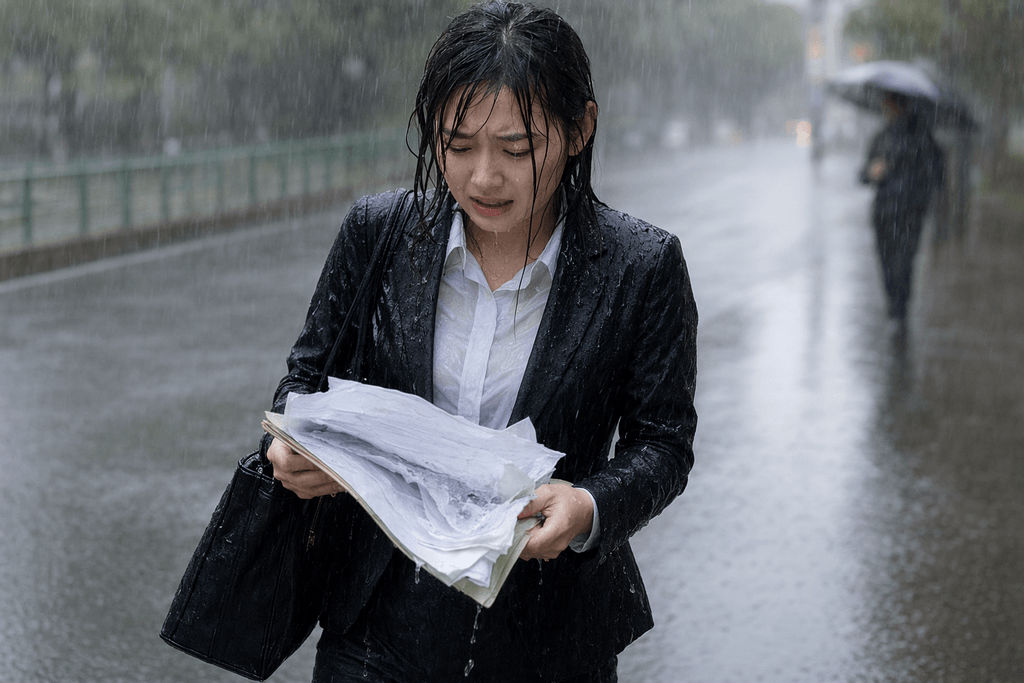
ずぶ濡れ
เปียกโชก
ずぶ濡れ
เปียกโชก
Explanation
ずぶ濡れ
เปียกโชก
ずぶ濡れ
เปียกโชก / เปียกปอนตั้งแต่หัวจรดเท้า / ชุ่มน้ำจนหยดติ๋ง
( Base form )
( romanization )
出産
การคลอดบุตร
出産
การคลอดบุตร
Explanation
出産
การคลอดบุตร
出産
การคลอดบุตร / การให้กำเนิดลูก / การทำคลอด

( Base form )
( romanization )
( kyūjitai )
( hiragana )
Loading...

JLPT N1 多言語単語帳・3032語 / JLPT N1 Multilingual Vocabulary: 3032 Words

Jonathan Waller 氏の JLPT Resources の語彙リスト・レベル分類を出典とし、CC BY の条件に従って DiQt が学習者向けに意味を作り直した3032語の単語帳です。JLPT公式の語彙リストではありません。
This collection of 3032 words is based on the vocabulary list and level classifications in Jonathan Waller’s JLPT Resources under CC BY, with meanings rewritten by DiQt for learners. It is not an official JLPT vocabulary list.
Key Operations
Select the first quiz:
Ctrl + Enter
View Explanation:Ctrl + G
Close a feedback:Esc
When selecting a quiz
Answer:Enter
Select a choice:↓ or ↑
Reading out the question:Ctrl + K
View Hint: Ctrl + M
I don't know: Ctrl + Y



