
JLPT N1 แบบฝึกหัดความหมายคำศัพท์ - Unsolved

เรียนรู้ความหมายภาษาไทยของคำศัพท์ JLPT N1 จำนวน 3032 คำด้วยคำถามแบบ 4 ตัวเลือก
-
พื้นที่แบ่งเป็นส่วน
-
ขีดบอกระดับ
-
การสั่งสม
-
หันหน้าไปทาง
-
โหยหา / รักใคร่บูชา
-
ถอยออก
- カ行下一段活用。
- 表記ゆれとして「引っかける」も用いられる。
-
ไม่รู้ทำไม
-
แต่เดิม
-
ไม่มากนัก
-
เยี่ยมเยือน / มาถึง
-
ยื่นคำร้องอย่างเป็นทางการ
-
รับดูแล / กลับไป
-
ความงาม
-
มัคคุเทศก์
-
การขยายตัว
-
อาชีพเสริม
-
เชือก
-
จุดแบ่งช่วง
-
สอบผ่าน
-
ทำหน้าที่ได้
-
เหนือกว่า
-
การโน้มน้าว
-
โวลต์ / สลักเกลียว
-
กลางแจ้ง
-
ความจำ / ความคุ้นเคย
-
เบาะแส
-
ความอเนกประสงค์ / อำนาจทุกอย่าง
-
ห่วงจับบนรถไฟ
-
การส่งไปเป็นพิเศษ
-
การแยกออก
補給
การส่งเสบียงเพิ่มเติม
補給
การส่งเสบียงเพิ่มเติม
Explanation
補給
การส่งเสบียงเพิ่มเติม
補給
การจัดส่งเสบียง / การเติมเสบียง/เติมของ / การสนับสนุนด้านเสบียง

( Base form )
( romanization )
( hiragana )
引っ掛ける
เกี่ยว / วางกับดัก
引っ掛ける
เกี่ยว / วางกับดัก
Explanation
引っ掛ける
เกี่ยว / วางกับดัก
引っ掛ける
เกี่ยว/คล้อง/ติดค้างจนเกี่ยวกัน / สาดหรือป้ายใส่; เท/ราดลงบน / สวม/ใส่อย่างลวก ๆ (เสื้อผ้าหรือรองเท้า)

Word Forms
The basic and commonly used forms of this verb.
Basic forms
| Form | Word form | Usage |
|---|---|---|
| Imperfective form (mizenkei) |
Alternative:
引っかけ
|
Connects to endings such as nai, reru, and seru. |
| Continuative form (renyokei) |
Alternative:
引っかけ
|
Connects to endings such as masu, tai, and ta. |
| Conclusive form (shushikei) |
Alternative:
引っかける
|
Ends a sentence and serves as the dictionary form. |
| Attributive form (rentaikei) |
Alternative:
引っかける
|
Modifies a noun. |
| Conditional form (kateikei) |
Alternative:
引っかけれ
|
Combines with ba to express a condition. |
| Imperative form (meireikei) |
Alternative:
引っ掛けよ
引っかけろ
引っかけよ
|
Expresses a command or instruction. |
Common forms
| Form | Word form | Usage |
|---|---|---|
| Te-form |
Alternative:
引っかけて
|
Connects clauses with te. |
| Ta-form |
Alternative:
引っかけた
|
Expresses the past with ta. |
| Nai-form |
Alternative:
引っかけない
|
Expresses negation with nai. |
| Masu-form |
Alternative:
引っかけます
|
Used for polite speech. |
| Ba-form |
Alternative:
引っかければ
|
Expresses a condition with ba. |
| Volitional form |
Alternative:
引っかけよう
|
Expresses intention or invitation. |
Notes
依然
ยังคงเหมือนเดิม
依然
ยังคงเหมือนเดิม
Explanation
依然
ยังคงเหมือนเดิม
依然
ยังคงเหมือนเดิม / ยังคงอยู่; ยังคง

( Base form )
( romanization )
( hiragana )
詰る
ตำหนิติเตียน
詰る
ตำหนิติเตียน
Explanation
詰る
ตำหนิติเตียน
詰る
ตำหนิอย่างรุนแรง; ดุว่า / ต่อว่า; โวยวายใส่ / จับผิด; กล่าวโทษ

Word Forms
The basic and commonly used forms of this verb.
Basic forms
| Form | Word form | Usage |
|---|---|---|
| Imperfective form (mizenkei) |
Alternative:
なじら
|
Connects to endings such as nai, reru, and seru. |
| Continuative form (renyokei) |
Alternative:
なじり
|
Connects to endings such as masu, tai, and ta. |
| Conclusive form (shushikei) |
Alternative:
なじる
|
Ends a sentence and serves as the dictionary form. |
| Attributive form (rentaikei) |
Alternative:
なじる
|
Modifies a noun. |
| Conditional form (kateikei) |
Alternative:
なじれ
|
Combines with ba to express a condition. |
| Imperative form (meireikei) |
Alternative:
なじれ
|
Expresses a command or instruction. |
Common forms
| Form | Word form | Usage |
|---|---|---|
| Te-form |
Alternative:
なじって
|
Connects clauses with te. |
| Ta-form |
Alternative:
なじった
|
Expresses the past with ta. |
| Nai-form |
Alternative:
なじらない
|
Expresses negation with nai. |
| Masu-form |
Alternative:
なじります
|
Used for polite speech. |
| Ba-form |
Alternative:
なじれば
|
Expresses a condition with ba. |
| Volitional form |
Alternative:
なじろう
|
Expresses intention or invitation. |
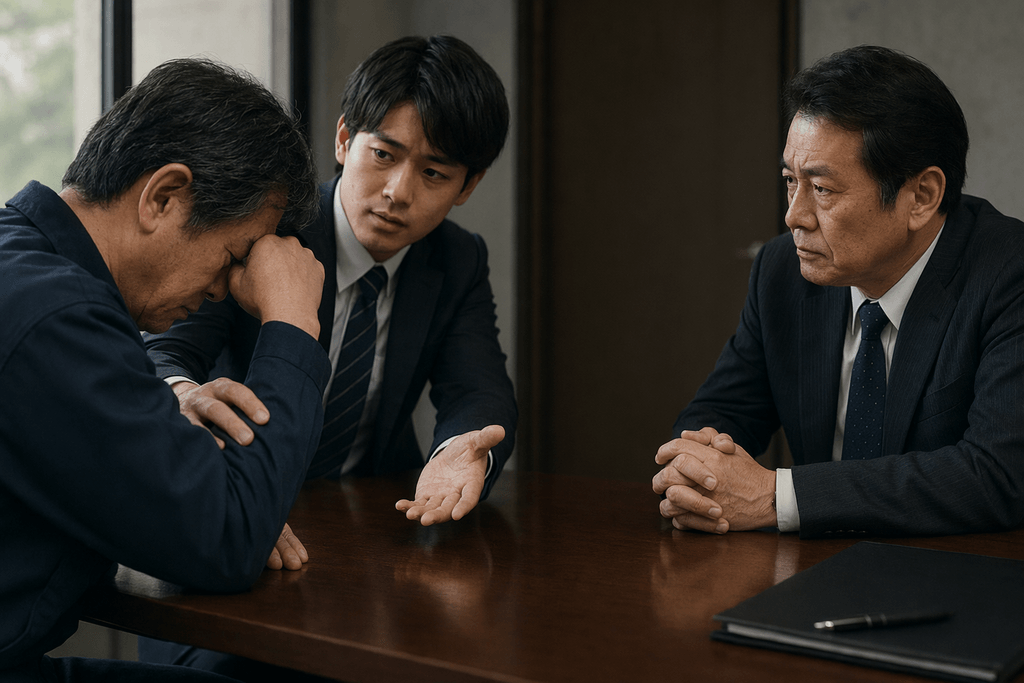
人情
น้ำใจมนุษย์
人情
น้ำใจมนุษย์
Explanation
人情
น้ำใจมนุษย์
人情
ความมีน้ำใจ / ความเห็นอกเห็นใจ / ความเมตตากรุณา
( Base form )
( romanization )
( hiragana )
ラベル
ฉลาก
ラベル
ฉลาก
Explanation
ฉลาก
ラベル
ฉลาก; ป้ายระบุ / ป้ายชื่อ (ติดบนสินค้า/สิ่งของ) / ฉลากกำกับประเภท/การจัดหมวดหมู่

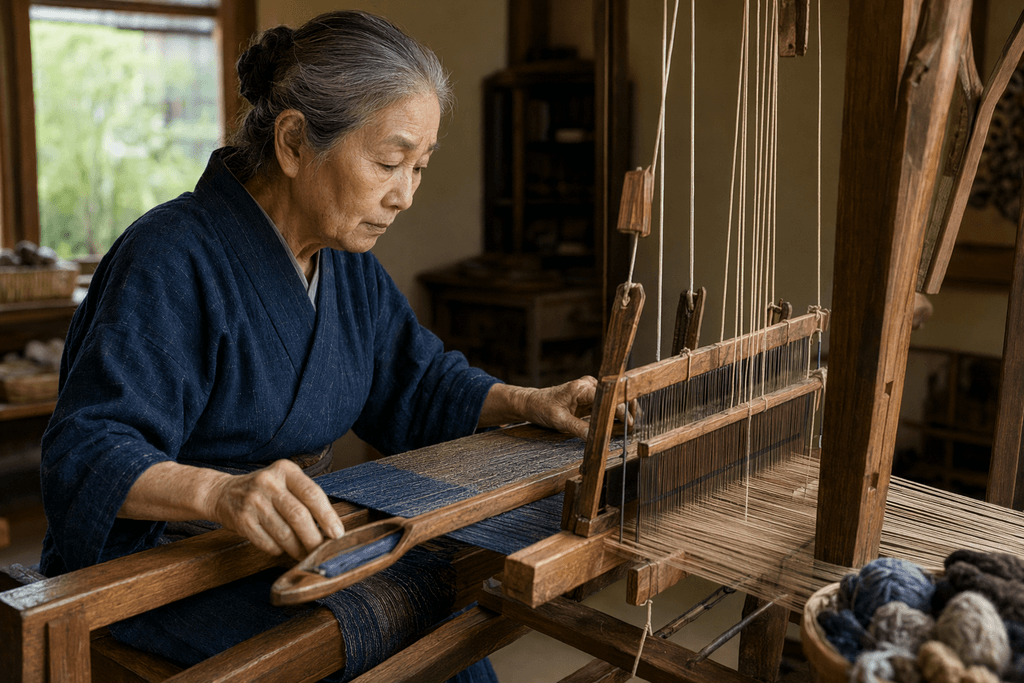
織る
ทอ
織る
ทอ
Explanation
織る
ทอ
織る
ทอ / ถักทอ / สานทอ
Word Forms
The basic and commonly used forms of this verb.
Basic forms
| Form | Word form | Usage |
|---|---|---|
| Imperfective form (mizenkei) |
Alternative:
織ろ
|
Connects to endings such as nai, reru, and seru. |
| Continuative form (renyokei) | Connects to endings such as masu, tai, and ta. | |
| Conclusive form (shushikei) | Ends a sentence and serves as the dictionary form. | |
| Attributive form (rentaikei) | Modifies a noun. | |
| Conditional form (kateikei) | Combines with ba to express a condition. | |
| Imperative form (meireikei) | Expresses a command or instruction. |
Common forms
潮
น้ำขึ้นน้ำลง
潮
น้ำขึ้นน้ำลง
Explanation
潮
น้ำขึ้นน้ำลง
潮
น้ำขึ้นน้ำลง / กระแสน้ำทะเลขึ้นลง

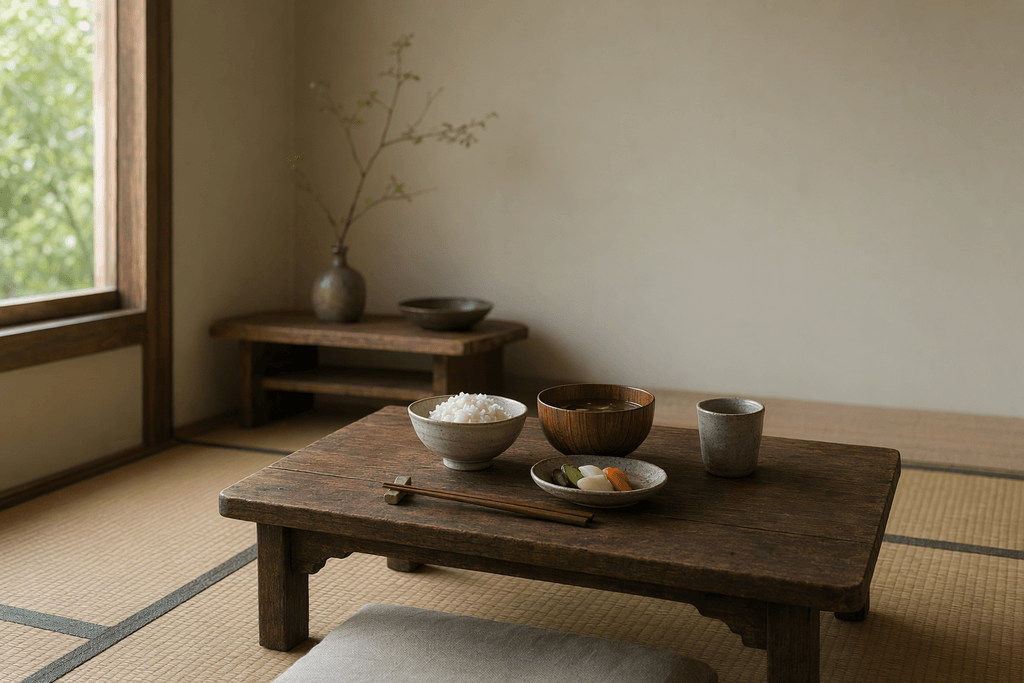
質素
ความประหยัดเรียบง่าย / ความเรียบง่าย
質素
ความประหยัดเรียบง่าย / ความเรียบง่าย
Explanation
質素
ความประหยัดเรียบง่าย / ความเรียบง่าย
質素
ความเรียบง่าย / ความสมถะ/ความประหยัด / ความไม่ฟุ่มเฟือย
( Base form )
( romanization )
( hiragana )
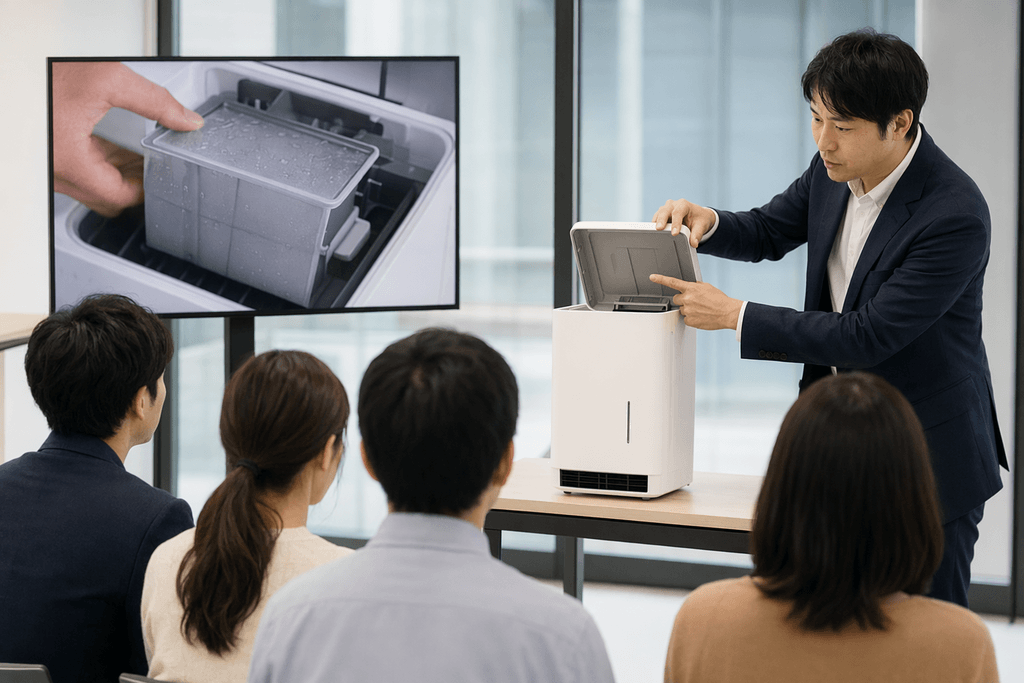
デモンストレーション
การสาธิต
デモンストレーション
การสาธิต
Explanation
การสาธิต
デモンストレーション
การสาธิต / การประท้วง (การชุมนุมแสดงพลัง) / การนำเสนอหรือแสดงให้เห็น
( romanization )
Loading...

JLPT N1 多言語単語帳・3032語 / JLPT N1 Multilingual Vocabulary: 3032 Words

Jonathan Waller 氏の JLPT Resources の語彙リスト・レベル分類を出典とし、CC BY の条件に従って DiQt が学習者向けに意味を作り直した3032語の単語帳です。JLPT公式の語彙リストではありません。
This collection of 3032 words is based on the vocabulary list and level classifications in Jonathan Waller’s JLPT Resources under CC BY, with meanings rewritten by DiQt for learners. It is not an official JLPT vocabulary list.
Key Operations
Select the first quiz:
Ctrl + Enter
View Explanation:Ctrl + G
Close a feedback:Esc
When selecting a quiz
Answer:Enter
Select a choice:↓ or ↑
Reading out the question:Ctrl + K
View Hint: Ctrl + M
I don't know: Ctrl + Y



