
JLPT N1 แบบฝึกหัดความหมายคำศัพท์ - Unsolved

เรียนรู้ความหมายภาษาไทยของคำศัพท์ JLPT N1 จำนวน 3032 คำด้วยคำถามแบบ 4 ตัวเลือก
-
ความเฉยชา
-
สาระโดยย่อ
-
ขอบเขต
-
ผัด
-
เสียดสีจนถลอก / เจนโลก
-
พายเรือ / ปั่นจักรยาน
-
เรือประมง
-
รถเช่า
-
หนาม / เสี้ยน
-
ส่วนต่างของเงิน
-
ผลกระทบ / หน้าที่การทำงาน
-
จอภาพ / ผู้ทดลองใช้สินค้า
-
เท่ากันหมด
-
กระแสนิยม / ความรุ่งเรืองทางเศรษฐกิจ
-
เด็กกำพร้า
-
ร่ายรำ / ปลิวว่อน
-
มีควันลอยขึ้น
-
ทำให้จม / จุ่มลงไป
- 標準的な現代仮名遣いは「とおざかる」。
-
การเสริมความแข็งแรง
-
ความตรงไปตรงมา
-
การเสริมกำลัง
-
มหรสพ
-
ความซื่อสัตย์
-
ทะเบียนครอบครัว
-
เรียกให้หยุด
-
พบเห็นโดยบังเอิญ
-
ทำให้แข็ง / ทำให้มั่นคง
- 五段活用の動詞。「舞うて」「舞うた」は古風・方言的な異形。
-
ท่าเทียบเรือ
-
การคิดเลขในใจ
-
ธรรมเนียมปฏิบัติเดิม
視点
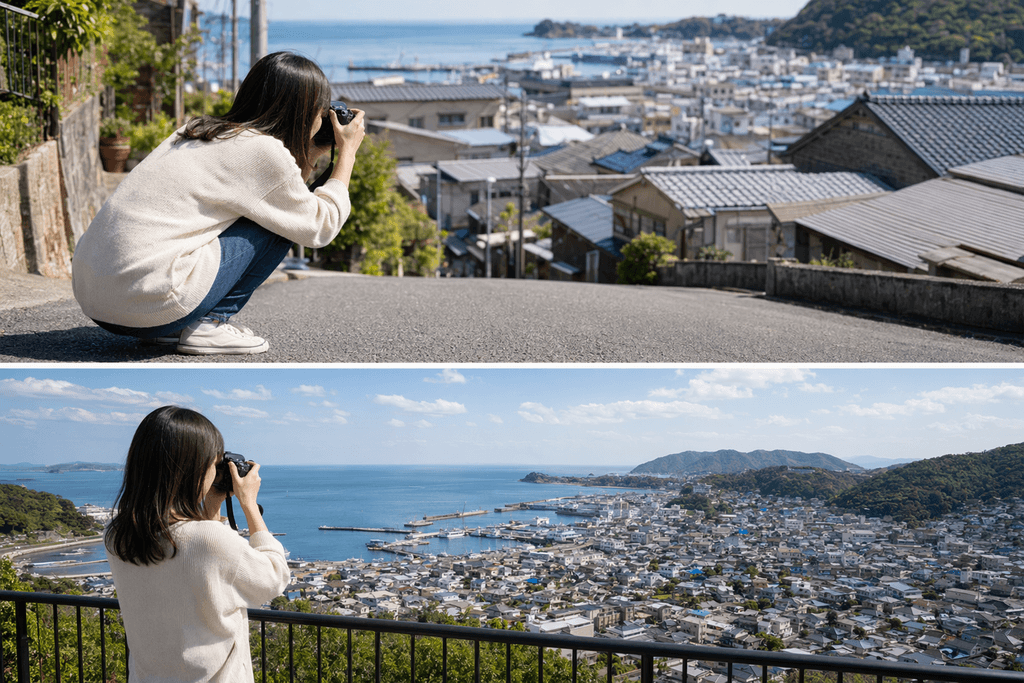
มุมมอง
視点
มุมมอง
Explanation
視点
มุมมอง
視点
จุดมอง (เชิงภาพ) / มุมมอง / ทัศนะ/ความคิดเห็น
( Base form )
( romanization )
( kyūjitai )
( hiragana )
葬る
ฝังศพ / ลบเลือนจากความทรงจำ
葬る
ฝังศพ / ลบเลือนจากความทรงจำ
Explanation
葬る
ฝังศพ / ลบเลือนจากความทรงจำ
葬る
ฝังศพ / ฝัง/ฝังกลบ / ทำให้เลือนหายไปจากความทรงจำ

Word Forms
The basic and commonly used forms of this verb.
Basic forms
| Form | Word form | Usage |
|---|---|---|
| Imperfective form (mizenkei) |
Alternative:
葬ろ
|
Connects to endings such as nai, reru, and seru. |
| Continuative form (renyokei) | Connects to endings such as masu, tai, and ta. | |
| Conclusive form (shushikei) | Ends a sentence and serves as the dictionary form. | |
| Attributive form (rentaikei) | Modifies a noun. | |
| Conditional form (kateikei) | Combines with ba to express a condition. | |
| Imperative form (meireikei) | Expresses a command or instruction. |
Common forms
同居
การอยู่ร่วมบ้าน
同居
การอยู่ร่วมบ้าน
Explanation
同居
การอยู่ร่วมบ้าน
同居
การอยู่ร่วมบ้านกัน / การอยู่อาศัยร่วมกัน

( Base form )
( romanization )
( hiragana )
間柄
ความสัมพันธ์
間柄
ความสัมพันธ์
Explanation
間柄
ความสัมพันธ์
間柄
ความสัมพันธ์ระหว่างกัน / ความสนิทหรือความบาดหมางระหว่างกัน / ความเป็นไมตรีหรือศัตรูต่อกัน

( Base form )
( romanization )
( romanization )
( hiragana historical )
( hiragana )
着席
การนั่งประจำที่
着席
การนั่งประจำที่
Explanation
着席
การนั่งประจำที่
着席
การนั่งลง / การเข้าที่นั่ง / การนั่งประจำที่

( Base form )
( romanization )
( hiragana )
とおざかる
ห่างออกไป
とおざかる
ห่างออกไป
Explanation
ห่างออกไป
とおざかる
ถอยห่างออกไป / ไปไกลออกไป / ห่างเหิน/ห่างกันมากขึ้น

Word Forms
The basic and commonly used forms of this verb.
Basic forms
| Form | Word form | Usage |
|---|---|---|
| Imperfective form (mizenkei) | Connects to endings such as nai, reru, and seru. | |
| Continuative form (renyokei) | Connects to endings such as masu, tai, and ta. | |
| Conclusive form (shushikei) | Ends a sentence and serves as the dictionary form. | |
| Attributive form (rentaikei) | Modifies a noun. | |
| Conditional form (kateikei) | Combines with ba to express a condition. | |
| Imperative form (meireikei) | Expresses a command or instruction. |
Common forms
| Form | Word form | Usage |
|---|---|---|
| Te-form | Connects clauses with te. | |
| Ta-form | Expresses the past with ta. | |
| Nai-form | Expresses negation with nai. | |
| Masu-form | Used for polite speech. | |
| Ba-form | Expresses a condition with ba. | |
| Volitional form | Expresses intention or invitation. |
Notes
補助
การช่วยเหลือ
補助
การช่วยเหลือ
Explanation
補助
การช่วยเหลือ
補助
ความช่วยเหลือ / การสนับสนุน / เงินอุดหนุน

( Base form )
( romanization )
( romanization )
( hiragana historical )
( hiragana )
本名
ชื่อจริง
本名
ชื่อจริง
Explanation
本名
ชื่อจริง
本名
ชื่อจริง / ชื่อโดยกำเนิด / นามจริง (ไม่ใช่นามแฝง)
แม้กระทั่งตอนนี้ผลงานที่เขาตีพิมพ์ภายใต้นามปากกามาหลายปีก็ได้รับชื่อเสียงที่มั่นคงการปฏิเสธที่จะเปิดเผยชื่อจริงของเขาก็สื่อถึงหลักการด้านสุนทรียศาสตร์ที่สอดคล้องกัน

( Base form )
( romanization )
( romanization )
( hiragana historical )
( hiragana )
舞う
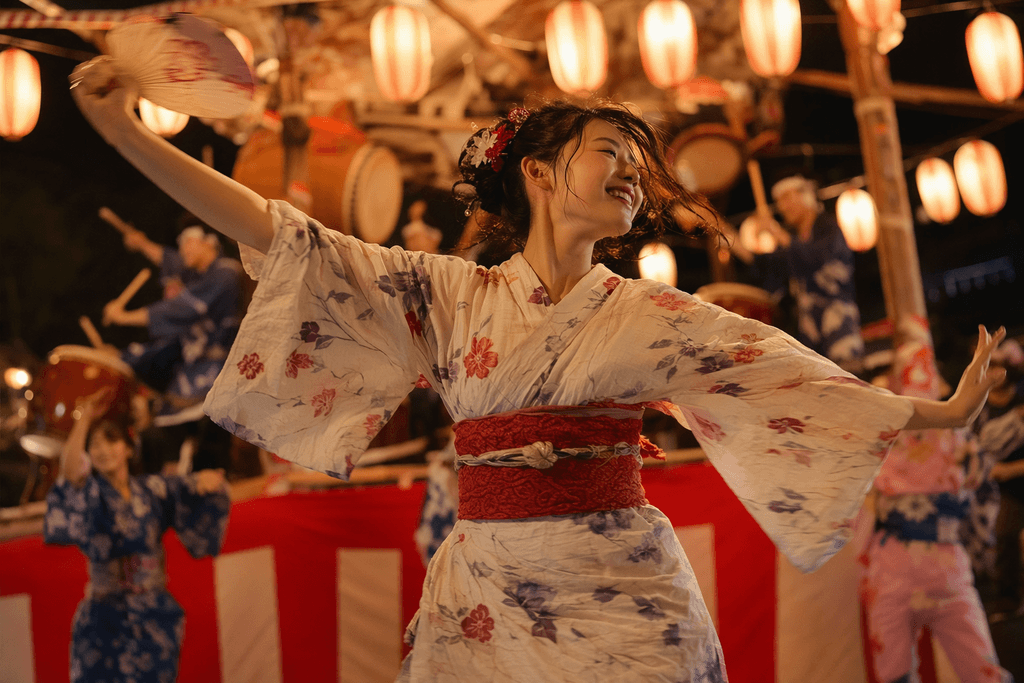
ร่ายรำ / ปลิวว่อน
舞う
ร่ายรำ / ปลิวว่อน
Explanation
舞う
ร่ายรำ / ปลิวว่อน
舞う
เต้นรำ / หมุนวน; ปลิววน / เคลื่อนไหวไม่หยุด; เคลื่อนที่ต่อเนื่อง
Word Forms
The basic and commonly used forms of this verb.
Basic forms
| Form | Word form | Usage |
|---|---|---|
| Imperfective form (mizenkei) |
Alternative:
舞お
|
Connects to endings such as nai, reru, and seru. |
| Continuative form (renyokei) |
Alternative:
舞っ
|
Connects to endings such as masu, tai, and ta. |
| Conclusive form (shushikei) | Ends a sentence and serves as the dictionary form. | |
| Attributive form (rentaikei) | Modifies a noun. | |
| Conditional form (kateikei) | Combines with ba to express a condition. | |
| Imperative form (meireikei) | Expresses a command or instruction. |
Common forms
| Form | Word form | Usage |
|---|---|---|
| Te-form |
Alternative:
舞うて
|
Connects clauses with te. |
| Ta-form |
Alternative:
舞うた
|
Expresses the past with ta. |
| Nai-form | Expresses negation with nai. | |
| Masu-form | Used for polite speech. | |
| Ba-form | Expresses a condition with ba. | |
| Volitional form | Expresses intention or invitation. |
Notes
融通
การให้ยืม / ความยืดหยุ่น
融通
การให้ยืม / ความยืดหยุ่น
Explanation
融通
การให้ยืม / ความยืดหยุ่น
融通
ความยืดหยุ่น / ความคล่องตัว / การปรับตัวได้

Loading...

JLPT N1 多言語単語帳・3032語 / JLPT N1 Multilingual Vocabulary: 3032 Words

Jonathan Waller 氏の JLPT Resources の語彙リスト・レベル分類を出典とし、CC BY の条件に従って DiQt が学習者向けに意味を作り直した3032語の単語帳です。JLPT公式の語彙リストではありません。
This collection of 3032 words is based on the vocabulary list and level classifications in Jonathan Waller’s JLPT Resources under CC BY, with meanings rewritten by DiQt for learners. It is not an official JLPT vocabulary list.
Key Operations
Select the first quiz:
Ctrl + Enter
View Explanation:Ctrl + G
Close a feedback:Esc
When selecting a quiz
Answer:Enter
Select a choice:↓ or ↑
Reading out the question:Ctrl + K
View Hint: Ctrl + M
I don't know: Ctrl + Y



