
JLPT N1: Latihan arti kata - Unsolved

Pelajari arti 3032 kata JLPT N1 dalam bahasa Indonesia melalui soal dengan empat pilihan jawaban.
-
mengerang / menggeram
-
menua
-
mengenakan / makan
- 「徹する」はサ行変格活用の複合動詞として扱う。
- 未然形には「徹し」のほか、「徹さない」などに現れる「徹さ」、文語的な「徹せず」などに現れる「徹せ」がある。
-
upacara minum teh
-
keadaan darurat
-
tahun pertama era
-
santai tanpa beban
-
kabur
-
gegabah
-
mengerat / tahu sedikit
-
membawa / bernuansa
-
membimbing
-
antusiasme
-
ambisi
-
kemiskinan / kekurangan
-
rapat umum
-
peringkat pertama
-
ketergantungan
-
hasil produksi
-
langit luas
-
rempah-rempah
-
mengacaukan / mengganggu
-
menahan derita / menahan dorongan
-
menahan
-
ulet
-
terlalu akrab
-
membingungkan
-
berongga / hampa
-
sehat
-
tulus
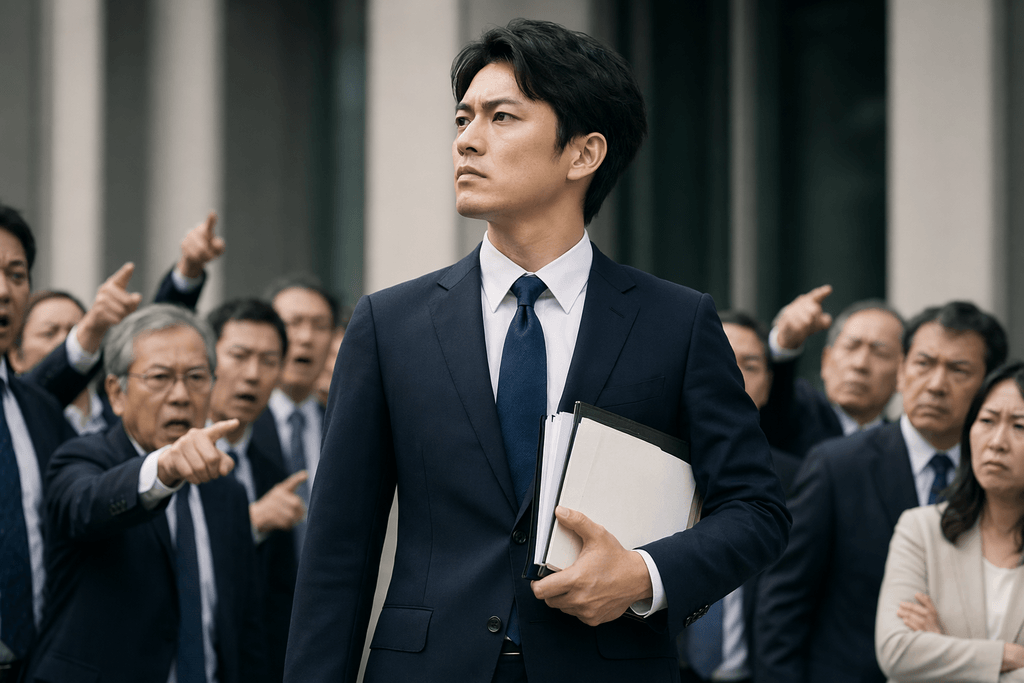
徹する
mengabdikan diri
徹する
mengabdikan diri
Explanation
徹する
mengabdikan diri
徹する
mencurahkan diri sepenuhnya / menjalankan hingga tuntas / melakukan dengan fokus penuh
Word Forms
The basic and commonly used forms of this verb.
Basic forms
| Form | Word form | Usage |
|---|---|---|
| Imperfective form (mizenkei) |
Alternative:
徹さ
徹せ
|
Connects to endings such as nai, reru, and seru. |
| Continuative form (renyokei) | Connects to endings such as masu, tai, and ta. | |
| Conclusive form (shushikei) | Ends a sentence and serves as the dictionary form. | |
| Attributive form (rentaikei) | Modifies a noun. | |
| Conditional form (kateikei) | Combines with ba to express a condition. | |
| Imperative form (meireikei) |
Alternative:
徹せよ
|
Expresses a command or instruction. |
Common forms
| Form | Word form | Usage |
|---|---|---|
| Te-form | Connects clauses with te. | |
| Ta-form | Expresses the past with ta. | |
| Nai-form |
Alternative:
徹さない
|
Expresses negation with nai. |
| Masu-form | Used for polite speech. | |
| Ba-form | Expresses a condition with ba. | |
| Volitional form | Expresses intention or invitation. |
Notes
病
penyakit
病
penyakit
Explanation
病
penyakit
病
penyakit / sakit / kebiasaan buruk
Ia yang menderita penyakit itu, meski ketakutan akan tanda-tanda kekambuhan, mendesak dokter penanggung jawabnya untuk meninjau kembali rencana pengobatan.

( romanization )
( romanization )
( hiragana historical )
( hiragana )
明朗
ceria
明朗
ceria
Explanation
明朗
ceria
明朗
ceria / cerah / jujur dan terbuka

Word Forms
The basic and commonly used forms of this adjectival noun.
Basic forms
| Form | Word form | Usage |
|---|---|---|
| Imperfective form (mizenkei) | Used in forms such as darou. | |
| Continuative form (renyokei) |
Alternative:
明朗に
|
Used with de or ni. |
| Conclusive form (shushikei) | Ends a sentence with da. | |
| Attributive form (rentaikei) | Modifies a noun with na. | |
| Conditional form (kateikei) | Expresses a condition with nara. | |
| Imperative form (meireikei) | Used in formal expressions such as de are. |
Common forms
鍛える
melatih / menempa
鍛える
melatih / menempa
Explanation
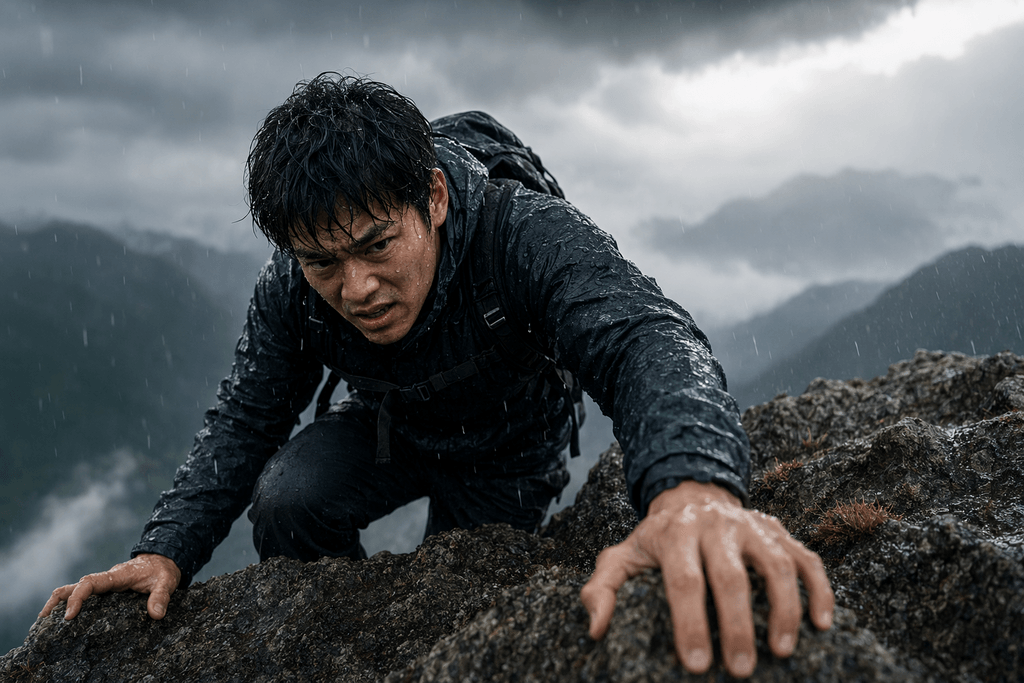
鍛える
melatih / menempa
鍛える
menempa (logam) / melatih (tubuh/keterampilan) / mengeraskan atau membentuk melalui latihan
Word Forms
The basic and commonly used forms of this verb.
Basic forms
| Form | Word form | Usage |
|---|---|---|
| Imperfective form (mizenkei) | Connects to endings such as nai, reru, and seru. | |
| Continuative form (renyokei) | Connects to endings such as masu, tai, and ta. | |
| Conclusive form (shushikei) | Ends a sentence and serves as the dictionary form. | |
| Attributive form (rentaikei) | Modifies a noun. | |
| Conditional form (kateikei) | Combines with ba to express a condition. | |
| Imperative form (meireikei) |
Alternative:
鍛えよ
|
Expresses a command or instruction. |
Common forms
了解
pemahaman / persetujuan
了解
pemahaman / persetujuan
Explanation
了解
pemahaman / persetujuan
了解
pengertian / persetujuan
Kita tidak boleh puas dengan pemahaman dangkal tentang penjelasannya yang ambigu, tetapi memeriksa secara mendalam bahkan asumsi kelembagaan di baliknya.

( Base form )
( romanization )
( hiragana )
参照
rujukan
参照
rujukan
Explanation
参照
rujukan
参照
rujukan / referensi / acuan
Ketentuan yang bersangkutan dalam perjanjian ini mengacu pada lampiran terpisah, dan apabila timbul keraguan dalam penafsiran, para pihak akan bermusyawarah satu sama lain.

( Base form )
( romanization )
( kyūjitai )
( hiragana )
上演
pementasan
上演
pementasan
Explanation
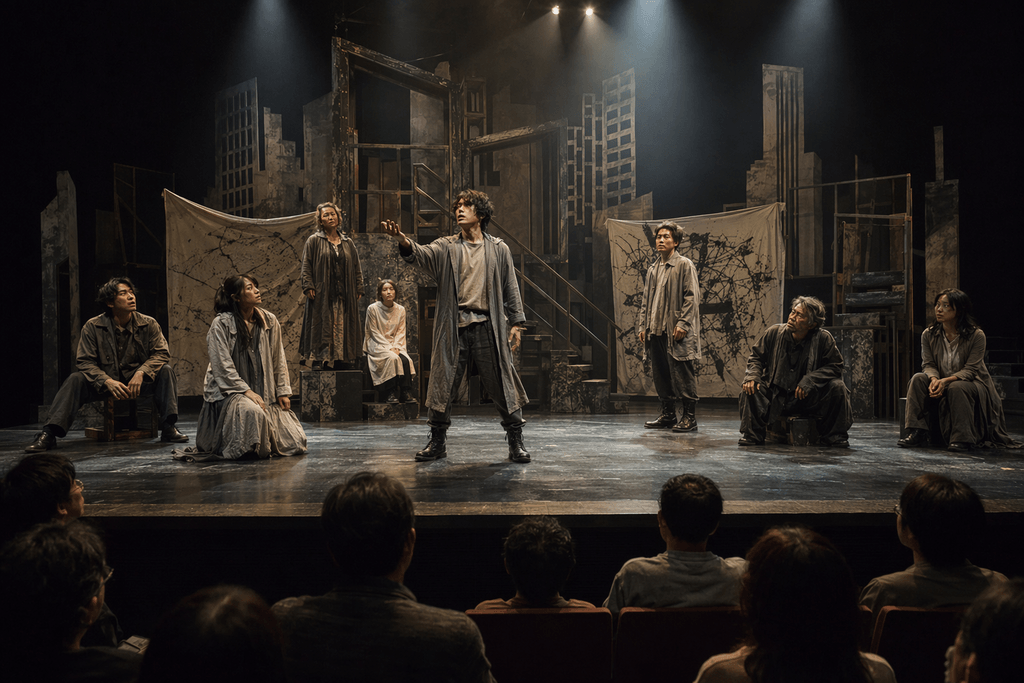
上演
pementasan
上演
pementasan di panggung / pertunjukan panggung / penyajian di panggung
Terlepas dari kesulitan keuangan dan sakit tiba-tiba dari aktor utama, rombongan ini tidak menyerah untuk menampilkan tragedi klasik; sebaliknya, itu mengerjakan ulang arahan dan mengesankan para kritikus.
( Base form )
( romanization )
( hiragana )
似通う
sangat menyerupai
似通う
sangat menyerupai
Explanation
似通う
sangat menyerupai
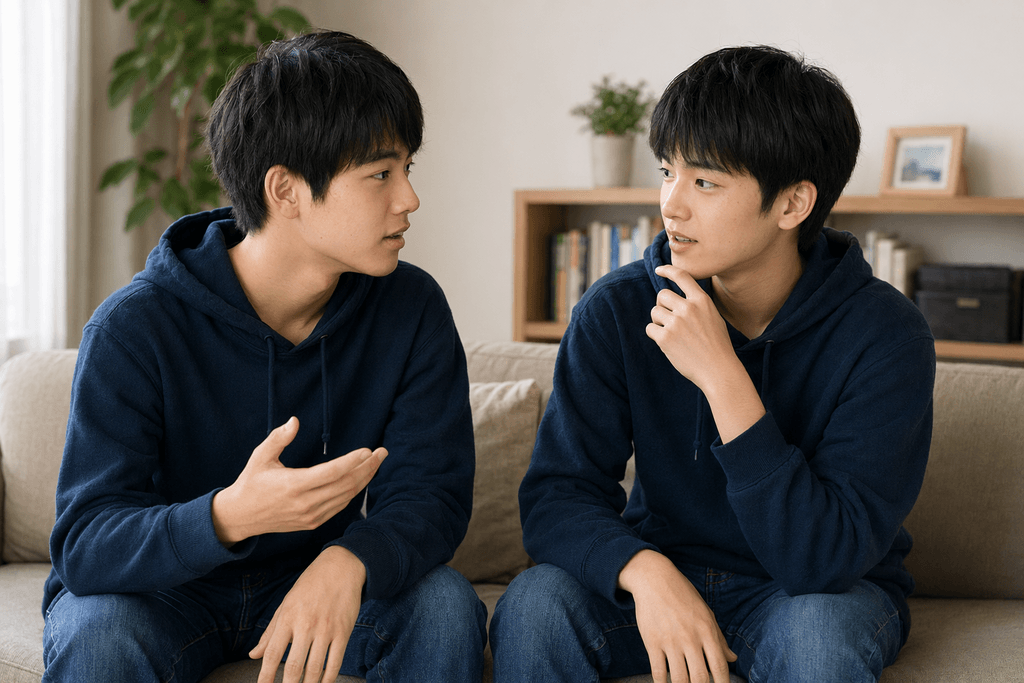
似通う
sangat mirip / saling menyerupai / serupa sekali
Meskipun produk baru kedua perusahaan sangat mirip satu sama lain dalam filosofi desain mereka, nilai yang mereka tarik di pasar pada dasarnya berbeda.
Word Forms
The basic and commonly used forms of this verb.
Basic forms
| Form | Word form | Usage |
|---|---|---|
| Imperfective form (mizenkei) |
Alternative:
似通お
|
Connects to endings such as nai, reru, and seru. |
| Continuative form (renyokei) | Connects to endings such as masu, tai, and ta. | |
| Conclusive form (shushikei) | Ends a sentence and serves as the dictionary form. | |
| Attributive form (rentaikei) | Modifies a noun. | |
| Conditional form (kateikei) | Combines with ba to express a condition. | |
| Imperative form (meireikei) | Expresses a command or instruction. |
Common forms
馬鹿馬鹿しい
konyol
馬鹿馬鹿しい
konyol
Explanation
馬鹿馬鹿しい
konyol
馬鹿馬鹿しい
konyol sekali / tidak masuk akal / keterlaluan
Word Forms
The basic and commonly used forms of this adjective.
Basic forms
| Form | Word form | Usage |
|---|---|---|
| Imperfective form (mizenkei) | Used in forms such as karou; mainly literary. | |
| Continuative form (renyokei) |
Alternative:
馬鹿馬鹿しかっ
|
Used in forms such as kute and kunai. |
| Conclusive form (shushikei) | Ends a sentence. | |
| Attributive form (rentaikei) | Modifies a noun. | |
| Conditional form (kateikei) | Expresses a condition with kereba. | |
| Imperative form (meireikei) | Rarely used in modern Japanese. |
Common forms
軽快
lincah / ceria
軽快
lincah / ceria
Explanation
軽快
lincah / ceria
軽快
ringan / lincah / riang tanpa beban

Word Forms
The basic and commonly used forms of this adjectival noun.
Basic forms
| Form | Word form | Usage |
|---|---|---|
| Imperfective form (mizenkei) | Used in forms such as darou. | |
| Continuative form (renyokei) |
Alternative:
軽快に
軽快だっ
|
Used with de or ni. |
| Conclusive form (shushikei) | Ends a sentence with da. | |
| Attributive form (rentaikei) |
Alternative:
軽快である
|
Modifies a noun with na. |
| Conditional form (kateikei) | Expresses a condition with nara. | |
| Imperative form (meireikei) | Used in formal expressions such as de are. |
Common forms
Loading...

JLPT N1 多言語単語帳・3032語 / JLPT N1 Multilingual Vocabulary: 3032 Words

Jonathan Waller 氏の JLPT Resources の語彙リスト・レベル分類を出典とし、CC BY の条件に従って DiQt が学習者向けに意味を作り直した3032語の単語帳です。JLPT公式の語彙リストではありません。
This collection of 3032 words is based on the vocabulary list and level classifications in Jonathan Waller’s JLPT Resources under CC BY, with meanings rewritten by DiQt for learners. It is not an official JLPT vocabulary list.
Key Operations
Select the first quiz:
Ctrl + Enter
View Explanation:Ctrl + G
Close a feedback:Esc
When selecting a quiz
Answer:Enter
Select a choice:↓ or ↑
Reading out the question:Ctrl + K
View Hint: Ctrl + M
I don't know: Ctrl + Y



