
JLPT N1: Latihan arti kata - Unsolved

Pelajari arti 3032 kata JLPT N1 dalam bahasa Indonesia melalui soal dengan empat pilihan jawaban.
-
saldo rekening
-
biaya
-
jalannya
-
nostalgia / rindu kampung halaman
-
boikot
-
ambisi
-
gerbang kuil Shinto
-
terjadinya
-
kehilangan barang
-
menganugerahkan / mengajarkan
-
bersenandung
-
menghentikan / mempertahankan
- 五段活用(ラ行)の動詞。
- 同音の表記に「収まる」「納まる」「修まる」がある。
-
pementasan
-
monster
-
tuas / hati
-
menegur keras
-
menjernihkan / berlagak tenang
-
tertunda / menunggak
- 文語・古語の「生く」。現代語では多く「生きる」を用いる。
- 文語の已然形「いくれ」を便宜上 katei に収める。
- derived は見出し語の語幹に基づく参考形を含む。
-
perusahaan
-
sekolah / lembar pruf
-
badan pemerintah
-
stempel pribadi
-
sandera
-
tugas / persoalan
-
keterampilan teknis
-
persiapan awal
-
pantai
-
mulai menjual / mempromosikan
-
mengerang / menggeram
-
iri hati
ちりとり
pengki
ちりとり
pengki
Explanation
pengki
ちりとり
pengki / sekop sampah / alat untuk menampung debu/kotoran saat menyapu
Ia melontarkan deretan kata-kata permintaan maaf, tetapi bagiku itu hanya terdengar hampa, seperti debu yang disapu dan dikumpulkan dengan pengki lantai.

( romanization )
( romanization )
( hiragana historical )
脚色
adaptasi drama / pembumbuan cerita
脚色
adaptasi drama / pembumbuan cerita
Explanation
脚色
adaptasi drama / pembumbuan cerita
脚色
dramatisasi (pengadaptasian cerita untuk panggung/film) / penggubahan cerita menjadi naskah drama/film / pembumbuan cerita; penambahan unsur dramatis
Meskipun memoar tersebut mengklaim setia pada fakta sejarah, dramatisasi yang ditambahkan untuk adaptasi film sebenarnya membawa konflik etika protagonis menjadi lebih tajam.

( Base form )
( romanization )
( hiragana )
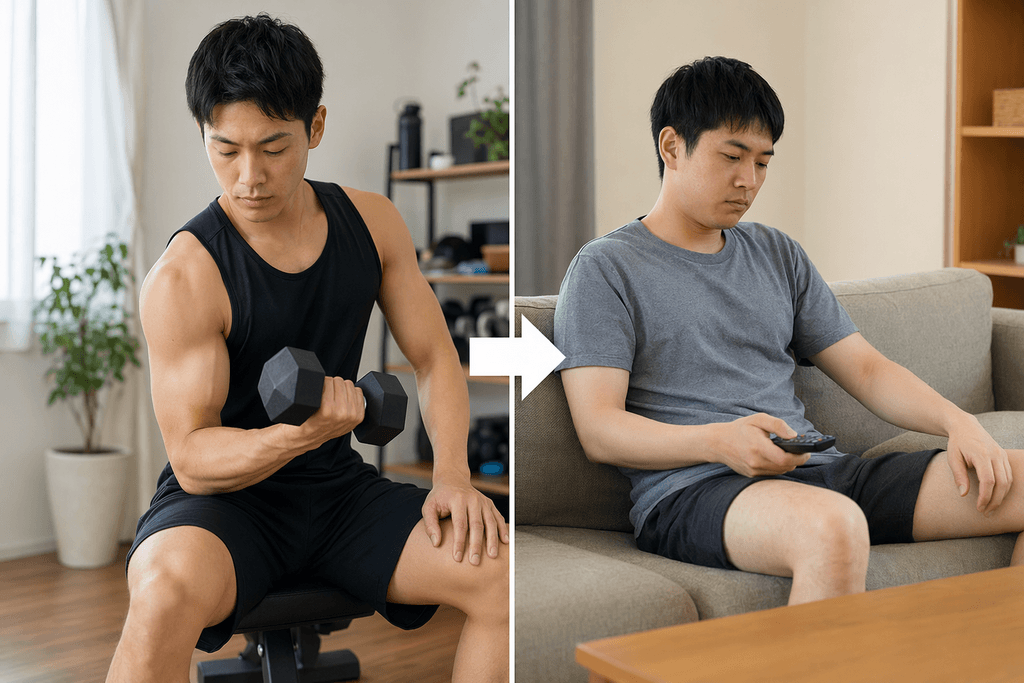
退化
degenerasi
退化
degenerasi
Explanation
退化
degenerasi
退化
degenerasi / kemunduran evolusioner / kemerosotan
( Base form )
( romanization )
( hiragana )
治まる
menjadi damai / mereda
治まる
menjadi damai / mereda
Explanation
治まる
menjadi damai / mereda
治まる
mereda; menjadi tenang (tentang kerusuhan/kekacauan) / stabil/tertib di bawah pemerintahan / gejala/nyeri berkurang; mereda
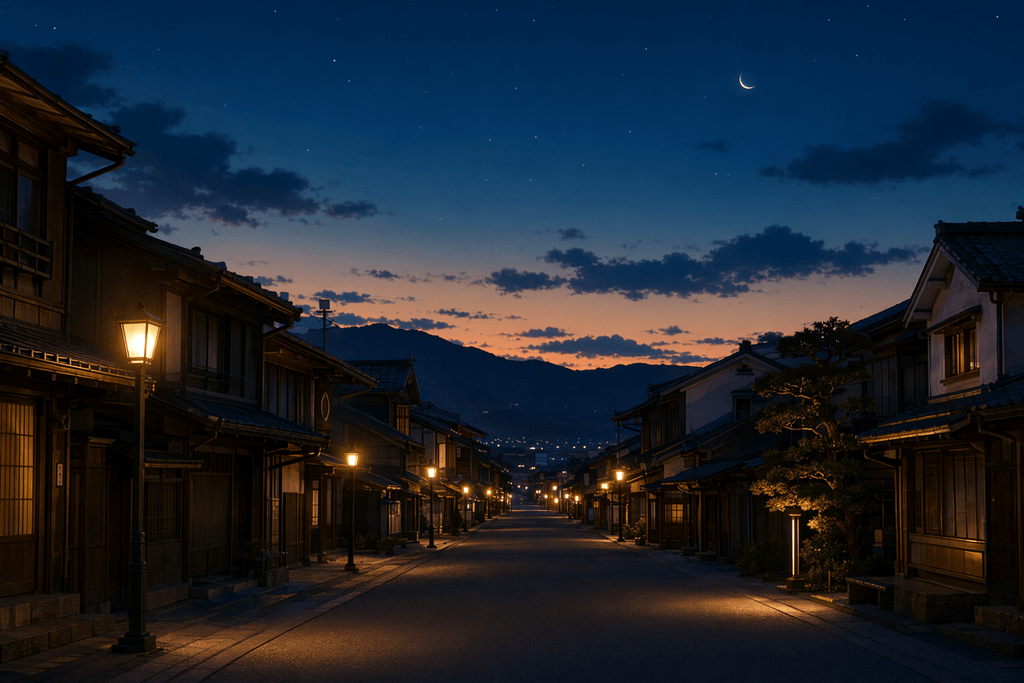
Karena pengumuman pemerintah yang tergesa-gesa menambah bahan bakar api, protes tidak berhenti; sebaliknya, mereka menyebar ke kota-kota regional.
Word Forms
The basic and commonly used forms of this verb.
Basic forms
| Form | Word form | Usage |
|---|---|---|
| Imperfective form (mizenkei) |
Alternative:
治まろ
|
Connects to endings such as nai, reru, and seru. |
| Continuative form (renyokei) | Connects to endings such as masu, tai, and ta. | |
| Conclusive form (shushikei) | Ends a sentence and serves as the dictionary form. | |
| Attributive form (rentaikei) | Modifies a noun. | |
| Conditional form (kateikei) | Combines with ba to express a condition. | |
| Imperative form (meireikei) | Expresses a command or instruction. |
Common forms
| Form | Word form | Usage |
|---|---|---|
| Te-form | Connects clauses with te. | |
| Ta-form | Expresses the past with ta. | |
| Nai-form | Expresses negation with nai. | |
| Masu-form | Used for polite speech. | |
| Ba-form | Expresses a condition with ba. | |
| Volitional form | Expresses intention or invitation. |
Notes
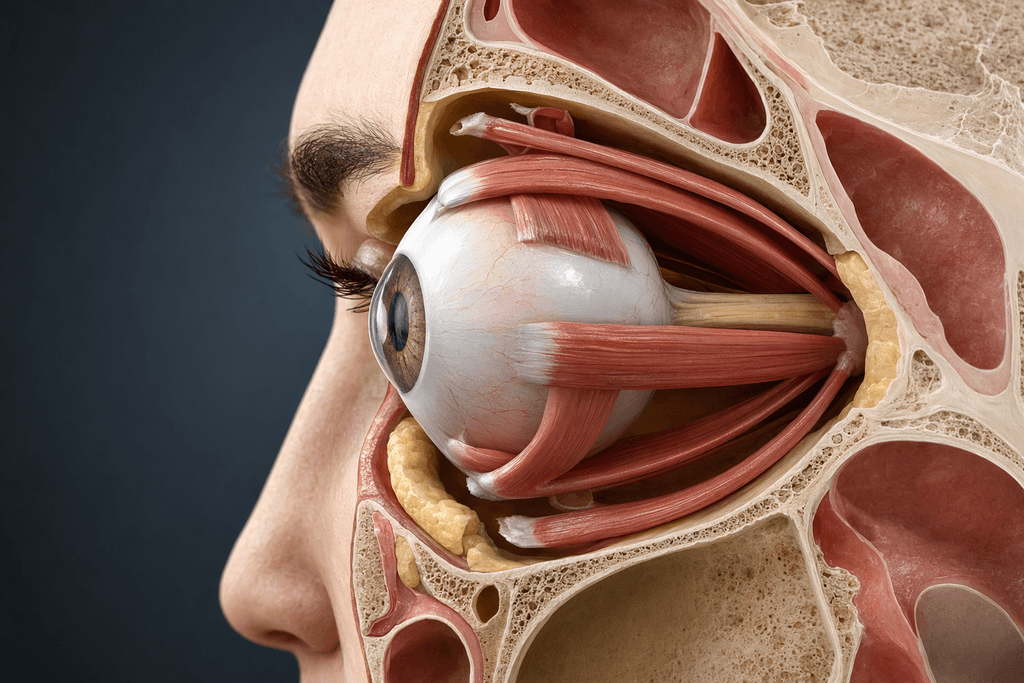
眼球
bola mata
眼球
bola mata
Explanation
眼球
bola mata
眼球
bola mata / globus okuli (anat.)
Gerakan bola mata dikendalikan secara presisi oleh otot-otot ekstraokular dan sirkuit saraf di batang otak; bila fungsinya terganggu, dapat timbul penglihatan ganda atau nistagmus.
( Base form )
( romanization )
( hiragana )
いく
pergi
いく
pergi
Explanation
pergi
いく
hidup; bersemangat / hidup kembali / menghidupkan; menanam

Word Forms
The basic and commonly used forms of this verb.
Basic forms
| Form | Word form | Usage |
|---|---|---|
| Imperfective form (mizenkei) | Connects to endings such as nai, reru, and seru. | |
| Continuative form (renyokei) | Connects to endings such as masu, tai, and ta. | |
| Conclusive form (shushikei) | Ends a sentence and serves as the dictionary form. | |
| Attributive form (rentaikei) | Modifies a noun. | |
| Conditional form (kateikei) | Combines with ba to express a condition. | |
| Imperative form (meireikei) | Expresses a command or instruction. |
Common forms
| Form | Word form | Usage |
|---|---|---|
| Te-form | Connects clauses with te. | |
| Ta-form | Expresses the past with ta. | |
| Nai-form | Expresses negation with nai. | |
| Masu-form | Used for polite speech. | |
| Ba-form | Expresses a condition with ba. | |
| Volitional form | Expresses intention or invitation. |
Notes
費
biaya
費
biaya
Explanation
費
biaya
費
biaya / ongkos / bayaran
Biaya pembaruan peralatan yang sudah usang membengkak melebihi perkiraan, sehingga anggaran tahun fiskal ini terpaksa ditinjau ulang secara besar-besaran.

( romanization )
( hiragana )
失格
diskualifikasi
失格
diskualifikasi
Explanation
失格
diskualifikasi
失格
diskualifikasi / kegagalan memenuhi persyaratan / kehilangan kualifikasi

( Base form )
( romanization )
( hiragana )
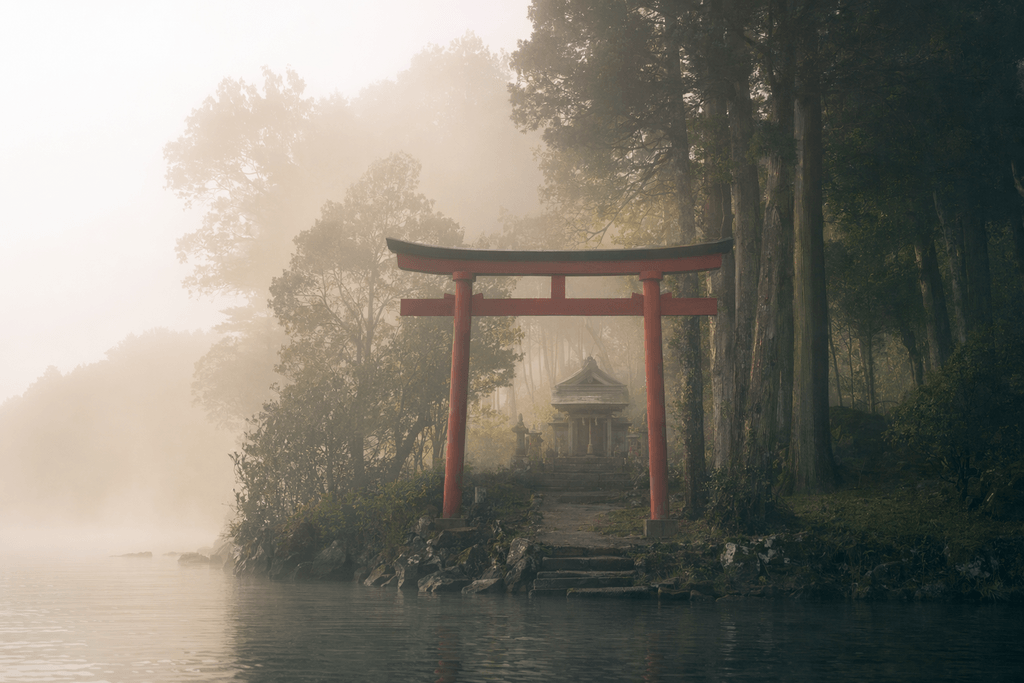
鳥居
gerbang kuil Shinto
鳥居
gerbang kuil Shinto
Explanation
鳥居
gerbang kuil Shinto
鳥居
gerbang simbolik (torii) di pintu masuk tempat suci Shinto atau kuil Buddha / gerbang tanpa atap serupa untuk kediaman / palang horizontal atas pada neraca timbangan
Ketika kabut menghilang, siluet torii melebur ke dalam garis punggung pegunungan, membuat batas antara dunia fana dan wilayah suci terasa seakan-akan menjadi samar.
( Base form )
( romanization )
( romanization )
( hiragana historical )
( hiragana )
赤らむ
memerah
赤らむ
memerah
Explanation
赤らむ
memerah
赤らむ
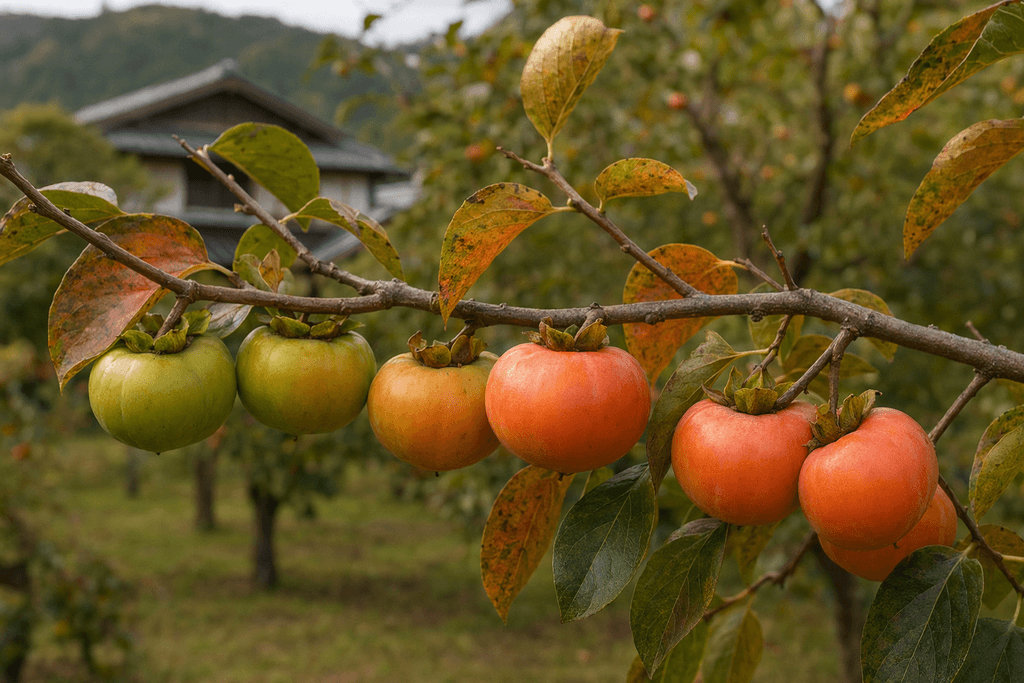
memerah; menjadi merah / bersemu merah (buah/kuncup) / memerah karena malu; tersipu
Word Forms
The basic and commonly used forms of this verb.
Basic forms
| Form | Word form | Usage |
|---|---|---|
| Imperfective form (mizenkei) |
Alternative:
赤らも
|
Connects to endings such as nai, reru, and seru. |
| Continuative form (renyokei) | Connects to endings such as masu, tai, and ta. | |
| Conclusive form (shushikei) | Ends a sentence and serves as the dictionary form. | |
| Attributive form (rentaikei) | Modifies a noun. | |
| Conditional form (kateikei) | Combines with ba to express a condition. | |
| Imperative form (meireikei) | Expresses a command or instruction. |
Common forms
Loading...

JLPT N1 多言語単語帳・3032語 / JLPT N1 Multilingual Vocabulary: 3032 Words

Jonathan Waller 氏の JLPT Resources の語彙リスト・レベル分類を出典とし、CC BY の条件に従って DiQt が学習者向けに意味を作り直した3032語の単語帳です。JLPT公式の語彙リストではありません。
This collection of 3032 words is based on the vocabulary list and level classifications in Jonathan Waller’s JLPT Resources under CC BY, with meanings rewritten by DiQt for learners. It is not an official JLPT vocabulary list.
Key Operations
Select the first quiz:
Ctrl + Enter
View Explanation:Ctrl + G
Close a feedback:Esc
When selecting a quiz
Answer:Enter
Select a choice:↓ or ↑
Reading out the question:Ctrl + K
View Hint: Ctrl + M
I don't know: Ctrl + Y



