
JLPT N1: Latihan arti kata - Unsolved

Pelajari arti 3032 kata JLPT N1 dalam bahasa Indonesia melalui soal dengan empat pilihan jawaban.
-
menyampaikan pesan
-
populer
-
beralih
-
melihat sekilas
-
menata
-
membujuk dengan pujian
-
secara paksa
-
dengan sendirinya
-
dengan mudah / berbumbu ringan
-
jenius
-
ruang kemungkinan
-
tempat duduk / lembaran
-
penciptaan
-
penolakan tawaran
-
banjir
-
desa nelayan
-
bahaya fisik
-
musyawarah bersama
-
hukuman mati
-
orang kaya raya
-
cuti melahirkan
-
ayo / saat genting
-
selamat tidur
-
lama tidak bertemu
-
tahun
-
ukuran kertas
-
hak / wewenang
-
ekor
-
pertikaian
-
nyanyian paduan suara
打ち込む
memancangkan / menekuni
打ち込む
memancangkan / menekuni
Explanation
打ち込む
memancangkan / menekuni
打ち込む
menancapkan/mengetuk masuk (paku, pasak, dsb.) / memukul (bola)/menembakkan (panah) / menginput/mengetik (data); mencurahkan diri pada sesuatu

Word Forms
The basic and commonly used forms of this verb.
Basic forms
| Form | Word form | Usage |
|---|---|---|
| Imperfective form (mizenkei) |
Alternative:
打ち込も
|
Connects to endings such as nai, reru, and seru. |
| Continuative form (renyokei) | Connects to endings such as masu, tai, and ta. | |
| Conclusive form (shushikei) | Ends a sentence and serves as the dictionary form. | |
| Attributive form (rentaikei) | Modifies a noun. | |
| Conditional form (kateikei) | Combines with ba to express a condition. | |
| Imperative form (meireikei) | Expresses a command or instruction. |
Common forms
絶つ
memutus / berpantang
絶つ
memutus / berpantang
Explanation
絶つ
memutus / berpantang
絶つ
memutus / memutuskan hubungan / menghentikan sepenuhnya

Word Forms
The basic and commonly used forms of this verb.
Basic forms
| Form | Word form | Usage |
|---|---|---|
| Imperfective form (mizenkei) |
Alternative:
絶と
|
Connects to endings such as nai, reru, and seru. |
| Continuative form (renyokei) |
Alternative:
絶っ
|
Connects to endings such as masu, tai, and ta. |
| Conclusive form (shushikei) | Ends a sentence and serves as the dictionary form. | |
| Attributive form (rentaikei) | Modifies a noun. | |
| Conditional form (kateikei) | Combines with ba to express a condition. | |
| Imperative form (meireikei) | Expresses a command or instruction. |
Common forms
突如
tiba-tiba
突如
tiba-tiba
Explanation
突如
tiba-tiba
突如
tiba-tiba / mendadak / sekonyong-konyong
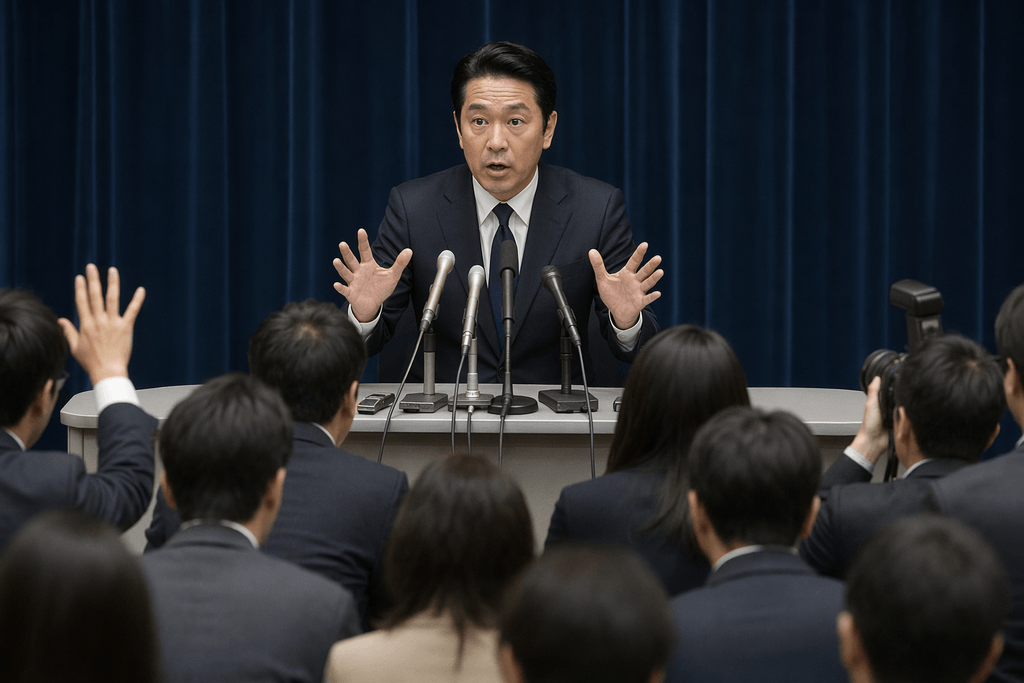
Memecahkan kebisuan selama bertahun-tahun, ia tiba-tiba menggelar konferensi pers dan membantah habis-habisan semua kecurigaan yang selama ini ada.
( Base form )
( romanization )
( adnominal )
( adverbial )
( hiragana )
( table-tags )
( inflection-template )
( imperfective stem )
( imperfective stem )
( imperfective )
( continuative stem )
( continuative stem )
( continuative )
( stem terminative )
( stem terminative )
( terminative )
( attributive stem )
( attributive stem )
( attributive )
( hypothetical stem )
( hypothetical stem )
( hypothetical )
( Imperative stem )
( Imperative stem )
( Imperative )
( informal negative )
( informal negative )
( informal negative )
( informal negative )
( informal negative )
( informal negative )
( informal Past )
( informal Past )
( informal Past )
( informal negative Past )
( informal negative Past )
( informal negative Past )
( informal negative Past )
( informal negative Past )
( informal negative Past )
( formal )
( formal )
( formal )
( formal negative )
( formal negative )
( formal negative )
( formal negative )
( formal negative )
( formal negative )
( formal Past )
( formal Past )
( formal Past )
( formal negative Past )
( formal negative Past )
( formal negative Past )
( formal negative Past )
( formal negative Past )
( formal negative Past )
( conjunctive )
( conjunctive )
( conjunctive )
( Conditional )
( Conditional )
( Conditional )
( Conditional Past )
( Conditional Past )
( Conditional Past )
( volitional )
( volitional )
( volitional )
( adverbial )
( adverbial )
( adverbial )
( noun-from-adj )
( noun-from-adj )
( noun-from-adj )
新人
pendatang baru
新人
pendatang baru
Explanation
新人
pendatang baru
新人
pendatang baru / wajah baru / orang baru

( Base form )
( romanization )
( hiragana )
領海
perairan teritorial
領海
perairan teritorial
Explanation
領海
perairan teritorial
領海
laut teritorial / perairan di bawah kedaulatan suatu negara / wilayah laut yang menjadi bagian dari negara
Pemerintah menegaskan kebijakannya untuk mengambil tindakan tegas berdasarkan hukum internasional terhadap kapal asing yang memasuki perairan teritorial.

( Base form )
( romanization )
( hiragana )
とげ
duri / serpihan tajam
とげ
duri / serpihan tajam
Explanation
duri / serpihan tajam
とげ
duri / serpihan yang menusuk / kata-kata pedas

設立
pendirian organisasi
設立
pendirian organisasi
Explanation
設立
pendirian organisasi
設立
pendirian / pembentukan / pendirian sebagai badan hukum

( Base form )
( romanization )
( hiragana )
イエス
ya
イエス
ya
Explanation
ya
イエス
ya / betul / setuju

( romanization )
さん
Bapak / Ibu
さん
Bapak / Ibu
Explanation
Bapak / Ibu
さん
akhiran sapaan kehormatan setelah nama orang (netral gender), setara “Tuan/Nyonya/Nona” / juga dipakai setelah jabatan atau nama perusahaan sebagai bentuk hormat / (cak.) dipakai setelah nama toko
Sato, segera setelah negosiasi mencapai jalan buntu, dengan hati-hati mengatur kepentingan para pemangku kepentingan dan menunjukkan jalan menuju pembangunan konsensus.

( romanization )
仕上がり
hasil akhir
仕上がり
hasil akhir
Explanation
仕上がり
hasil akhir
仕上がり
hasil akhir / penyelesaian / tingkat kematangan

( Base form )
( romanization )
Loading...

JLPT N1 多言語単語帳・3032語 / JLPT N1 Multilingual Vocabulary: 3032 Words

Jonathan Waller 氏の JLPT Resources の語彙リスト・レベル分類を出典とし、CC BY の条件に従って DiQt が学習者向けに意味を作り直した3032語の単語帳です。JLPT公式の語彙リストではありません。
This collection of 3032 words is based on the vocabulary list and level classifications in Jonathan Waller’s JLPT Resources under CC BY, with meanings rewritten by DiQt for learners. It is not an official JLPT vocabulary list.
Key Operations
Select the first quiz:
Ctrl + Enter
View Explanation:Ctrl + G
Close a feedback:Esc
When selecting a quiz
Answer:Enter
Select a choice:↓ or ↑
Reading out the question:Ctrl + K
View Hint: Ctrl + M
I don't know: Ctrl + Y



