
JLPT N1: Kahulugan ng mga salita - Unsolved

Alamin ang kahulugan ng 3032 salita sa JLPT N1 sa Filipino sa pamamagitan ng mga tanong na may apat na pagpipilian.
-
napakahaba
-
marilag
-
romantiko
- 表記は「微か」も用いられる。
- 連用形「かすかに」は副詞的用法で用いられる。
-
sumakop ng malaking espasyo
-
makayanan ang tungkulin
-
maging masigasig
-
kawili-wili / nakaaaliw
-
panandalian / walang saysay
-
kakaunti
- 形容詞の命令形「渋かれ」は現代語ではまれです。
-
pagdadahilan
-
paglihis ng sukat
-
pagsisimula ng konstruksyon
-
panghihikayat
-
aral
-
pampubliko
-
dalampasigan
-
karbon
-
talatanungan
-
pagpapalakas ng loob
-
hampas / paghampas ng bola
-
pangangaso
-
motel
-
selyo
-
pandiwang palipat
-
munisipyo
-
patuloy na pag-iral
-
lakas ng pangkat / impluwensiya
-
ugnayan / tadhana
-
pag-aaksaya
-
kahandaan
かすか
mahina
かすか
mahina
Explanation
mahina
かすか
mahina / malabo / mapusyaw
Sa dilim dulot ng pagkawala ng kuryente, narinig ang mahinang ugong ng generator mula sa malayo, ngunit sa sumunod na sandali ay muling nilamon ng katahimikan.

Word Forms
The basic and commonly used forms of this adjectival noun.
Basic forms
| Form | Word form | Usage |
|---|---|---|
| Imperfective form (mizenkei) |
Alternative:
微かだろ
|
Used in forms such as darou. |
| Continuative form (renyokei) |
Alternative:
微かで
かすかに
微かに
かすかだっ
微かだっ
|
Used with de or ni. |
| Conclusive form (shushikei) |
Alternative:
微かだ
|
Ends a sentence with da. |
| Attributive form (rentaikei) |
Alternative:
微かな
|
Modifies a noun with na. |
| Conditional form (kateikei) |
Alternative:
微かなら
|
Expresses a condition with nara. |
| Imperative form (meireikei) |
Alternative:
微かであれ
|
Used in formal expressions such as de are. |
Common forms
| Form | Word form | Usage |
|---|---|---|
| Te-form equivalent |
Alternative:
微かで
|
Connects clauses using de. |
| Ta-form |
Alternative:
微かだった
|
Expresses the past with datta. |
| Nai-form |
Alternative:
微かではない
かすかじゃない
微かじゃない
|
Expresses negation with dewa nai or ja nai. |
| Desu-form |
Alternative:
微かです
|
Used for polite speech. |
Notes
ごまかす
manlinlang / pagtakpan
ごまかす
manlinlang / pagtakpan
Explanation
manlinlang / pagtakpan
ごまかす
mandaya o mangloko / magpalusot o pagtakpan ang pagkakamali / magkamkam ng pondo o manloko sa pera

Word Forms
The basic and commonly used forms of this verb.
Basic forms
| Form | Word form | Usage |
|---|---|---|
| Imperfective form (mizenkei) |
Alternative:
ごまかそ
|
Connects to endings such as nai, reru, and seru. |
| Continuative form (renyokei) | Connects to endings such as masu, tai, and ta. | |
| Conclusive form (shushikei) | Ends a sentence and serves as the dictionary form. | |
| Attributive form (rentaikei) | Modifies a noun. | |
| Conditional form (kateikei) | Combines with ba to express a condition. | |
| Imperative form (meireikei) | Expresses a command or instruction. |
Common forms
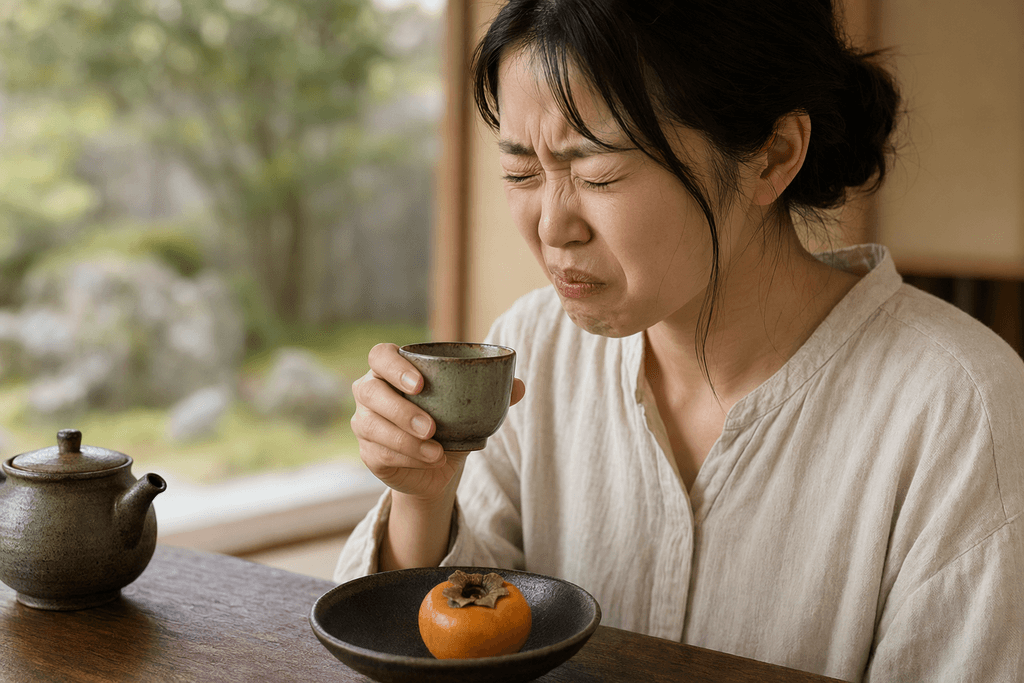
渋い
mapakla / simple ngunit elegante
渋い
mapakla / simple ngunit elegante
Explanation
渋い
mapakla / simple ngunit elegante
渋い
mapakla o mapait / pino at hindi magarbo / kuripot
Word Forms
The basic and commonly used forms of this adjective.
Basic forms
| Form | Word form | Usage |
|---|---|---|
| Imperfective form (mizenkei) | Used in forms such as karou; mainly literary. | |
| Continuative form (renyokei) |
Alternative:
渋かっ
|
Used in forms such as kute and kunai. |
| Conclusive form (shushikei) | Ends a sentence. | |
| Attributive form (rentaikei) | Modifies a noun. | |
| Conditional form (kateikei) | Expresses a condition with kereba. | |
| Imperative form (meireikei) | Rarely used in modern Japanese. |
Common forms
| Form | Word form | Usage |
|---|---|---|
| Te-form | Connects clauses with kute. | |
| Ta-form | Expresses the past with katta. | |
| Nai-form | Expresses negation with kunai. | |
| Ba-form | Expresses a condition with kereba. |
Notes
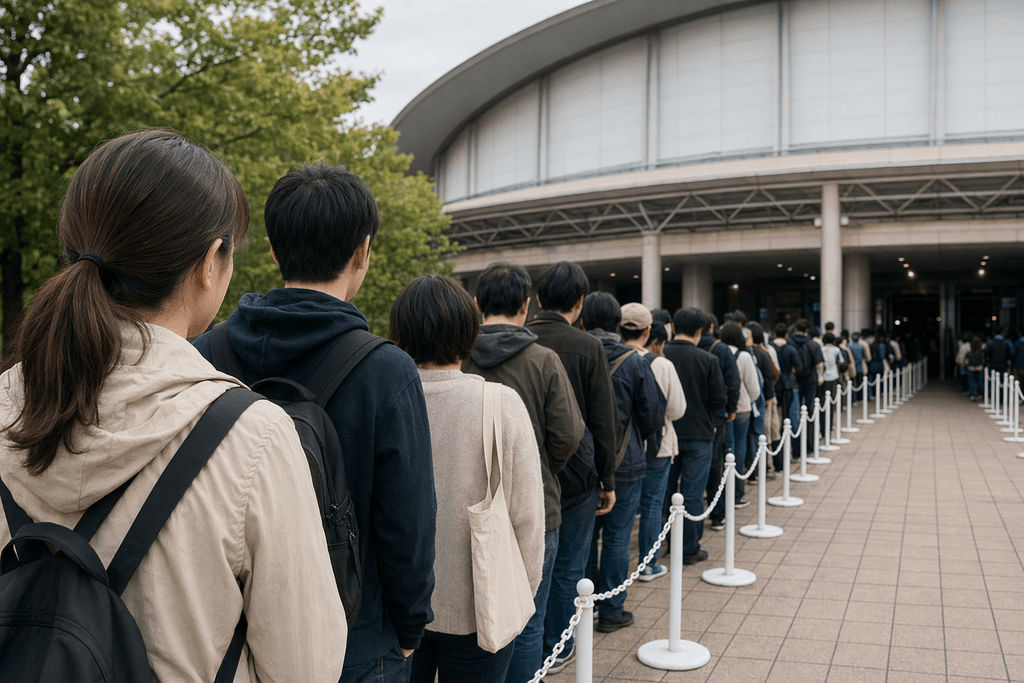
先着
unang pagdating
先着
unang pagdating
Explanation
先着
unang pagdating
先着
unang dumating / naunang pagdating / mga naunang dumating
( Base form )
( romanization )
( hiragana )
対抗
pagtutol / paglalaban ng magkaribal
対抗
pagtutol / paglalaban ng magkaribal
Explanation
対抗
pagtutol / paglalaban ng magkaribal
対抗
pagsalungat / pagtutol / pakikipagtagisan

( Base form )
( romanization )
( kyūjitai )
( hiragana )
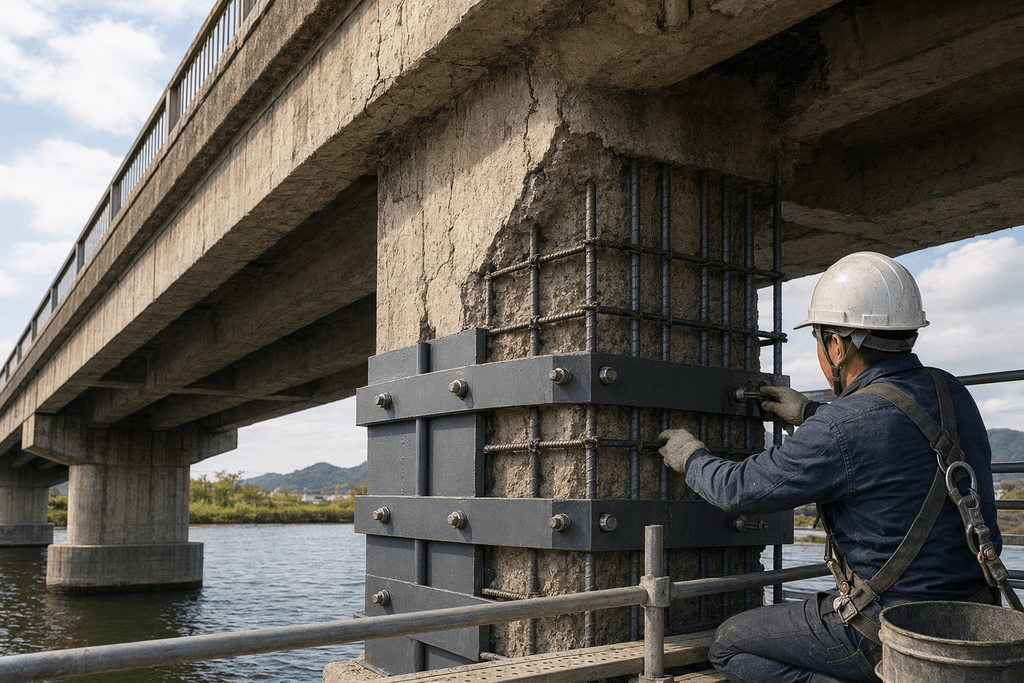
補強
pagpapatibay
補強
pagpapatibay
Explanation
補強
pagpapatibay
補強
pagpapatibay / pagpapalakas / pagdaragdag
( Base form )
( romanization )
( hiragana )
軸
aksis / baras ng makina
軸
aksis / baras ng makina
Explanation
軸
aksis / baras ng makina
軸
aksis / linyang pinag-iikutan / baras na pinag-iikutan

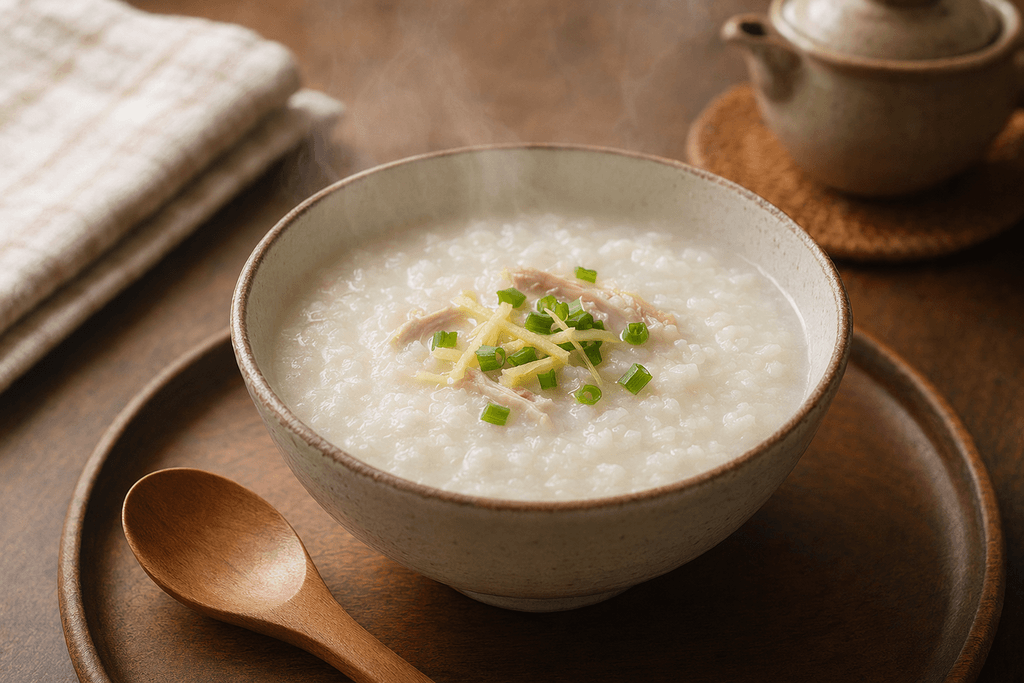
粥
lugaw
粥
lugaw
Explanation
粥
lugaw
粥
lugaw / malabnaw na kanin
( Base form )
( romanization )
( romanization )
( romanization )
( hiragana )
国防
pambansang pagtatanggol
国防
pambansang pagtatanggol
Explanation
国防
pambansang pagtatanggol
国防
tanggulang pambansa / pambansang depensa / pagtatanggol ng bansa
Tinatanong kung hanggang saan maaaring labagin ng pinalalakas na pagbabantay na isinasagawa sa ngalan ng pambansang depensa ang kalayaan ng mga mamamayan.

( Base form )
( romanization )
( romanization )
( kyūjitai )
( hiragana historical )
( hiragana )
再現
muling paglikha / pagsasadulang muli
再現
muling paglikha / pagsasadulang muli
Explanation
再現
muling paglikha / pagsasadulang muli
再現
muling paglikha / pag-uulit / muling paglitaw

( Base form )
( romanization )
( hiragana )
Loading...

JLPT N1 多言語単語帳・3032語 / JLPT N1 Multilingual Vocabulary: 3032 Words

Jonathan Waller 氏の JLPT Resources の語彙リスト・レベル分類を出典とし、CC BY の条件に従って DiQt が学習者向けに意味を作り直した3032語の単語帳です。JLPT公式の語彙リストではありません。
This collection of 3032 words is based on the vocabulary list and level classifications in Jonathan Waller’s JLPT Resources under CC BY, with meanings rewritten by DiQt for learners. It is not an official JLPT vocabulary list.
Key Operations
Select the first quiz:
Ctrl + Enter
View Explanation:Ctrl + G
Close a feedback:Esc
When selecting a quiz
Answer:Enter
Select a choice:↓ or ↑
Reading out the question:Ctrl + K
View Hint: Ctrl + M
I don't know: Ctrl + Y



