
JLPT N1: Kahulugan ng mga salita - Unsolved

Alamin ang kahulugan ng 3032 salita sa JLPT N1 sa Filipino sa pamamagitan ng mga tanong na may apat na pagpipilian.
-
hita
-
abala
-
pagbabanta
-
umigting / tumaas
-
pabilisin
-
magsalubong / makisalamuha
-
mga ilog
-
anyo
-
pagkakasangkot
-
humina
-
lagyan ng kagamitan
-
maging payapa / humupa
-
kaagad
-
nang malinaw
-
sa di-malamang dahilan
-
latian
-
ebidensiya
-
kawani
-
kutyain
-
magplano / magtangka
-
paghaluin
-
deklarasyon
-
isang pagkatalo
-
panustos / pangangalagang medikal
-
tumagas
-
lingunin / pansinin
-
maisakatuparan
-
pagkakaugnay-ugnay
-
utos na lakad
-
pakikinig sa lektura
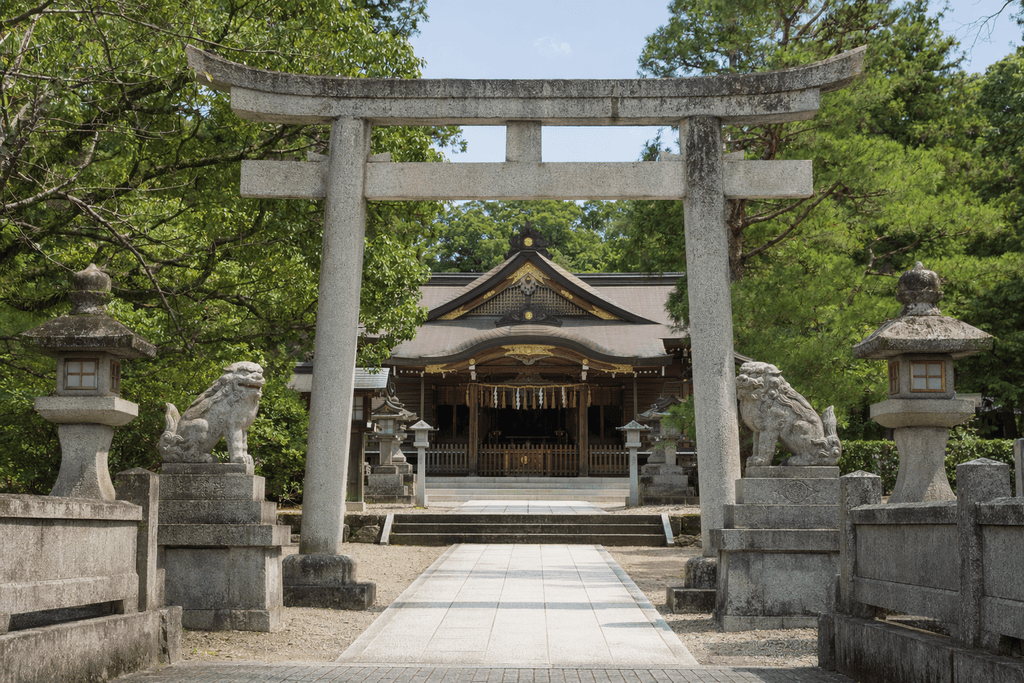
お宮
dambana ng Shinto
お宮
dambana ng Shinto
Explanation
お宮
dambana ng Shinto
お宮
dambanang Shinto / santuwaryo ng Shinto
Sa depopulating village, kahit na ang Shinto shrine na dating puno ng mga tao sa bawat pagdiriwang ay natatakpan na ngayon ng damo, at ang mga yapak ng mga mananamba ay naging kakaunti.
退く
umatras
退く
umatras
Explanation
退く
umatras
退く
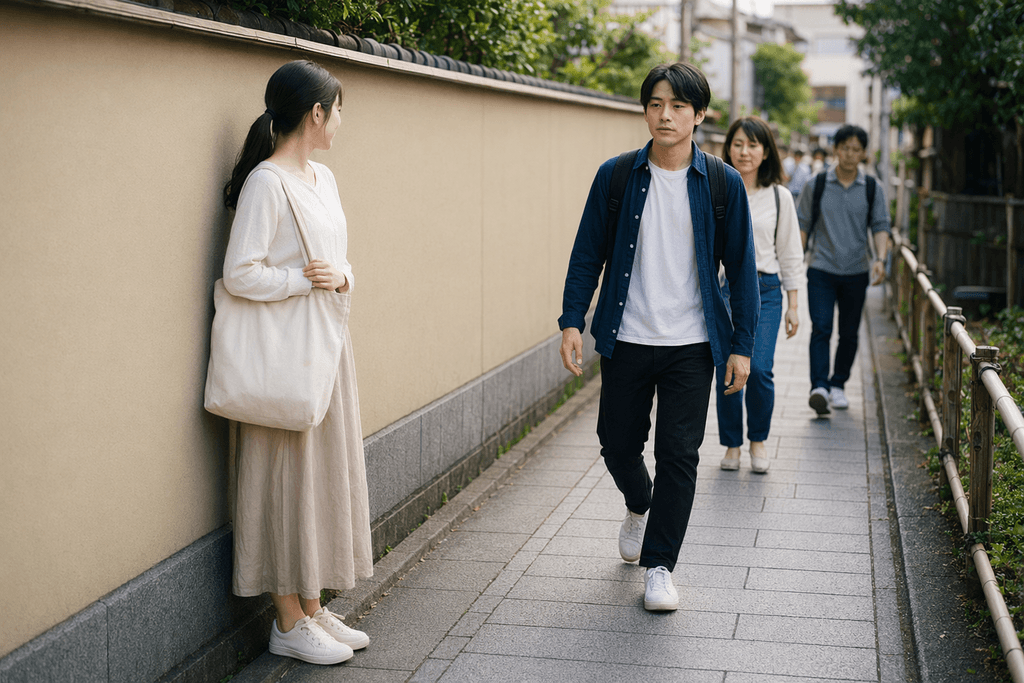
tumabi / magbigay-daan / umurong sa harap ng nakatataas
Habang umiinit ang talakayan sa pasukan ng silid ng kumperensya, tahimik na nagpasiya ang kalihim na tumabi upang hindi makahadlang sa pagpasa ng mga ehekutibo.
Word Forms
The basic and commonly used forms of this verb.
Basic forms
| Form | Word form | Usage |
|---|---|---|
| Imperfective form (mizenkei) |
Alternative:
退こ
|
Connects to endings such as nai, reru, and seru. |
| Continuative form (renyokei) | Connects to endings such as masu, tai, and ta. | |
| Conclusive form (shushikei) | Ends a sentence and serves as the dictionary form. | |
| Attributive form (rentaikei) | Modifies a noun. | |
| Conditional form (kateikei) | Combines with ba to express a condition. | |
| Imperative form (meireikei) | Expresses a command or instruction. |
Common forms
教材
kagamitang panturo
教材
kagamitang panturo
Explanation
教材
kagamitang panturo
教材
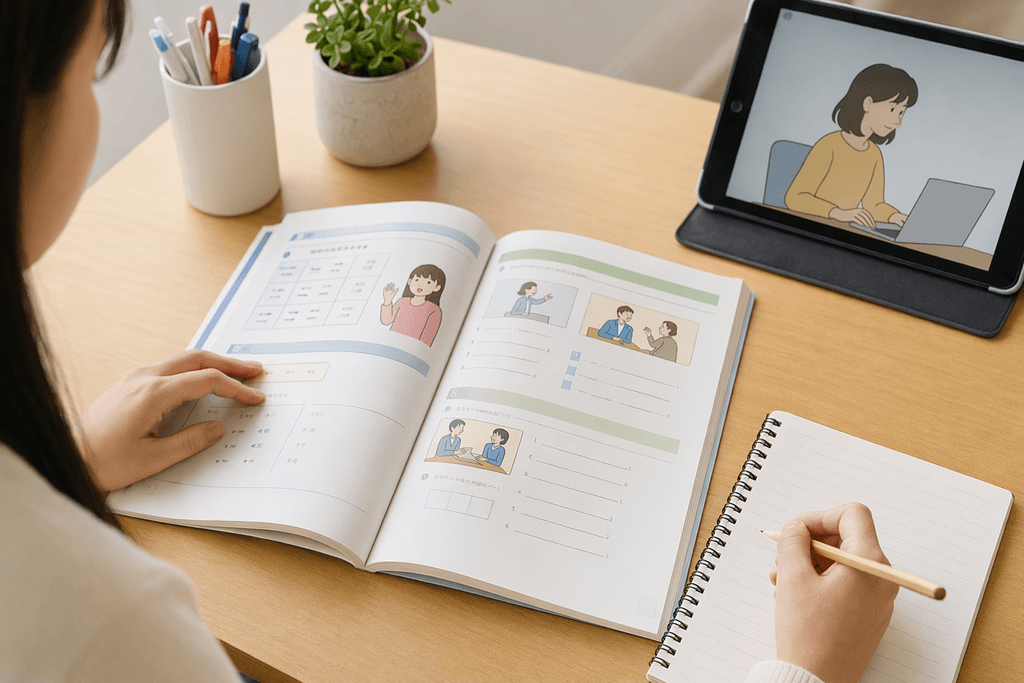
mga materyales sa pagtuturo / kagamitan/panustos na panturo / kagamitan pang-edukasyon
Sa halip na umasa sa unipormeng mga materyales sa pagtuturo, ang mga bagong hirang na guro ay dapat magdisenyo ng mga aralin matapos masusing suriin ang background na kaalaman at cognitive load ng mga mag-aaral.
( Base form )
( romanization )
( hiragana )
費やす
gumugol
費やす
gumugol
Explanation
費やす
gumugol
費やす
gugulin / ubusin / aksayahin

Word Forms
The basic and commonly used forms of this verb.
Basic forms
| Form | Word form | Usage |
|---|---|---|
| Imperfective form (mizenkei) |
Alternative:
費やそ
|
Connects to endings such as nai, reru, and seru. |
| Continuative form (renyokei) | Connects to endings such as masu, tai, and ta. | |
| Conclusive form (shushikei) | Ends a sentence and serves as the dictionary form. | |
| Attributive form (rentaikei) | Modifies a noun. | |
| Conditional form (kateikei) | Combines with ba to express a condition. | |
| Imperative form (meireikei) | Expresses a command or instruction. |
Common forms
何時までも
magpakailanman
何時までも
magpakailanman
Explanation
何時までも
magpakailanman
何時までも
magpakailanman / nang walang hanggan / hanggang kailanman

( Base form )
( romanization )
法学
pag-aaral ng batas
法学
pag-aaral ng batas
Explanation
法学
pag-aaral ng batas
法学
pag-aaral ng batas / hurisprudensiya / agham ng batas

( Base form )
( romanization )
( hiragana )
裁く
humatol sa hukuman
裁く
humatol sa hukuman
Explanation
裁く
humatol sa hukuman
裁く
humatol / litisin ang kaso / magpasya sa usapin

Word Forms
The basic and commonly used forms of this verb.
Basic forms
| Form | Word form | Usage |
|---|---|---|
| Imperfective form (mizenkei) | Connects to endings such as nai, reru, and seru. | |
| Continuative form (renyokei) | Connects to endings such as masu, tai, and ta. | |
| Conclusive form (shushikei) | Ends a sentence and serves as the dictionary form. | |
| Attributive form (rentaikei) | Modifies a noun. | |
| Conditional form (kateikei) | Combines with ba to express a condition. | |
| Imperative form (meireikei) | Expresses a command or instruction. |
Common forms
密接
malapit na ugnayan
密接
malapit na ugnayan
Explanation
密接
malapit na ugnayan
密接
malapit na ugnayan / mahigpit na kaugnayan / malapit na relasyon

( Base form )
( romanization )
( hiragana )
交わす
makipagpalitan
交わす
makipagpalitan
Explanation
交わす
makipagpalitan
交わす
magpalitan (ng mensahe/pagbati/pangako) / magkamayan / magkrus

Word Forms
The basic and commonly used forms of this verb.
Basic forms
| Form | Word form | Usage |
|---|---|---|
| Imperfective form (mizenkei) | Connects to endings such as nai, reru, and seru. | |
| Continuative form (renyokei) | Connects to endings such as masu, tai, and ta. | |
| Conclusive form (shushikei) | Ends a sentence and serves as the dictionary form. | |
| Attributive form (rentaikei) | Modifies a noun. | |
| Conditional form (kateikei) | Combines with ba to express a condition. | |
| Imperative form (meireikei) | Expresses a command or instruction. |
Common forms
大方
karamihan / malamang
大方
karamihan / malamang
Explanation
大方
karamihan / malamang
大方
karamihan / madla

( Base form )
( romanization )
( romanization )
( hiragana historical )
( hiragana )
Loading...

JLPT N1 多言語単語帳・3032語 / JLPT N1 Multilingual Vocabulary: 3032 Words

Jonathan Waller 氏の JLPT Resources の語彙リスト・レベル分類を出典とし、CC BY の条件に従って DiQt が学習者向けに意味を作り直した3032語の単語帳です。JLPT公式の語彙リストではありません。
This collection of 3032 words is based on the vocabulary list and level classifications in Jonathan Waller’s JLPT Resources under CC BY, with meanings rewritten by DiQt for learners. It is not an official JLPT vocabulary list.
Key Operations
Select the first quiz:
Ctrl + Enter
View Explanation:Ctrl + G
Close a feedback:Esc
When selecting a quiz
Answer:Enter
Select a choice:↓ or ↑
Reading out the question:Ctrl + K
View Hint: Ctrl + M
I don't know: Ctrl + Y



