
JLPT N1: Kahulugan ng mga salita - Unsolved

Alamin ang kahulugan ng 3032 salita sa JLPT N1 sa Filipino sa pamamagitan ng mga tanong na may apat na pagpipilian.
-
sumalungat
-
lumakad / sumulong
-
maputol
-
palasyong imperyal
-
Nagkakaisang Bansa
-
Mataas na Kapulungan ng Hapon
-
lubhang
-
tiyak / nang malayong higit
-
walang sagabal / balingkinitan
-
pabilisin
-
masabit / masangkot
-
magkahanay
- 下一段活用の動詞。見出し語が仮名表記のため、各活用形も仮名で示した。
-
lumabo
-
pilitin
-
magtaglay
-
matulog nang mahimbing
-
tara na / kritikal na sandali
-
ang tagal nating di nagkita
-
mga pampalasa
-
karangalan
-
paraan ng paggawa
-
pagganting-salakay
-
espesyalidad ng lugar
-
bakterya
-
pandaigdigan
-
matibay
-
normal
- 「裸足」は名詞的にも用いられ、「裸足の」「裸足で」が一般的です。
- 「玄人裸足」のように接尾的に用いて「専門家も及ばないほど優れている」の意を表すことがあります。
-
tagagawa
-
itinakda
-
pagkumpiska
恋する
umibig
恋する
umibig
Explanation
恋する
umibig
恋する
umiibig / umibig / magmahal (romantiko)

Word Forms
The basic and commonly used forms of this verb.
Basic forms
| Form | Word form | Usage |
|---|---|---|
| Imperfective form (mizenkei) |
Alternative:
恋せ
恋さ
|
Connects to endings such as nai, reru, and seru. |
| Continuative form (renyokei) | Connects to endings such as masu, tai, and ta. | |
| Conclusive form (shushikei) | Ends a sentence and serves as the dictionary form. | |
| Attributive form (rentaikei) | Modifies a noun. | |
| Conditional form (kateikei) | Combines with ba to express a condition. | |
| Imperative form (meireikei) |
Alternative:
恋せよ
|
Expresses a command or instruction. |
Common forms
衆議院
Kapulungan ng mga Kinatawan
衆議院
Kapulungan ng mga Kinatawan
Explanation
衆議院
Kapulungan ng mga Kinatawan
衆議院
Kapulungan ng mga Kinatawan (ng Hapon) / mababang kapulungan ng Pambansang Diet ng Hapon
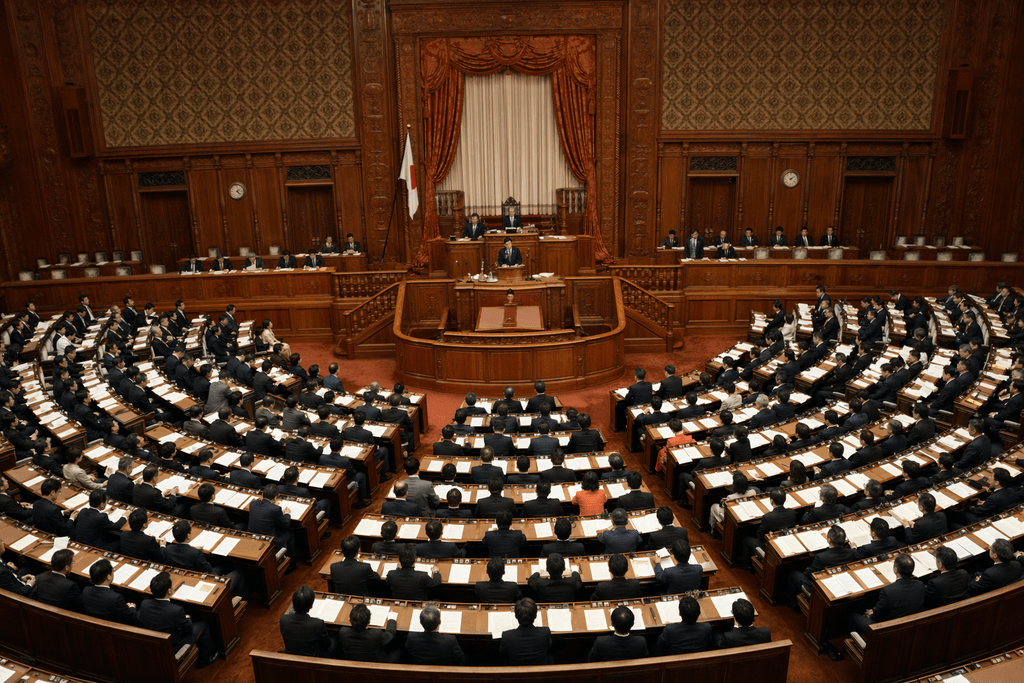
Habang nagpapatuloy ang mga maniobrang pulitikal hinggil sa paglusaw ng Kapulungan ng mga Kinatawan, maingat na tinitimbang ng mga partidong nasa gobyerno at oposisyon kung saan patutungo ang pagtalakay sa mga panukalang batas.
( Base form )
( romanization )
( romanization )
( hiragana historical )
( hiragana )
ほっと
nang maginhawa
ほっと
nang maginhawa
Explanation
nang maginhawa
ほっと
nakahinga nang maluwag / guminhawa ang pakiramdam / napanatag ang loob

( romanization )
やすめる
ipahinga
やすめる
ipahinga
Explanation
ipahinga
やすめる
ipahinga ang isang bagay; pahingahin / magpahinga; tumigil muna sa ginagawa / ipahinga ang lupa (hayaang bakante muna)
Matapos siyang payuhan ng doktor na dapat niyang bigyan ng pahinga sandali ang kanyang sobrang nagtatrabaho na lalamunan, nagpasiya siyang ipagpaliban ang lektura.

Word Forms
The basic and commonly used forms of this verb.
Basic forms
| Form | Word form | Usage |
|---|---|---|
| Imperfective form (mizenkei) | Connects to endings such as nai, reru, and seru. | |
| Continuative form (renyokei) | Connects to endings such as masu, tai, and ta. | |
| Conclusive form (shushikei) | Ends a sentence and serves as the dictionary form. | |
| Attributive form (rentaikei) | Modifies a noun. | |
| Conditional form (kateikei) | Combines with ba to express a condition. | |
| Imperative form (meireikei) |
Alternative:
やすめよ
|
Expresses a command or instruction. |
Common forms
| Form | Word form | Usage |
|---|---|---|
| Te-form | Connects clauses with te. | |
| Ta-form | Expresses the past with ta. | |
| Nai-form | Expresses negation with nai. | |
| Masu-form | Used for polite speech. | |
| Ba-form | Expresses a condition with ba. | |
| Volitional form | Expresses intention or invitation. |
Notes
取り組む
harapin
取り組む
harapin
Explanation
取り組む
harapin
取り組む
harapin / tugunan / trabahuhin
Hinarap nila nang buong tapang ang mga matagal nang ipinagpapalibang reporma sa sistema, at habang paulit-ulit na nakipag-ayos sa mga stakeholder, sinikap nilang makabuo ng kasunduan bago ang itinakdang deadline.

Word Forms
The basic and commonly used forms of this verb.
Basic forms
| Form | Word form | Usage |
|---|---|---|
| Imperfective form (mizenkei) |
Alternative:
取り組も
|
Connects to endings such as nai, reru, and seru. |
| Continuative form (renyokei) |
Alternative:
取り組ん
|
Connects to endings such as masu, tai, and ta. |
| Conclusive form (shushikei) | Ends a sentence and serves as the dictionary form. | |
| Attributive form (rentaikei) | Modifies a noun. | |
| Conditional form (kateikei) | Combines with ba to express a condition. | |
| Imperative form (meireikei) | Expresses a command or instruction. |
Common forms
イエス
oo
イエス
oo
Explanation
oo
イエス
oo / opo / sang-ayon

( romanization )
コントロール
pagkontrol
コントロール
pagkontrol
Explanation
pagkontrol
コントロール
aparatong pangkontrol ng kagamitan o sistema / kontrol sa eksperimento / miyembro ng grupong kontrol
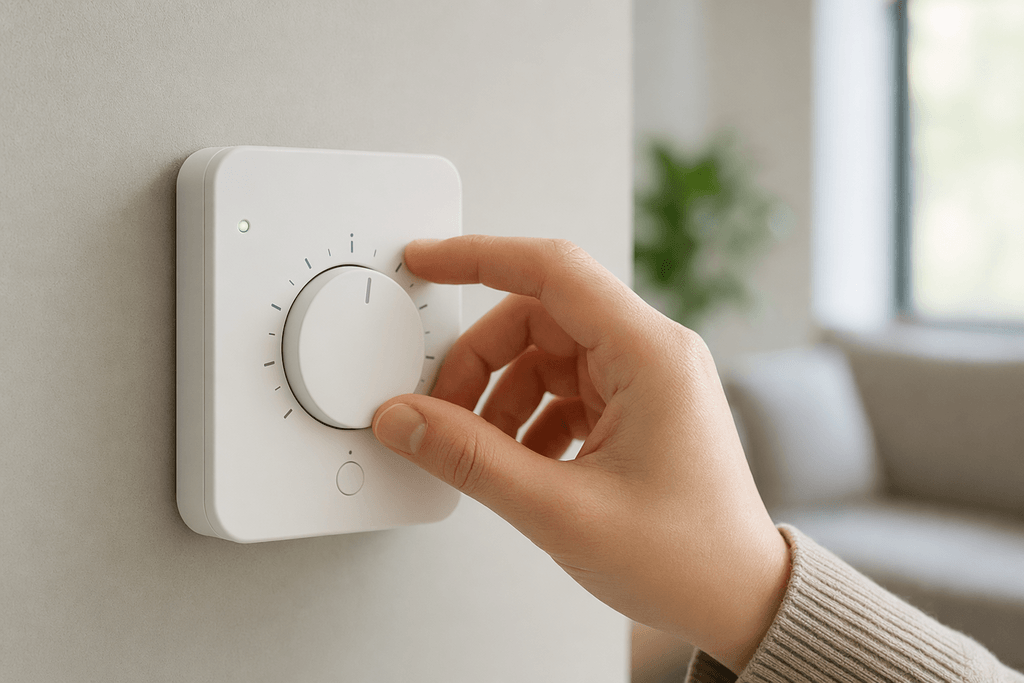
Sa sistema ng paglamig ng reaktor ng pananaliksik, ang pag-iipon ng controller ay hindi makasabay sa banayad na pagbabago ng temperatura, kaya ang desisyon na simulan ang isang emergency shutdown ay maaaring maantala.
( romanization )
パジャマ
padyama
パジャマ
padyama
Explanation
padyama
パジャマ
padyama / damit pantulog / pangtulog na kasuotan
Dahil galing ako sa night shift at parang lutang pa ang isip ko, nakalabas ako papuntang istasyon na naka-pajama pa, at sa tapat lang ng mga ticket gate saka ako tuluyang natauhan.

( romanization )
( counter )
裸足
nakapaa
裸足
nakapaa
Explanation
裸足
nakapaa
裸足
nakayapak; walang sapin sa paa / (panturing) higit pa sa propesyonal

Word Forms
The basic and commonly used forms of this adjectival noun.
Basic forms
| Form | Word form | Usage |
|---|---|---|
| Imperfective form (mizenkei) | Used in forms such as darou. | |
| Continuative form (renyokei) |
Alternative:
裸足に
裸足だっ
|
Used with de or ni. |
| Conclusive form (shushikei) | Ends a sentence with da. | |
| Attributive form (rentaikei) |
Alternative:
裸足の
|
Modifies a noun with na. |
| Conditional form (kateikei) |
Alternative:
裸足であれば
|
Expresses a condition with nara. |
| Imperative form (meireikei) | Used in formal expressions such as de are. |
Common forms
| Form | Word form | Usage |
|---|---|---|
| Te-form equivalent | Connects clauses using de. | |
| Ta-form | Expresses the past with datta. | |
| Nai-form |
Alternative:
裸足じゃない
|
Expresses negation with dewa nai or ja nai. |
| Desu-form | Used for polite speech. |
Notes
ジーパン
maong
ジーパン
maong
Explanation
maong
ジーパン
maong / pantalong maong

( romanization )
Loading...

JLPT N1 多言語単語帳・3032語 / JLPT N1 Multilingual Vocabulary: 3032 Words

Jonathan Waller 氏の JLPT Resources の語彙リスト・レベル分類を出典とし、CC BY の条件に従って DiQt が学習者向けに意味を作り直した3032語の単語帳です。JLPT公式の語彙リストではありません。
This collection of 3032 words is based on the vocabulary list and level classifications in Jonathan Waller’s JLPT Resources under CC BY, with meanings rewritten by DiQt for learners. It is not an official JLPT vocabulary list.
Key Operations
Select the first quiz:
Ctrl + Enter
View Explanation:Ctrl + G
Close a feedback:Esc
When selecting a quiz
Answer:Enter
Select a choice:↓ or ↑
Reading out the question:Ctrl + K
View Hint: Ctrl + M
I don't know: Ctrl + Y



