
JLPT N1: Kahulugan ng mga salita - Unsolved

Alamin ang kahulugan ng 3032 salita sa JLPT N1 sa Filipino sa pamamagitan ng mga tanong na may apat na pagpipilian.
-
magpatupad ng batas
-
punuin / tugunan
-
tinain
- 「賜る(たまわる)」はラ行五段活用。謙譲語として「いただく」の意で用いられる。
- 表記揺れとして「賜わる」も見られる。
-
usaping militar
-
hardin / plantasyon
-
pagbagsak ng eroplano
-
oo
-
salamat sa pagkain
-
tara na / kritikal na sandali
-
nang kakaiba / lubhang
-
nang maliwanag
-
lalo pa
-
ibaba / bawiin
-
ngatngatin / may kaunting alam
-
subukan
-
hindi makatarungan
-
maayos
-
maganda
-
pinagkukunan ng pondo
-
pagkakagawa
-
opisyal na abiso
-
inspeksiyon
-
silinyador
-
talulot
-
sumandig / umasa sa
-
isiksik
-
tumanggap ng aplikasyon
-
mapakla / simple ngunit elegante
-
masyadong palagay ang loob
-
nakasisilaw
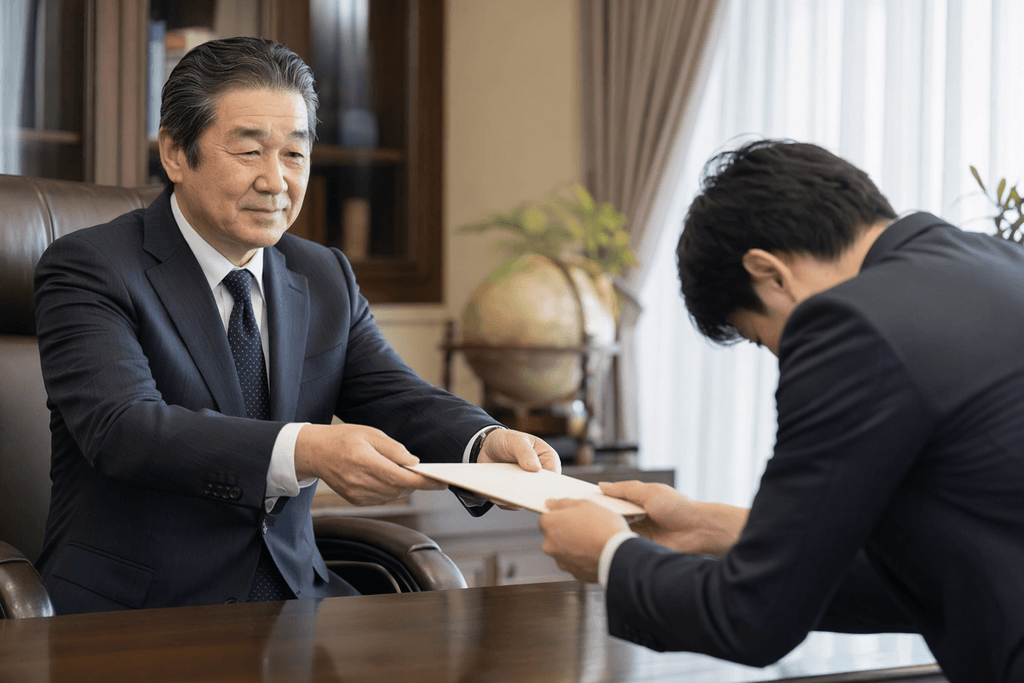
賜る
tumanggap nang may galang / igawad
賜る
tumanggap nang may galang / igawad
Explanation
賜る
tumanggap nang may galang / igawad
賜る
mapagkalooban / magawaran / tumanggap (nang may pagpapakumbaba)
Word Forms
The basic and commonly used forms of this verb.
Basic forms
| Form | Word form | Usage |
|---|---|---|
| Imperfective form (mizenkei) |
Alternative:
賜ろ
|
Connects to endings such as nai, reru, and seru. |
| Continuative form (renyokei) | Connects to endings such as masu, tai, and ta. | |
| Conclusive form (shushikei) |
Alternative:
賜わる
|
Ends a sentence and serves as the dictionary form. |
| Attributive form (rentaikei) |
Alternative:
賜わる
|
Modifies a noun. |
| Conditional form (kateikei) | Combines with ba to express a condition. | |
| Imperative form (meireikei) | Expresses a command or instruction. |
Common forms
| Form | Word form | Usage |
|---|---|---|
| Te-form |
Alternative:
賜わって
|
Connects clauses with te. |
| Ta-form |
Alternative:
賜わった
|
Expresses the past with ta. |
| Nai-form |
Alternative:
賜わらない
|
Expresses negation with nai. |
| Masu-form |
Alternative:
賜わります
|
Used for polite speech. |
| Ba-form |
Alternative:
賜われば
|
Expresses a condition with ba. |
| Volitional form |
Alternative:
賜わろう
|
Expresses intention or invitation. |
Notes
天井
kisame
天井
kisame
Explanation
天井
kisame
天井
kisame / pinakamataas na hangganan
Sa sira-sira na awditoryum, ang katotohanan na ang mga bitak sa kisame ay hindi napansin ay malupit na pinuna sa kasunod na pagsisiyasat sa aksidente.

( Base form )
( romanization )
( romanization )
( hiragana historical )
( hiragana )
畜生
hayop
畜生
hayop
Explanation
畜生
hayop
畜生
Buwisit! / Leche! / Putang ina!
Bwisit, dahil ang planong akala ko’y perpekto ay nabura at ibinalik sa wala sa loob lang ng isang gabi, biglang umapaw sa akin ang galit at kawalan ng saysay.

( Base form )
( romanization )
( hiragana )
かつて
noon / kailanman
かつて
noon / kailanman
Explanation
noon / kailanman
かつて
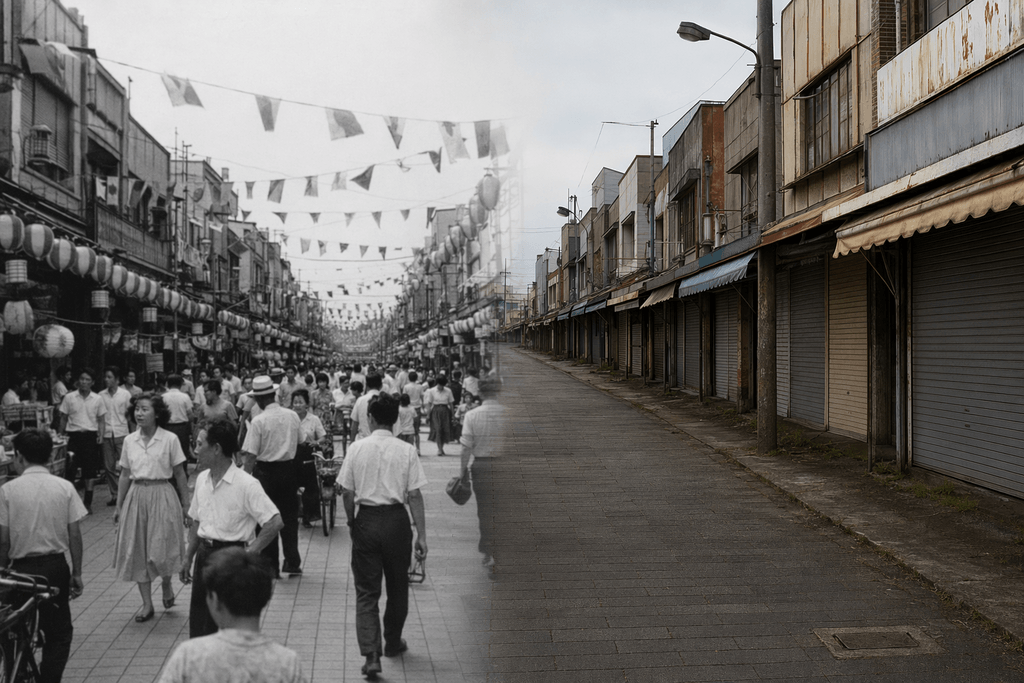
minsan noon / dati; noong una / hindi kailanman (kapag negatibo)
Ang shopping street na ito na dating ipinagmamalaki ang kasaganaan ay hindi nakalaban sa agos ng panahon, at ngayon ay tuluyan nang naging kalye ng mga saradong tindahan.
( romanization )
揺さぶる
yugyugin
揺さぶる
yugyugin
Explanation
揺さぶる
yugyugin
揺さぶる
yugyugin (ang isang bagay) / magdulot ng kaguluhan o pagkakagulat

Word Forms
The basic and commonly used forms of this verb.
Basic forms
| Form | Word form | Usage |
|---|---|---|
| Imperfective form (mizenkei) |
Alternative:
揺さぶろ
|
Connects to endings such as nai, reru, and seru. |
| Continuative form (renyokei) |
Alternative:
揺さぶっ
|
Connects to endings such as masu, tai, and ta. |
| Conclusive form (shushikei) | Ends a sentence and serves as the dictionary form. | |
| Attributive form (rentaikei) | Modifies a noun. | |
| Conditional form (kateikei) | Combines with ba to express a condition. | |
| Imperative form (meireikei) | Expresses a command or instruction. |
Common forms
迅速
maagap
迅速
maagap
Explanation
迅速
maagap
迅速
mabilis / agarang / matulin

Word Forms
The basic and commonly used forms of this adjectival noun.
Basic forms
| Form | Word form | Usage |
|---|---|---|
| Imperfective form (mizenkei) | Used in forms such as darou. | |
| Continuative form (renyokei) |
Alternative:
迅速に
|
Used with de or ni. |
| Conclusive form (shushikei) | Ends a sentence with da. | |
| Attributive form (rentaikei) | Modifies a noun with na. | |
| Conditional form (kateikei) | Expresses a condition with nara. | |
| Imperative form (meireikei) | Used in formal expressions such as de are. |
Common forms
同意
pagsang-ayon / parehong kahulugan
同意
pagsang-ayon / parehong kahulugan
Explanation
同意
pagsang-ayon / parehong kahulugan
同意
pagsang-ayon / pahintulot / pagkakasingkahulugan

( Base form )
( romanization )
( hiragana )
拝啓
pagbati
拝啓
pagbati
Explanation
拝啓
pagbati
拝啓
Mahal na (bati sa simula ng liham) / Mahal na Ginoo/Ginang, / Iginagalang na (pambungad sa sulat)
Mahal na Sir o Madam, natutuwa akong marinig na tinatamasa mo ang patuloy na mabuting kalusugan; Gayunpaman, may mga pangyayari na hindi maaaring ipagwalang-bahala ng ating kompanya.

( Base form )
( romanization )
( kyūjitai )
( hiragana )
生やす
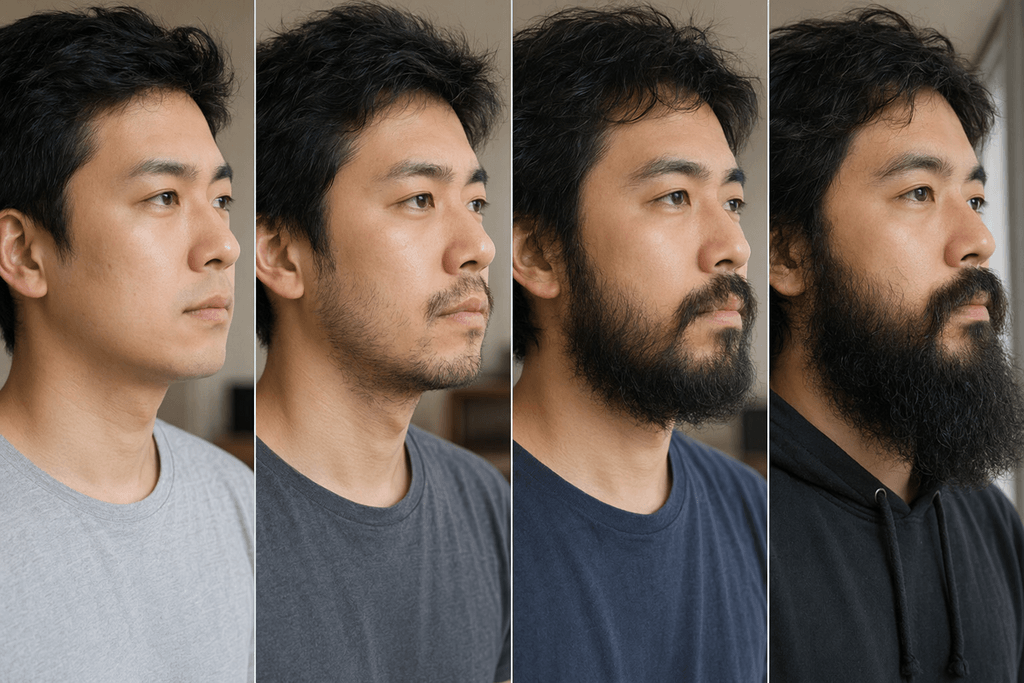
patubuin ang buhok
生やす
patubuin ang buhok
Explanation
生やす
patubuin ang buhok
生やす
magpatubo / magpalago / magpausbong
Word Forms
The basic and commonly used forms of this verb.
Basic forms
| Form | Word form | Usage |
|---|---|---|
| Imperfective form (mizenkei) |
Alternative:
生やそ
|
Connects to endings such as nai, reru, and seru. |
| Continuative form (renyokei) | Connects to endings such as masu, tai, and ta. | |
| Conclusive form (shushikei) | Ends a sentence and serves as the dictionary form. | |
| Attributive form (rentaikei) | Modifies a noun. | |
| Conditional form (kateikei) | Combines with ba to express a condition. | |
| Imperative form (meireikei) | Expresses a command or instruction. |
Common forms
心強い
nakapagpapalakas ng loob
心強い
nakapagpapalakas ng loob
Explanation
心強い
nakapagpapalakas ng loob
心強い
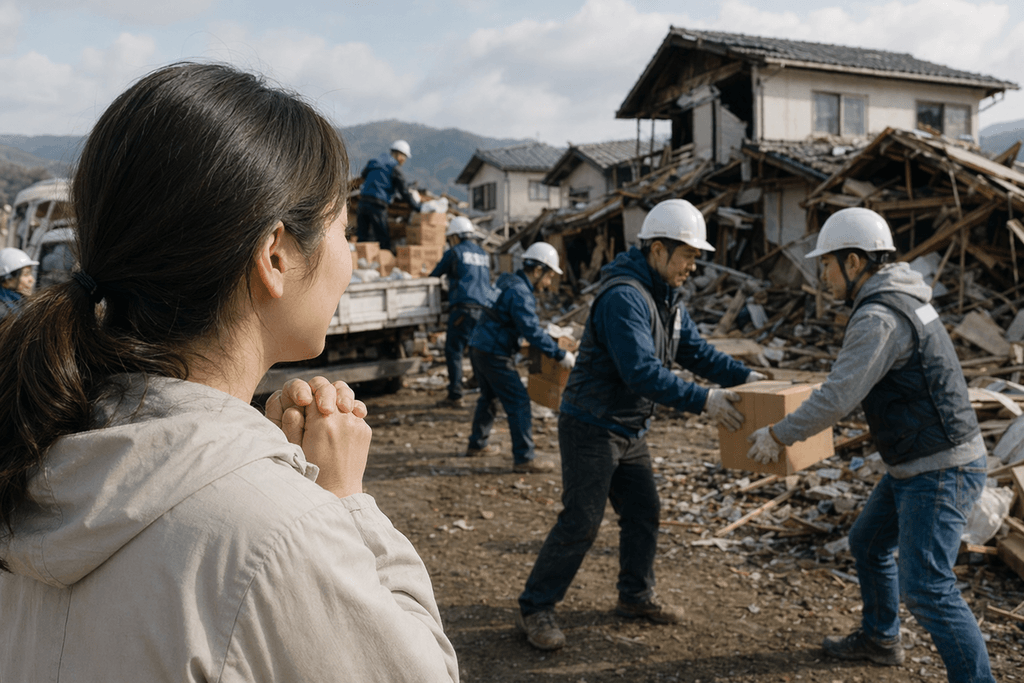
nakapagpapalakas ng loob / nakapagpapanatag / nakapagpapasigla
Word Forms
The basic and commonly used forms of this adjective.
Basic forms
| Form | Word form | Usage |
|---|---|---|
| Imperfective form (mizenkei) | Used in forms such as karou; mainly literary. | |
| Continuative form (renyokei) |
Alternative:
心強かっ
|
Used in forms such as kute and kunai. |
| Conclusive form (shushikei) | Ends a sentence. | |
| Attributive form (rentaikei) | Modifies a noun. | |
| Conditional form (kateikei) | Expresses a condition with kereba. | |
| Imperative form (meireikei) | Rarely used in modern Japanese. |
Common forms
Loading...

JLPT N1 多言語単語帳・3032語 / JLPT N1 Multilingual Vocabulary: 3032 Words

Jonathan Waller 氏の JLPT Resources の語彙リスト・レベル分類を出典とし、CC BY の条件に従って DiQt が学習者向けに意味を作り直した3032語の単語帳です。JLPT公式の語彙リストではありません。
This collection of 3032 words is based on the vocabulary list and level classifications in Jonathan Waller’s JLPT Resources under CC BY, with meanings rewritten by DiQt for learners. It is not an official JLPT vocabulary list.
Key Operations
Select the first quiz:
Ctrl + Enter
View Explanation:Ctrl + G
Close a feedback:Esc
When selecting a quiz
Answer:Enter
Select a choice:↓ or ↑
Reading out the question:Ctrl + K
View Hint: Ctrl + M
I don't know: Ctrl + Y



