
JLPT N1 어휘 뜻 4지선다 - Unsolved

4지선다 문제로 JLPT N1 어휘 3032개의 뜻을 한국어로 익힙니다.
-
개인 물품
-
모니터 / 제품 체험자
-
주행
-
약해지다
-
평온해지다 / 가라앉다
-
비치하다
-
매듭
-
수놓기
-
재산
-
완전히
-
매우
-
딱 / 꽉
-
흐트러지다
-
어리광부리다 / 호의에 기대다
-
출시하다 / 널리 알리다
-
실질
-
강수
-
우회
-
길들이다
-
기대다 / 속이 더부룩하다
-
꾸짖다
-
설득
-
야외
-
볼트 단위 / 볼트 나사
-
끼워 넣다 / 끼다
-
눈에 띄다
-
다 나오다
-
쌀쌀맞다
-
애달프다
-
불쾌하다 / 외설적이다
ノイローゼ
신경증
ノイローゼ
신경증
Explanation
신경증
ノイローゼ
신경증; 불안·강박 등 증상을 보이는 비교적 경미한 정신장애 / 현실 검증력은 유지되나 심리적 갈등으로 인한 정서적 고통이 지속되는 상태

( romanization )
費やす
소비하다
費やす
소비하다
Explanation
費やす
소비하다
費やす
(시간·돈·노력 등을) 쓰다, 소비하다 / 낭비하다, 허비하다

Word Forms
The basic and commonly used forms of this verb.
Basic forms
| Form | Word form | Usage |
|---|---|---|
| Imperfective form (mizenkei) |
Alternative:
費やそ
|
Connects to endings such as nai, reru, and seru. |
| Continuative form (renyokei) | Connects to endings such as masu, tai, and ta. | |
| Conclusive form (shushikei) | Ends a sentence and serves as the dictionary form. | |
| Attributive form (rentaikei) | Modifies a noun. | |
| Conditional form (kateikei) | Combines with ba to express a condition. | |
| Imperative form (meireikei) | Expresses a command or instruction. |
Common forms
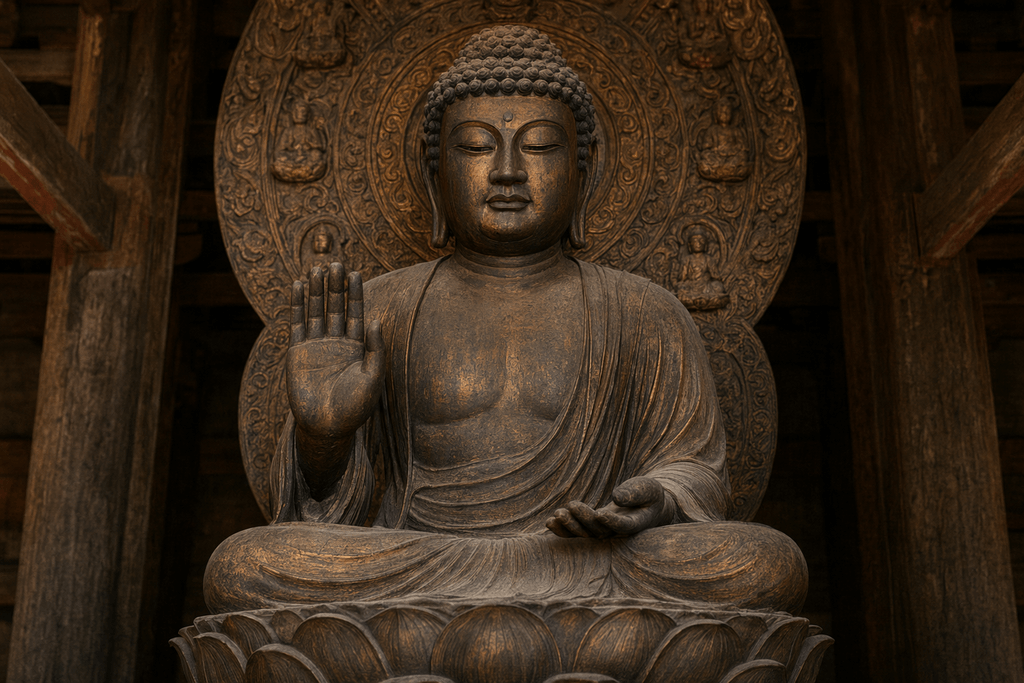
仏像
불상
仏像
불상
Explanation
仏像
불상
仏像
부처의 모습을 형상화한 상 / 불교에서 숭배 대상으로 만든 부처의 조형물
( Base form )
( romanization )
( kyūjitai )
( hiragana )
すんなり
순조롭게 / 가늘고 길게
すんなり
순조롭게 / 가늘고 길게
Explanation
순조롭게 / 가늘고 길게
すんなり
날씬하게, 가늘게 / 순조롭게, 원활하게 / 쉽게, 거침없이

( romanization )
( hiragana historical )
染みる
스며들다 / 쓰라리다
染みる
스며들다 / 쓰라리다
Explanation
染みる
스며들다 / 쓰라리다
染みる
스며들다 / 추위가 사무치다 / 따갑게 아프다

Word Forms
The basic and commonly used forms of this verb.
Basic forms
| Form | Word form | Usage |
|---|---|---|
| Imperfective form (mizenkei) | Connects to endings such as nai, reru, and seru. | |
| Continuative form (renyokei) | Connects to endings such as masu, tai, and ta. | |
| Conclusive form (shushikei) | Ends a sentence and serves as the dictionary form. | |
| Attributive form (rentaikei) | Modifies a noun. | |
| Conditional form (kateikei) | Combines with ba to express a condition. | |
| Imperative form (meireikei) |
Alternative:
染みよ
|
Expresses a command or instruction. |
Common forms
配列
배열
配列
배열
Explanation
配列
배열
配列
사물의 배열·정렬·배치 / (수학·프로그래밍) 배열, 테이블 / (유전학) DNA 서열

( Base form )
( romanization )
( hiragana )
揉める
다투다
揉める
다투다
Explanation
揉める
다투다
揉める
다투다 / 실랑이가 벌어지다 / 마음을 졸이다

Word Forms
The basic and commonly used forms of this verb.
Basic forms
| Form | Word form | Usage |
|---|---|---|
| Imperfective form (mizenkei) | Connects to endings such as nai, reru, and seru. | |
| Continuative form (renyokei) | Connects to endings such as masu, tai, and ta. | |
| Conclusive form (shushikei) | Ends a sentence and serves as the dictionary form. | |
| Attributive form (rentaikei) | Modifies a noun. | |
| Conditional form (kateikei) | Combines with ba to express a condition. | |
| Imperative form (meireikei) |
Alternative:
揉めよ
|
Expresses a command or instruction. |
Common forms
潮
조수
潮
조수
Explanation
潮
조수
潮
바닷물의 주기적 오르내림 / 밀물과 썰물

強まる
강해지다
強まる
강해지다
Explanation
強まる
강해지다
強まる
강해지다 / 세지다 / 심해지다
Word Forms
The basic and commonly used forms of this verb.
Basic forms
| Form | Word form | Usage |
|---|---|---|
| Imperfective form (mizenkei) |
Alternative:
強まろ
|
Connects to endings such as nai, reru, and seru. |
| Continuative form (renyokei) |
Alternative:
強まっ
|
Connects to endings such as masu, tai, and ta. |
| Conclusive form (shushikei) | Ends a sentence and serves as the dictionary form. | |
| Attributive form (rentaikei) | Modifies a noun. | |
| Conditional form (kateikei) | Combines with ba to express a condition. | |
| Imperative form (meireikei) | Expresses a command or instruction. |
Common forms
素早い
재빠르다
素早い
재빠르다
Explanation
素早い
재빠르다
素早い
신속한 / 민첩한 / 예리한

Word Forms
The basic and commonly used forms of this adjective.
Basic forms
| Form | Word form | Usage |
|---|---|---|
| Imperfective form (mizenkei) | Used in forms such as karou; mainly literary. | |
| Continuative form (renyokei) |
Alternative:
素早かっ
|
Used in forms such as kute and kunai. |
| Conclusive form (shushikei) | Ends a sentence. | |
| Attributive form (rentaikei) | Modifies a noun. | |
| Conditional form (kateikei) | Expresses a condition with kereba. | |
| Imperative form (meireikei) | Rarely used in modern Japanese. |
Common forms
Loading...

JLPT N1 多言語単語帳・3032語 / JLPT N1 Multilingual Vocabulary: 3032 Words

Jonathan Waller 氏の JLPT Resources の語彙リスト・レベル分類を出典とし、CC BY の条件に従って DiQt が学習者向けに意味を作り直した3032語の単語帳です。JLPT公式の語彙リストではありません。
This collection of 3032 words is based on the vocabulary list and level classifications in Jonathan Waller’s JLPT Resources under CC BY, with meanings rewritten by DiQt for learners. It is not an official JLPT vocabulary list.
Key Operations
Select the first quiz:
Ctrl + Enter
View Explanation:Ctrl + G
Close a feedback:Esc
When selecting a quiz
Answer:Enter
Select a choice:↓ or ↑
Reading out the question:Ctrl + K
View Hint: Ctrl + M
I don't know: Ctrl + Y



