
JLPT N1 어휘 뜻 4지선다 - Unsolved

4지선다 문제로 JLPT N1 어휘 3032개의 뜻을 한국어로 익힙니다.
-
최선 / 조끼
-
등교
-
낭독
-
분열
-
폐기
-
용사
-
화장지
-
형벌
-
용수철
-
부풀다 / 뾰로통하다
-
고집하다
-
핥다 / 얕보다
-
문의하다
-
굳히다 / 다지다
-
정식으로 요청하다
-
병사
-
용액
-
절개
-
매실장아찌
-
이성
-
대우
-
가미 / 고려
-
외상
-
경연 대회
-
자유자재
-
낭만적이다
-
호평
- 連体修飾では「未開な」のほか「未開の」も用いられる。
-
맛있다
-
이상하다 / 우습다
-
몹시 기다려지다
- 読みは「こころよい」。
模索
모색
模索
모색
Explanation
模索
모색
模索
해결책이나 방향을 찾기 위한 모색 / 손으로 더듬어 찾음 / 불확실한 상태에서 시행착오로 알아봄

( Base form )
( romanization )
( hiragana )
購買
구매
購買
구매
Explanation
購買
구매
購買
구매 / 학교 매점

( Base form )
( romanization )
( hiragana )
筒
통
筒
통
Explanation
筒
통
筒
통, 원통 / (바퀴의) 허브, 차축통
( romanization )
( hiragana )
割り込む
끼어들다
割り込む
끼어들다
Explanation
割り込む
끼어들다
割り込む
줄이나 차례를 새치기하다 / 억지로 비집고 들어가다 / 대화에 끼어들다

Word Forms
The basic and commonly used forms of this verb.
Basic forms
| Form | Word form | Usage |
|---|---|---|
| Imperfective form (mizenkei) |
Alternative:
割り込も
|
Connects to endings such as nai, reru, and seru. |
| Continuative form (renyokei) |
Alternative:
割り込ん
|
Connects to endings such as masu, tai, and ta. |
| Conclusive form (shushikei) | Ends a sentence and serves as the dictionary form. | |
| Attributive form (rentaikei) | Modifies a noun. | |
| Conditional form (kateikei) | Combines with ba to express a condition. | |
| Imperative form (meireikei) | Expresses a command or instruction. |
Common forms
掲げる
내걸다 / 주창하다
掲げる
내걸다 / 주창하다
Explanation
掲げる
내걸다 / 주창하다
掲げる
(깃발·표어 등을) 내걸다 / (신문·문서에) 게재하다 / (방침·이념을) 표방하다

Word Forms
The basic and commonly used forms of this verb.
Basic forms
| Form | Word form | Usage |
|---|---|---|
| Imperfective form (mizenkei) | Connects to endings such as nai, reru, and seru. | |
| Continuative form (renyokei) | Connects to endings such as masu, tai, and ta. | |
| Conclusive form (shushikei) | Ends a sentence and serves as the dictionary form. | |
| Attributive form (rentaikei) | Modifies a noun. | |
| Conditional form (kateikei) | Combines with ba to express a condition. | |
| Imperative form (meireikei) |
Alternative:
掲げよ
|
Expresses a command or instruction. |
Common forms
拒否
거부 / 거부권 행사
拒否
거부 / 거부권 행사
Explanation
拒否
거부 / 거부권 행사
拒否
거부 / 거절 / 승낙하지 않음

( Base form )
( romanization )
( hiragana )
工学
공학
工学
공학
Explanation
工学
공학
工学
과학적 원리를 기술·산업에 적용하는 학문 / 기계·전기·재료 등 기술 시스템의 설계·분석을 다루는 분야

( Base form )
( romanization )
( hiragana )
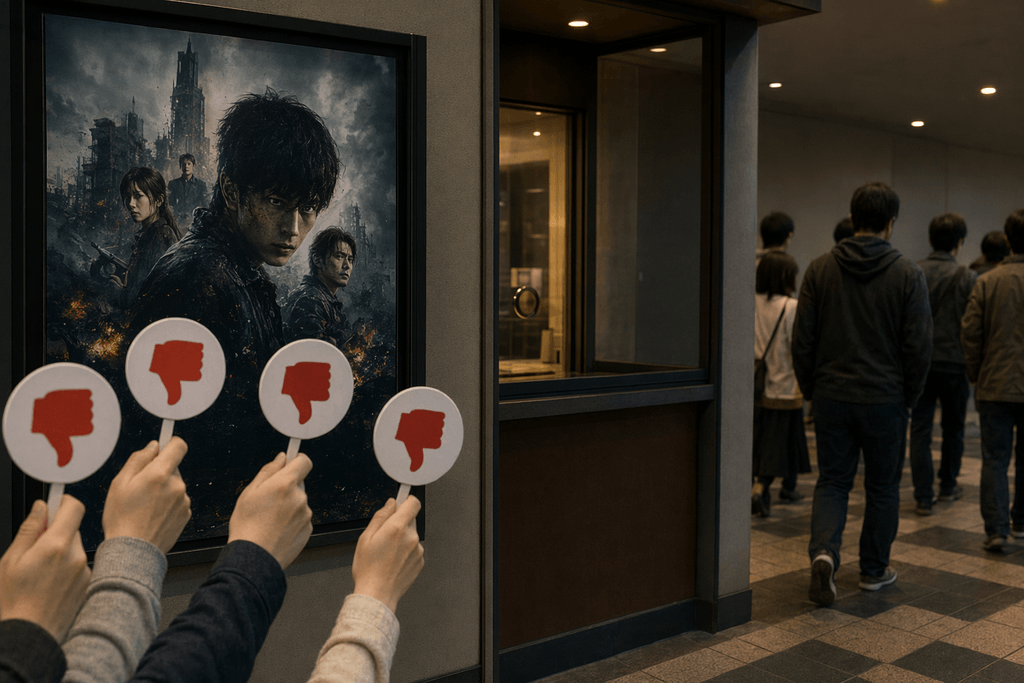
不評
악평
不評
악평
Explanation
不評
악평
不評
악평 / 나쁜 평판 / 인기 없음
( Base form )
( romanization )
( romanization )
( hiragana historical )
( hiragana )
未開
개발되지 않다
未開
개발되지 않다
Explanation
未開
개발되지 않다
未開
개발되지 않은 / 원시적인 / 탐험되지 않은

Word Forms
The basic and commonly used forms of this adjectival noun.
Basic forms
| Form | Word form | Usage |
|---|---|---|
| Imperfective form (mizenkei) | Used in forms such as darou. | |
| Continuative form (renyokei) |
Alternative:
未開に
未開だっ
|
Used with de or ni. |
| Conclusive form (shushikei) | Ends a sentence with da. | |
| Attributive form (rentaikei) |
Alternative:
未開の
|
Modifies a noun with na. |
| Conditional form (kateikei) | Expresses a condition with nara. | |
| Imperative form (meireikei) | Used in formal expressions such as de are. |
Common forms
| Form | Word form | Usage |
|---|---|---|
| Te-form equivalent | Connects clauses using de. | |
| Ta-form | Expresses the past with datta. | |
| Nai-form |
Alternative:
未開じゃない
|
Expresses negation with dewa nai or ja nai. |
| Desu-form | Used for polite speech. |
Notes
快い
기분이 좋다
快い
기분이 좋다
Explanation
快い
기분이 좋다
快い
기분 좋은 / 상쾌한 / 유쾌한

Word Forms
The basic and commonly used forms of this adjective.
Basic forms
| Form | Word form | Usage |
|---|---|---|
| Imperfective form (mizenkei) | Used in forms such as karou; mainly literary. | |
| Continuative form (renyokei) |
Alternative:
快かっ
|
Used in forms such as kute and kunai. |
| Conclusive form (shushikei) | Ends a sentence. | |
| Attributive form (rentaikei) | Modifies a noun. | |
| Conditional form (kateikei) | Expresses a condition with kereba. | |
| Imperative form (meireikei) | Rarely used in modern Japanese. |
Common forms
| Form | Word form | Usage |
|---|---|---|
| Te-form | Connects clauses with kute. | |
| Ta-form | Expresses the past with katta. | |
| Nai-form | Expresses negation with kunai. | |
| Ba-form | Expresses a condition with kereba. |
Notes
Loading...

JLPT N1 多言語単語帳・3032語 / JLPT N1 Multilingual Vocabulary: 3032 Words

Jonathan Waller 氏の JLPT Resources の語彙リスト・レベル分類を出典とし、CC BY の条件に従って DiQt が学習者向けに意味を作り直した3032語の単語帳です。JLPT公式の語彙リストではありません。
This collection of 3032 words is based on the vocabulary list and level classifications in Jonathan Waller’s JLPT Resources under CC BY, with meanings rewritten by DiQt for learners. It is not an official JLPT vocabulary list.
Key Operations
Select the first quiz:
Ctrl + Enter
View Explanation:Ctrl + G
Close a feedback:Esc
When selecting a quiz
Answer:Enter
Select a choice:↓ or ↑
Reading out the question:Ctrl + K
View Hint: Ctrl + M
I don't know: Ctrl + Y



