
JLPT N1 어휘 뜻 4지선다 - Unsolved

4지선다 문제로 JLPT N1 어휘 3032개의 뜻을 한국어로 익힙니다.
-
겸손하게 굴다
-
설치하다
-
새어 나오다 / 누락되다
-
오해 / 엇갈림
-
텔렉스
-
암컷
-
겸업
-
순간
-
해질녘
-
번식
-
맥박
-
제복
-
통감
-
채산성
-
은밀하다
-
대항 / 경쟁
-
동산 / 농원
-
허비
-
새로움
-
신선
-
한눈팔기
-
권리 / 권한
-
-파
-
수준
-
영상
-
유기성
-
연애
-
가라앉히다 / 잠기게 하다
-
쓸리다 / 닳고닳다
-
마르다
- 下一段活用。「途切れる」とも書く。
嘲笑う
비웃다
嘲笑う
비웃다
Explanation
嘲笑う
비웃다
嘲笑う
비웃다 / 조롱하다 / 조소하다
Word Forms
The basic and commonly used forms of this verb.
Basic forms
| Form | Word form | Usage |
|---|---|---|
| Imperfective form (mizenkei) | Connects to endings such as nai, reru, and seru. | |
| Continuative form (renyokei) | Connects to endings such as masu, tai, and ta. | |
| Conclusive form (shushikei) | Ends a sentence and serves as the dictionary form. | |
| Attributive form (rentaikei) | Modifies a noun. | |
| Conditional form (kateikei) | Combines with ba to express a condition. | |
| Imperative form (meireikei) | Expresses a command or instruction. |
Common forms
現行
현행의
現行
현행의
Explanation
現行
현행의
現行
현행(제도·법률 등) / 현재의 것 / 현재 운영 중인 상태

( Base form )
( romanization )
( hiragana )
情熱
열정
情熱
열정
Explanation
情熱
열정
情熱
열정 / 정열 / 열의

( Base form )
( romanization )
( romanization )
( hiragana historical )
( hiragana )
学芸
학문과 예술
学芸
학문과 예술
Explanation
学芸
학문과 예술
学芸
학문과 예술 / 교양 / 교육계, 교육 전반

( Base form )
( romanization )
( kyūjitai )
( hiragana )
浜
해안
浜
해안
Explanation
浜
해안
浜
해변, 바닷가 / (바둑) 사석, 따낸 돌 / 요코하마(横浜)의 약칭

( romanization )
( kyūjitai )
( hiragana )
磁気
자성
磁気
자성
Explanation
磁気
자성
磁気
자기 / 자성

( Base form )
( romanization )
( kyūjitai )
( hiragana )
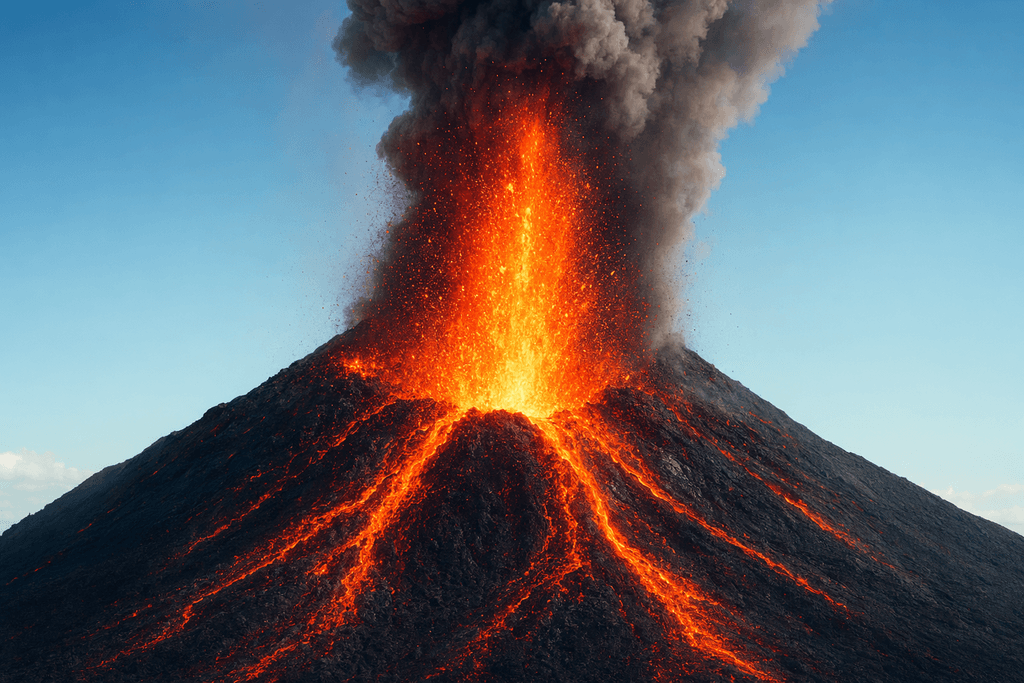
噴出
분출
噴出
분출
Explanation
噴出
분출
噴出
액체나 가스가 세차게 뿜어져 나오는 일 / 화산 등의 격렬한 분출·폭발 / 분노 등 감정이 갑자기 폭발함
( Base form )
( romanization )
( hiragana )
制
제도
制
제도
Explanation
制
제도
制
~제(制): ~식/제도·시스템의 / ~제: ~에 의한 방식·규정 / ~제: ~을 기준으로 한 제도

( romanization )
( hiragana )
化合
화합
化合
화합
Explanation
化合
화합
化合
화학적으로 결합함 / 원소나 물질이 결합하여 화합물을 이루는 일 / 화합 반응

( Base form )
( romanization )
( hiragana )
跡切れる
끊기다
跡切れる
끊기다
Explanation
跡切れる
끊기다
跡切れる
끊기다 / 중단되다 / 멈추다

Word Forms
The basic and commonly used forms of this verb.
Basic forms
| Form | Word form | Usage |
|---|---|---|
| Imperfective form (mizenkei) |
Alternative:
途切れ
とぎれ
|
Connects to endings such as nai, reru, and seru. |
| Continuative form (renyokei) |
Alternative:
途切れ
とぎれ
|
Connects to endings such as masu, tai, and ta. |
| Conclusive form (shushikei) |
Alternative:
途切れる
とぎれる
|
Ends a sentence and serves as the dictionary form. |
| Attributive form (rentaikei) |
Alternative:
途切れる
とぎれる
|
Modifies a noun. |
| Conditional form (kateikei) |
Alternative:
途切れれ
とぎれれ
|
Combines with ba to express a condition. |
| Imperative form (meireikei) |
Alternative:
跡切れよ
途切れろ
途切れよ
とぎれろ
とぎれよ
|
Expresses a command or instruction. |
Common forms
| Form | Word form | Usage |
|---|---|---|
| Te-form |
Alternative:
途切れて
とぎれて
|
Connects clauses with te. |
| Ta-form |
Alternative:
途切れた
とぎれた
|
Expresses the past with ta. |
| Nai-form |
Alternative:
途切れない
とぎれない
|
Expresses negation with nai. |
| Masu-form |
Alternative:
途切れます
とぎれます
|
Used for polite speech. |
| Ba-form |
Alternative:
途切れれば
とぎれれば
|
Expresses a condition with ba. |
| Volitional form |
Alternative:
途切れよう
とぎれよう
|
Expresses intention or invitation. |
Notes
Loading...

JLPT N1 多言語単語帳・3032語 / JLPT N1 Multilingual Vocabulary: 3032 Words

Jonathan Waller 氏の JLPT Resources の語彙リスト・レベル分類を出典とし、CC BY の条件に従って DiQt が学習者向けに意味を作り直した3032語の単語帳です。JLPT公式の語彙リストではありません。
This collection of 3032 words is based on the vocabulary list and level classifications in Jonathan Waller’s JLPT Resources under CC BY, with meanings rewritten by DiQt for learners. It is not an official JLPT vocabulary list.
Key Operations
Select the first quiz:
Ctrl + Enter
View Explanation:Ctrl + G
Close a feedback:Esc
When selecting a quiz
Answer:Enter
Select a choice:↓ or ↑
Reading out the question:Ctrl + K
View Hint: Ctrl + M
I don't know: Ctrl + Y



