
JLPT N1 어휘 뜻 4지선다 - Unsolved

4지선다 문제로 JLPT N1 어휘 3032개의 뜻을 한국어로 익힙니다.
-
차임벨
-
맹점
-
동요 / 흔들림
-
상응함
-
오식
-
등록
-
양호
-
흠
-
스트레스
-
교묘하다
-
근면하다
-
상쾌하다
-
운전기사 / 드라이버
-
한 수 위
-
문헌 개정
-
원전
-
황폐
-
거주
-
권역 / 구역
-
투자
-
빌려 씀
-
인색함 / 구두쇠
-
파손
-
격 / 문법적 격
-
커리어
-
군복
-
상승
-
부끄러워하다
-
치켜세우다
-
만들다
纏まり
통일성 / 타결
纏まり
통일성 / 타결
Explanation
纏まり
통일성 / 타결
纏まり
일관성 / 결속 / 타결

( Base form )
( romanization )
世代
세대
世代
세대
Explanation
世代
세대
世代
같은 시대에 태어난 사람들의 집단 / 연령대 / 기술·제품 등의 단계(세대)

( Base form )
( romanization )
( hiragana )
フィルター
필터
フィルター
필터
Explanation
필터
フィルター
여과 장치 / 거르는 장치 / 거르개

( romanization )
気軽
부담 없다 / 스스럼없다
気軽
부담 없다 / 스스럼없다
Explanation
気軽
부담 없다 / 스스럼없다
気軽
부담 없는 / 격식 없는 / 편안한

Word Forms
The basic and commonly used forms of this adjectival noun.
Basic forms
| Form | Word form | Usage |
|---|---|---|
| Imperfective form (mizenkei) | Used in forms such as darou. | |
| Continuative form (renyokei) |
Alternative:
気軽に
気軽だっ
|
Used with de or ni. |
| Conclusive form (shushikei) | Ends a sentence with da. | |
| Attributive form (rentaikei) | Modifies a noun with na. | |
| Conditional form (kateikei) | Expresses a condition with nara. | |
| Imperative form (meireikei) | Used in formal expressions such as de are. |
Common forms
指図
지시
指図
지시
Explanation
指図
지시
指図
지시 / 명령 / 지침

( Base form )
( romanization )
( hiragana )
いい加減
무책임한 / 적당한
いい加減
무책임한 / 적당한
Explanation
いい加減
무책임한 / 적당한
いい加減
적당함 / 적절함 / 알맞음

( Base form )
( romanization )
( hiragana )
旅券
여권
旅券
여권
Explanation
旅券
여권
旅券
여권

( Base form )
( romanization )
( hiragana )
運営
운영
運営
운영
Explanation
運営
운영
運営
운영 / 관리 / 운용

( Base form )
( romanization )
( kyūjitai )
( hiragana )
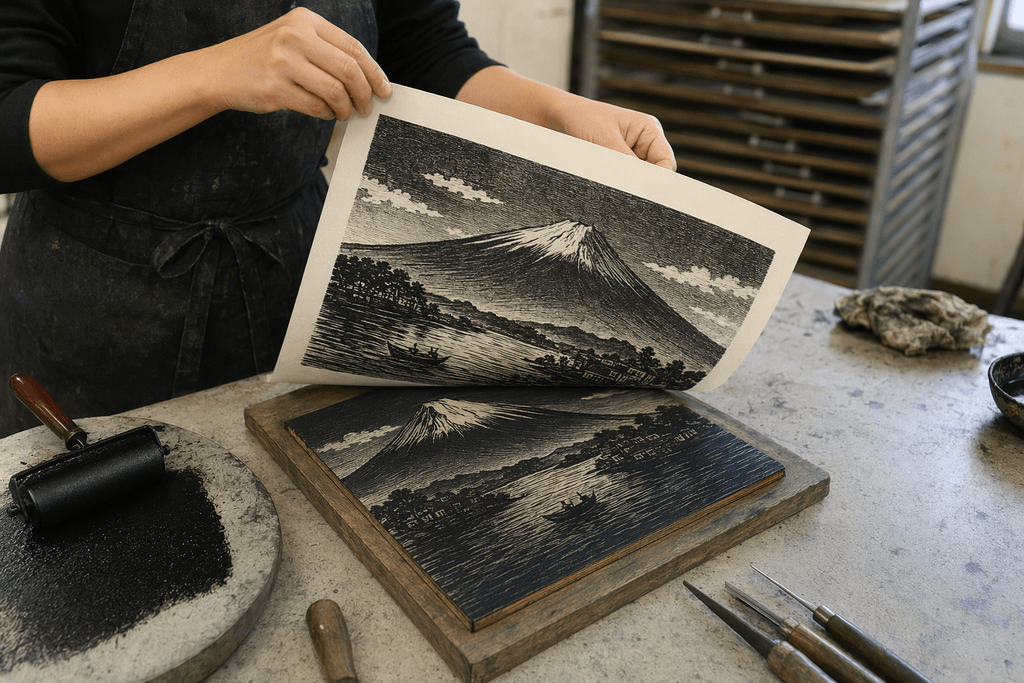
版画
판화
版画
판화
Explanation
版画
판화
版画
판화 제작 / 판화 기법 / 판화 작품
( Base form )
( romanization )
( kyūjitai )
( hiragana )
営む
사업을 하다 / 치르다
営む
사업을 하다 / 치르다
Explanation
営む
사업을 하다 / 치르다
営む
경영하다 / 운영하다 / 영업하다

Word Forms
The basic and commonly used forms of this verb.
Basic forms
| Form | Word form | Usage |
|---|---|---|
| Imperfective form (mizenkei) |
Alternative:
営も
|
Connects to endings such as nai, reru, and seru. |
| Continuative form (renyokei) | Connects to endings such as masu, tai, and ta. | |
| Conclusive form (shushikei) | Ends a sentence and serves as the dictionary form. | |
| Attributive form (rentaikei) | Modifies a noun. | |
| Conditional form (kateikei) | Combines with ba to express a condition. | |
| Imperative form (meireikei) | Expresses a command or instruction. |
Common forms
Loading...

JLPT N1 多言語単語帳・3032語 / JLPT N1 Multilingual Vocabulary: 3032 Words

Jonathan Waller 氏の JLPT Resources の語彙リスト・レベル分類を出典とし、CC BY の条件に従って DiQt が学習者向けに意味を作り直した3032語の単語帳です。JLPT公式の語彙リストではありません。
This collection of 3032 words is based on the vocabulary list and level classifications in Jonathan Waller’s JLPT Resources under CC BY, with meanings rewritten by DiQt for learners. It is not an official JLPT vocabulary list.
Key Operations
Select the first quiz:
Ctrl + Enter
View Explanation:Ctrl + G
Close a feedback:Esc
When selecting a quiz
Answer:Enter
Select a choice:↓ or ↑
Reading out the question:Ctrl + K
View Hint: Ctrl + M
I don't know: Ctrl + Y



