
JLPT N1 어휘 뜻 4지선다 - Unsolved

4지선다 문제로 JLPT N1 어휘 3032개의 뜻을 한국어로 익힙니다.
-
꾸짖다
-
맑게 하다 / 태연한 척하다
-
밀리다 / 체납하다
- 文語・古語の「生く」。現代語では多く「生きる」を用いる。
- 文語の已然形「いくれ」を便宜上 katei に収める。
- derived は見出し語の語幹に基づく参考形を含む。
-
겹치다 / 반복하다
-
시험에 붙다
-
전하다
-
접어들다
-
가로막다 / 말을 끊다
-
새어 나오다 / 누락되다
- 「突っ張る」はラ行五段活用。
- 未然形の異形「突っ張ろ」は主に意志形「突っ張ろう」に現れる。
-
불완전함 / 나머지
-
양성
-
항해
-
해발
-
수목
-
퀴즈
-
암
-
간결함
-
웨이트리스
-
의욕을 보이다
-
부피가 크다
-
직무를 감당하다
-
매체
-
조동사
-
주기
-
지식인
-
향신료
-
악인
-
변혁
-
부재
-
기중기
いく
가다
いく
가다
Explanation
가다
いく
살아 있다 / 다시 살아나다; 소생하다 / 생기 있다; 활기차다

Word Forms
The basic and commonly used forms of this verb.
Basic forms
| Form | Word form | Usage |
|---|---|---|
| Imperfective form (mizenkei) | Connects to endings such as nai, reru, and seru. | |
| Continuative form (renyokei) | Connects to endings such as masu, tai, and ta. | |
| Conclusive form (shushikei) | Ends a sentence and serves as the dictionary form. | |
| Attributive form (rentaikei) | Modifies a noun. | |
| Conditional form (kateikei) | Combines with ba to express a condition. | |
| Imperative form (meireikei) | Expresses a command or instruction. |
Common forms
| Form | Word form | Usage |
|---|---|---|
| Te-form | Connects clauses with te. | |
| Ta-form | Expresses the past with ta. | |
| Nai-form | Expresses negation with nai. | |
| Masu-form | Used for polite speech. | |
| Ba-form | Expresses a condition with ba. | |
| Volitional form | Expresses intention or invitation. |
Notes
即する
기초하다 / 들어맞다
即する
기초하다 / 들어맞다
Explanation
即する
기초하다 / 들어맞다
即する
부합하다, 일치하다 / (~에) 맞다, 적합하다 / (~에) 근거하다, 입각하다

Word Forms
The basic and commonly used forms of this verb.
Basic forms
| Form | Word form | Usage |
|---|---|---|
| Imperfective form (mizenkei) |
Alternative:
即せ
即さ
|
Connects to endings such as nai, reru, and seru. |
| Continuative form (renyokei) | Connects to endings such as masu, tai, and ta. | |
| Conclusive form (shushikei) | Ends a sentence and serves as the dictionary form. | |
| Attributive form (rentaikei) | Modifies a noun. | |
| Conditional form (kateikei) | Combines with ba to express a condition. | |
| Imperative form (meireikei) |
Alternative:
即せよ
|
Expresses a command or instruction. |
Common forms
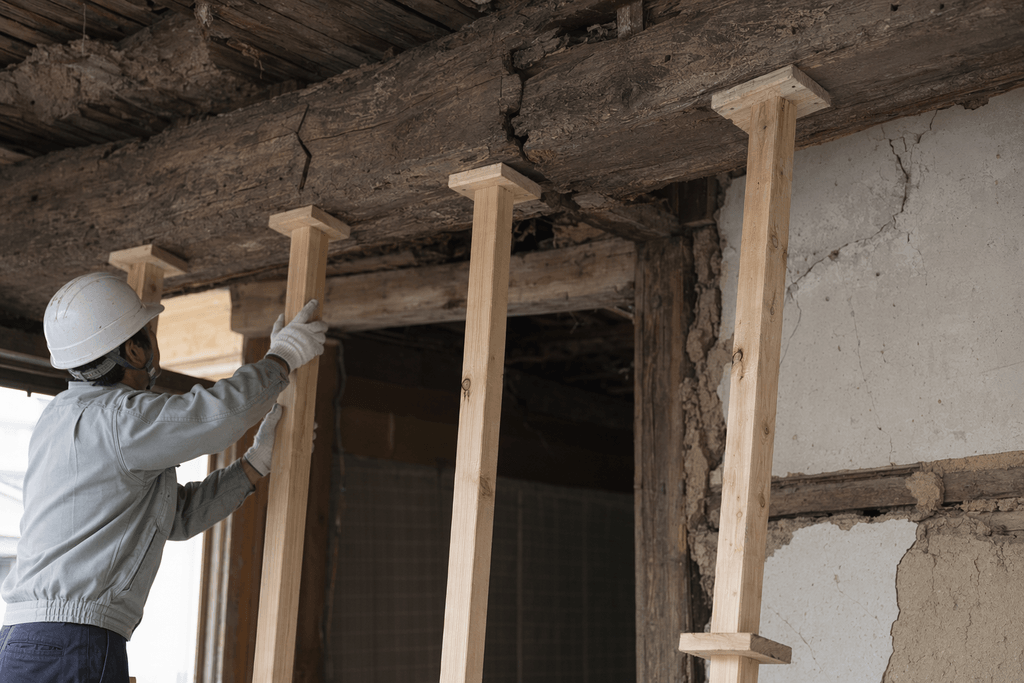
突っ張る
뻣뻣해지다 / 버티다
突っ張る
뻣뻣해지다 / 버티다
Explanation
突っ張る
뻣뻣해지다 / 버티다
突っ張る
받쳐 지탱하다 / 팽팽해지다, 뻣뻣해지다 / 고집을 부리다, 우기다
Word Forms
The basic and commonly used forms of this verb.
Basic forms
| Form | Word form | Usage |
|---|---|---|
| Imperfective form (mizenkei) |
Alternative:
突っ張ろ
|
Connects to endings such as nai, reru, and seru. |
| Continuative form (renyokei) | Connects to endings such as masu, tai, and ta. | |
| Conclusive form (shushikei) | Ends a sentence and serves as the dictionary form. | |
| Attributive form (rentaikei) | Modifies a noun. | |
| Conditional form (kateikei) | Combines with ba to express a condition. | |
| Imperative form (meireikei) | Expresses a command or instruction. |
Common forms
| Form | Word form | Usage |
|---|---|---|
| Te-form | Connects clauses with te. | |
| Ta-form | Expresses the past with ta. | |
| Nai-form | Expresses negation with nai. | |
| Masu-form | Used for polite speech. | |
| Ba-form | Expresses a condition with ba. | |
| Volitional form | Expresses intention or invitation. |
Notes
本音
속마음
本音
속마음
Explanation
本音
속마음
本音
속마음, 본심 / 진심에서 나온 말

( Base form )
( romanization )
( hiragana )
圧迫
압박
圧迫
압박
Explanation
圧迫
압박
圧迫
압박 / 억압

( Base form )
( romanization )
( kyūjitai )
( hiragana )
分散
분산 / 분산값
分散
분산 / 분산값
Explanation
分散
분산 / 분산값
分散
사물이나 성분이 흩어져 퍼지는 일; 물리·화학에서의 분산 / (수학·통계) 분산, 변동 정도를 나타내는 통계량 / (파산 절차) 재산·자산의 청산·배분

( Base form )
( romanization )
( hiragana )
ごまかす
속이다 / 얼버무리다
ごまかす
속이다 / 얼버무리다
Explanation
속이다 / 얼버무리다
ごまかす
속이다 / 얼버무리다 / 사기나 횡령을 하다

Word Forms
The basic and commonly used forms of this verb.
Basic forms
| Form | Word form | Usage |
|---|---|---|
| Imperfective form (mizenkei) |
Alternative:
ごまかそ
|
Connects to endings such as nai, reru, and seru. |
| Continuative form (renyokei) | Connects to endings such as masu, tai, and ta. | |
| Conclusive form (shushikei) | Ends a sentence and serves as the dictionary form. | |
| Attributive form (rentaikei) | Modifies a noun. | |
| Conditional form (kateikei) | Combines with ba to express a condition. | |
| Imperative form (meireikei) | Expresses a command or instruction. |
Common forms
土台
토대
土台
토대
Explanation
土台
토대
土台
(건설) 기초, 토대 / (건설) 받침돌 / (비유) 기반, 토대

( Base form )
( romanization )
( hiragana )
あべこべ
정반대
あべこべ
정반대
Explanation
정반대
あべこべ
반대 / 정반대 / 뒤바뀜

( romanization )
大柄
큰 체격 / 큰 무늬
大柄
큰 체격 / 큰 무늬
Explanation
大柄
큰 체격 / 큰 무늬
大柄
큰 무늬 / 큰 체격

( Base form )
( romanization )
( hiragana )
Loading...

JLPT N1 多言語単語帳・3032語 / JLPT N1 Multilingual Vocabulary: 3032 Words

Jonathan Waller 氏の JLPT Resources の語彙リスト・レベル分類を出典とし、CC BY の条件に従って DiQt が学習者向けに意味を作り直した3032語の単語帳です。JLPT公式の語彙リストではありません。
This collection of 3032 words is based on the vocabulary list and level classifications in Jonathan Waller’s JLPT Resources under CC BY, with meanings rewritten by DiQt for learners. It is not an official JLPT vocabulary list.
Key Operations
Select the first quiz:
Ctrl + Enter
View Explanation:Ctrl + G
Close a feedback:Esc
When selecting a quiz
Answer:Enter
Select a choice:↓ or ↑
Reading out the question:Ctrl + K
View Hint: Ctrl + M
I don't know: Ctrl + Y



