
JLPT N1 어휘 뜻 4지선다 - Unsolved

4지선다 문제로 JLPT N1 어휘 3032개의 뜻을 한국어로 익힙니다.
-
말문이 막힘 / 질림
-
인사이동
-
신고 / 세금 신고
-
손잡이
-
필수 과목
-
요청
-
이해 / 동의
-
파견
-
탄력
-
설정 / 환경 설정
-
사택
-
재회
-
진저리가 난
-
틀림없이
-
꽉 / 훨씬
-
중단하다
-
제의하다 / 요청하다
-
할퀴다
-
오직 / 그 뒤로
-
요금 / 재료
-
학년생
-
어렵다
-
놀랍다
-
흥미롭다 / 재미있다
- 「何気無い」は主に表記上の異形。
- 命令形「何気なかれ」は現代語では稀。
-
실업가
-
공식 성명
-
회담
-
실태
-
콘트라스트
-
동기
一部
일부 / 한 부
一部
일부 / 한 부
Explanation
一部
일부 / 한 부
一部
일부, 부분 / 신문·책의 한 부
( Base form )
( romanization )
( hiragana )
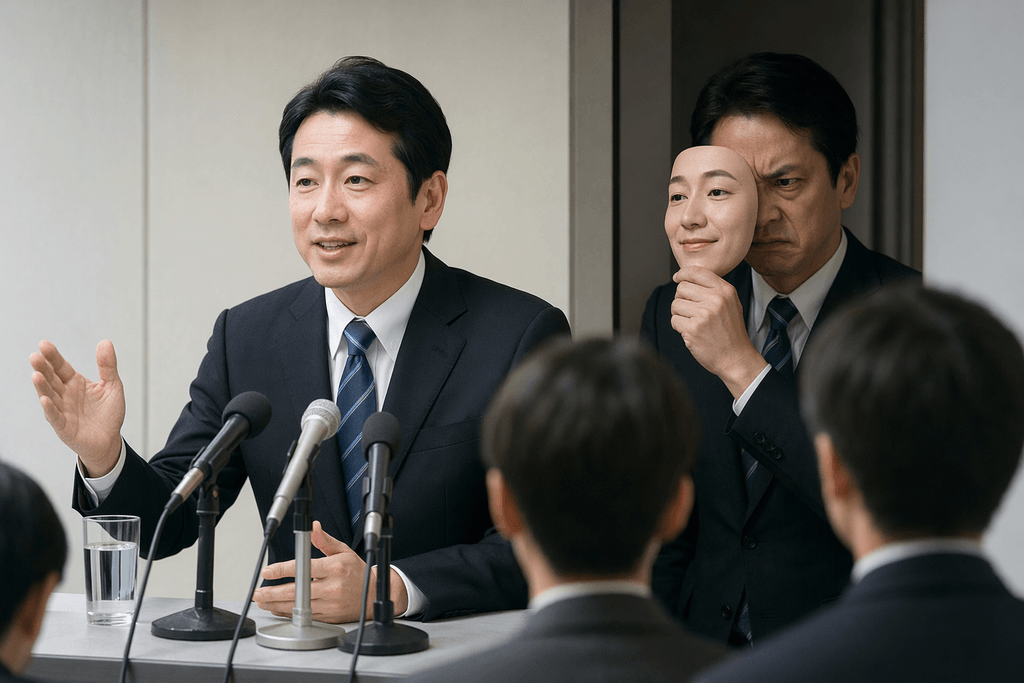
建前
공식 입장
建前
공식 입장
Explanation
建前
공식 입장
建前
공식 입장·공식 방침 / 겉으로 내세우는 명분(구실) / 겉치레·외관(겉모습)
( Base form )
( romanization )
( hiragana )
漁船
어선
漁船
어선
Explanation
漁船
어선
漁船
어선 / 고기잡이 배 / 어업용 선박

( Base form )
( romanization )
( hiragana )
最善
최선
最善
최선
Explanation
最善
최선
最善
최선 / 최상 / 가장 좋은 것

( Base form )
( romanization )
( hiragana )
あっさり
선뜻 / 담백하게
あっさり
선뜻 / 담백하게
Explanation
선뜻 / 담백하게
あっさり
쉽게 / 선뜻 / 단호하게

( romanization )
訪れる
방문하다 / 찾아오다
訪れる
방문하다 / 찾아오다
Explanation
訪れる
방문하다 / 찾아오다
訪れる
방문하다 / 찾아오다 / 도래하다

Word Forms
The basic and commonly used forms of this verb.
Basic forms
| Form | Word form | Usage |
|---|---|---|
| Imperfective form (mizenkei) | Connects to endings such as nai, reru, and seru. | |
| Continuative form (renyokei) | Connects to endings such as masu, tai, and ta. | |
| Conclusive form (shushikei) | Ends a sentence and serves as the dictionary form. | |
| Attributive form (rentaikei) | Modifies a noun. | |
| Conditional form (kateikei) | Combines with ba to express a condition. | |
| Imperative form (meireikei) |
Alternative:
訪れよ
|
Expresses a command or instruction. |
Common forms
〜過ぎ
지난 / 지나친
〜過ぎ
지난 / 지나친
Explanation
〜過ぎ
지난 / 지나친
〜過ぎ
지나감, ~후 / 지나침, 과도함 / 과잉, 지나치게 함

( Base form )
( romanization )
何気ない
아무렇지 않다
何気ない
아무렇지 않다
Explanation
何気ない
아무렇지 않다
何気ない
무심한 / 우연한 / 태연한

Word Forms
The basic and commonly used forms of this adjective.
Basic forms
| Form | Word form | Usage |
|---|---|---|
| Imperfective form (mizenkei) |
Alternative:
何げなかろ
|
Used in forms such as karou; mainly literary. |
| Continuative form (renyokei) |
Alternative:
何げなく
|
Used in forms such as kute and kunai. |
| Conclusive form (shushikei) |
Alternative:
何げない
何気無い
|
Ends a sentence. |
| Attributive form (rentaikei) |
Alternative:
何げない
何気無い
|
Modifies a noun. |
| Conditional form (kateikei) |
Alternative:
何げなけれ
|
Expresses a condition with kereba. |
| Imperative form (meireikei) |
Alternative:
何げなかれ
|
Rarely used in modern Japanese. |
Common forms
| Form | Word form | Usage |
|---|---|---|
| Te-form |
Alternative:
何げなくて
|
Connects clauses with kute. |
| Ta-form |
Alternative:
何げなかった
|
Expresses the past with katta. |
| Nai-form |
Alternative:
何げなくない
|
Expresses negation with kunai. |
| Ba-form |
Alternative:
何げなければ
|
Expresses a condition with kereba. |
Notes
処分
처분 / 징계
処分
처분 / 징계
Explanation
処分
처분 / 징계
処分
폐기·처리 / 징계·처벌

( Base form )
( romanization )
( kyūjitai )
( hiragana )
果て
맨 끝
果て
맨 끝
Explanation
果て
맨 끝
果て
끝 / 한계 / 최후

( Base form )
( romanization )
Loading...

JLPT N1 多言語単語帳・3032語 / JLPT N1 Multilingual Vocabulary: 3032 Words

Jonathan Waller 氏の JLPT Resources の語彙リスト・レベル分類を出典とし、CC BY の条件に従って DiQt が学習者向けに意味を作り直した3032語の単語帳です。JLPT公式の語彙リストではありません。
This collection of 3032 words is based on the vocabulary list and level classifications in Jonathan Waller’s JLPT Resources under CC BY, with meanings rewritten by DiQt for learners. It is not an official JLPT vocabulary list.
Key Operations
Select the first quiz:
Ctrl + Enter
View Explanation:Ctrl + G
Close a feedback:Esc
When selecting a quiz
Answer:Enter
Select a choice:↓ or ↑
Reading out the question:Ctrl + K
View Hint: Ctrl + M
I don't know: Ctrl + Y



