
JLPT N2 වචන අර්ථ පුහුණුව - Unsolved

පිළිතුරු විකල්ප හතරක් ඇති ප්රශ්න මඟින් JLPT N2 වචන 1790ක අර්ථ සිංහලෙන් ඉගෙන ගන්න.
-
එකිනෙකා පසුකර යනවා / එකඟ නොවෙනවා
-
එක මත එක තබනවා / නැවත කරනවා
-
ඇල වෙනවා / යොමු වෙනවා
-
ඇසුරුම් කිරීම
-
තුඩ
-
විකුණුම් ආදායම
-
සම්බන්ධ කරනවා
-
බඳිනවා / සීමා කරනවා
-
ගැටෙනවා / කෙළවරට ළඟා වෙනවා
-
දැඩි බෑවුම් සහිත / දැඩි
-
තද / ස්ථිර
-
අනතුරුදායක
- 「図々しい」はイ形容詞。命令形「図々しかれ」は現代語では稀な文語的形。
-
කුඩා වෙළෙඳසල
-
පිළිගැනීමේ කාමරය
-
මට්ටම
-
පැයකට වේගය
-
මනාලිය
-
බඳුන / මල් පෝච්චිය
-
විශ්වකෝෂය
-
අවාසනාව
-
කෝණය
-
ප්රචාරණය / දේශපාලන ප්රචාරය
-
සමගි වීම
-
වෙඩි තැබීම / දියත් කිරීම
-
ලජ්ජා නැති
-
සතුටුදායක / කෘතඥ
-
නාස්තිකාර / ලැබීමට නුසුදුසු
- 「みっともない」は語末に「ない」を含むが、全体で一語のイ形容詞として活用する。
-
ජල වාෂ්ප
-
තමන්ට වඩා උසස් අය
-
දින තුනකට පෙර
錆びる
මලකඩ කනවා
錆びる
මලකඩ කනවා
Explanation
錆びる
මලකඩ කනවා
錆びる
මලකඩ වැටෙන්න / මලකඩ ගැටෙන්න / මලකඩවීම

Word Forms
The basic and commonly used forms of this verb.
Basic forms
| Form | Word form | Usage |
|---|---|---|
| Imperfective form (mizenkei) | Connects to endings such as nai, reru, and seru. | |
| Continuative form (renyokei) | Connects to endings such as masu, tai, and ta. | |
| Conclusive form (shushikei) | Ends a sentence and serves as the dictionary form. | |
| Attributive form (rentaikei) | Modifies a noun. | |
| Conditional form (kateikei) | Combines with ba to express a condition. | |
| Imperative form (meireikei) |
Alternative:
錆びよ
|
Expresses a command or instruction. |
Common forms
国籍
ජාතිකත්වය
国籍
ජාතිකත්වය
Explanation
国籍
ජාතිකත්වය
国籍
ජාතිකත්වය / රටේ පුරවැසිභාවය

( Base form )
( romanization )
( kyūjitai )
( hiragana )
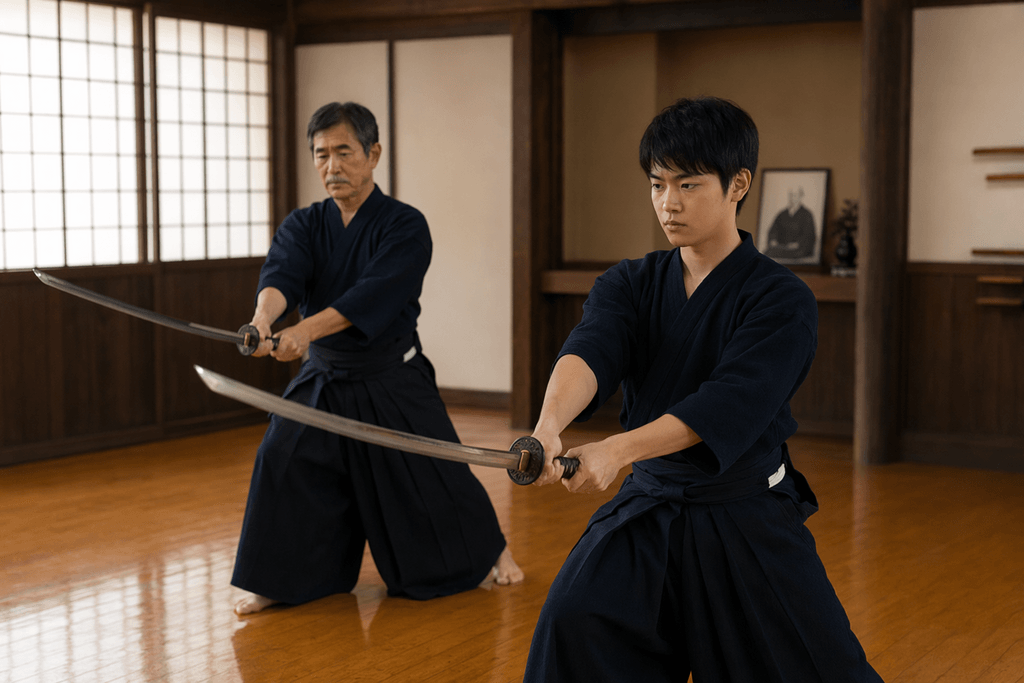
倣う
ආදර්ශයට ගන්නවා
倣う
ආදර්ශයට ගන්නවා
Explanation
倣う
ආදර්ශයට ගන්නවා
倣う
අනුකරණය කිරීම / අනුගමනය කිරීම / අනුසරණය කිරීම
Word Forms
The basic and commonly used forms of this verb.
Basic forms
| Form | Word form | Usage |
|---|---|---|
| Imperfective form (mizenkei) |
Alternative:
倣お
|
Connects to endings such as nai, reru, and seru. |
| Continuative form (renyokei) | Connects to endings such as masu, tai, and ta. | |
| Conclusive form (shushikei) | Ends a sentence and serves as the dictionary form. | |
| Attributive form (rentaikei) | Modifies a noun. | |
| Conditional form (kateikei) | Combines with ba to express a condition. | |
| Imperative form (meireikei) | Expresses a command or instruction. |
Common forms
図々しい
ලජ්ජා නැති
図々しい
ලජ්ජා නැති
Explanation
図々しい
ලජ්ජා නැති
図々しい
ධිට්ඨියෙන් හැසිරෙන / ලැජ්ජා නැති / තදමුහුණෙන් ඉල්ලන/කරන

Word Forms
The basic and commonly used forms of this adjective.
Basic forms
| Form | Word form | Usage |
|---|---|---|
| Imperfective form (mizenkei) | Used in forms such as karou; mainly literary. | |
| Continuative form (renyokei) |
Alternative:
図々しかっ
|
Used in forms such as kute and kunai. |
| Conclusive form (shushikei) | Ends a sentence. | |
| Attributive form (rentaikei) | Modifies a noun. | |
| Conditional form (kateikei) | Expresses a condition with kereba. | |
| Imperative form (meireikei) | Rarely used in modern Japanese. |
Common forms
| Form | Word form | Usage |
|---|---|---|
| Te-form | Connects clauses with kute. | |
| Ta-form | Expresses the past with katta. | |
| Nai-form | Expresses negation with kunai. | |
| Ba-form | Expresses a condition with kereba. |
Notes
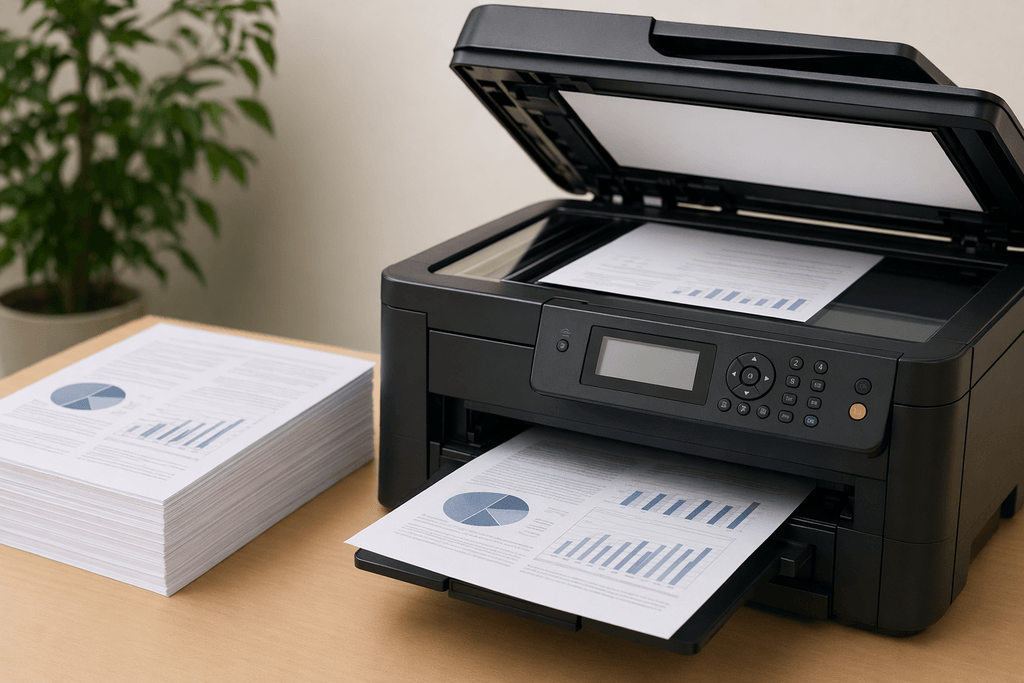
複写
පිටපත් කිරීම
複写
පිටපත් කිරීම
Explanation
複写
පිටපත් කිරීම
複写
පිටපත් කිරීම / පිටපත / නකල් කිරීම
( Base form )
( romanization )
( stem )
( Past )
( kyūjitai )
( table-tags )
( inflection-template )
( imperfective stem )
( imperfective stem )
( imperfective )
( continuative stem )
( continuative stem )
( continuative )
( stem terminative )
( stem terminative )
( terminative )
( attributive stem )
( attributive stem )
( attributive )
( hypothetical stem )
( hypothetical stem )
( hypothetical )
( Imperative literary stem )
( colloquial Imperative stem )
( Imperative literary stem )
( colloquial Imperative stem )
( Imperative literary )
( colloquial Imperative )
( Passive voice )
( Passive voice )
( Passive voice )
( causative )
( causative )
( causative )
( causative )
( causative )
( causative )
( potential )
( potential )
( potential )
( volitional )
( volitional )
( volitional )
( negative )
( negative )
( negative )
( continuative negative )
( continuative negative )
( continuative negative )
( formal )
( formal )
( formal )
( perfective )
( perfective )
( perfective )
( conjunctive )
( conjunctive )
( conjunctive )
( Conditional hypothetical )
( Conditional hypothetical )
( Conditional hypothetical )
気圧
වායු පීඩනය
気圧
වායු පීඩනය
Explanation
気圧
වායු පීඩනය
気圧
වායුගෝලීය පීඩනය / ගුවන් පීඩනය

( Base form )
( romanization )
( kyūjitai )
( hiragana )
外科
ශල්ය අංශය
外科
ශල්ය අංශය
Explanation
外科
ශල්ය අංශය
外科
ශල්ය වෛද්ය විද්යාව / ශල්ය විශේෂඥතාව / රෝහලේ ශල්ය වාට්ටුව

( Base form )
( romanization )
( hiragana )
家主
ගෙහිමියා
家主
ගෙහිමියා
Explanation
家主
ගෙහිමියා
家主
ගෙහි හිමියා / නිවසේ අයිතිකරු / කිරීම්ගෙයේ හිමියා (ලැන්ඩ්ලෝඩ්/ලැන්ඩ්ලේඩි)

( Base form )
( romanization )
( hiragana )
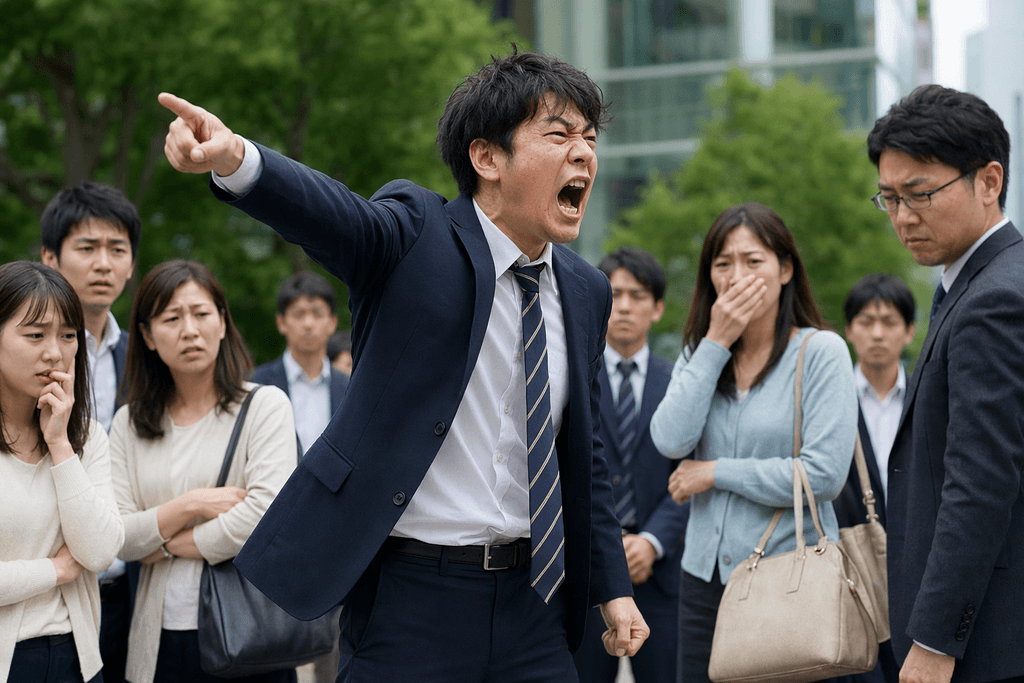
みっともない
අශෝභන
みっともない
අශෝභන
Explanation
අශෝභන
みっともない
ලැජ්ජාජනක / අපිරිසිදු/අශෝභන (පෙනුම) / ගෞරවහීන
Word Forms
The basic and commonly used forms of this adjective.
Basic forms
| Form | Word form | Usage |
|---|---|---|
| Imperfective form (mizenkei) | Used in forms such as karou; mainly literary. | |
| Continuative form (renyokei) |
Alternative:
みっともなかっ
|
Used in forms such as kute and kunai. |
| Conclusive form (shushikei) |
Alternative:
見っともない
|
Ends a sentence. |
| Attributive form (rentaikei) |
Alternative:
見っともない
|
Modifies a noun. |
| Conditional form (kateikei) | Expresses a condition with kereba. | |
| Imperative form (meireikei) | Rarely used in modern Japanese. |
Common forms
| Form | Word form | Usage |
|---|---|---|
| Te-form |
Alternative:
みっともなくって
|
Connects clauses with kute. |
| Ta-form | Expresses the past with katta. | |
| Nai-form | Expresses negation with kunai. | |
| Ba-form | Expresses a condition with kereba. |
Notes
モデル
ආකෘතිය / විලාසිතා නිරූපකයා
モデル
ආකෘතිය / විලාසිතා නිරූපකයා
Explanation
ආකෘතිය / විලාසිතා නිරූපකයා
モデル
මාදිලිය / ආදර්ශය / ආකෘතිය

( romanization )
Loading...

JLPT N2 多言語単語帳・1790語 / JLPT N2 Multilingual Vocabulary: 1790 Words

Jonathan Waller 氏の JLPT Resources の語彙リスト・レベル分類を出典とし、CC BY の条件に従って DiQt が学習者向けに意味を作り直した1790語の単語帳です。JLPT公式の語彙リストではありません。
This collection of 1790 words is based on the vocabulary list and level classifications in Jonathan Waller’s JLPT Resources under CC BY, with meanings rewritten by DiQt for learners. It is not an official JLPT vocabulary list.
Key Operations
Select the first quiz:
Ctrl + Enter
View Explanation:Ctrl + G
Close a feedback:Esc
When selecting a quiz
Answer:Enter
Select a choice:↓ or ↑
Reading out the question:Ctrl + K
View Hint: Ctrl + M
I don't know: Ctrl + Y



