
JLPT N2 වචන අර්ථ පුහුණුව - Unsolved

පිළිතුරු විකල්ප හතරක් ඇති ප්රශ්න මඟින් JLPT N2 වචන 1790ක අර්ථ සිංහලෙන් ඉගෙන ගන්න.
-
රත් කරනවා
-
අවුල්ව තිබෙනවා
-
කැටයම් කරනවා
-
කාන්තාව
-
බාධාව
-
ඉරියව්ව / ආකල්පය
-
ස්වභාවය / ගුණාංගය
-
පිරිසිදු කිරීමේ රෙදි කඩ
-
සංකේතය
-
නිශ්චිත ප්රකාශය
-
ධීවර කර්මාන්තය
-
ජල බිඳුව
-
වියළීම / වියළි බව
-
ආචාර විධි
-
නිදන ඇඳුම්
-
එක් පැත්තකට ඇල වෙනවා / පක්ෂග්රාහී වෙනවා
-
පයින් ගසනවා
-
ගැළපෙන සේ ඇතුළු කරනවා / පලඳිනවා
-
පිරිසිදු කිරීමේ රෙදි කඩ
-
කඳවුර
-
නිශ්චිත / හඳුනාගැනීම
-
රෙදි සේදුම් සේවාව
-
නිරවද්යතාව
-
නිර්මාණාත්මක කෘතිය
-
දිස්ත්රික්කය
-
සතුට / සුබ පැතුම්
-
අවුරුදු දෙකකට පෙර
-
රැලි වෙනවා
-
ගිනි ඇවිළෙනවා / දැල්වෙනවා
-
සමබර වෙනවා / ගැළපෙනවා
話しかける
කතා කිරීමට මුල පුරනවා
話しかける
කතා කිරීමට මුල පුරනවා
Explanation
話しかける
කතා කිරීමට මුල පුරනවා
話しかける
(යමෙකුට) කතා කරනවා / (යමෙකුට) ආමන්ත්රණය කරනවා / (යමෙකු සමඟ) සංවාදයක් ආරම්භ කරනවා

Word Forms
The basic and commonly used forms of this verb.
Basic forms
| Form | Word form | Usage |
|---|---|---|
| Imperfective form (mizenkei) |
Alternative:
話し掛け
|
Connects to endings such as nai, reru, and seru. |
| Continuative form (renyokei) |
Alternative:
話し掛け
|
Connects to endings such as masu, tai, and ta. |
| Conclusive form (shushikei) |
Alternative:
話し掛ける
|
Ends a sentence and serves as the dictionary form. |
| Attributive form (rentaikei) |
Alternative:
話し掛ける
|
Modifies a noun. |
| Conditional form (kateikei) |
Alternative:
話し掛けれ
|
Combines with ba to express a condition. |
| Imperative form (meireikei) |
Alternative:
話し掛けろ
話しかけよ
話し掛けよ
|
Expresses a command or instruction. |
Common forms
| Form | Word form | Usage |
|---|---|---|
| Te-form |
Alternative:
話し掛けて
|
Connects clauses with te. |
| Ta-form |
Alternative:
話し掛けた
|
Expresses the past with ta. |
| Nai-form |
Alternative:
話し掛けない
|
Expresses negation with nai. |
| Masu-form |
Alternative:
話し掛けます
|
Used for polite speech. |
| Ba-form |
Alternative:
話し掛ければ
|
Expresses a condition with ba. |
| Volitional form |
Alternative:
話し掛けよう
|
Expresses intention or invitation. |
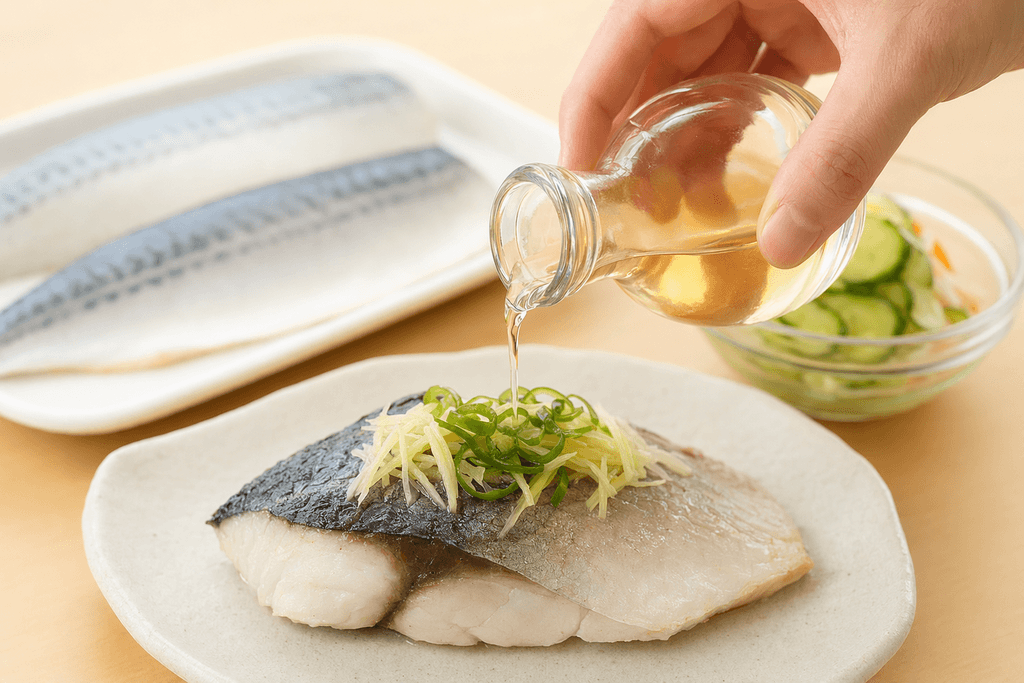
酢
විනාකිරි
酢
විනාකිරි
Explanation
酢
විනාකිරි
酢
විනාකිරි / උපචාරක අම්ල දියර
交通機関
ප්රවාහන මාධ්යය
交通機関
ප්රවාහන මාධ්යය
Explanation
交通機関
ප්රවාහන මාධ්යය
交通機関
ප්රවාහන පහසුකම් / ගමනාගමන උපකරණ/සේවා / ප්රවාහන මාධ්ය

( Base form )
( romanization )
( romanization )
( kyūjitai )
( hiragana historical )
( hiragana )
性質
ස්වභාවය / ගුණාංගය
性質
ස්වභාවය / ගුණාංගය
Explanation
性質
ස්වභාවය / ගුණාංගය
性質
ස්වභාවය / ගුණධර්මය / ලක්ෂණය

( Base form )
( romanization )
( hiragana )
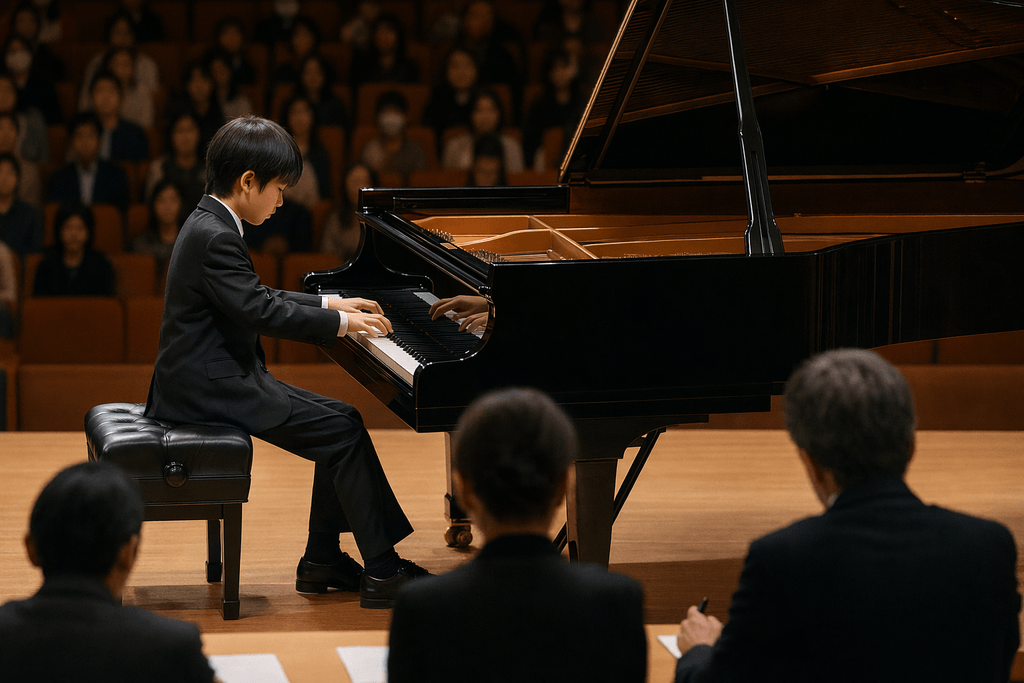
コンクール
තරගය
コンクール
තරගය
Explanation
තරගය
コンクール
තරඟය / උත්සවීය තරඟාවලිය / ප්රතිස්පර්ධාව
( romanization )
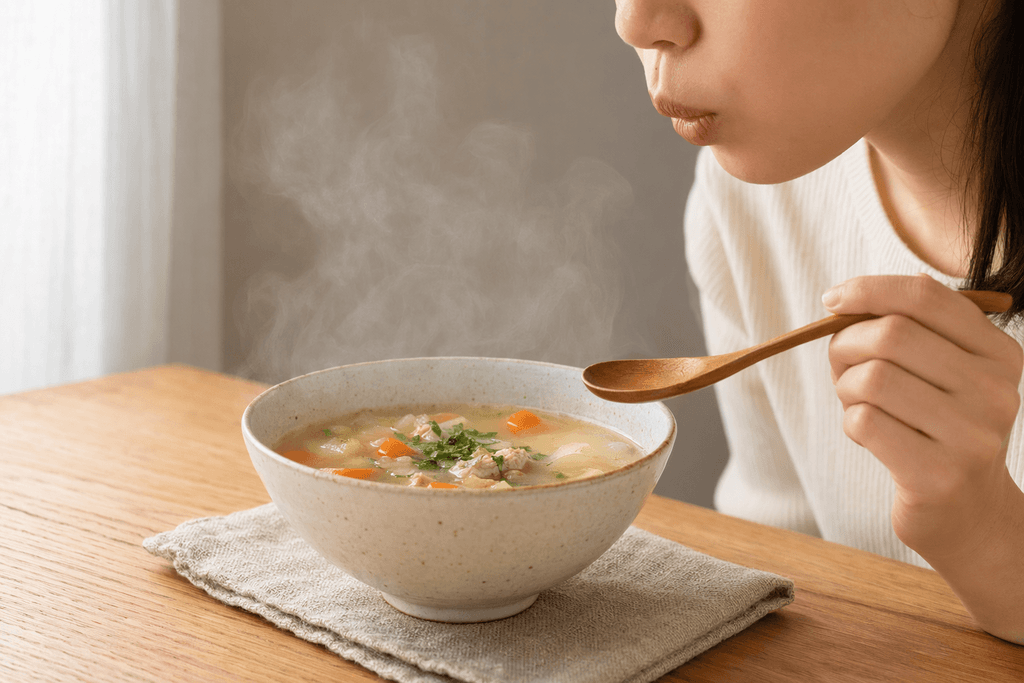
冷ます
නිවනවා
冷ます
නිවනවා
Explanation
冷ます
නිවනවා
冷ます
සිසිල් කරයි / උෂ්ණත්වය අඩු කරයි / සීතල කරයි
Word Forms
The basic and commonly used forms of this verb.
Basic forms
| Form | Word form | Usage |
|---|---|---|
| Imperfective form (mizenkei) |
Alternative:
冷まそ
|
Connects to endings such as nai, reru, and seru. |
| Continuative form (renyokei) | Connects to endings such as masu, tai, and ta. | |
| Conclusive form (shushikei) | Ends a sentence and serves as the dictionary form. | |
| Attributive form (rentaikei) | Modifies a noun. | |
| Conditional form (kateikei) | Combines with ba to express a condition. | |
| Imperative form (meireikei) | Expresses a command or instruction. |
Common forms
通用
පොදු පිළිගැනීම
通用
පොදු පිළිගැනීම
Explanation
通用
පොදු පිළිගැනීම
通用
පොදු භාවිතය / සැමට භාවිත කළ හැකි බව / සාමාන්ය භාවිතය

( Base form )
( romanization )
( hiragana )
発電
විදුලි උත්පාදනය
発電
විදුලි උත්පාදනය
Explanation
発電
විදුලි උත්පාදනය
発電
විදුලිය නිපදවීම / විදුත් ජනනය / විදුලි උත්පාදනය

( Base form )
( romanization )
( kyūjitai )
( hiragana )
着替え
ඇඳුම් මාරුව / මාරු ඇඳුම්
着替え
ඇඳුම් මාරුව / මාරු ඇඳුම්
Explanation
着替え
ඇඳුම් මාරුව / මාරු ඇඳුම්
着替え
ඇඳුම් මාරු කිරීම / මාරු ඇඳුම් (අමතර ඇඳුම්)

( Base form )
( romanization )
迫る
ළං වෙනවා / බල කරනවා
迫る
ළං වෙනවා / බල කරනවා
Explanation
迫る
ළං වෙනවා / බල කරනවා
迫る
ළංවීමට එනවා; ළඟාවෙයි / පීඩනය දෙනවා; තදින් බල කරනවා / කඩිනම් කරන්න උත්සහ කරවා; ඉක්මන් කරන්න බලකරනවා

Word Forms
The basic and commonly used forms of this verb.
Basic forms
| Form | Word form | Usage |
|---|---|---|
| Imperfective form (mizenkei) |
Alternative:
迫ろ
|
Connects to endings such as nai, reru, and seru. |
| Continuative form (renyokei) |
Alternative:
迫っ
|
Connects to endings such as masu, tai, and ta. |
| Conclusive form (shushikei) | Ends a sentence and serves as the dictionary form. | |
| Attributive form (rentaikei) | Modifies a noun. | |
| Conditional form (kateikei) | Combines with ba to express a condition. | |
| Imperative form (meireikei) | Expresses a command or instruction. |
Common forms
Loading...

JLPT N2 多言語単語帳・1790語 / JLPT N2 Multilingual Vocabulary: 1790 Words

Jonathan Waller 氏の JLPT Resources の語彙リスト・レベル分類を出典とし、CC BY の条件に従って DiQt が学習者向けに意味を作り直した1790語の単語帳です。JLPT公式の語彙リストではありません。
This collection of 1790 words is based on the vocabulary list and level classifications in Jonathan Waller’s JLPT Resources under CC BY, with meanings rewritten by DiQt for learners. It is not an official JLPT vocabulary list.
Key Operations
Select the first quiz:
Ctrl + Enter
View Explanation:Ctrl + G
Close a feedback:Esc
When selecting a quiz
Answer:Enter
Select a choice:↓ or ↑
Reading out the question:Ctrl + K
View Hint: Ctrl + M
I don't know: Ctrl + Y



