
JLPT N2 词义四选一 - Unsolved

通过四选一题目,用简体中文学习JLPT N2的1790个单词含义。
-
抚摸
-
小心
-
打败 / 做完
-
晚安 / 休息
-
胜负
-
事前商议
-
携带
-
烟囱
-
解散 / 散会
-
参拜
-
看护病人
-
统计
-
特定的 / 确定
-
比赛 / 胜负
-
祖先
-
破布 / 破绽
-
汇兑 / 汇票
-
天线
-
收缩
-
忍受 / 忍住
-
尖 / 不高兴
-
让回去
-
混合在一起
-
迈向
-
开朗
-
强硬的
-
严格 / 严密
-
大树
-
形容动词
-
班级
尖る
尖 / 不高兴
尖る
尖 / 不高兴
Explanation
尖る
尖 / 不高兴
尖る
变尖;逐渐收尖 / (人)尖刻;尖酸刻薄
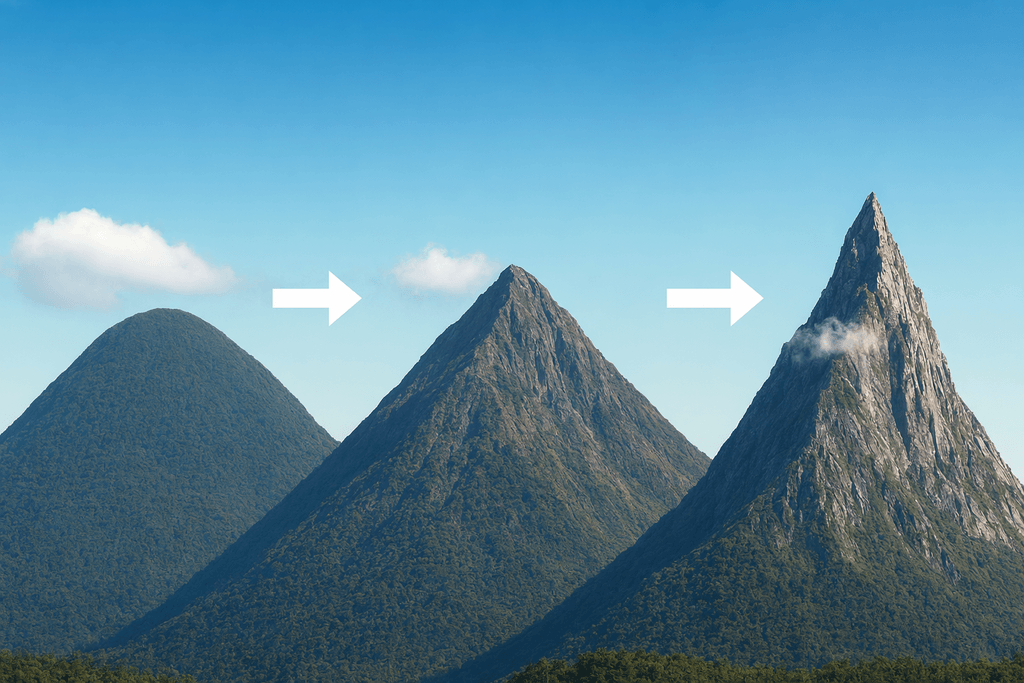
Word Forms
The basic and commonly used forms of this verb.
Basic forms
| Form | Word form | Usage |
|---|---|---|
| Imperfective form (mizenkei) |
Alternative:
尖ろ
|
Connects to endings such as nai, reru, and seru. |
| Continuative form (renyokei) | Connects to endings such as masu, tai, and ta. | |
| Conclusive form (shushikei) | Ends a sentence and serves as the dictionary form. | |
| Attributive form (rentaikei) | Modifies a noun. | |
| Conditional form (kateikei) | Combines with ba to express a condition. | |
| Imperative form (meireikei) | Expresses a command or instruction. |
Common forms
小遣い
零用钱
小遣い
零用钱
Explanation
小遣い
零用钱
小遣い
零用钱 / 零花钱
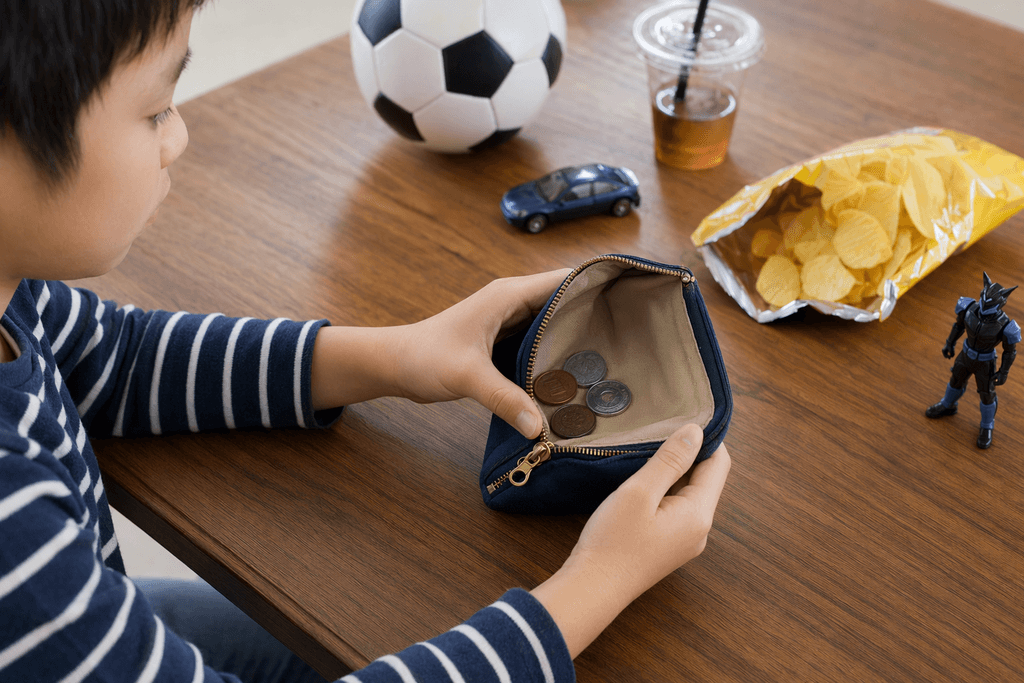
( Base form )
( romanization )
反映
反映
反映
反映
Explanation
反映
反映
反映
显示或体现某种情况、特征 / 映现出的形象或影像

( Base form )
( romanization )
( stem )
( Past )
( table-tags )
( inflection-template )
( imperfective stem )
( imperfective stem )
( imperfective )
( continuative stem )
( continuative stem )
( continuative )
( stem terminative )
( stem terminative )
( terminative )
( attributive stem )
( attributive stem )
( attributive )
( hypothetical stem )
( hypothetical stem )
( hypothetical )
( Imperative literary stem )
( colloquial Imperative stem )
( Imperative literary stem )
( colloquial Imperative stem )
( Imperative literary )
( colloquial Imperative )
( Passive voice )
( Passive voice )
( Passive voice )
( causative )
( causative )
( causative )
( causative )
( causative )
( causative )
( potential )
( potential )
( potential )
( volitional )
( volitional )
( volitional )
( negative )
( negative )
( negative )
( continuative negative )
( continuative negative )
( continuative negative )
( formal )
( formal )
( formal )
( perfective )
( perfective )
( perfective )
( conjunctive )
( conjunctive )
( conjunctive )
( Conditional hypothetical )
( Conditional hypothetical )
( Conditional hypothetical )
手ぬぐい
擦手巾
手ぬぐい
擦手巾
Explanation
手ぬぐい
擦手巾
手ぬぐい
用于擦手、擦身的小块布 / 可作头巾、包头的布
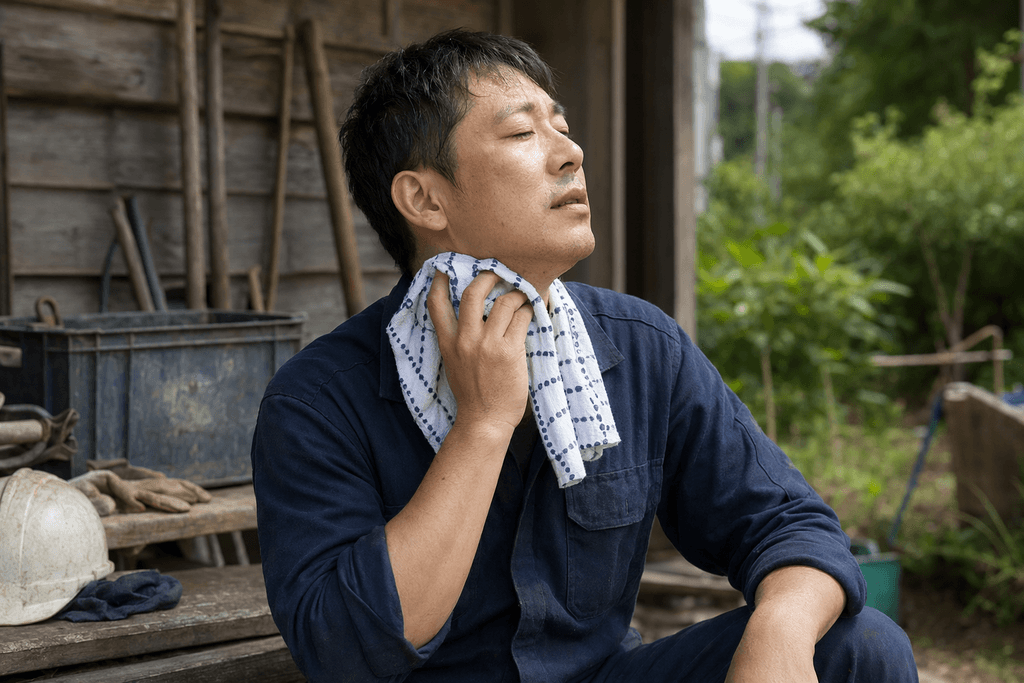
( Base form )
( romanization )
( romanization )
( hiragana historical )
餅
糯米糕
餅
糯米糕
Explanation
餅
糯米糕
餅
麻糬(日本糯米年糕) / 用糯米捣制的黏软糕点
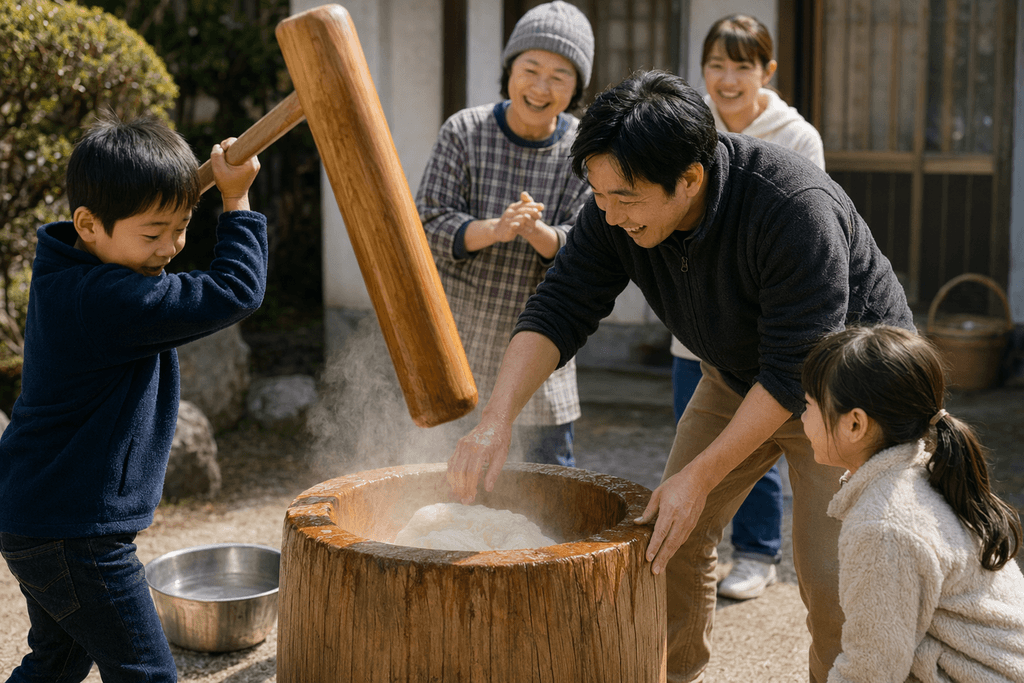
( romanization )
( kyūjitai )
( hiragana )
手首
手腕
手首
手腕
Explanation
手首
手腕
手首
手腕 / 腕关节

( Base form )
( romanization )
( hiragana )
詫びる
赔礼道歉
詫びる
赔礼道歉
Explanation
詫びる
赔礼道歉
詫びる
道歉 / 致歉 / 赔罪

Word Forms
The basic and commonly used forms of this verb.
Basic forms
| Form | Word form | Usage |
|---|---|---|
| Imperfective form (mizenkei) |
Alternative:
侘び
|
Connects to endings such as nai, reru, and seru. |
| Continuative form (renyokei) |
Alternative:
侘び
|
Connects to endings such as masu, tai, and ta. |
| Conclusive form (shushikei) |
Alternative:
侘びる
|
Ends a sentence and serves as the dictionary form. |
| Attributive form (rentaikei) |
Alternative:
侘びる
|
Modifies a noun. |
| Conditional form (kateikei) |
Alternative:
侘びれ
|
Combines with ba to express a condition. |
| Imperative form (meireikei) |
Alternative:
詫びよ
侘びろ
侘びよ
|
Expresses a command or instruction. |
Common forms
| Form | Word form | Usage |
|---|---|---|
| Te-form |
Alternative:
侘びて
|
Connects clauses with te. |
| Ta-form |
Alternative:
侘びた
|
Expresses the past with ta. |
| Nai-form |
Alternative:
侘びない
|
Expresses negation with nai. |
| Masu-form |
Alternative:
侘びます
|
Used for polite speech. |
| Ba-form |
Alternative:
侘びれば
|
Expresses a condition with ba. |
| Volitional form |
Alternative:
侘びよう
|
Expresses intention or invitation. |
代わる
代替
代わる
代替
Explanation
代わる
代替
代わる
代替 / 取代 / 顶替(某人)

Word Forms
The basic and commonly used forms of this verb.
Basic forms
| Form | Word form | Usage |
|---|---|---|
| Imperfective form (mizenkei) |
Alternative:
代わろ
|
Connects to endings such as nai, reru, and seru. |
| Continuative form (renyokei) | Connects to endings such as masu, tai, and ta. | |
| Conclusive form (shushikei) | Ends a sentence and serves as the dictionary form. | |
| Attributive form (rentaikei) | Modifies a noun. | |
| Conditional form (kateikei) | Combines with ba to express a condition. | |
| Imperative form (meireikei) | Expresses a command or instruction. |
Common forms
真っ黒
乌黑
真っ黒
乌黑
Explanation
真っ黒
乌黑
真っ黒
漆黑的;完全黑的 / 因晒太阳或污垢而变黑

Word Forms
The basic and commonly used forms of this adjectival noun.
Basic forms
| Form | Word form | Usage |
|---|---|---|
| Imperfective form (mizenkei) | Used in forms such as darou. | |
| Continuative form (renyokei) |
Alternative:
真っ黒に
|
Used with de or ni. |
| Conclusive form (shushikei) | Ends a sentence with da. | |
| Attributive form (rentaikei) | Modifies a noun with na. | |
| Conditional form (kateikei) |
Alternative:
真っ黒であれば
|
Expresses a condition with nara. |
| Imperative form (meireikei) | Used in formal expressions such as de are. |
Common forms
じゃんけん
石头剪刀布
じゃんけん
石头剪刀布
Explanation
石头剪刀布
じゃんけん
石头剪刀布 / 猜拳游戏

Loading...

JLPT N2 多言語単語帳・1790語 / JLPT N2 Multilingual Vocabulary: 1790 Words

Jonathan Waller 氏の JLPT Resources の語彙リスト・レベル分類を出典とし、CC BY の条件に従って DiQt が学習者向けに意味を作り直した1790語の単語帳です。JLPT公式の語彙リストではありません。
This collection of 1790 words is based on the vocabulary list and level classifications in Jonathan Waller’s JLPT Resources under CC BY, with meanings rewritten by DiQt for learners. It is not an official JLPT vocabulary list.
Key Operations
Select the first quiz:
Ctrl + Enter
View Explanation:Ctrl + G
Close a feedback:Esc
When selecting a quiz
Answer:Enter
Select a choice:↓ or ↑
Reading out the question:Ctrl + K
View Hint: Ctrl + M
I don't know: Ctrl + Y



