
JLPT N2 词义四选一 - Unsolved

通过四选一题目,用简体中文学习JLPT N2的1790个单词含义。
-
被压坏 / 倒闭
-
堵塞 / 挤满
-
小心
- 五段活用(マ行)。「て」「た」では撥音便により「引っ込んで」「引っ込んだ」となる。
-
围巾
-
校舍
-
周边
-
通勤
-
饥荒
-
偶数
-
旋转
-
代词
-
大后天
-
再三
-
心怦怦跳
-
反正
-
升起 / 油炸
-
惊动 / 惊吓
-
讨伐 / 报仇
-
培训
-
构想 / 思路
-
锯子
-
市中心
-
水坝
-
套子
-
引力
-
金属丝
-
直升机
-
完成
-
洒出
-
煮熟
- 「漬ける」とも表記する。
引っ込む
退回去 / 凹陷
引っ込む
退回去 / 凹陷
Explanation
引っ込む
退回去 / 凹陷
引っ込む
退隐;退出 / 凹进;内陷;消退 / 缩回;后退

Word Forms
The basic and commonly used forms of this verb.
Basic forms
| Form | Word form | Usage |
|---|---|---|
| Imperfective form (mizenkei) |
Alternative:
引っ込も
|
Connects to endings such as nai, reru, and seru. |
| Continuative form (renyokei) | Connects to endings such as masu, tai, and ta. | |
| Conclusive form (shushikei) | Ends a sentence and serves as the dictionary form. | |
| Attributive form (rentaikei) | Modifies a noun. | |
| Conditional form (kateikei) | Combines with ba to express a condition. | |
| Imperative form (meireikei) | Expresses a command or instruction. |
Common forms
| Form | Word form | Usage |
|---|---|---|
| Te-form | Connects clauses with te. | |
| Ta-form | Expresses the past with ta. | |
| Nai-form | Expresses negation with nai. | |
| Masu-form | Used for polite speech. | |
| Ba-form | Expresses a condition with ba. | |
| Volitional form | Expresses intention or invitation. |
Notes
口紅
口红
口紅
口红
Explanation
口紅
口红
口紅
口红 / 唇膏 / 涂抹嘴唇的彩妆产品

( Base form )
( romanization )
( hiragana )
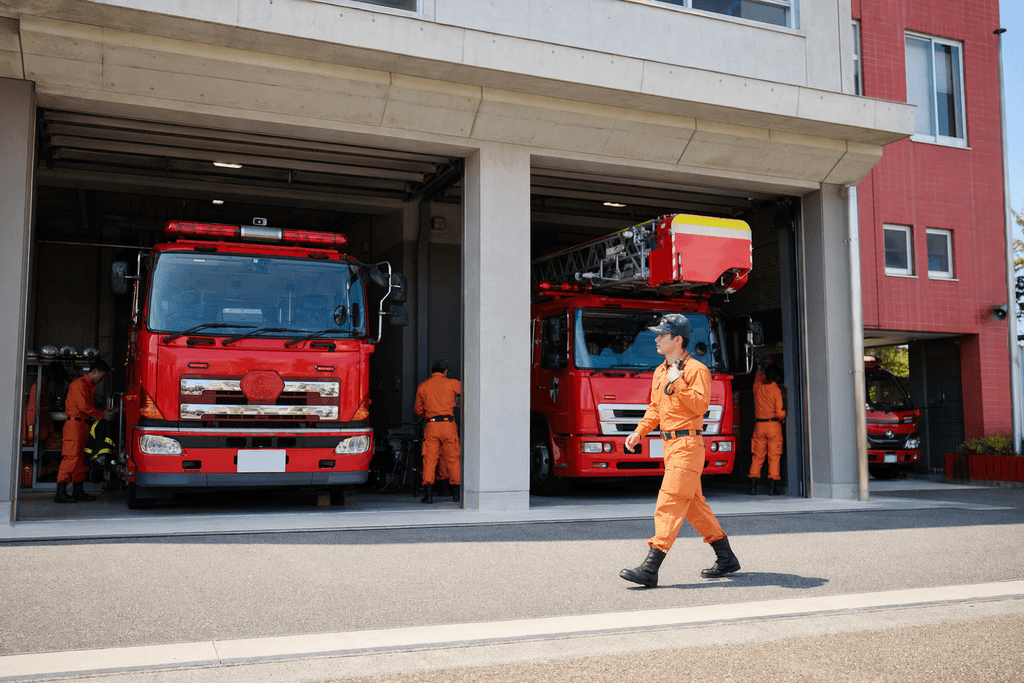
消防署
消防站
消防署
消防站
Explanation
消防署
消防站
消防署
消防站 / 消防队所在地
( Base form )
( romanization )
( hiragana )
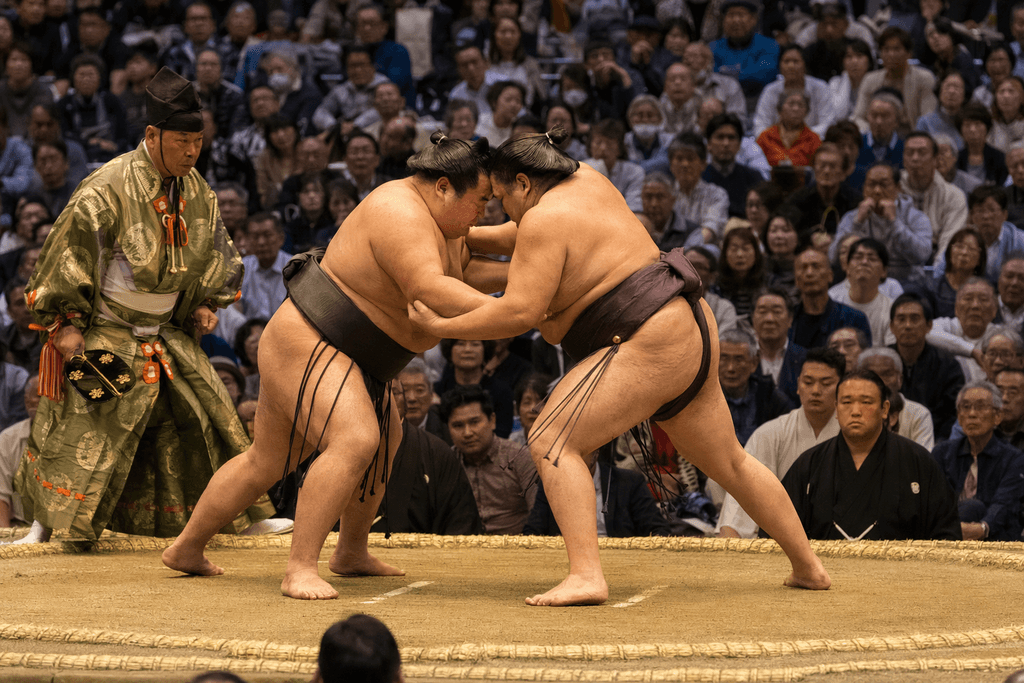
相撲
相扑
相撲
相扑
Explanation
相撲
相扑
相撲
日本传统的摔跤运动 / 在圆形赛场上以推挤、抱摔为主的对抗竞技
( romanization )
めっきり
明显地
めっきり
明显地
Explanation
明显地
めっきり
明显地 / 显著地 / 格外地

( romanization )
蒔く
播种
蒔く
播种
Explanation
蒔く
播种
蒔く
播种 / 栽种 / 传播(理念、原则等)

Word Forms
The basic and commonly used forms of this verb.
Basic forms
| Form | Word form | Usage |
|---|---|---|
| Imperfective form (mizenkei) |
Alternative:
蒔こ
|
Connects to endings such as nai, reru, and seru. |
| Continuative form (renyokei) | Connects to endings such as masu, tai, and ta. | |
| Conclusive form (shushikei) | Ends a sentence and serves as the dictionary form. | |
| Attributive form (rentaikei) | Modifies a noun. | |
| Conditional form (kateikei) | Combines with ba to express a condition. | |
| Imperative form (meireikei) | Expresses a command or instruction. |
Common forms
講師
讲师
講師
讲师
Explanation
講師
讲师
講師
讲课的教师;授课者 / 高校职称之一,低于副教授 / 培训、讲座的主讲人

( Base form )
( romanization )
( hiragana )
出入口
出入口
出入口
出入口
Explanation
出入口
出入口
出入口
入口或出口 / 出入通道 / 出入的地点

( Base form )
( romanization )
( hiragana )
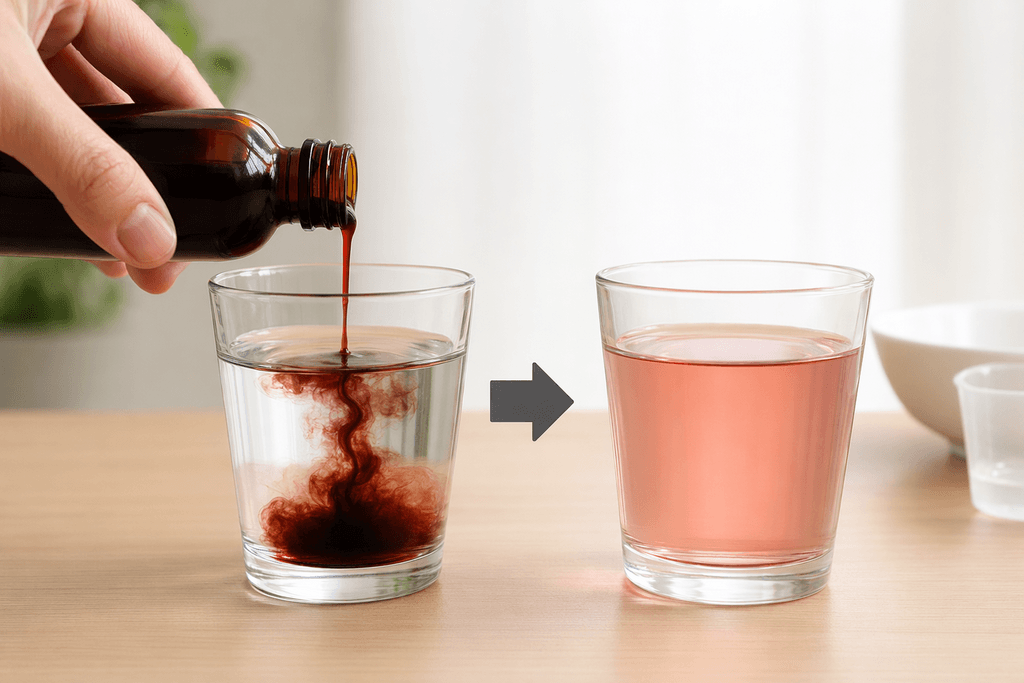
濃度
浓度 / 浓淡程度
濃度
浓度 / 浓淡程度
Explanation
濃度
浓度 / 浓淡程度
濃度
某成分在溶液或混合物中的含量程度 / 稠密程度(密度) / (集合论)势;基数
( Base form )
( romanization )
( hiragana )
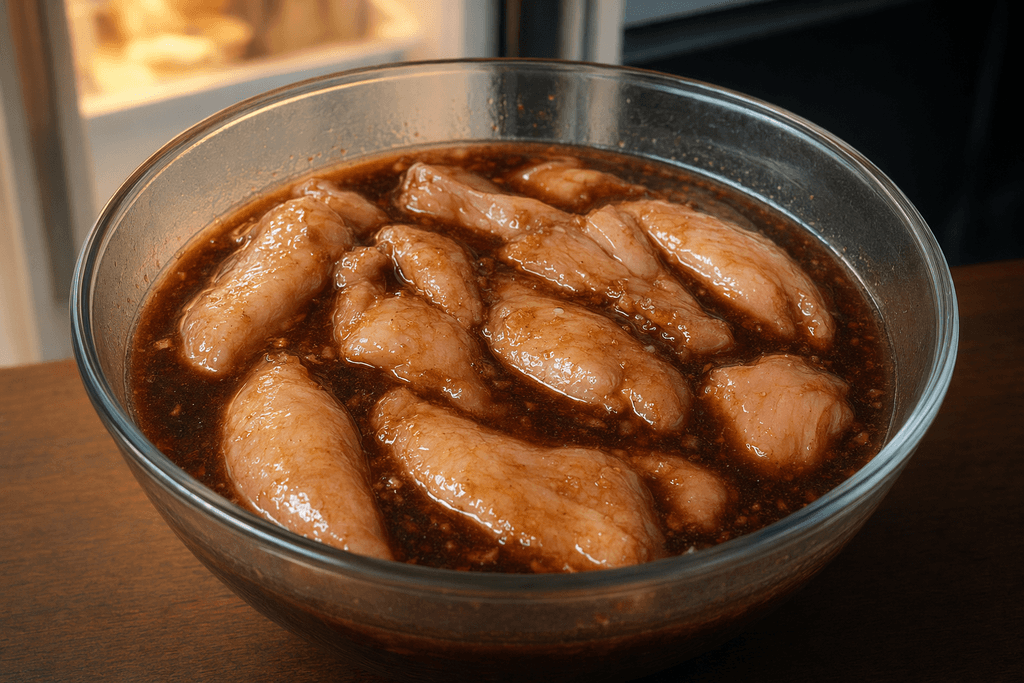
浸ける
浸泡 / 浸入
浸ける
浸泡 / 浸入
Explanation
浸ける
浸泡 / 浸入
浸ける
浸泡 / 蘸 / 浸入
Word Forms
The basic and commonly used forms of this verb.
Basic forms
| Form | Word form | Usage |
|---|---|---|
| Imperfective form (mizenkei) |
Alternative:
漬け
つけ
|
Connects to endings such as nai, reru, and seru. |
| Continuative form (renyokei) |
Alternative:
漬け
つけ
|
Connects to endings such as masu, tai, and ta. |
| Conclusive form (shushikei) |
Alternative:
漬ける
つける
|
Ends a sentence and serves as the dictionary form. |
| Attributive form (rentaikei) |
Alternative:
漬ける
つける
|
Modifies a noun. |
| Conditional form (kateikei) |
Alternative:
漬けれ
つけれ
|
Combines with ba to express a condition. |
| Imperative form (meireikei) |
Alternative:
浸けよ
漬けろ
漬けよ
つけろ
つけよ
|
Expresses a command or instruction. |
Common forms
| Form | Word form | Usage |
|---|---|---|
| Te-form |
Alternative:
漬けて
つけて
|
Connects clauses with te. |
| Ta-form |
Alternative:
漬けた
つけた
|
Expresses the past with ta. |
| Nai-form |
Alternative:
漬けない
つけない
|
Expresses negation with nai. |
| Masu-form |
Alternative:
漬けます
つけます
|
Used for polite speech. |
| Ba-form |
Alternative:
漬ければ
つければ
|
Expresses a condition with ba. |
| Volitional form |
Alternative:
漬けよう
つけよう
|
Expresses intention or invitation. |
Notes
Loading...

JLPT N2 多言語単語帳・1790語 / JLPT N2 Multilingual Vocabulary: 1790 Words

Jonathan Waller 氏の JLPT Resources の語彙リスト・レベル分類を出典とし、CC BY の条件に従って DiQt が学習者向けに意味を作り直した1790語の単語帳です。JLPT公式の語彙リストではありません。
This collection of 1790 words is based on the vocabulary list and level classifications in Jonathan Waller’s JLPT Resources under CC BY, with meanings rewritten by DiQt for learners. It is not an official JLPT vocabulary list.
Key Operations
Select the first quiz:
Ctrl + Enter
View Explanation:Ctrl + G
Close a feedback:Esc
When selecting a quiz
Answer:Enter
Select a choice:↓ or ↑
Reading out the question:Ctrl + K
View Hint: Ctrl + M
I don't know: Ctrl + Y



