
JLPT N2 词义四选一 - Unsolved

通过四选一题目,用简体中文学习JLPT N2的1790个单词含义。
-
防范犯罪
-
读者来信
-
文体
-
弄干
-
茂盛生长
-
挤压 / 拧干
-
采用 / 采摘
-
插入
-
挪近 / 准许靠近
-
涌出 / 涌现
-
耕作
-
涉及 / 关系到
-
正面 / 正前方
-
加速度
-
农药
-
平底锅
-
增大
-
项链
-
农村
-
紫色
-
看护病人
-
休息
-
木匠
-
标准
-
门牌号
-
诊断
-
直达 / 直通
-
邮寄
-
中年
-
酸性
内科
内科
内科
内科
Explanation
内科
内科
内科
内科医学 / 医院的内科科室

( Base form )
( romanization )
( hiragana )
挟まる
夹在中间
挟まる
夹在中间
Explanation
挟まる
夹在中间
挟まる
被夹在中间 / 被夹住 / 夹在对立双方之间,左右为难

Word Forms
The basic and commonly used forms of this verb.
Basic forms
| Form | Word form | Usage |
|---|---|---|
| Imperfective form (mizenkei) |
Alternative:
はさまら
|
Connects to endings such as nai, reru, and seru. |
| Continuative form (renyokei) |
Alternative:
はさまり
|
Connects to endings such as masu, tai, and ta. |
| Conclusive form (shushikei) |
Alternative:
はさまる
|
Ends a sentence and serves as the dictionary form. |
| Attributive form (rentaikei) |
Alternative:
はさまる
|
Modifies a noun. |
| Conditional form (kateikei) |
Alternative:
はさまれ
|
Combines with ba to express a condition. |
| Imperative form (meireikei) |
Alternative:
はさまれ
|
Expresses a command or instruction. |
Common forms
| Form | Word form | Usage |
|---|---|---|
| Te-form |
Alternative:
はさまって
|
Connects clauses with te. |
| Ta-form |
Alternative:
はさまった
|
Expresses the past with ta. |
| Nai-form |
Alternative:
はさまらない
|
Expresses negation with nai. |
| Masu-form |
Alternative:
はさまります
|
Used for polite speech. |
| Ba-form |
Alternative:
はさまれば
|
Expresses a condition with ba. |
| Volitional form |
Alternative:
はさまろう
|
Expresses intention or invitation. |
余る
剩余
余る
剩余
Explanation
余る
剩余
余る
剩下 / 剩余 / 多余;超过需要

Word Forms
The basic and commonly used forms of this verb.
Basic forms
| Form | Word form | Usage |
|---|---|---|
| Imperfective form (mizenkei) |
Alternative:
余ろ
|
Connects to endings such as nai, reru, and seru. |
| Continuative form (renyokei) | Connects to endings such as masu, tai, and ta. | |
| Conclusive form (shushikei) | Ends a sentence and serves as the dictionary form. | |
| Attributive form (rentaikei) | Modifies a noun. | |
| Conditional form (kateikei) | Combines with ba to express a condition. | |
| Imperative form (meireikei) | Expresses a command or instruction. |
Common forms
隔てる
隔开
隔てる
隔开
Explanation
隔てる
隔开
隔てる
隔开;分隔 / 使分离;使相距 / 使关系疏远;离间

Word Forms
The basic and commonly used forms of this verb.
Basic forms
| Form | Word form | Usage |
|---|---|---|
| Imperfective form (mizenkei) | Connects to endings such as nai, reru, and seru. | |
| Continuative form (renyokei) | Connects to endings such as masu, tai, and ta. | |
| Conclusive form (shushikei) | Ends a sentence and serves as the dictionary form. | |
| Attributive form (rentaikei) | Modifies a noun. | |
| Conditional form (kateikei) | Combines with ba to express a condition. | |
| Imperative form (meireikei) |
Alternative:
隔てよ
|
Expresses a command or instruction. |
Common forms
名詞
名词
名詞
名词
Explanation
名詞
名词
名詞
语法中表示人、事物、地点、概念等名称的词 / 可充当主语、宾语、表语等的词类

( Base form )
( romanization )
( hiragana )
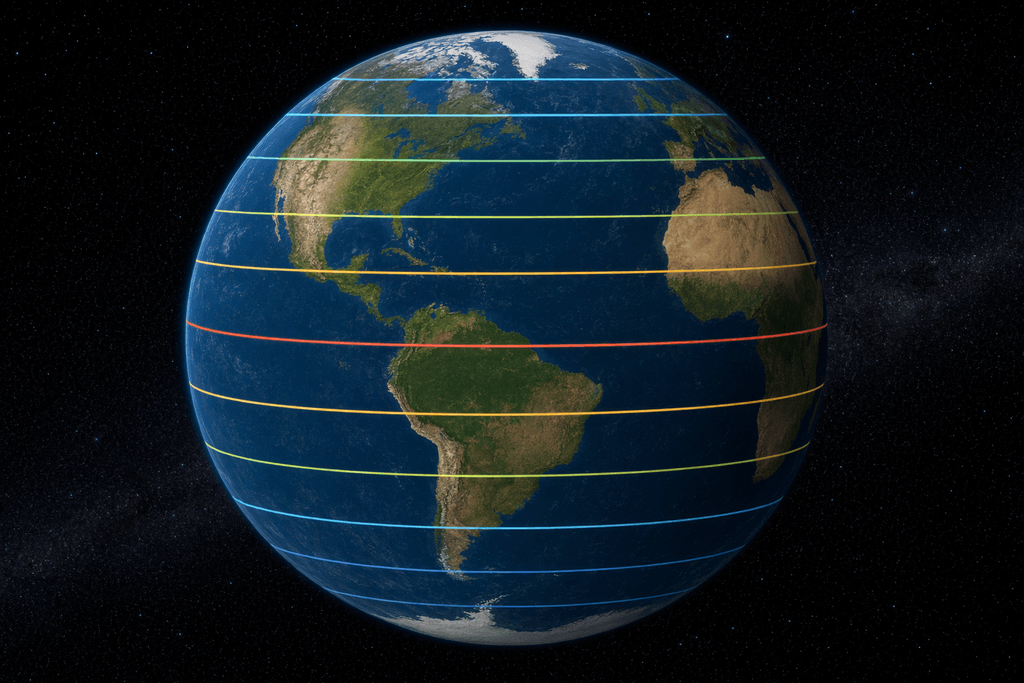
緯度
纬度
緯度
纬度
Explanation
緯度
纬度
緯度
从赤道向北或向南的角距离(用度数表示) / 表示地点南北位置的地理坐标(北纬或南纬)
( Base form )
( romanization )
( romanization )
( hiragana historical )
( hiragana )
カラー
颜色 / 衣领
カラー
颜色 / 衣领
Explanation
颜色 / 衣领
カラー
颜色 / 色彩 / 彩色

( romanization )
仮定
假定
仮定
假定
Explanation
仮定
假定
仮定
假设 / 假定 / 设想

( Base form )
( romanization )
( stem )
( Past )
( table-tags )
( inflection-template )
( imperfective stem )
( imperfective stem )
( imperfective )
( continuative stem )
( continuative stem )
( continuative )
( stem terminative )
( stem terminative )
( terminative )
( attributive stem )
( attributive stem )
( attributive )
( hypothetical stem )
( hypothetical stem )
( hypothetical )
( Imperative literary stem )
( colloquial Imperative stem )
( Imperative literary stem )
( colloquial Imperative stem )
( Imperative literary )
( colloquial Imperative )
( Passive voice )
( Passive voice )
( Passive voice )
( causative )
( causative )
( causative )
( causative )
( causative )
( causative )
( potential )
( potential )
( potential )
( volitional )
( volitional )
( volitional )
( negative )
( negative )
( negative )
( continuative negative )
( continuative negative )
( continuative negative )
( formal )
( formal )
( formal )
( perfective )
( perfective )
( perfective )
( conjunctive )
( conjunctive )
( conjunctive )
( Conditional hypothetical )
( Conditional hypothetical )
( Conditional hypothetical )
のこぎり
锯子
のこぎり
锯子
Explanation
锯子
のこぎり
锯 / 锯子 / 手锯

( romanization )
( hiragana )
重量
重量
重量
重量
Explanation
重量
重量
重量
物体受重力作用的力的大小 / 东西的分量、沉重程度

( Base form )
( romanization )
( hiragana )
Loading...

JLPT N2 多言語単語帳・1790語 / JLPT N2 Multilingual Vocabulary: 1790 Words

Jonathan Waller 氏の JLPT Resources の語彙リスト・レベル分類を出典とし、CC BY の条件に従って DiQt が学習者向けに意味を作り直した1790語の単語帳です。JLPT公式の語彙リストではありません。
This collection of 1790 words is based on the vocabulary list and level classifications in Jonathan Waller’s JLPT Resources under CC BY, with meanings rewritten by DiQt for learners. It is not an official JLPT vocabulary list.
Key Operations
Select the first quiz:
Ctrl + Enter
View Explanation:Ctrl + G
Close a feedback:Esc
When selecting a quiz
Answer:Enter
Select a choice:↓ or ↑
Reading out the question:Ctrl + K
View Hint: Ctrl + M
I don't know: Ctrl + Y



