
JLPT N2 词义四选一 - Unsolved

通过四选一题目,用简体中文学习JLPT N2的1790个单词含义。
-
好不容易 / 难得的
-
今后 / 此后
-
不知不觉
-
干燥
-
山口 / 关键关头
-
小卖部
-
东与西
-
相扑
-
托盘 / 盂兰盆节
-
合唱
-
木汤碗
-
一流
-
乌冬面
-
过半数
-
汉字日语对照
-
友好关系
-
借口
-
超额
-
茂盛生长
-
胡闹 / 开玩笑
-
准备就绪 / 整齐
- 自動詞。ラ行五段活用。
-
列岛
-
灾难 / 灾祸
-
父母
-
器械
-
优良特点
-
商店
-
矿物
-
标准
-
操场
いちいち
逐一
いちいち
逐一
Explanation
逐一
いちいち
逐一地 / 逐个地 / 一一地

( romanization )
目次
目录
目次
目录
Explanation
目次
目录
目次
目录 / 章节列表 / 内容目录

( Base form )
( romanization )
( hiragana )
肘
肘部
肘
肘部
Explanation
肘
肘部
肘
肘部 / 手肘 / 肘关节

( romanization )
( romanization )
( hiragana historical )
( hiragana )
原料
原料
原料
原料
Explanation
原料
原料
原料
生产或加工所用的基本材料 / 食品等制作所用的配料

( Base form )
( romanization )
( romanization )
( hiragana historical )
( hiragana )
墨
墨
墨
墨
Explanation
墨
墨
墨
书写或印刷用的黑色颜料 / 书法用的固体墨(墨块、墨条) / 黑色(多用于文言或比喻)

( romanization )
( hiragana historical )
夕日
夕阳
夕日
夕阳
Explanation
夕日
夕阳
夕日
夕阳 / 落日 / 西沉的太阳

( Base form )
( romanization )
( hiragana )
刺さる
刺入
刺さる
刺入
Explanation
刺さる
刺入
刺さる
突出 / 刺入 / 直击内心

Word Forms
The basic and commonly used forms of this verb.
Basic forms
| Form | Word form | Usage |
|---|---|---|
| Imperfective form (mizenkei) |
Alternative:
刺さろ
|
Connects to endings such as nai, reru, and seru. |
| Continuative form (renyokei) | Connects to endings such as masu, tai, and ta. | |
| Conclusive form (shushikei) | Ends a sentence and serves as the dictionary form. | |
| Attributive form (rentaikei) | Modifies a noun. | |
| Conditional form (kateikei) | Combines with ba to express a condition. | |
| Imperative form (meireikei) | Expresses a command or instruction. |
Common forms
| Form | Word form | Usage |
|---|---|---|
| Te-form | Connects clauses with te. | |
| Ta-form | Expresses the past with ta. | |
| Nai-form | Expresses negation with nai. | |
| Masu-form | Used for polite speech. | |
| Ba-form | Expresses a condition with ba. | |
| Volitional form | Expresses intention or invitation. |
Notes
俳句
俳句
俳句
俳句
Explanation
俳句
俳句
俳句
日本传统短诗体,通常为五七五音拍 / 日本诗歌体裁之一,三行短句诗

( Base form )
( romanization )
( hiragana )
過程
过程
過程
过程
Explanation
過程
过程
過程
事物发展或进行的阶段与步骤 / 从开始到结束的整个进展 / 办理或处理某事的程序

( Base form )
( romanization )
( hiragana )
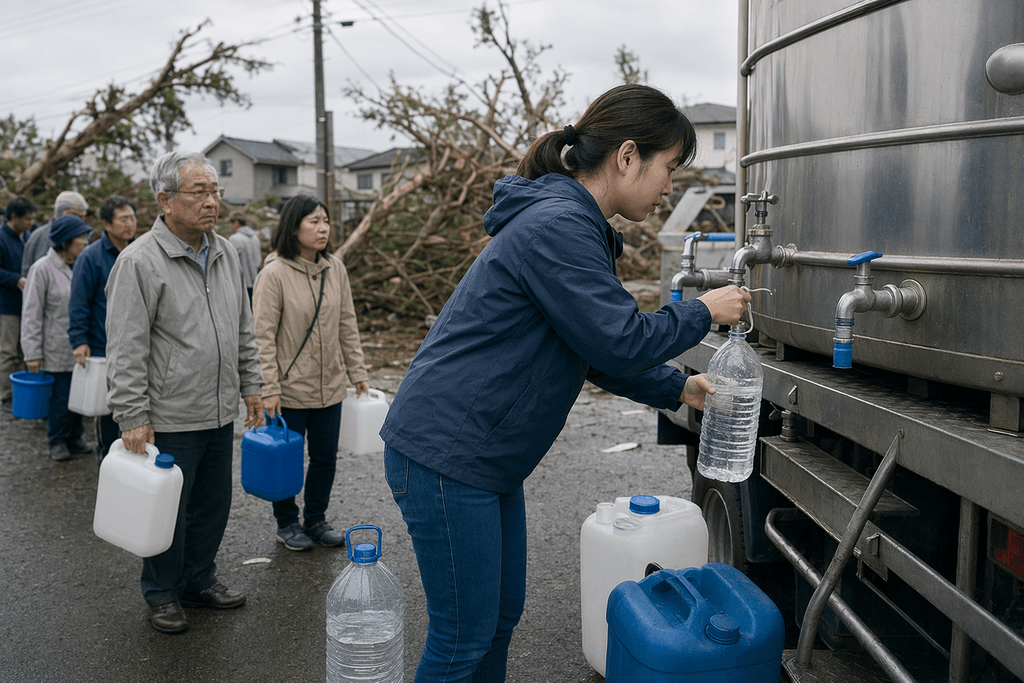
断水
停水
断水
停水
Explanation
断水
停水
断水
停水 / 供水中断 / 断水事故
( Base form )
( romanization )
( stem )
( Past )
( kyūjitai )
( table-tags )
( inflection-template )
( imperfective stem )
( imperfective stem )
( imperfective )
( continuative stem )
( continuative stem )
( continuative )
( stem terminative )
( stem terminative )
( terminative )
( attributive stem )
( attributive stem )
( attributive )
( hypothetical stem )
( hypothetical stem )
( hypothetical )
( Imperative literary stem )
( colloquial Imperative stem )
( Imperative literary stem )
( colloquial Imperative stem )
( Imperative literary )
( colloquial Imperative )
( Passive voice )
( Passive voice )
( Passive voice )
( causative )
( causative )
( causative )
( causative )
( causative )
( causative )
( potential )
( potential )
( potential )
( volitional )
( volitional )
( volitional )
( negative )
( negative )
( negative )
( continuative negative )
( continuative negative )
( continuative negative )
( formal )
( formal )
( formal )
( perfective )
( perfective )
( perfective )
( conjunctive )
( conjunctive )
( conjunctive )
( Conditional hypothetical )
( Conditional hypothetical )
( Conditional hypothetical )
Loading...

JLPT N2 多言語単語帳・1790語 / JLPT N2 Multilingual Vocabulary: 1790 Words

Jonathan Waller 氏の JLPT Resources の語彙リスト・レベル分類を出典とし、CC BY の条件に従って DiQt が学習者向けに意味を作り直した1790語の単語帳です。JLPT公式の語彙リストではありません。
This collection of 1790 words is based on the vocabulary list and level classifications in Jonathan Waller’s JLPT Resources under CC BY, with meanings rewritten by DiQt for learners. It is not an official JLPT vocabulary list.
Key Operations
Select the first quiz:
Ctrl + Enter
View Explanation:Ctrl + G
Close a feedback:Esc
When selecting a quiz
Answer:Enter
Select a choice:↓ or ↑
Reading out the question:Ctrl + K
View Hint: Ctrl + M
I don't know: Ctrl + Y



