
JLPT N4: Latihan arti kata - Unsolved

Pelajari arti 631 kata JLPT N4 dalam bahasa Indonesia melalui soal dengan empat pilihan jawaban.
-
kamus
-
sopan
-
perhatian / kewaspadaan
-
novel
-
kuil Buddha
-
kebakaran
-
tidak pernah
-
akhirnya
-
permulaan
-
air ledeng
-
halangan
-
dua minggu lagi
-
rumah Anda
-
lingkungan sekitar
-
zaman dahulu
-
antusias
-
rumit
-
kekecewaan
- 「安心」は名詞としても用いられ、「安心する」でサ変動詞としても用いられる。
- 連体形は性質・状態を表す場合に「安心な」を用いるが、名詞を修飾する場合は「安心の」も多い。
-
giat / makmur
-
setelah sekian lama
-
cukup
-
panduan
-
berada
-
perhatian / kewaspadaan
-
barang tertinggal
-
kerja paruh waktu
-
tukang cukur / tempat pangkas rambut
-
anak perempuan
-
mahasiswa
-
cabang pohon
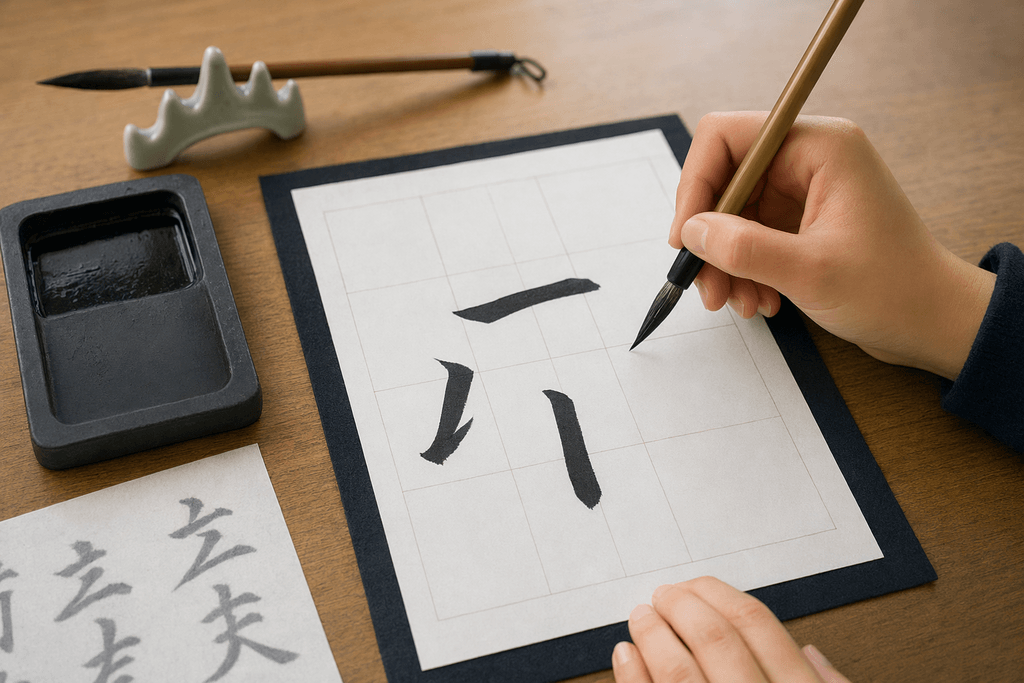
字
huruf
字
huruf
Explanation
字
huruf
字
huruf; aksara / tulisan tangan / mutu tulisan tangan
( romanization )
( hiragana )
枝
cabang pohon
枝
cabang pohon
Explanation
枝
cabang pohon
枝
cabang (pohon) / dahan / ranting

やはり
sesuai dugaan / bagaimanapun juga
やはり
sesuai dugaan / bagaimanapun juga
Explanation
sesuai dugaan / bagaimanapun juga
やはり
seperti yang diduga / masih / toh

( romanization )
はず
seharusnya
はず
seharusnya
Explanation
seharusnya
はず
ekspektasi / antisipasi / sesuatu yang seharusnya (menurut dugaan)

両方
keduanya
両方
keduanya
Explanation
両方
keduanya
両方
kedua belah pihak / kedua sisi / keduanya
( Base form )
( romanization )
( kyūjitai )
( hiragana )
安心
ketenangan hati
安心
ketenangan hati
Explanation
安心
ketenangan hati
安心
aman / tidak mengkhawatirkan / menenangkan

Word Forms
The basic and commonly used forms of this adjectival noun.
Basic forms
| Form | Word form | Usage |
|---|---|---|
| Imperfective form (mizenkei) | Used in forms such as darou. | |
| Continuative form (renyokei) |
Alternative:
安心に
|
Used with de or ni. |
| Conclusive form (shushikei) | Ends a sentence with da. | |
| Attributive form (rentaikei) | Modifies a noun with na. | |
| Conditional form (kateikei) | Expresses a condition with nara. | |
| Imperative form (meireikei) | Used in formal expressions such as de are. |
Common forms
| Form | Word form | Usage |
|---|---|---|
| Te-form equivalent | Connects clauses using de. | |
| Ta-form | Expresses the past with datta. | |
| Nai-form |
Alternative:
安心じゃない
|
Expresses negation with dewa nai or ja nai. |
| Desu-form | Used for polite speech. |
Notes
真面目
serius / rajin
真面目
serius / rajin
Explanation
真面目
serius / rajin
真面目
serius / sungguh-sungguh / jujur

Word Forms
The basic and commonly used forms of this adjectival noun.
Basic forms
| Form | Word form | Usage |
|---|---|---|
| Imperfective form (mizenkei) | Used in forms such as darou. | |
| Continuative form (renyokei) |
Alternative:
真面目に
|
Used with de or ni. |
| Conclusive form (shushikei) | Ends a sentence with da. | |
| Attributive form (rentaikei) | Modifies a noun with na. | |
| Conditional form (kateikei) | Expresses a condition with nara. | |
| Imperative form (meireikei) | Used in formal expressions such as de are. |
Common forms
ご存じ
tahu
ご存じ
tahu
Explanation
ご存じ
tahu
ご存じ
pengetahuan (bentuk hormat) / keadaan mengetahui/mengenal (bentuk hormat)

( Base form )
( romanization )
市民
warga kota
市民
warga kota
Explanation
市民
warga kota
市民
warga kota / penduduk kota / warga

( Base form )
( romanization )
( hiragana )
手袋
sarung tangan
手袋
sarung tangan
Explanation
手袋
sarung tangan
手袋
sarung tangan / sarung tangan musim dingin

( Base form )
( romanization )
( hiragana )
Loading...

JLPT N4 多言語単語帳・631語 / JLPT N4 Multilingual Vocabulary: 631 Words

Jonathan Waller 氏の JLPT Resources の語彙リスト・レベル分類を出典とし、CC BY の条件に従って DiQt が初級向けに意味を作り直した631語の単語帳です。JLPT公式の語彙リストではありません。
This collection of 631 words is based on the vocabulary list and level classifications in Jonathan Waller’s JLPT Resources under CC BY, with meanings rewritten by DiQt for beginners. It is not an official JLPT vocabulary list.
Key Operations
Select the first quiz:
Ctrl + Enter
View Explanation:Ctrl + G
Close a feedback:Esc
When selecting a quiz
Answer:Enter
Select a choice:↓ or ↑
Reading out the question:Ctrl + K
View Hint: Ctrl + M
I don't know: Ctrl + Y



