
JLPT N5: Significados das palavras - Unsolved

Aprenda em português os significados de 665 palavras do JLPT N5 com questões de quatro alternativas.
-
quente
-
barato
-
interessante / engraçado
- 命令形「速かれ」は現代語では稀です。
-
não
-
obrigado
-
sim
-
cruzamento
-
suéter
-
fora
-
este ano
-
óculos
-
metrô
-
saia
-
fita
-
amarelo
-
existir / ter
-
sair
-
ficar de pé
- 「時間がかかる」「費用がかかる」のように、時間・金銭などを要する意味で用いる。
-
tirar
-
lembrar / memorizar
-
abrir
- 「居る」(存在・所在を表す動詞)の活用。
-
filme fotográfico
-
orelha
-
lar
-
passeio
-
mar
-
esta noite
-
usar
-
tirar
-
diferir / estar errado
速い
rápido
速い
rápido
Explanation
速い
rápido
速い
rápido / veloz / ágil

Word Forms
The basic and commonly used forms of this adjective.
Basic forms
| Form | Word form | Usage |
|---|---|---|
| Imperfective form (mizenkei) | Used in forms such as karou; mainly literary. | |
| Continuative form (renyokei) |
Alternative:
速かっ
|
Used in forms such as kute and kunai. |
| Conclusive form (shushikei) | Ends a sentence. | |
| Attributive form (rentaikei) | Modifies a noun. | |
| Conditional form (kateikei) | Expresses a condition with kereba. | |
| Imperative form (meireikei) | Rarely used in modern Japanese. |
Common forms
| Form | Word form | Usage |
|---|---|---|
| Te-form | Connects clauses with kute. | |
| Ta-form | Expresses the past with katta. | |
| Nai-form | Expresses negation with kunai. | |
| Ba-form | Expresses a condition with kereba. |
Notes
さあ
bem
さあ
bem
Explanation
bem
さあ
vamos lá / bem..., vejamos / sei lá

( romanization )
グラム
grama
グラム
grama
Explanation
grama
グラム
grama; unidade de massa / símbolo de massa equivalente a um milésimo de quilograma

( romanization )
帽子
chapéu
帽子
chapéu
Explanation
帽子
chapéu
帽子
chapéu / cobertura para a cabeça

( Base form )
( romanization )
( hiragana )
二つ
dois
二つ
dois
Explanation
二つ
dois
二つ
dois / duas coisas / dois itens

( Base form )
( romanization )
かかる
levar tempo / custar
かかる
levar tempo / custar
Explanation
levar tempo / custar
かかる
tomar tempo / custar dinheiro / exigir tempo ou dinheiro

Word Forms
The basic and commonly used forms of this verb.
Basic forms
| Form | Word form | Usage |
|---|---|---|
| Imperfective form (mizenkei) |
Alternative:
かかろ
|
Connects to endings such as nai, reru, and seru. |
| Continuative form (renyokei) | Connects to endings such as masu, tai, and ta. | |
| Conclusive form (shushikei) | Ends a sentence and serves as the dictionary form. | |
| Attributive form (rentaikei) | Modifies a noun. | |
| Conditional form (kateikei) | Combines with ba to express a condition. | |
| Imperative form (meireikei) | Expresses a command or instruction. |
Common forms
| Form | Word form | Usage |
|---|---|---|
| Te-form | Connects clauses with te. | |
| Ta-form | Expresses the past with ta. | |
| Nai-form | Expresses negation with nai. | |
| Masu-form | Used for polite speech. | |
| Ba-form | Expresses a condition with ba. | |
| Volitional form | Expresses intention or invitation. |
Notes
いる
estar presente
いる
estar presente
Explanation
estar presente
いる
estar; existir (para seres animados) / haver; encontrar-se (pessoas ou animais)

Word Forms
The basic and commonly used forms of this verb.
Basic forms
| Form | Word form | Usage |
|---|---|---|
| Imperfective form (mizenkei) | Connects to endings such as nai, reru, and seru. | |
| Continuative form (renyokei) | Connects to endings such as masu, tai, and ta. | |
| Conclusive form (shushikei) |
Alternative:
居る
|
Ends a sentence and serves as the dictionary form. |
| Attributive form (rentaikei) |
Alternative:
居る
|
Modifies a noun. |
| Conditional form (kateikei) | Combines with ba to express a condition. | |
| Imperative form (meireikei) |
Alternative:
いよ
|
Expresses a command or instruction. |
Common forms
| Form | Word form | Usage |
|---|---|---|
| Te-form | Connects clauses with te. | |
| Ta-form | Expresses the past with ta. | |
| Nai-form | Expresses negation with nai. | |
| Masu-form | Used for polite speech. | |
| Ba-form | Expresses a condition with ba. | |
| Volitional form | Expresses intention or invitation. |
Notes
文章
texto
文章
texto
Explanation
文章
texto
文章
texto; escrito / prosa; composição / estilo de escrita; estilo literário

( Base form )
( romanization )
( hiragana )
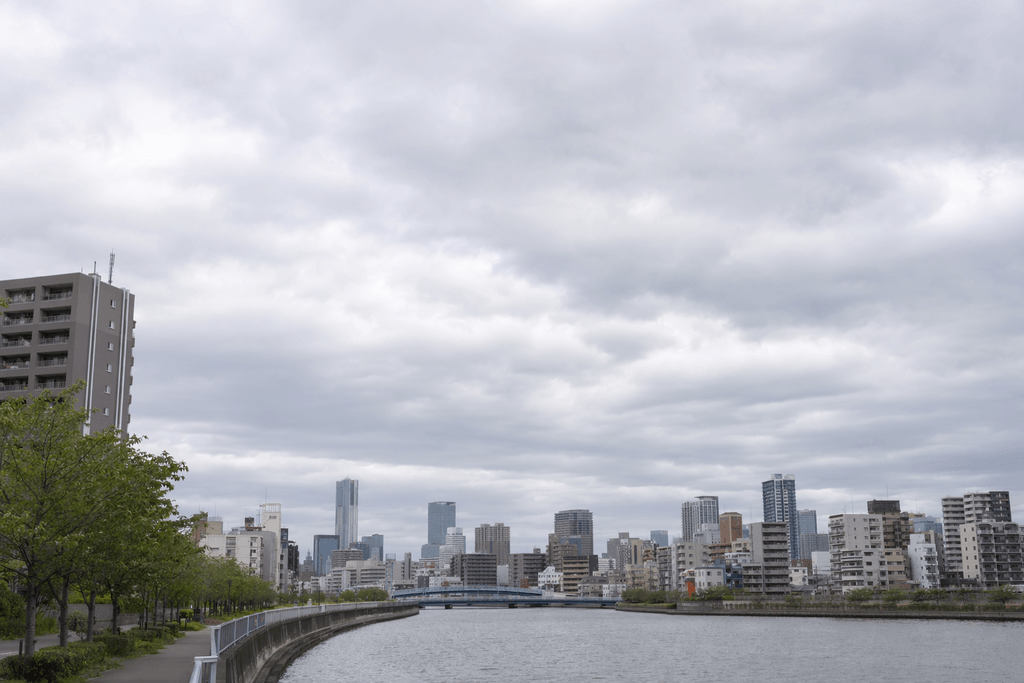
曇り
tempo nublado
曇り
tempo nublado
Explanation
曇り
tempo nublado
曇り
tempo nublado / céu encoberto / nebulosidade
( Base form )
( romanization )
勤める
trabalhar para
勤める
trabalhar para
Explanation
勤める
trabalhar para
勤める
trabalhar (para/em); ser empregado em / prestar serviço; servir como funcionário / exercer um cargo ou função

Word Forms
The basic and commonly used forms of this verb.
Basic forms
| Form | Word form | Usage |
|---|---|---|
| Imperfective form (mizenkei) | Connects to endings such as nai, reru, and seru. | |
| Continuative form (renyokei) | Connects to endings such as masu, tai, and ta. | |
| Conclusive form (shushikei) | Ends a sentence and serves as the dictionary form. | |
| Attributive form (rentaikei) | Modifies a noun. | |
| Conditional form (kateikei) | Combines with ba to express a condition. | |
| Imperative form (meireikei) |
Alternative:
勤めよ
|
Expresses a command or instruction. |
Common forms
Loading...

JLPT N5 多言語単語帳・665語 / JLPT N5 Multilingual Vocabulary: 665 Words

Jonathan Waller 氏の JLPT Resources の語彙リスト・レベル分類を出典とし、CC BY の条件に従って DiQt が初級向けに意味を作り直した665語の単語帳です。JLPT公式の語彙リストではありません。
This collection of 665 words is based on the vocabulary list and level classifications in Jonathan Waller’s JLPT Resources under CC BY, with meanings rewritten by DiQt for beginners. It is not an official JLPT vocabulary list.
Key Operations
Select the first quiz:
Ctrl + Enter
View Explanation:Ctrl + G
Close a feedback:Esc
When selecting a quiz
Answer:Enter
Select a choice:↓ or ↑
Reading out the question:Ctrl + K
View Hint: Ctrl + M
I don't know: Ctrl + Y



