
JLPT N5: Latihan arti kata - Unsolved

Pelajari arti 665 kata JLPT N5 dalam bahasa Indonesia melalui soal dengan empat pilihan jawaban.
-
sandal rumah
-
kecap asin
-
mandi
-
garam
-
laut
-
empat hari / tanggal empat
-
Kamis
-
dua orang
-
istirahat / libur
-
bahasa Inggris
-
empat hari / tanggal empat
-
tahun lalu
-
keluarga
-
sepuluh hari / tanggal sepuluh
-
pesawat terbang
-
hal lain
-
delapan hari / tanggal delapan
-
stasiun
-
guru
-
roti
-
cucian
-
merah
-
banyak
-
cepat
- 「冷たい」はイ形容詞。命令形「冷たかれ」は現代語では稀な文語的形。
-
praktis
-
ramai
-
tidak mahir
- 「大丈夫」はナ形容詞(形容動詞)として用いられます。
- 否定形は「大丈夫ではない」を標準形とし、口語形として「大丈夫じゃない」も用いられます。
-
putih
-
menyenangkan
-
enak
- 「いい」は終止形・連体形で広く用いられる形で、活用形は通常「よい」に基づく「よく」「よかった」「よければ」などを用いる。
- 未然形「よかろ」・命令形「よかれ」は現代語では使用頻度が低い。
おじさん
paman / pria paruh baya
おじさん
paman / pria paruh baya
Explanation
paman / pria paruh baya
おじさん
paman / pria paruh baya

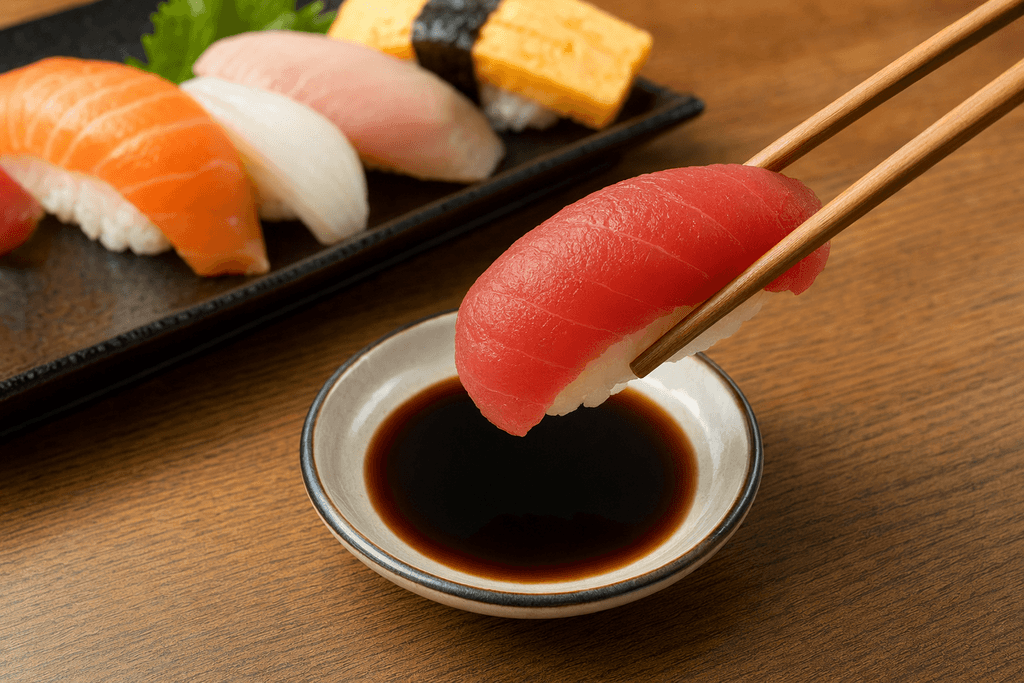
醤油
kecap asin
醤油
kecap asin
Explanation
醤油
kecap asin
醤油
kecap asin / saus kedelai
( Base form )
( romanization )
( romanization )
( kyūjitai )
( hiragana historical )
( hiragana )
男の子
anak laki-laki
男の子
anak laki-laki
Explanation
男の子
anak laki-laki
男の子
anak laki-laki / bocah laki-laki

( Base form )
( romanization )
( hiragana )
病院
rumah sakit
病院
rumah sakit
Explanation
病院
rumah sakit
病院
rumah sakit / tempat merawat dan mengobati orang sakit

( Base form )
( romanization )
( romanization )
( hiragana historical )
( hiragana )
今晩
malam ini
今晩
malam ini
Explanation
今晩
malam ini
今晩
malam ini / nanti malam

( Base form )
( romanization )
( kyūjitai )
( hiragana )
後ろ
di belakang
後ろ
di belakang
Explanation
後ろ
di belakang
後ろ
belakang / bagian belakang / posisi di belakang

( Base form )
( romanization )
大学
universitas
大学
universitas
Explanation
大学
universitas
大学
universitas / perguruan tinggi

( Base form )
( romanization )
( kyūjitai )
( hiragana )
冷たい
dingin
冷たい
dingin
Explanation
冷たい
dingin
冷たい
dingin (pada benda/sentuhan) / tidak ramah; bersikap dingin

Word Forms
The basic and commonly used forms of this adjective.
Basic forms
| Form | Word form | Usage |
|---|---|---|
| Imperfective form (mizenkei) | Used in forms such as karou; mainly literary. | |
| Continuative form (renyokei) |
Alternative:
冷たかっ
|
Used in forms such as kute and kunai. |
| Conclusive form (shushikei) | Ends a sentence. | |
| Attributive form (rentaikei) | Modifies a noun. | |
| Conditional form (kateikei) | Expresses a condition with kereba. | |
| Imperative form (meireikei) | Rarely used in modern Japanese. |
Common forms
| Form | Word form | Usage |
|---|---|---|
| Te-form | Connects clauses with kute. | |
| Ta-form | Expresses the past with katta. | |
| Nai-form | Expresses negation with kunai. | |
| Ba-form |
Alternative:
冷たけりゃ
|
Expresses a condition with kereba. |
Notes
大丈夫
baik-baik saja
大丈夫
baik-baik saja
Explanation
大丈夫
baik-baik saja
大丈夫
baik-baik saja / masih berfungsi / yakin

Word Forms
The basic and commonly used forms of this adjectival noun.
Basic forms
| Form | Word form | Usage |
|---|---|---|
| Imperfective form (mizenkei) | Used in forms such as darou. | |
| Continuative form (renyokei) |
Alternative:
大丈夫に
大丈夫だっ
|
Used with de or ni. |
| Conclusive form (shushikei) | Ends a sentence with da. | |
| Attributive form (rentaikei) | Modifies a noun with na. | |
| Conditional form (kateikei) |
Alternative:
大丈夫であれば
|
Expresses a condition with nara. |
| Imperative form (meireikei) | Used in formal expressions such as de are. |
Common forms
| Form | Word form | Usage |
|---|---|---|
| Te-form equivalent | Connects clauses using de. | |
| Ta-form | Expresses the past with datta. | |
| Nai-form |
Alternative:
大丈夫じゃない
|
Expresses negation with dewa nai or ja nai. |
| Desu-form | Used for polite speech. |
Notes
いい /よい
baik
いい /よい
baik
Explanation
baik
いい /よい
baik / bagus / menyenangkan

Word Forms
The basic and commonly used forms of this adjective.
Basic forms
| Form | Word form | Usage |
|---|---|---|
| Imperfective form (mizenkei) | Used in forms such as karou; mainly literary. | |
| Continuative form (renyokei) |
Alternative:
よかっ
|
Used in forms such as kute and kunai. |
| Conclusive form (shushikei) |
Alternative:
よい
|
Ends a sentence. |
| Attributive form (rentaikei) |
Alternative:
よい
|
Modifies a noun. |
| Conditional form (kateikei) | Expresses a condition with kereba. | |
| Imperative form (meireikei) | Rarely used in modern Japanese. |
Common forms
| Form | Word form | Usage |
|---|---|---|
| Te-form | Connects clauses with kute. | |
| Ta-form | Expresses the past with katta. | |
| Nai-form | Expresses negation with kunai. | |
| Ba-form | Expresses a condition with kereba. |
Notes
Loading...

JLPT N5 多言語単語帳・665語 / JLPT N5 Multilingual Vocabulary: 665 Words

Jonathan Waller 氏の JLPT Resources の語彙リスト・レベル分類を出典とし、CC BY の条件に従って DiQt が初級向けに意味を作り直した665語の単語帳です。JLPT公式の語彙リストではありません。
This collection of 665 words is based on the vocabulary list and level classifications in Jonathan Waller’s JLPT Resources under CC BY, with meanings rewritten by DiQt for beginners. It is not an official JLPT vocabulary list.
Key Operations
Select the first quiz:
Ctrl + Enter
View Explanation:Ctrl + G
Close a feedback:Esc
When selecting a quiz
Answer:Enter
Select a choice:↓ or ↑
Reading out the question:Ctrl + K
View Hint: Ctrl + M
I don't know: Ctrl + Y



