
JLPT N4: Significados das palavras - Unsolved

Aprenda em português os significados de 631 palavras do JLPT N4 com questões de quatro alternativas.
-
partida esportiva
-
sabor
-
história
-
gasolina
-
ingresso na escola
-
criança
-
utilização
-
brincadeira
-
troco
-
certo / se bem me lembro
-
especial
-
comum / trem parador
- 形容動詞(ナ形容詞)。連用形は接続によって「盛んで」「盛んに」を用いる。
-
atendente de loja
-
preparação
-
opinião
-
em breve
-
de jeito nenhum
-
nunca
-
ficar decidido
-
mover-se
-
enviar
-
ensino médio
-
lembrança de viagem
-
tufão
-
chamar-se / dizer
-
engordar
-
consertar
- 一段活用の動詞。補助動詞「〜すぎる」として用いる場合も同じ活用。
-
servidor público
-
sala de reunião
-
interesse
腕
braço
腕
braço
Explanation
腕
braço
腕
braço / membro superior / antebraço

( romanization )
( romanization )
( hiragana historical )
( hiragana )
客
convidado / cliente
客
convidado / cliente
Explanation
客
convidado / cliente
客
hóspede; visitante / cliente / freguês; patrono

( romanization )
( hiragana )
アナウンサー
locutor
アナウンサー
locutor
Explanation
locutor
アナウンサー
locutor de TV ou rádio / apresentador de notícias / âncora de telejornal

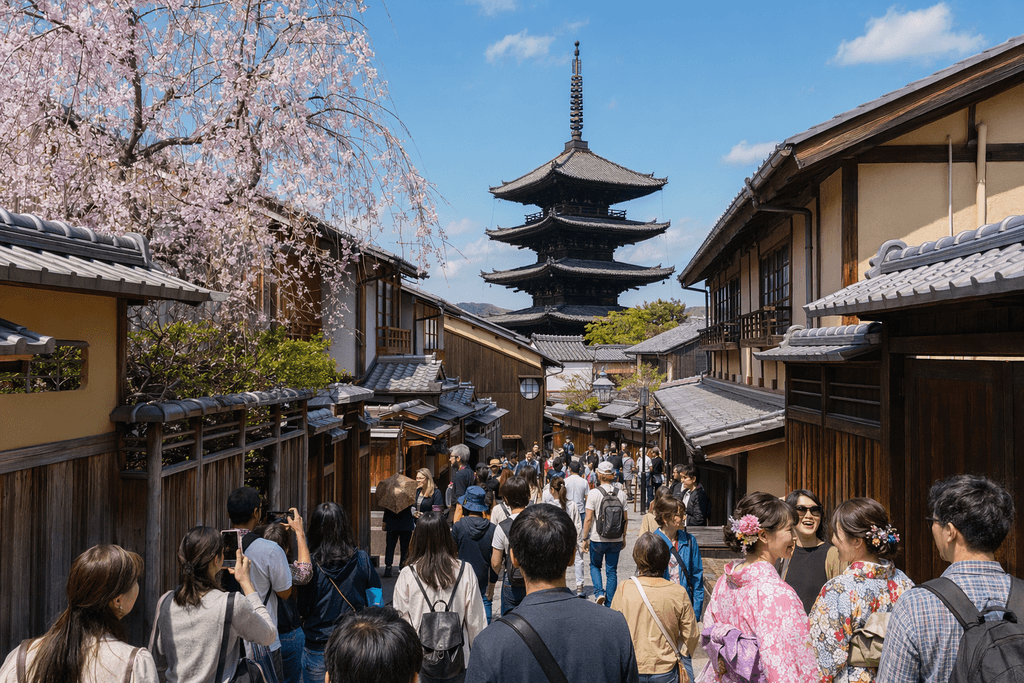
( romanization )
盛ん
ativo / próspero
盛ん
ativo / próspero
Explanation
盛ん
ativo / próspero
盛ん
próspero; florescente / popular; em alta; difundido / intenso; abundante; enérgico
Word Forms
The basic and commonly used forms of this adjectival noun.
Basic forms
| Form | Word form | Usage |
|---|---|---|
| Imperfective form (mizenkei) | Used in forms such as darou. | |
| Continuative form (renyokei) |
Alternative:
盛んに
|
Used with de or ni. |
| Conclusive form (shushikei) | Ends a sentence with da. | |
| Attributive form (rentaikei) | Modifies a noun with na. | |
| Conditional form (kateikei) | Expresses a condition with nara. | |
| Imperative form (meireikei) | Used in formal expressions such as de are. |
Common forms
| Form | Word form | Usage |
|---|---|---|
| Te-form equivalent | Connects clauses using de. | |
| Ta-form |
Alternative:
盛んでした
|
Expresses the past with datta. |
| Nai-form |
Alternative:
盛んじゃない
盛んでない
|
Expresses negation with dewa nai or ja nai. |
| Desu-form | Used for polite speech. |
Notes
金持ち
pessoa rica
金持ち
pessoa rica
Explanation
金持ち
pessoa rica
金持ち
pessoa rica / rico

( romanization )
非常に
extremamente
非常に
extremamente
Explanation
非常に
extremamente
非常に
muito / extremamente / tremendamente

引き出す
sacar / puxar para fora
引き出す
sacar / puxar para fora
Explanation
引き出す
sacar / puxar para fora
引き出す
retirar / sacar (dinheiro) / extrair

Word Forms
The basic and commonly used forms of this verb.
Basic forms
| Form | Word form | Usage |
|---|---|---|
| Imperfective form (mizenkei) |
Alternative:
引き出そ
|
Connects to endings such as nai, reru, and seru. |
| Continuative form (renyokei) | Connects to endings such as masu, tai, and ta. | |
| Conclusive form (shushikei) | Ends a sentence and serves as the dictionary form. | |
| Attributive form (rentaikei) | Modifies a noun. | |
| Conditional form (kateikei) | Combines with ba to express a condition. | |
| Imperative form (meireikei) | Expresses a command or instruction. |
Common forms
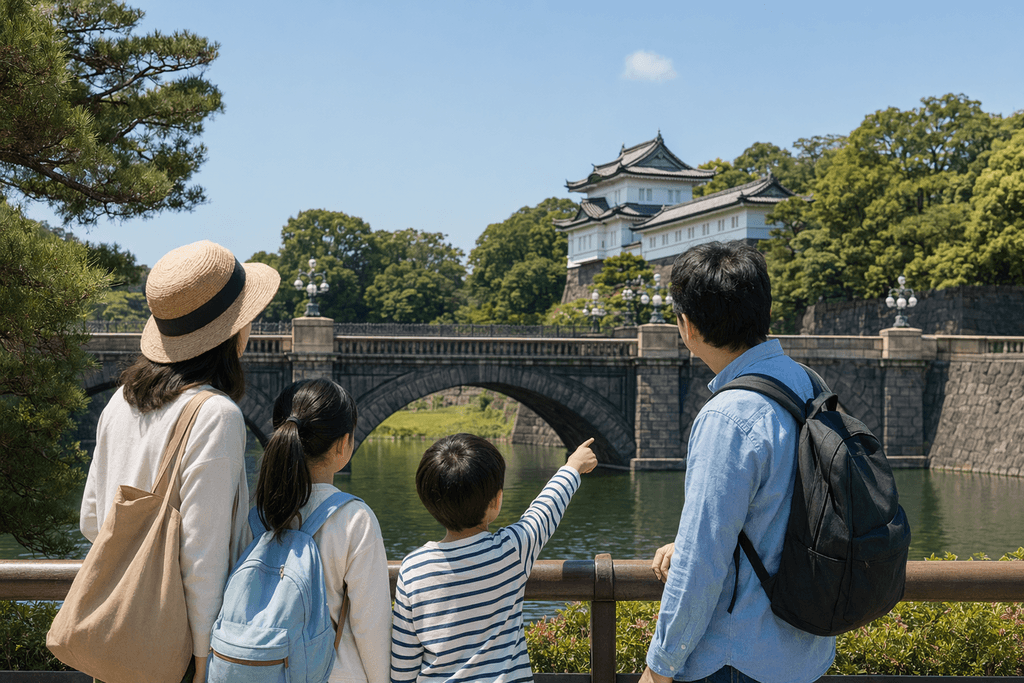
見物
passeio turístico
見物
passeio turístico
Explanation
見物
passeio turístico
見物
passeio turístico / visita a pontos turísticos / turismo
( Base form )
( romanization )
( hiragana )
過ぎる
exceder / passar
過ぎる
exceder / passar
Explanation
過ぎる
exceder / passar
過ぎる
passar; transcorrer / ultrapassar; exceder / demais; em excesso

Word Forms
The basic and commonly used forms of this verb.
Basic forms
| Form | Word form | Usage |
|---|---|---|
| Imperfective form (mizenkei) |
Alternative:
過ぎよ
|
Connects to endings such as nai, reru, and seru. |
| Continuative form (renyokei) | Connects to endings such as masu, tai, and ta. | |
| Conclusive form (shushikei) | Ends a sentence and serves as the dictionary form. | |
| Attributive form (rentaikei) | Modifies a noun. | |
| Conditional form (kateikei) | Combines with ba to express a condition. | |
| Imperative form (meireikei) |
Alternative:
過ぎよ
|
Expresses a command or instruction. |
Common forms
| Form | Word form | Usage |
|---|---|---|
| Te-form | Connects clauses with te. | |
| Ta-form | Expresses the past with ta. | |
| Nai-form | Expresses negation with nai. | |
| Masu-form | Used for polite speech. | |
| Ba-form | Expresses a condition with ba. | |
| Volitional form | Expresses intention or invitation. |
Notes
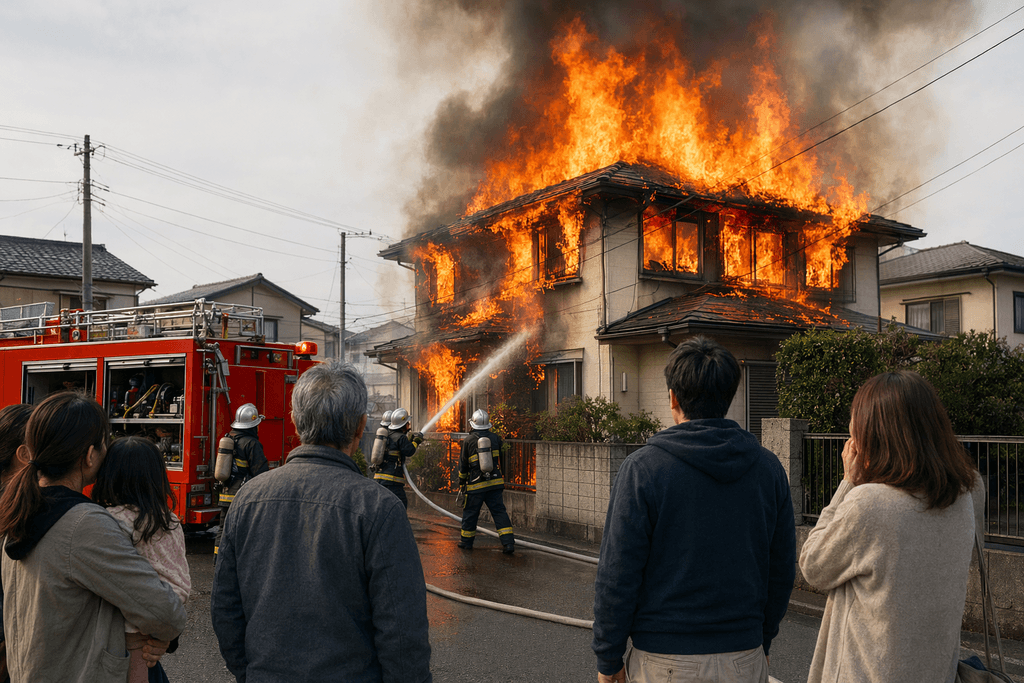
火事
incêndio
火事
incêndio
Explanation
火事
incêndio
火事
incêndio / fogo destrutivo / sinistro por fogo
( Base form )
( romanization )
( romanization )
( hiragana historical )
( hiragana )
Loading...

JLPT N4 多言語単語帳・631語 / JLPT N4 Multilingual Vocabulary: 631 Words

Jonathan Waller 氏の JLPT Resources の語彙リスト・レベル分類を出典とし、CC BY の条件に従って DiQt が初級向けに意味を作り直した631語の単語帳です。JLPT公式の語彙リストではありません。
This collection of 631 words is based on the vocabulary list and level classifications in Jonathan Waller’s JLPT Resources under CC BY, with meanings rewritten by DiQt for beginners. It is not an official JLPT vocabulary list.
Key Operations
Select the first quiz:
Ctrl + Enter
View Explanation:Ctrl + G
Close a feedback:Esc
When selecting a quiz
Answer:Enter
Select a choice:↓ or ↑
Reading out the question:Ctrl + K
View Hint: Ctrl + M
I don't know: Ctrl + Y



